
6 Tips to Waterproof Your Shed for a Longer Lifespan
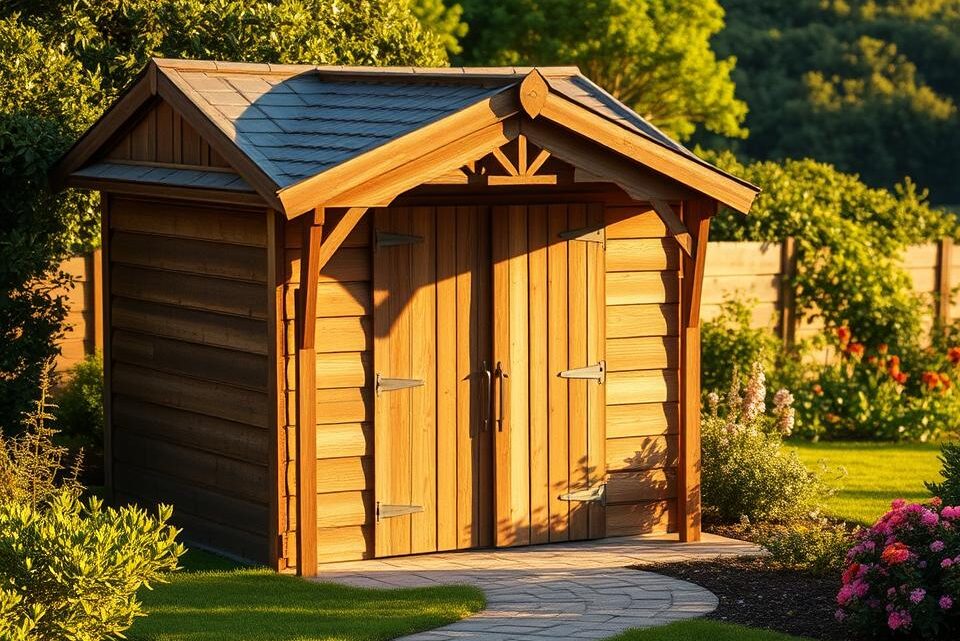
A garden shed serves as a valuable storage space and often becomes an essential part of any outdoor area. However, without proper protection, this important building can suffer from water damage that significantly reduces its lifespan.
Moisture infiltration poses a serious threat to wooden structures. It leads to rot, mould growth, and structural weakening over time. Protecting your investment requires proactive measures to ensure long-term durability.
This comprehensive guide covers essential strategies for safeguarding your garden building. From material selection to advanced treatment applications, each approach contributes to creating a truly waterproof shed environment.
Effective waterproofing represents an ongoing commitment rather than a single task. Regular maintenance and proper techniques yield substantial benefits, including extended longevity and reduced repair costs for your outdoor storage solution.
The following advice applies to various types and sizes of wooden structures. Whether you have a small storage unit or a larger garden workshop, these principles will help maintain your building’s integrity.
Inhaltsverzeichnis
Key Takeaways
- Water damage represents the primary threat to a shed’s structural integrity
- Proper waterproofing measures extend the lifespan of garden buildings significantly
- Moisture protection requires ongoing maintenance rather than one-time application
- Different shed materials may require specific waterproofing approaches
- Investing time in proper protection reduces long-term maintenance costs
- Effective waterproofing safeguards both the structure and its contents
- Regular inspection helps identify potential issues before they become serious problems
Introduction to Shed Waterproofing
Garden buildings face constant exposure to the elements, making protection a necessity. Water and moisture represent the primary threats to their longevity. Understanding these risks is the first step towards effective safeguarding.
https://www.youtube.com/watch?v=BLk_CAMmQPc
Understanding Water Damage and Moisture Risks
Moisture infiltration is a silent destroyer. When water penetrates wood fibres, it causes swelling and warping. This distortion compromises the structural integrity of the entire building.
Untreated wood is particularly vulnerable to rot. This decay weakens the material from within. Left unchecked, it can necessitate costly repairs or even a full replacement.
Mould and mildew growth often follows moisture ingress. These fungi create unpleasant odours and pose health risks. They can irritate skin, lungs, nose, and throat.
The Importance of a Durable, Weatherproof Shed
A resilient shed protects more than just its structure. Moisture can rust metal tools and damage other valuable items stored inside. Proper weatherproofing safeguards your entire investment.
Water damage creates entry points for pests and insects. These critters further compromise the building. Effective protection prevents this cascading effect.
Investing in durability saves money over time. It extends the functional life of the shed significantly. A well-protected building withstands temperature fluctuations and harsh weather.
| Risk Factor | Effect on Shed | Consequence |
|---|---|---|
| Moisture Absorption | Wood Swelling | Structural Warping |
| Untreated Wood | Rot Development | Weakened Integrity |
| Mould Growth | Spore Proliferation | Health Irritation |
| Pest Entry | Infestation | Additional Damage |
Selecting the Right Shed for Optimal Waterproofing
Choosing the right construction from the outset significantly reduces future maintenance challenges. The initial selection process establishes the foundation for long-term durability against moisture.
Choosing Quality Wood and Design
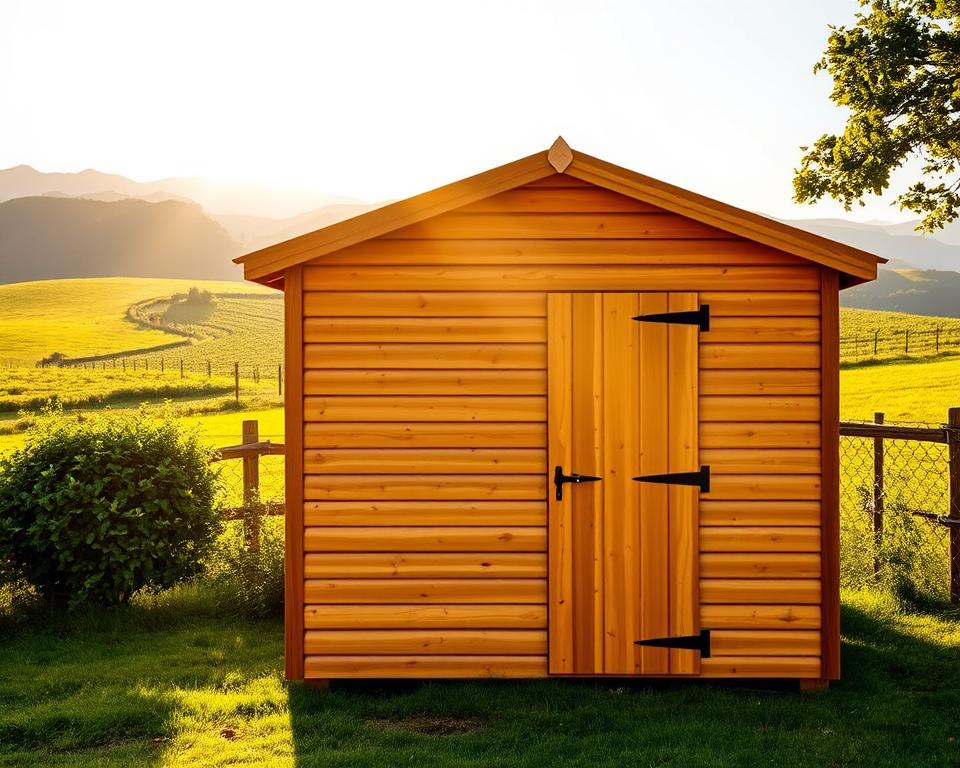
Redwood timber offers natural resistance to rot and decay. This makes it superior to whitewood for outdoor buildings. The material choice directly impacts the structure’s longevity.
Timber thickness matters for insulation and strength. Buildings with 44mm timber provide adequate protection. Thicker 70mm timber offers enhanced durability without extra insulation needs.
Advantages of Shiplap and Tongue-and-Groove Cladding
Shiplap represents the gold standard for water-resistant sheds. These interlocking boards create tight seals against moisture penetration. The precision fit prevents rain and damp air from entering.
Tongue-and-groove construction minimises gaps where water could enter. This design approach provides inherent waterproofing advantages. Starting with quality cladding reduces maintenance effort significantly.
Assessing existing sheds is crucial. Structures with distorted window cavities or roof damage may require replacement. Investing in a new, well-designed building often proves more cost-effective long-term.
Creating a Solid and Waterproof Base
Elevating garden structures from direct ground contact prevents capillary moisture absorption. This fundamental principle underpins all effective moisture protection strategies. A proper foundation serves as the primary barrier against rising damp.
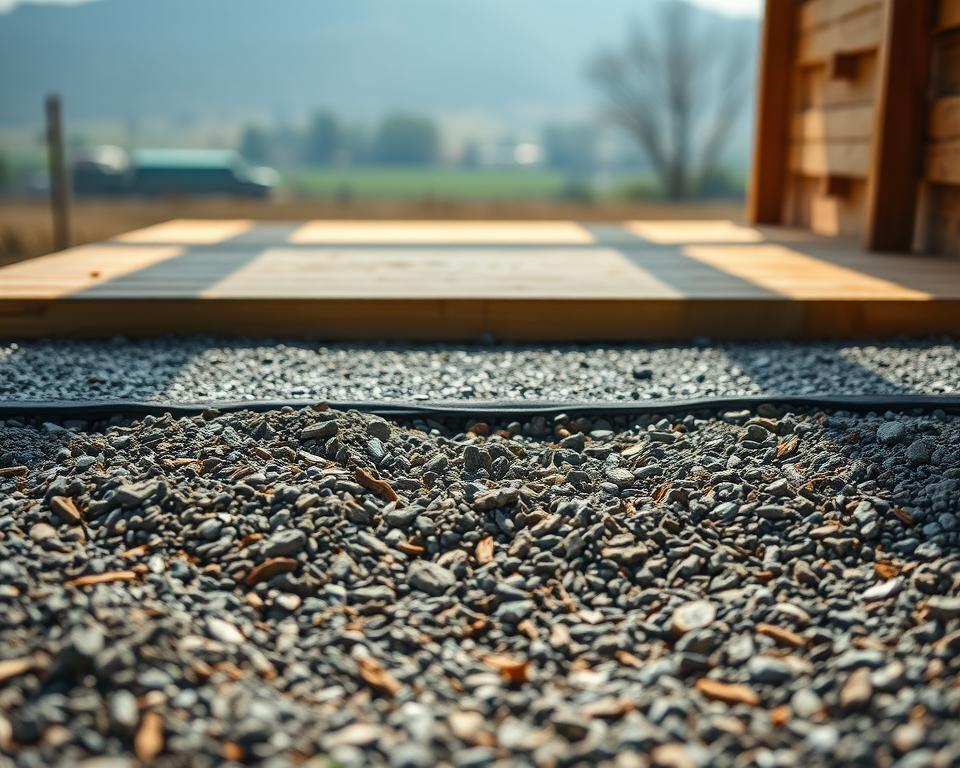
The construction of a reliable base interrupts moisture movement from the ground. It creates essential airflow beneath the structure, reducing condensation risks. This approach represents one of the most cost-effective preventative measures available.
Benefits of a Concrete vs Plastic Base
Concrete foundations offer superior impermeability to groundwater seepage. Their mass provides exceptional stability, preventing structural stress from shifting ground. A level concrete slab creates a permanent watertight platform for any garden building.
Modern plastic base systems like the EcoBase Fastfit Kit utilise honeycomb structures. These designs prevent rainwater pooling through efficient drainage channels. Plastic options provide quicker installation while maintaining effective moisture management.
Using Waterproof Membranes for Extra Protection
Incorporating a waterproof membrane between the ground and base adds another protection layer. These specialised materials block moisture transmission through capillary action. They’re particularly valuable in areas with high water tables or poor drainage.
Proper base preparation includes site levelling and perimeter drainage considerations. Ensuring adequate runoff prevents water accumulation around the foundation edges. This comprehensive approach safeguards both the structure and its contents from ground moisture damage.
Waterproofing Shed Walls, Doors, and Windows
Wall surfaces and entry points represent the most vulnerable areas for moisture penetration. These components face direct exposure to rain and humidity, making them critical protection zones.

Treating Wood with Preservatives and Waterproof Paint
Annual application of wood preservative provides essential defence for shed walls. Even dip-treated buildings require ongoing maintenance to maintain their protective qualities. High-quality products like Tiger Wood Preserver offer durable protection in various colour options.
This treatment creates a barrier against water absorption. It helps keep the structure dry for extended periods. Regular applications prevent the wood from weakening over time.
Sealing Gaps and Preventing Rot
Regular inspection of door and window frames identifies potential issues early. These areas often develop cracks and gaps that allow moisture entry. Checking for soft spots indicates possible rot development.
Filling gaps with appropriate sealants prevents water infiltration. Builder’s caulk works well for smaller openings, while expanding foam suits larger spaces. Proper sealing also eliminates draughts that affect internal conditions.
| Component | Inspection Focus | Recommended Treatment |
|---|---|---|
| Wall Surfaces | Preservative coverage | Annual wood treatment |
| Door Frames | Gap formation | Builder’s caulk application |
| Window Frames | Rot indicators | Wood filler and repainting |
| Wood Sills | Softness detection | Sanding and refinishing |
6 Tips to Waterproof Your Shed – Expert Guide
A methodical approach to surface preparation significantly enhances the effectiveness of weatherproofing treatments. Proper groundwork ensures that protective applications adhere correctly and provide lasting defence against moisture.
Essential Preparatory Steps and Tools
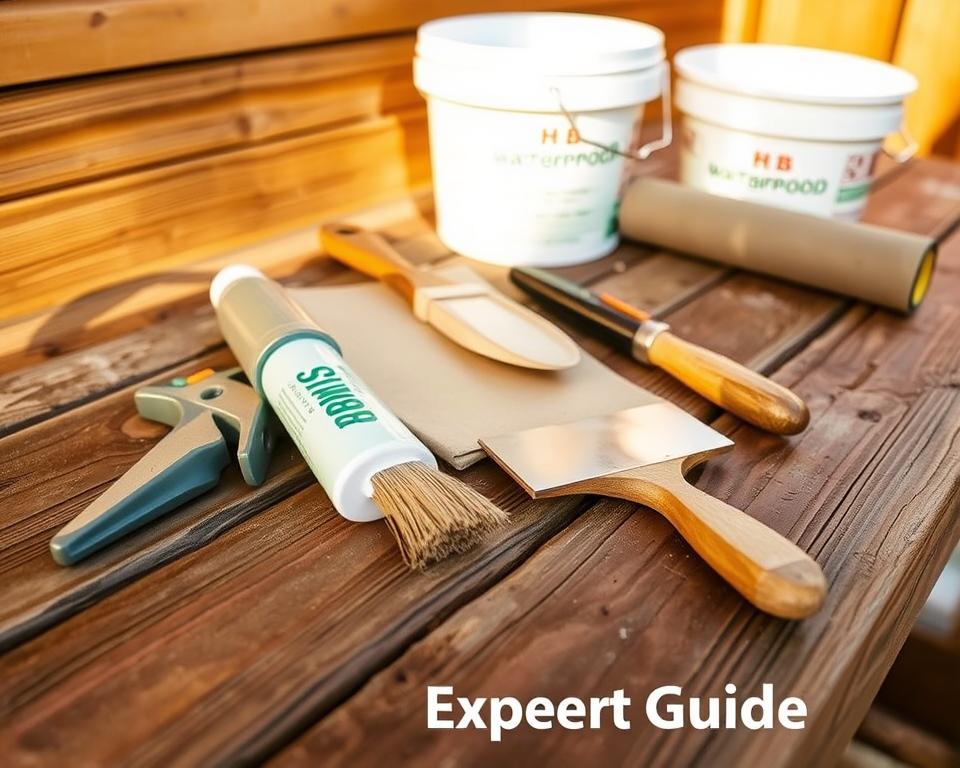
Gathering the right equipment is the first critical step. Essential items include wood paint or stain, various brushes, sandpaper or a power sander, and quality sealant for filling gaps. These tools form the foundation of a successful protection project.
Surface cleaning comes next. The entire structure requires thorough cleaning to remove dirt and debris that could interfere with treatment adhesion. This step ensures the protective coating bonds properly with the wood surface.
Comprehensive Treatment Approach
Sanding follows cleaning to create a smooth surface for optimal coverage. The choice between paint and stain depends on aesthetic preferences, as both offer comparable protection qualities. Application requires patience and attention to detail.
Systematic coverage is essential, paying special attention to corners and detailed areas. After the initial coat dries completely, a second application provides enhanced sealing properties. Any existing cracks or damage should be filled with sealant before final coating.
| Preparation Step | Required Tools | Key Benefit |
|---|---|---|
| Surface Cleaning | Brush, Water | Removes Contaminants |
| Wood Sanding | Sandpaper, Sander | Creates Smooth Surface |
| Treatment Selection | Paint or Stain | Provides Moisture Barrier |
| Gap Sealing | Sealant | Prevents Water Entry |
This comprehensive approach ensures every part of the building receives adequate protection. The process demands careful attention rather than rushing, guaranteeing professional-quality results that withstand weather challenges.
Roof Maintenance and Repair for Water Resistance
Among all shed components, the roofing system faces the most direct weather challenges. This critical area requires specific attention to prevent moisture penetration that could compromise the entire structure.
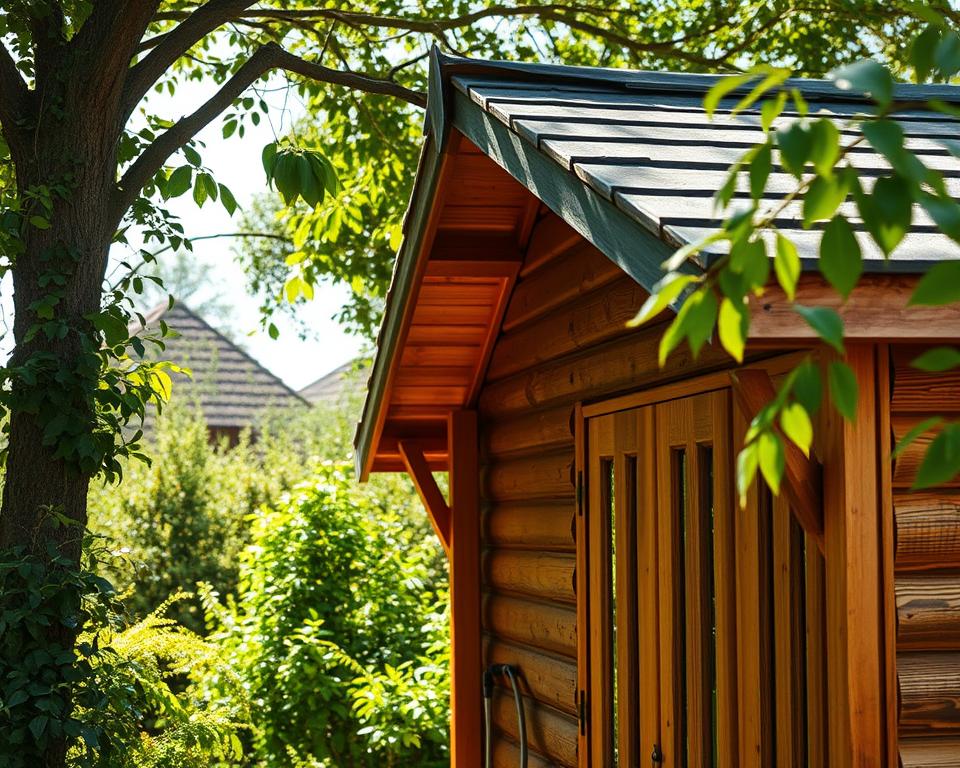
Proper roof protection begins immediately after assembly. Applying green mineral roofing felt creates an effective barrier against rain and moisture. This affordable material offers excellent waterproofing properties for garden buildings.
Application of Green Mineral Roofing Felt
The installation process involves unrolling the material across the entire roof surface. Nailing it securely into place ensures stable coverage. Special attention should focus on the edges and ridge line where leaks commonly develop.
For enhanced protection, apply roofing sealant around all perimeter edges. This creates an additional moisture barrier against driving rain. The mineral finish prevents separation, extending the material’s effectiveness.
Repairing Damaged Shingles and Edges
Annual inspections help identify early signs of wear before serious damage occurs. Look for cracks, tears, or mineral separation on the felt surface. Pay particular attention to areas exposed to heavy rain.
Minor repairs can often be handled with sealant applications. For more significant damage, patching or complete replacement may be necessary. Addressing issues promptly prevents water from reaching the underlying roof structure.
Regular maintenance of the roof represents a cost-effective approach to preserving garden buildings. Proactive care avoids expensive repairs caused by neglected water damage.
Managing Drainage and Gutter Systems
Proper water management extends beyond the shed structure itself to the surrounding ground. Effective drainage prevents moisture accumulation that can undermine even the best waterproofing efforts. The area around any garden building requires careful attention to maintain dry conditions.
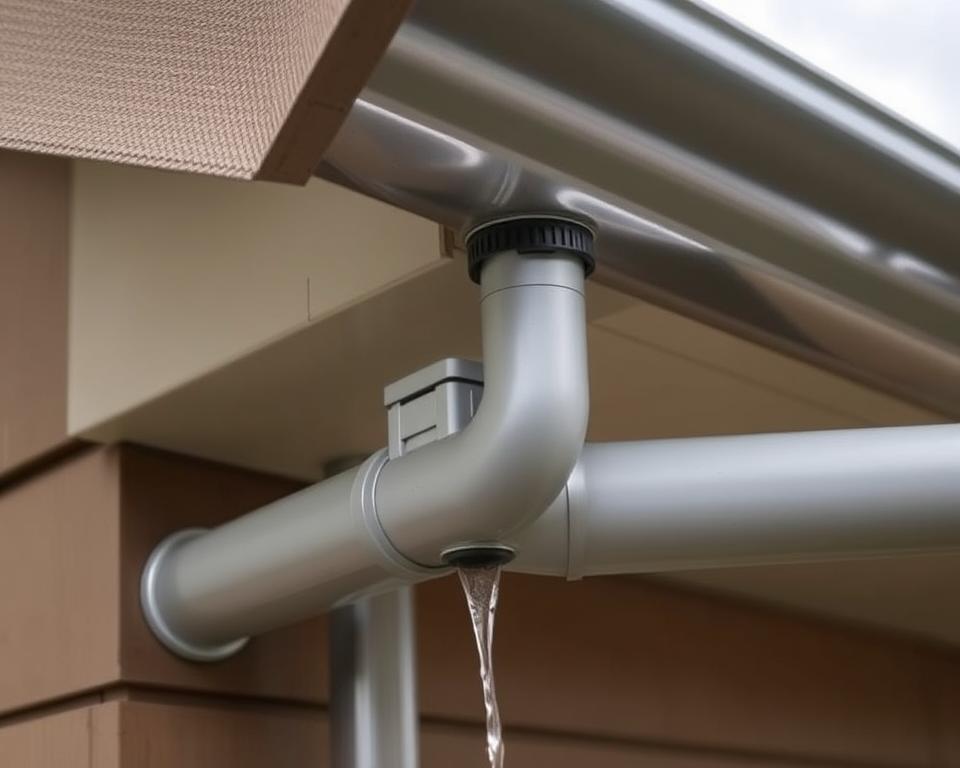
Keeping Gutters Clear from Debris
Gutters serve as the first line of defence against water damage. They channel rainwater away from vulnerable areas around the shed perimeter. Regular maintenance ensures these systems function optimally throughout the year.
Leaves and debris can quickly block water flow. This causes overflow that creates puddles around the foundation. Monthly inspections during autumn prevent blockages from developing.
Soggy ground indicates immediate attention is required. Standing water suggests gutters need clearing or repairs. Addressing these signs promptly prevents damp problems from developing.
Techniques for Effective Water Runoff
For sheds without existing systems, installation provides significant benefits. Fixing brackets securely allows gutters to handle heavy rainfall. The downpipe should connect to a drain or water butt for safe diversion.
Improving drainage around the base involves creating gravel-filled trenches. This technique facilitates faster water dispersal from the area. It represents an advanced solution for problematic sites.
These measures protect the shed foundation while providing harvested rainwater for garden use. Effective water management proves equally important as structural waterproofing for long-term protection.
Enhancing Protection with Insulation and Ventilation
A truly resilient garden building requires more than just a waterproof exterior. The internal environment plays a crucial role in long-term preservation. Effective management of temperature and humidity is the final frontier in comprehensive moisture defence.

This section explores the critical, yet often underestimated, relationship between insulation, ventilation, and moisture control. A well-balanced approach ensures the structure remains dry from the inside out.
Benefits of Insulating Shed Walls and Roof
Insulation acts as a thermal barrier. It regulates the internal temperature of the structure, preventing it from dropping too low. This is vital because when warm, moist air contacts a cold surface, condensation forms.
By keeping internal surfaces warmer, insulation helps prevent this moisture accumulation. It stops the temperature from falling below the dew point. This is especially important for timber, a natural material that expands and contracts with temperature changes.
In cold climates, this expansion and contraction can cause cracks. Adding insulation to walls and the roof ensures cold air cannot easily penetrate the building. It stabilises the internal environment, protecting the timber framework.
Improving Airflow to Prevent Dampness
While insulation manages temperature, ventilation manages air quality. A ventilated building is a dry building. Proper airflow prevents the build-up of stagnant, moisture-laden air.
Installing simple static wall vents creates a consistent exchange of air. This continuous airflow carries excess moisture away from the interior. For areas with naturally high humidity, a dehumidifier offers a more robust solution.
It is the balance between insulation and ventilation that delivers optimal results. Insulation keeps the structure warm, while ventilation refreshes the air. Together, they create an environment where dampness cannot thrive.
Advanced Silicone Treatments and Tool Applications
For those seeking a superior defence against the elements, modern silicone-based treatments offer a significant leap beyond traditional varnishes and oils. These advanced formulas provide a hard-wearing, low-maintenance solution for long-term protection.

Using Silicone Wood Protection Cream and Liquid
Products like Roxil Wood Protection Cream and Liquid use silicone emulsions to create a powerful barrier. Unlike traditional paint or varnish that can trap moisture and cause rot, these treatments allow wood to breathe. This prevents internal damage from trapped moisture vapour.
The cream version goes on white for easy visibility, then dries clear in a few hours. For large areas, the liquid form applied with a sprayer saves time. A second coat should be applied while the first is still wet. Full water repellency develops over about a month.
Choosing the Right Application Tools (Brushes and Sprayers)
Selecting the correct tool is crucial for an even application. A synthetic hair block brush is perfect for detailed surfaces like corners and edges. For wide, flat areas, a 9-inch medium pile roller provides faster coverage.
When protecting large garden buildings efficiently, a pump-action sprayer for silicone liquid is ideal. This method ensures a consistent coating. The initial effort pays off with protection that can last up to ten years, making it a cost-effective choice for a waterproof shed.
Conclusion
A well-protected garden shed represents an investment that pays dividends through extended service life. The comprehensive approach outlined combines quality timber selection, proper construction, and regular maintenance.
Effective waterproofing requires attention to all vulnerable areas. This includes walls, doors, windows, and their frames. Regular application of wood preservative treatments keeps the structure in good condition.
These protective measures are accessible to DIY enthusiasts. Filling gaps and applying appropriate paint prevents moisture damage. Consistent maintenance ensures garden buildings withstand the elements for years.
Following these strategies preserves your garden shed’s value. It protects against water, rain, and potential rot. The result is a durable structure that serves your garden needs long-term.
FAQ
Why is it so important to waterproof a garden shed?
Waterproofing a garden shed is essential to protect its structure from moisture damage. Without proper protection, wood can rot, metal components may rust, and stored items are at risk. Effective waterproofing significantly extends the building’s lifespan and keeps tools and belongings in good condition.
What is the best type of base for a waterproof shed?
A solid, level base is crucial. A concrete base offers excellent stability and durability, raising the shed off the ground to prevent moisture ingress. Alternatively, a plastic grid base provides good drainage. Using a waterproof membrane on top of any base adds an extra layer of protection against ground moisture.
How can I waterproof my shed roof effectively?
The roof is the first line of defence. Ensure it is covered with a durable material like green mineral roofing felt, which offers superior water resistance. Regularly inspect the roof for damage to shingles or felt edges and repair any issues promptly to maintain a watertight seal.
What is the best way to treat shed walls for waterproofing?
Start by applying a high-quality wood preservative to all timber surfaces. This soaks into the wood, protecting it from within. Follow this with a specialist waterproof shed paint or stain, which creates a protective barrier on the surface. Pay close attention to the edges and frames for complete coverage.
Should I install gutters on my shed?
Yes, installing a simple gutter system is highly recommended. Gutters channel rainwater away from the building’s base and walls, preventing water from pooling around the foundation. Keeping gutters clear of leaves and debris is vital for them to function correctly and manage water runoff.
How does ventilation help with shed waterproofing?
Good ventilation is key to preventing dampness. It allows moist air to escape, reducing the risk of condensation building up inside. This is especially important if the shed is insulated. Adequate airflow helps keep the interior dry, which complements external waterproofing treatments.
What are silicone-based wood treatments, and are they effective?
Silicone-based protection creams and liquids are advanced treatments that penetrate deep into timber. They repel water while allowing the wood to breathe, offering long-lasting protection against rain and moisture. They are highly effective for treating sheds and other garden buildings.

