When Is the Best Time to Buy a Shed in the UK? Expert Advice
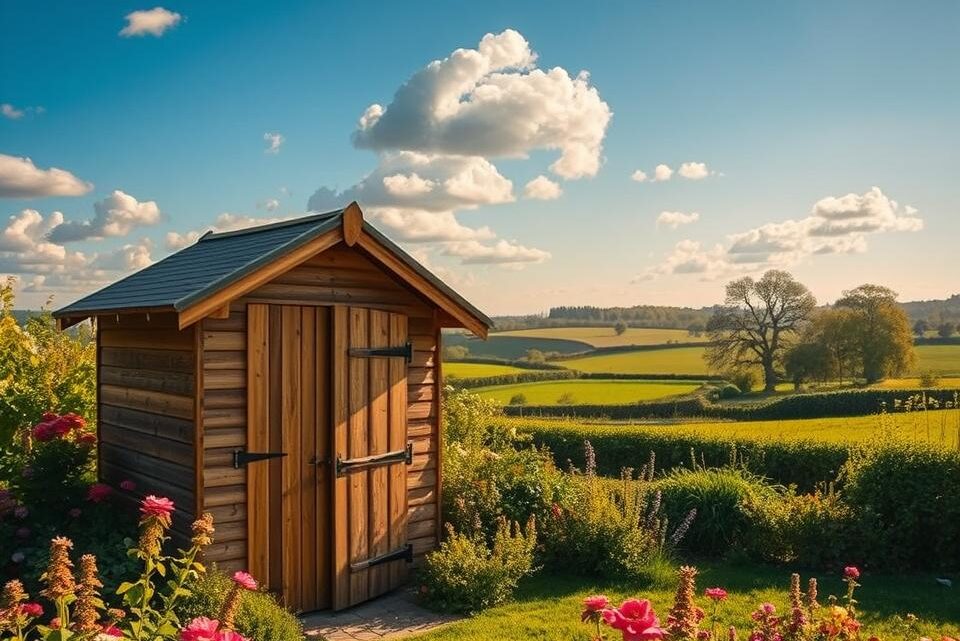
Acquiring a new garden shed involves more than just selecting the right model. The timing of the purchase plays a crucial role in the overall experience and value. Many homeowners wonder about the ideal moment to make this investment for their outdoor space.
Availability and pricing for sheds are not constant throughout the year. They fluctuate with the seasons, influencing both cost and choice. Purchasing at the right moment can lead to significant financial savings and access to a wider selection of products.
A strategic approach considers several factors. These include seasonal demand patterns, weather conditions suitable for installation, and how the owner plans to use the structure. Aligning the purchase with these elements ensures the shed is ready when needed most.
This guide explores how timing affects the entire process. It aims to provide expert insights so buyers can make an informed decision. The goal is to help maximise the investment, ensuring the new garden addition offers both practical benefits and long-term satisfaction.
Inhaltsverzeichnis
Key Takeaways
- Strategic timing of a shed purchase can lead to better prices and more options.
- Seasonal changes greatly affect shed availability and cost in the UK market.
- Consideration of installation weather is essential for a smooth setup process.
- Aligning the purchase with personal usage needs maximises the shed’s utility.
- Understanding market dynamics is key to a satisfying garden shed investment.
Understanding Seasonal Trends in Shed Purchases
The market for outdoor storage solutions experiences predictable shifts throughout the year. These patterns influence both pricing and availability significantly.
https://www.youtube.com/watch?v=SZEcYI5-3bY
Consumer behaviour follows clear seasonal rhythms. Warmer months see increased interest in garden projects.
Seasonal Price Fluctuations and Supply
Manufacturers adjust production based on anticipated demand. Spring brings fresh inventory to retailers. Autumn often features clearance sales.
Supply chains respond to these patterns. Quieter periods allow for faster production. This benefits buyers seeking custom options.
Market Demand during Peak and Off-Peak Periods
Peak demand occurs during spring and summer. Homeowners focus on outdoor improvements. This creates competitive pressure.
Off-peak months offer advantages. Reduced demand leads to better pricing. Service levels often improve during these periods.
| Season | Pricing | Availability | Lead Time |
|---|---|---|---|
| Spring | Standard | Wide selection | 4-6 weeks |
| Summer | Higher | Limited | 6+ weeks |
| Autumn | Discounted | Good | 2-4 weeks |
| Winter | Lowest | Variable | 1-3 weeks |
Understanding these market dynamics helps buyers make informed decisions. Strategic timing can yield significant benefits.
Benefits of Buying in Spring and Autumn
The transitional periods of spring and autumn present unique opportunities for acquiring garden storage. These seasons offer a strategic balance between favourable conditions and market dynamics.
Purchasing during these windows helps homeowners avoid the extremes of peak summer demand and harsh winter weather.

Spring: New Stock, Early Installation, and Avoiding the Rush
Spring is an excellent time to explore new garden shed options. Retailers typically introduce fresh stock, providing the widest selection of styles and sizes.
Ordering in March or April ensures delivery and installation before the summer rush. This avoids extended wait times common during peak demand.
Improving weather makes the installation process more comfortable. The new storage unit is then ready for immediate use throughout the warmer months.
Autumn: Clearance Sales and Strategic Planning Before Winter
Autumn brings significant financial advantages. Retailers often hold clearance sales to make room for new models, with attractive discounts around events like Black Friday.
This season allows for strategic pre-winter preparation. Homeowners can have their shed installed before harsher weather arrives, protecting valuable garden equipment.
With reduced demand, manufacturers can offer shorter lead times and more attention to detail. This often results in superior craftsmanship and faster delivery.
Challenges of Summer and Winter Purchases
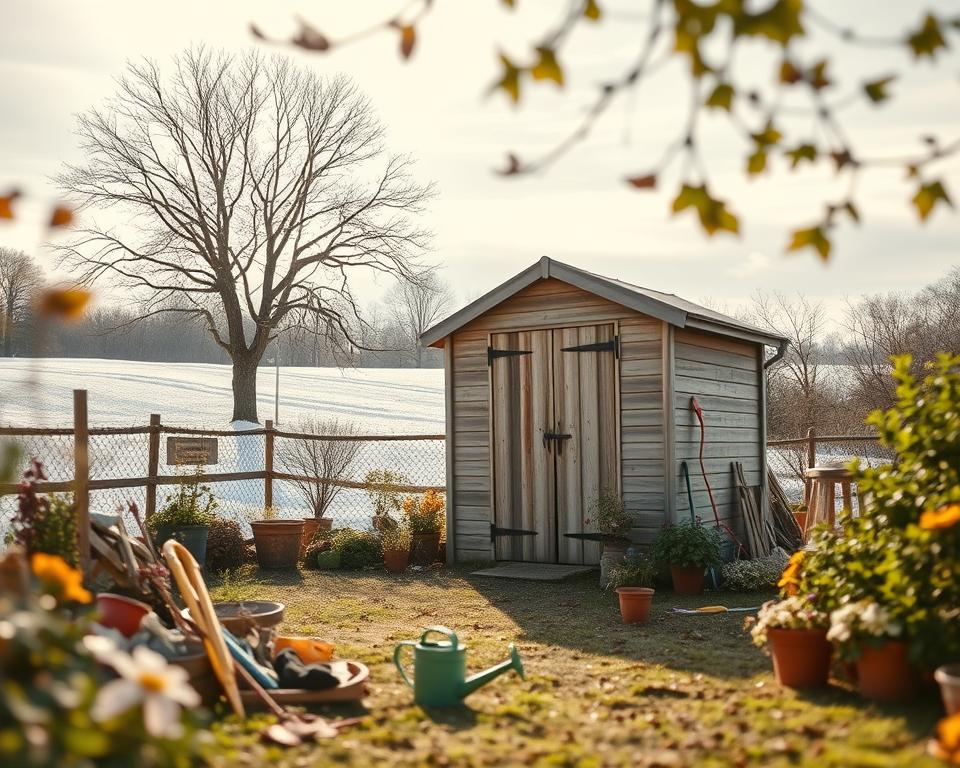
While summer and winter might seem like logical times for a garden project, each season brings distinct hurdles for acquiring a new shed. These periods often present logistical and practical difficulties that can outweigh their perceived benefits.
Delivery Delays and Extended Wait Times in Summer
The summer months see a massive surge in demand across the industry. This peak season creates a bottleneck, with manufacturers and suppliers struggling to keep pace. Homeowners can face extended delivery schedules, sometimes stretching for several weeks.
This delay can be frustrating. It puts outdoor organising plans on hold, limiting the enjoyment of the warmer weather. The installation might not happen until late summer, reducing the time available to use the new garden storage.
Installallation Difficulties and Cold Weather Concerns in Winter
Winter presents a different set of challenges. The physical process of assembling a shed becomes a real struggle in cold, wet conditions. It is uncomfortable work for both professionals and DIY enthusiasts.
Frozen or waterlogged ground complicates foundation preparation. Reduced daylight hours shorten the available working time. Valuable garden items remain exposed to frost and moisture damage while waiting for the project to be completed.
Weather interruptions are common, causing unexpected delays. Even if a purchase is made in winter, the actual installation may need to be postponed until spring for safer, more effective results.
When Is the Best Time to Buy a Shed in the UK?
The ideal window for securing garden storage solutions depends on individual circumstances and seasonal patterns. Expert consensus strongly favours autumn and winter ordering for optimal results.

Expert Insights and Customised Planning
During quieter seasons, manufacturers can dedicate proper attention to each project. This leads to superior craftsmanship and quality. Standard lead times of approximately six weeks allow for careful planning.
Personalised planning becomes possible with extra time to fine-tune orders. Buyers can discuss customisation options and specification adjustments. This ensures the final product perfectly matches their garden requirements.
Pre-booking services offer strategic advantages. Customers secure their order during off-peak pricing periods. The actual construction gets scheduled for more favourable weather conditions.
Balancing Weather Conditions with Personal Needs
UK weather patterns make late spring the finest period for outdoor enjoyment. Orders placed in autumn or winter position the garden building for completion as optimal conditions arrive.
Spring ordering often results in summer installation delays. This causes buyers to miss the best weather whilst waiting. Earlier ordering captures premium late spring and early summer days.
The decision ultimately depends on individual circumstances. Those prioritising immediate availability might choose spring. Buyers valuing cost savings and customisation time benefit most from autumn or winter purchasing.
Optimising Your Shed Investment and Installation Process
A successful garden project relies on more than just the purchase. It demands a strategic approach that connects ordering, preparation, and installation. This coordination ensures the new structure delivers maximum value from day one.
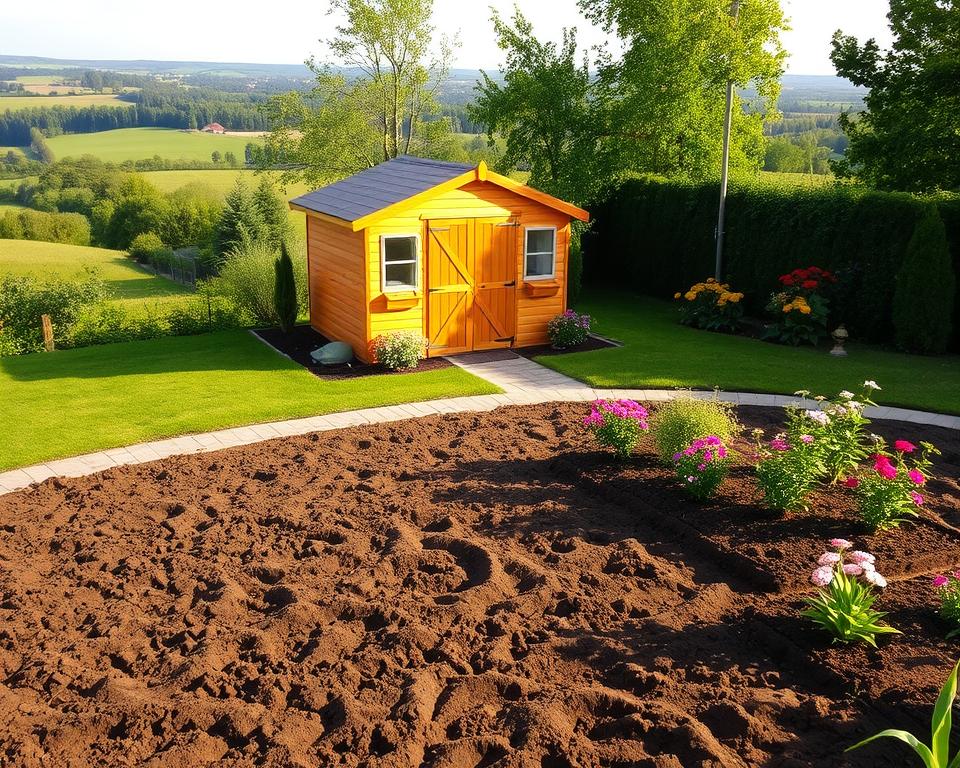
Smart planning involves considering the entire project timeline. Groundwork, like creating a foundation or removing an old building, needs attention. Completing this in late winter allows the garden to recover beautifully for spring.
Pre-Booking, Customisation, and Ground Preparation
Securing an order during quieter months offers significant advantages. It locks in favourable pricing and secures a production slot. This is especially vital for a custom garden shed requiring special features.
Structures designed for year-round use often need extras. Insulation, electrical packs, or double glazing extend the installation timeframe. Ordering these in autumn ensures the outdoor storage unit is ready before colder weather arrives.
Timing Your Investment for Maximum Usage
The goal is to have the shed fully operational when needed most. For summer use, the installation should be complete by late spring. This avoids missing precious warm months due to delays.
This foresight protects tools and equipment, providing secure storage exactly when required. It transforms the investment into immediate utility, enhancing the garden space without unsightly disruption during peak season.
| Project Phase | Recommended Timing | Key Benefit |
|---|---|---|
| Ground Preparation | Late Winter | Allows landscape recovery |
| Ordering Custom Build | Autumn | Secures features and schedule |
| Target Installation | Late Spring | Maximises summer usage |
Coordinating these steps turns a simple purchase into a well-executed investment. The space is ready for enjoyment precisely when the season is at its finest.
Conclusion
Choosing the right moment for garden shed acquisition transforms a simple purchase into a strategic investment. The analysis confirms that autumn and spring consistently offer the most favourable conditions for most buyers.
Autumn purchasing delivers maximum cost savings through clearance pricing while positioning buyers for spring installation. This approach avoids summer peak demand and associated delivery delays.
Individual needs should guide the final decision. Those prioritising immediate availability may prefer spring, while cost-conscious buyers benefit from winter ordering.
Strategic timing ensures the new storage space serves its purpose throughout optimal months. Proper planning coordinates purchase timing with favourable weather for installation.
Ultimately, informed timing decisions directly impact the success of acquiring sheds for outdoor space requirements. The right approach balances personal circumstances with seasonal advantages.
FAQ
What are the main benefits of buying a garden shed in the spring?
Purchasing in spring offers access to new stock from manufacturers and allows for early installation. This timing helps homeowners avoid the summer rush, ensuring their outdoor storage solution is ready well before the peak gardening season begins.
Are there significant price advantages to buying a shed in the autumn?
Yes, autumn often brings clearance sales as retailers make space for new inventory. This period presents an excellent opportunity for strategic planning, allowing one to secure a quality shed at a reduced cost before winter weather sets in.
Why might summer be a challenging time to purchase a shed?
The high demand during summer can lead to extended delivery delays and longer wait times for installation. Many suppliers operate at full capacity, which can slow down the entire process from order to completion.
What difficulties can arise from a winter shed installation?
Cold weather and adverse ground conditions, such as frozen or waterlogged soil, can complicate installation. These factors may delay the project and potentially affect the foundation’s stability, making it a less than ideal time for many.
How important is ground preparation before a shed is installed?
Proper ground preparation is crucial for the longevity and stability of any garden building. A level, solid base, often made of concrete or paving slabs, should be prepared in advance to ensure a smooth installation process and protect your investment.
Can I customise a shed if I order outside of peak season?
Ordering during off-peak periods, like late autumn or winter, often provides more flexibility for customisation. With lower demand, manufacturers and suppliers typically have more capacity to accommodate specific requests for size, windows, or doors.