What’s the Difference Between a Gazebo and a Pergola?
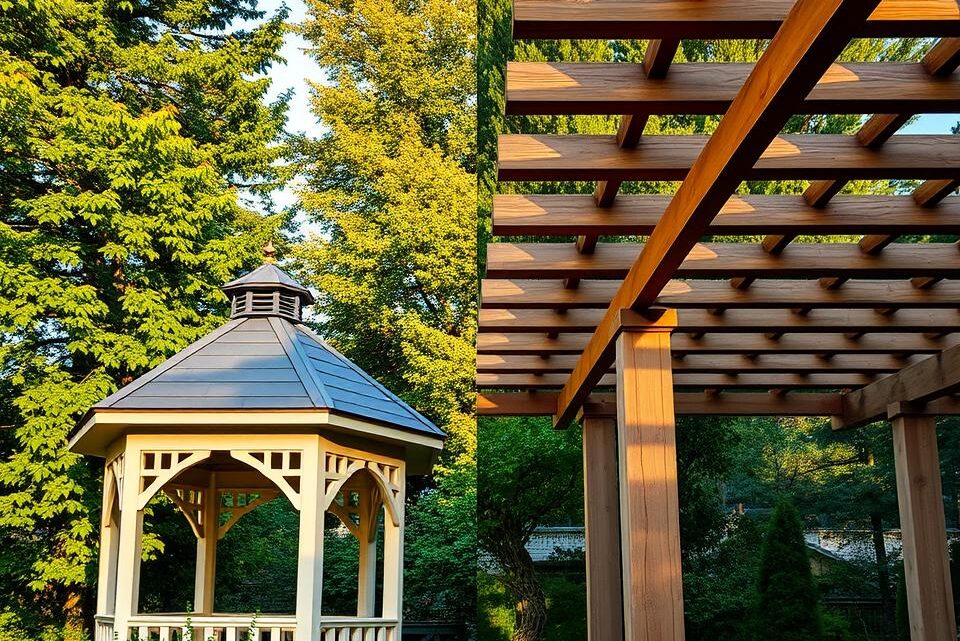
Gazebos and pergolas both create beautiful outdoor structures for relaxing and entertaining. At first glance, they seem quite similar. Both can enhance a garden space and provide a dedicated area for seating.
However, a key difference lies in their roofing. A pergola typically features a slatted or latticed roof. This design allows sunlight to filter through, offering dappled shade.
In contrast, a gazebo boasts a solid, fully-covered roof. This structure provides complete protection from rain and sun. This fundamental distinction greatly influences their use in the British climate.
Recent trends show the pergola‘s popularity soaring. On Instagram, hashtags for pergolas far outnumber those for gazebo structures. Google search data from recent summers in the United Kingdom supports this, with pergola searches nearly doubling.
Understanding these distinctions is crucial for anyone planning their garden space. The choice between these outdoor structures affects comfort, style, and functionality.
Inhaltsverzeichnis
Key Takeaways
- Pergolas have open, slatted roofs that allow sunlight through.
- Gazebos feature solid, weatherproof roofs for full coverage.
- Both structures enhance a garden’s design and entertainment space.
- Pergolas currently show higher popularity on social media and search engines.
- The primary difference lies in the roof structure and resulting shade.
- Your choice depends on desired sun exposure and weather protection.
Overview of Outdoor Structures for Your Garden
The history of garden structures is a fascinating journey across centuries and continents. These features have evolved from ancient functional designs to modern aesthetic statements.
Gazebos boast an incredibly long history, with origins traced back to 1400BC in Egyptian garden plans. The term ‘gazebo’ itself is British, emerging in the 18th century to describe a summerhouse positioned to command a view.
In contrast, the term ‘pergola’ is much more modern, first used in the 1640s. It derives from the Latin “pergula,” meaning “projecting eave.”
Historical Context and Evolution
Gazebos are significantly older than pergolas. Their design has been adapted over time to suit different climates and styles.
Breeze House introduced the first thatched garden gazebos to the UK market in 1994. Founder Andrew Peck drew inspiration from African roundavels.
Pergolas were designed to complement modern architecture. Their open structure offers a blend of shade and sunlight.
Types of Structures in Modern Landscaping
Today’s gardens feature a variety of structures. Each offers unique benefits and aesthetic appeal.
Traditional pagodas hail from South East Asia. These tall structures feature full roofs supported by pillars, originally for meditation.
The word ‘pergoda’ comes from Hindi, meaning a hut with bamboo walls. It was invented by the British during colonial times in India.
| Structure | Origin | Key Characteristic |
|---|---|---|
| Gazebo | Egyptian, 1400BC | Solid roof, often octagonal |
| Pergola | European, 1640s | Open, slatted roof |
| Pagoda | South East Asia | Tiered towers, curved eaves |
| Pergoda | British Colonial India | Plaited bamboo walls |
What’s the Difference Between a Gazebo and a Pergola?
The primary distinction separating these garden features lies in their overhead protection systems. This fundamental contrast shapes their functionality and aesthetic appeal.

Defining Key Features
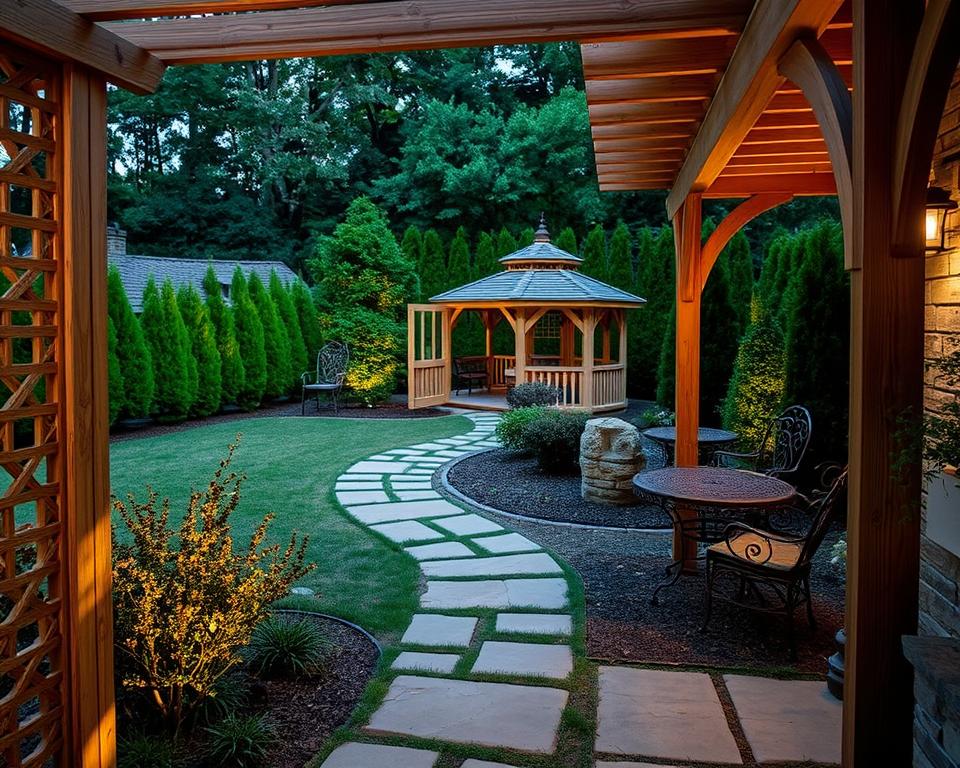
A gazebo features a solid, pitched roof offering complete weather protection. This permanent covering resembles a miniature house roof.
In contrast, a pergola presents an open framework with beams spaced at intervals. This design allows filtered sunlight and air circulation.
The structural differences extend beyond roofing. Gazebos often showcase rounded shapes with partial railings. Pergolas typically form rectangular, open frameworks.
Design and Cultural Influences
Gazebos reflect traditional British garden aesthetics with their enclosed, room-like structure. They create defined outdoor spaces for relaxation.
Pergolas embody Mediterranean influences with their airy, minimalist design. They serve as extensions to existing seating areas.
Modern adaptations include louvred systems that blur traditional boundaries. These innovations allow pergolas to function like gazebos when needed.
Design and Materials: Roofs, Supports and Customisation
When selecting between different garden features, the choice of materials and construction methods directly impacts performance. The design elements and material quality determine how well these structures withstand British weather conditions.
Comparing Roof Structures and Wall Features
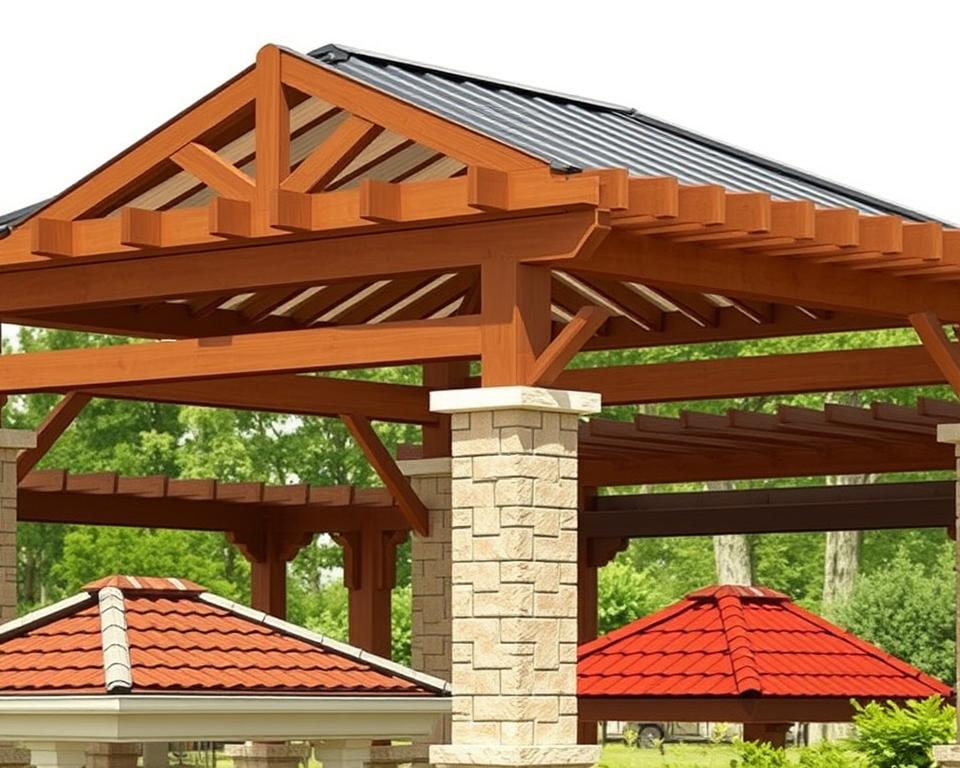
Gazebo roof construction typically involves solid, pitched designs using tiles, thatch, or shingles. This provides complete overhead protection from rain and sun. The entire roof structure creates a weather-resistant enclosure.
Pergola roofs feature open, slatted designs allowing filtered sunlight. Modern pergolas often use aluminium frames powder-coated in various colours. These materials offer strength without rusting or rotting.
Wall features differ significantly between the two structures. Gazebo designs commonly include railings, partial walls, or retractable sides. Pergolas typically have open frameworks, though some models include textilene blinds for privacy.
Material Choices and Durability
Gazebo construction uses hard-wearing materials like timber or metal for longevity. The comprehensive roof and integrated elements create inherently stronger constructions. A well-built gazebo can withstand decades of use.
Pergola durability depends on material selection and maintenance. Contemporary aluminium pergolas offer lightweight, maintenance-free options. However, their open design makes them more susceptible to environmental damage.
| Feature | Gazebo | Pergola |
|---|---|---|
| Roof Type | Solid, pitched | Open, slatted |
| Wall Features | Railings, partial walls | Typically open, optional blinds |
| Primary Materials | Timber, metal | Aluminium, timber |
| Durability | High weather resistance | Moderate, requires maintenance |
| Installation Options | Freestanding only | Freestanding or wall-mounted |
Functionality in Outdoor Living: Shade, Shelter and Space
Outdoor living enjoyment relies on selecting the right structure to match your climate and lifestyle needs. The functional differences between these garden features significantly impact their performance throughout the seasons.
Practical Benefits for Weather Protection
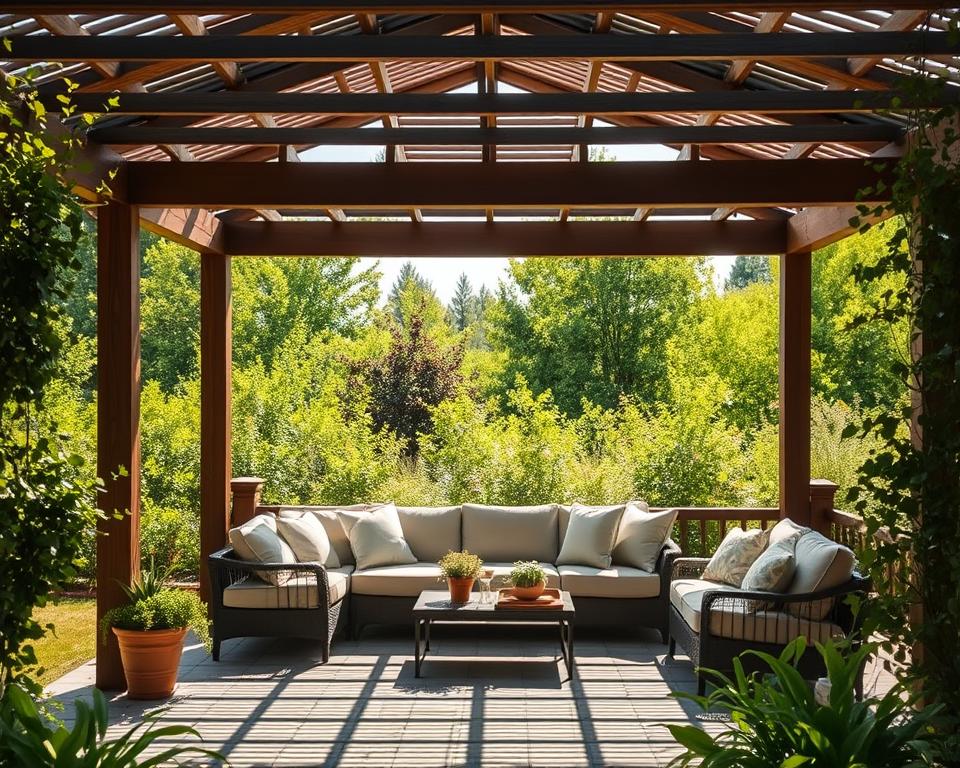
Pergolas feature adjustable louvred roofs that users can modify from open to closed positions. This flexibility provides excellent shade control during sunny periods. The slatted design allows filtered sunlight while offering partial protection.
Gazebos deliver complete weather protection with their solid roofing systems. They shield against rain, snow, and intense sun exposure effectively. Both structures handle average wind conditions well due to sturdy foundations.
For challenging weather patterns, gazebos with drop sides offer superior shelter. Pergolas can be enhanced with side panels for additional protection against the elements.
Enhancing Outdoor Seating and Entertaining Areas
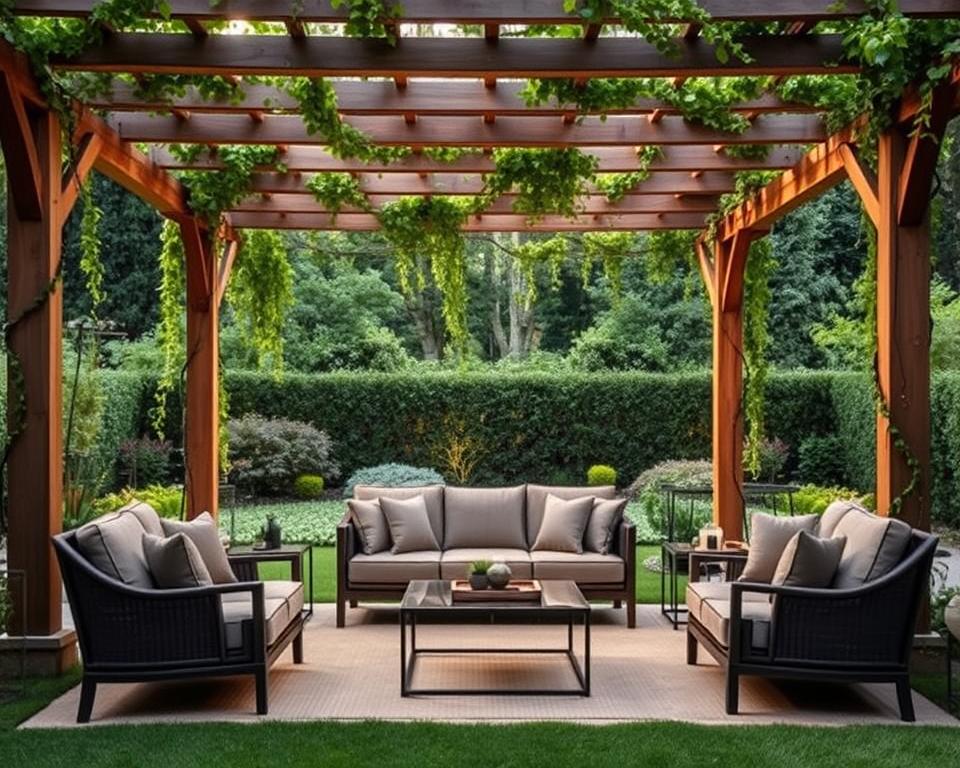
Pergolas create wonderful frameworks for climbing plants and hanging vines. This natural enhancement increases shade coverage while adding visual appeal. The open design suits alfresco dining with adjustable coverage.
Gazebos offer extensive customisation for dedicated outdoor living space. They can accommodate outdoor kitchens, hot tubs, or garden bars. This versatility transforms them into protected seating areas.
Modern pergola models bridge functionality gaps with upgrade options. Additional panels improve shelter capabilities for varied entertaining needs. The choice depends on preferred seating arrangements and weather considerations.
Cost, Installation and Maintenance Insights
Budget planning is essential when considering outdoor garden structures. The investment varies significantly between different designs and installation methods.
Budget Considerations and Price Ranges
Simple pop-up steel gazebos start from £100-£400. Permanent gazebo installations typically range from £1,000 to £5,000 depending on size and materials.
Pergolas generally cost less than gazebos. Standard models range from £1,000 to £3,000, with basic wooden versions available for £100-£500.
Premium options with louvred roof technology cost £2,000-£5,000 for both structures. The sophisticated mechanisms increase the price.
Installation Techniques and DIY vs Professional
Gazebos often require professional installation due to complex designs. Their enclosed roof structures demand careful planning and ground preparation.
Pergolas offer more flexibility for DIY projects. Their simpler architecture makes them accessible for homeowners with basic skills.
Attaching a pergola to your home’s exterior wall is a popular option. This approach can save space and provide additional support.
Consider your available time and skill level when choosing installation methods. Professional help ensures proper construction but increases costs.
Integrating Outdoor Structures with Garden Furniture and Accessories
Creating a cohesive outdoor living space requires thoughtful integration of garden structures with furniture and accessories. Both gazebo and pergola designs offer unique opportunities to enhance your garden aesthetic while maximising functionality.
Complementary Garden Design and Seating Options
Pergolas accommodate various garden furniture configurations beautifully. Their open framework suits family-sized dining sets and lounge areas perfectly. Many homeowners use them to house larger installations like hot tubs.
Traditional timber pergolas serve as living architectural features. They provide excellent frameworks for climbing plants and hanging vines. This natural addition creates evolving visual interest throughout seasons.
Gazebos make striking focal points that enhance any garden setting. They offer complete weather protection for valuable garden furniture. This privacy and shelter keep furnishings dry and protected.
The integration of structures with furnishings transforms ordinary spaces into extraordinary outdoor rooms.
Customisation options abound for both structure types. Gazebos can feature built-in seating, solid walls, and integrated accessories. Pergolas often incorporate textilene blinds and lighting systems.
| Structure | Best Furniture Types | Accessory Integration | Plant Compatibility |
|---|---|---|---|
| Gazebo | Built-in seating, dining sets | Lighting, side panels | Potted plants, hanging baskets |
| Pergola | Modular lounge furniture | Climbing frames, decorative beams | Climbing vines, trailing plants |
Combining both structures creates distinct zones within your outdoor living space. The sheltered gazebo area pairs well with the versatile pergola space. This approach offers the best of both worlds for British gardens.
FAQ
Which structure offers better protection from rain?
Gazebos typically provide superior rain protection due to their solid or fully covered roofs. Pergolas, with their slatted roofs, offer less shelter from precipitation.
Can plants be incorporated into both gazebos and pergolas?
Yes, climbing plants such as wisteria or roses are often trained onto pergola beams for natural shade. Gazebos can also feature planters, but their solid roofs limit overhead growth.
Are these structures available as freestanding units?
A> Both gazebos and pergolas are commonly available as freestanding structures. This offers flexibility in placement within a garden, away from the main house.
How does the installation process differ between the two?
Installation complexity varies. Simple pergola kits might be suitable for DIY projects, while larger gazebos often require professional installation due to their heavier roofs and potential need for foundations.
Which option is more suitable for supporting outdoor lighting or fans?
Gazebos, with their solid roof structure, are generally easier to fit with integrated lighting or ceiling fans. Pergolas can support hanging lights, but installation may require more planning.
Do these outdoor additions require planning permission?
A> Requirements depend on local regulations, size, and placement. Generally, freestanding structures below a certain height and not attached to the house may not need permission, but it’s always best to check with local authorities.
Can furniture be placed inside both gazebos and pergolas?
Absolutely. Both structures are designed to house garden furniture. Gazebos offer more enclosed protection, while pergolas create an open-air living space.