Best Plants To Grow In Your Greenhouse

A greenhouse unlocks a world of horticultural possibilities. It provides a sheltered space for cultivation, shielding delicate specimens from the UK’s unpredictable weather. This controlled environment allows gardeners to extend the growing season significantly.
Choosing the right specimens for this protected space is crucial for success. The enclosed conditions offer distinct advantages like consistent warmth and humidity control. Many vegetables, fruits, and herbs thrive in this setting, producing bountiful harvests.
This guide explores a curated selection of suitable varieties. It covers everything from quick-growing salads to heat-loving crops that flourish under glass. Practical advice on temperature, soil, and watering is also included.
Whether the structure is heated or not, gardeners can achieve production throughout the year. With careful planning and the right choices, a greenhouse becomes a hub of continuous growth and fresh produce.
Inhaltsverzeichnis
Key Takeaways
- A greenhouse offers a protected environment for gardening.
- It allows for an extended growing season in the UK.
- Selecting appropriate varieties is key to success.
- Many crops thrive in the controlled conditions.
- Year-round production is an achievable goal.
Introduction to Greenhouse Gardening
Protected cultivation through greenhouse structures revolutionises traditional gardening methods. These transparent enclosures create a controlled environment where temperature, humidity, and light exposure can be precisely managed.
The enclosed space shields delicate specimens from Britain’s unpredictable weather patterns. This protection extends the productive season significantly, allowing cultivation during months when outdoor gardening proves challenging.
Modern designs accommodate gardens of all sizes and budgets. From compact lean-to models to substantial freestanding units, there’s a suitable option for every space.
| Greenhouse Type | Ideal Garden Size | Season Extension | Beginner Friendly |
|---|---|---|---|
| Compact Lean-to | Small urban spaces | 2-3 months | Excellent |
| Standard Freestanding | Medium gardens | 4-6 months | Good |
| Large Commercial | Spacious properties | Year-round | Advanced |
Beginners find greenhouse cultivation particularly accessible. Many easy vegetables provide quick results, building confidence before progressing to more demanding varieties.
The controlled environment enables cultivation of tender crops that wouldn’t survive typical British conditions. This expands the range of produce available for home production throughout the year.
Best Plants To Grow In Your Greenhouse
Gardening under glass presents distinctive advantages for growing tender crops that benefit from consistent warmth and protection. The controlled environment allows for successful cultivation of diverse vegetable varieties throughout the year.
Lettuce, Tomatoes, and Herbs Spotlight
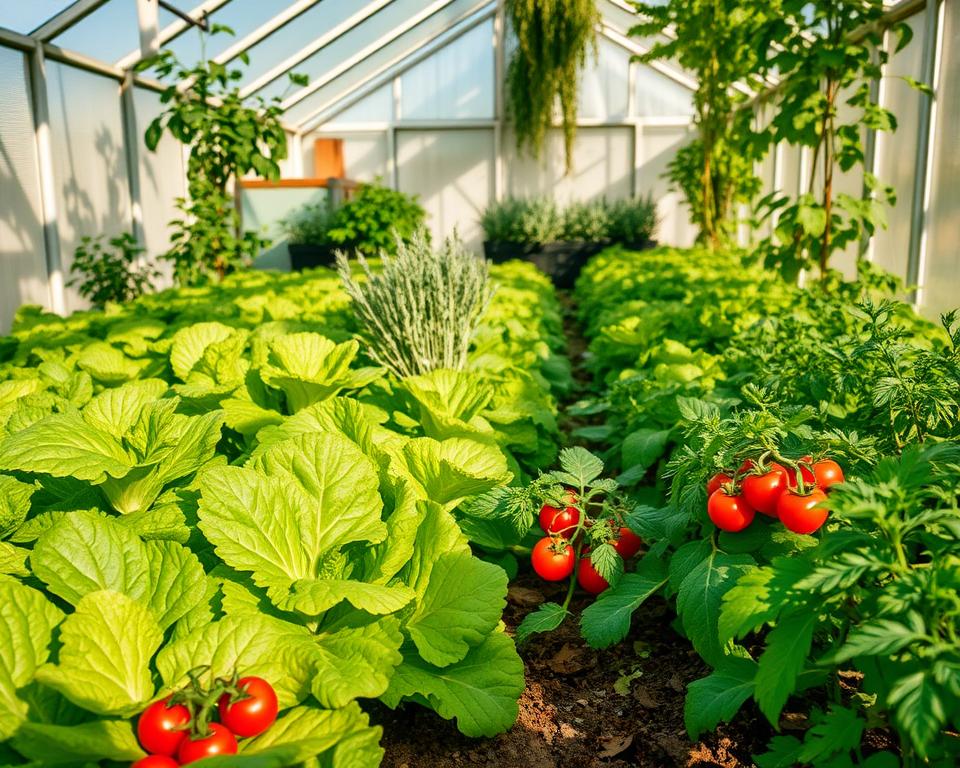
Lettuce stands out as an excellent choice for beginners. It grows rapidly in cooler temperatures, producing fresh leaves within weeks. Varieties like Romaine and Butterhead thrive in unheated structures.
Tomatoes represent the classic greenhouse crop, flourishing in the warm, protected setting. Cherry types offer reliable yields for novice gardeners. They require consistent watering and good soil conditions.
Herbs including basil, mint, and parsley provide versatile, low-maintenance options. They grow successfully in pots or borders, requiring minimal attention beyond regular moisture.
Varieties to Suit Every Season
Selecting the right varieties ensures continuous production. Quick-growing options like radishes deliver results within four weeks. Heat-loving plants such as peppers and cucumbers excel in summer conditions.
| Season | Recommended Crops | Key Requirements |
|---|---|---|
| Spring | Lettuce, spinach, radishes | Cool temperatures, moist soil |
| Summer | Tomatoes, peppers, cucumbers | Warmth, regular water, support |
| Autumn | Carrots, onions, garlic | Well-drained soil, protection |
| Winter | Herbs, celery, strawberries | Frost protection, limited light |
Each vegetable variety has specific needs regarding soil, water, and temperatures. Successful harvests come from matching plant preferences with seasonal conditions in the protected environment.
Essential Greenhouse Gardening Techniques
Effective greenhouse management hinges on precise regulation of temperature and moisture levels. These environmental factors directly influence plant health and productivity throughout the seasons.
Temperature Control Strategies
Maintaining optimal temperature represents the cornerstone of successful cultivation. Automatic roof vents provide intelligent cooling by opening when internal heat rises. This natural convection system prevents overheating during sunny periods.
Louvre window vents enhance air circulation significantly. They reduce humidity levels that encourage fungal diseases. Proper ventilation also distributes warmth evenly throughout the structure.
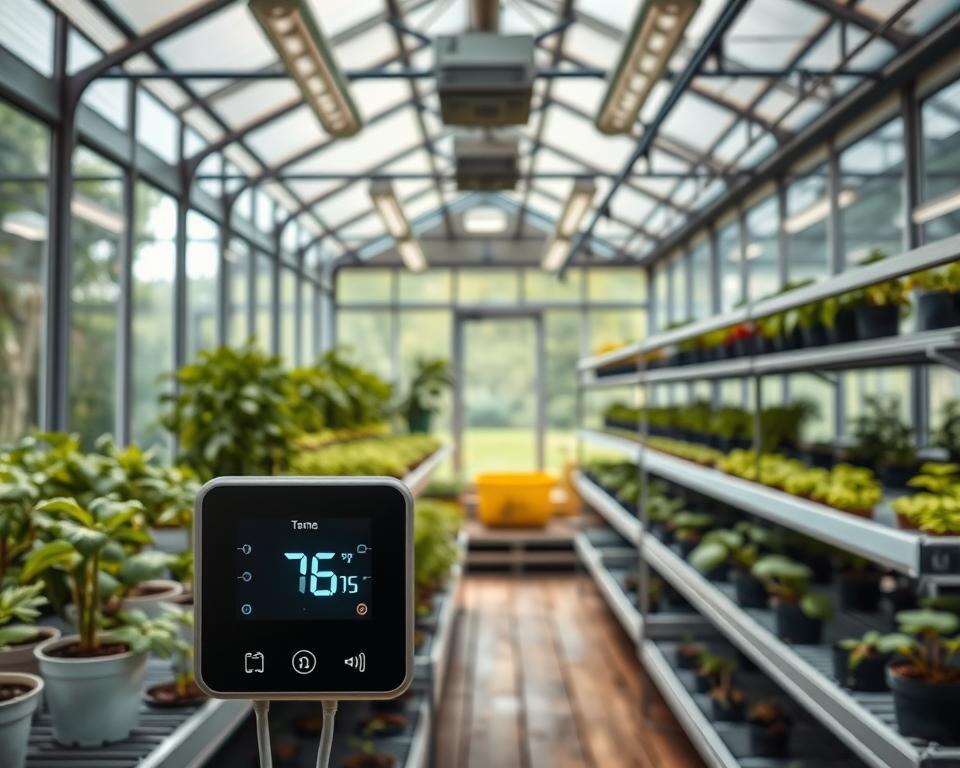
During colder months, greenhouse heaters become essential for tender specimens. Various options including electric fan heaters offer reliable frost protection. This extends the productive season considerably.
Watering and Drainage Best Practices
Watering practices require careful attention in the protected environment. Morning irrigation proves most beneficial for plant health. It provides daytime moisture while allowing foliage to dry by evening.
Proper drainage systems prevent waterlogging issues. All containers need adequate drainage holes. Gravel trays beneath pots facilitate excess water removal effectively.
Understanding individual plant requirements prevents common mistakes. Cucumbers prefer consistently moist soil conditions. Chillies need their growing medium to dry slightly between watering sessions.
Regular monitoring helps gardeners adjust practices seasonally. A reliable greenhouse thermometer provides essential data for managing both temperature and watering schedules effectively.
Seasonal Planting Strategies for Optimal Growth
Mastering seasonal rhythms transforms the glasshouse into a perpetual source of fresh produce. This approach ensures continuous harvests throughout the year by aligning planting schedules with natural cycles. Strategic planning prevents both scarcity and overwhelming abundance.
Spring and Summer Planting Tips
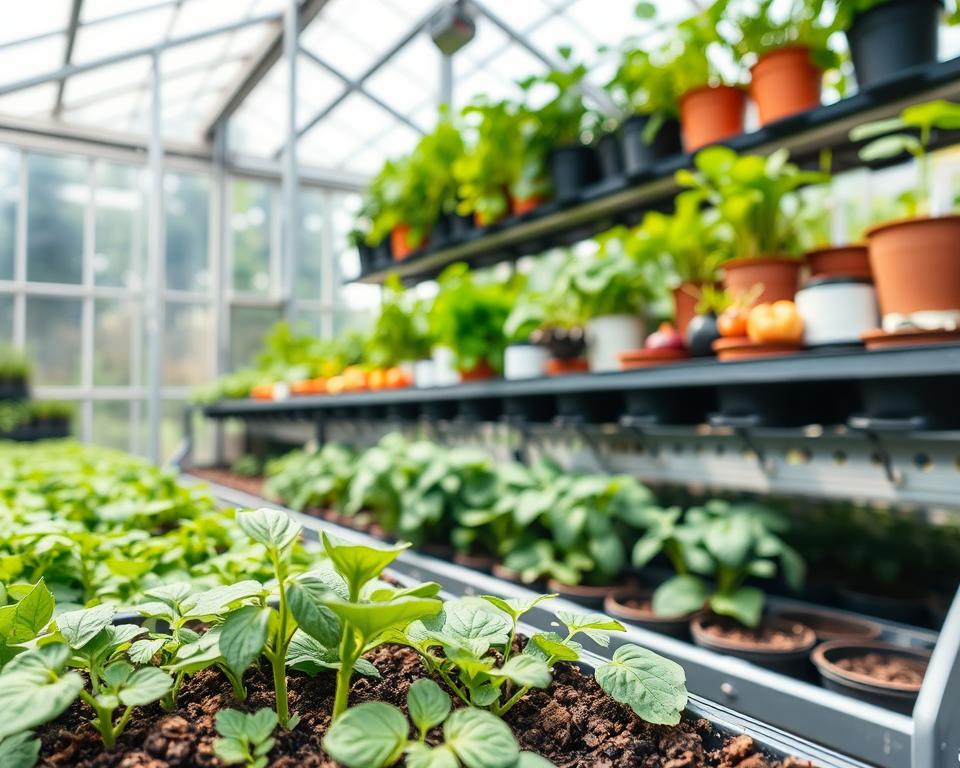
Spring represents the busiest planting time. March provides ideal conditions for sowing peppers, chillies, aubergines, spinach, and lettuce. These varieties establish well before summer heat arrives.
As temperatures stabilise in April and May, tender crops like cucumbers become suitable. Summer months allow for successive lettuce plantings and late-season tomatoes. Quick-maturing crops capitalise on warm conditions and extended daylight.
Understanding time requirements from sowing to harvest enables effective planning. Radishes mature in just four weeks, while peppers need several months. Succession planting every two to three weeks ensures continuous supplies.
Autumn and Winter Crop Scheduling
Autumn strategies focus on cold-hardy crops for winter harvests. Broad beans, garlic cloves, and overwinter lettuce varieties tolerate cooler temperatures. These plantings mature during the colder months.
Winter greenhouse growing concentrates on hardy vegetables like carrots, turnips, and Brussels sprouts. These withstand cold weather conditions when outdoor gardening proves impossible. Proper scheduling ensures fresh produce year-round.
Weather patterns influence optimal planting times. The UK’s mild seasons allow vegetables to grow in unheated structures during spring and autumn. Summer may require shading, while winter needs heating for tender species.
Efficient Greenhouse Setup and Accessories
Strategic organisation of the interior space transforms a simple glass structure into a highly efficient growing environment. The right accessories maximise productivity while maintaining an orderly workspace. Careful planning ensures every square metre serves a purpose.
Ventilation and Heating Solutions
Proper climate control is essential for plant health. Automatic roof vents provide intelligent temperature regulation. They open when heat builds up, preventing damage to delicate specimens.
Louvre windows enhance air circulation significantly. This reduces humidity levels that encourage fungal diseases. Consistent airflow distributes warmth evenly throughout the structure.
During colder months, heating systems become invaluable. Options range from basic electric heaters to advanced thermostatic controls. The table below shows suitable solutions for different structure sizes:
| Greenhouse Size | Ventilation Type | Heating Solution | Season Extension |
|---|---|---|---|
| Small (under 2m) | Manual roof vent | Soil warming cable | 2-3 months |
| Medium (2-4m) | Automatic vent opener | Electric fan heater | 4-6 months |
| Large (over 4m) | Louvre window system | Thermostatic heater | Year-round |
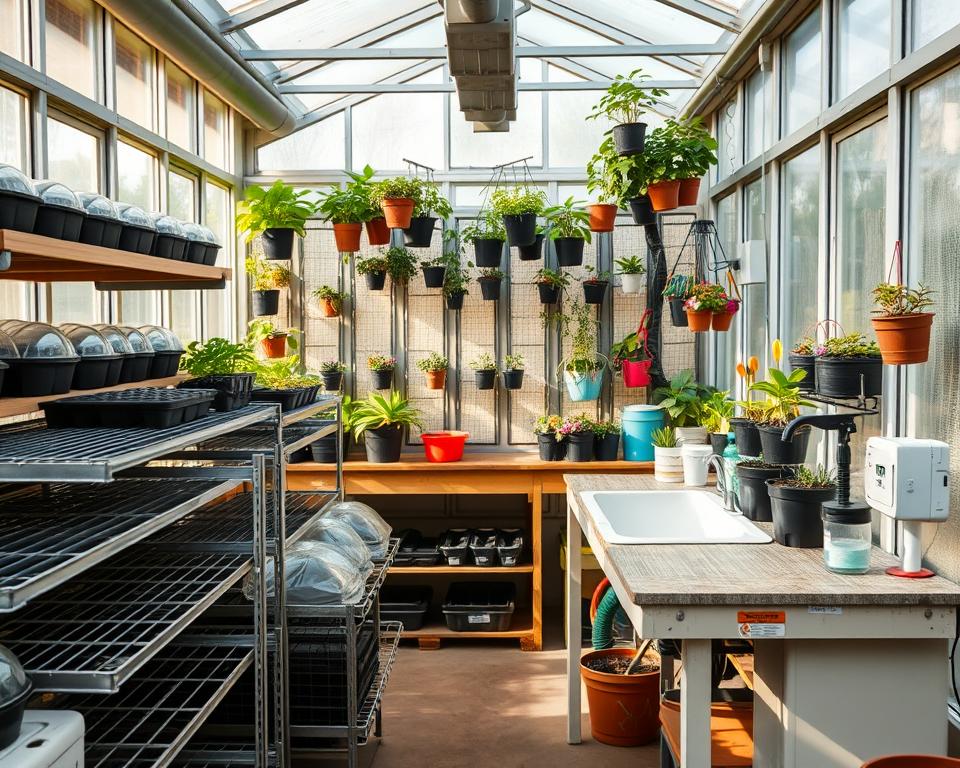
Utilising Potting Benches and Seed Trays
Potting benches create dedicated workstations for essential tasks. They provide comfortable working height for sowing seeds and transplanting seedlings. Organised storage keeps tools and supplies within easy reach.
Seed trays are indispensable for managing young plants efficiently. They allow gardeners to start numerous specimens in limited space. Consistent monitoring ensures optimal germination rates and early growth.
Staging units utilise vertical space effectively. Multiple levels accommodate seedlings and compact plants while floor space hosts taller crops. This approach maximises production within the available area.
Pest Management and Natural Control Methods
The enclosed nature of a greenhouse creates unique challenges for controlling unwanted insects. Warm, humid conditions that benefit cultivation also favour rapid pest population growth. Proactive management prevents minor issues from becoming major infestations.
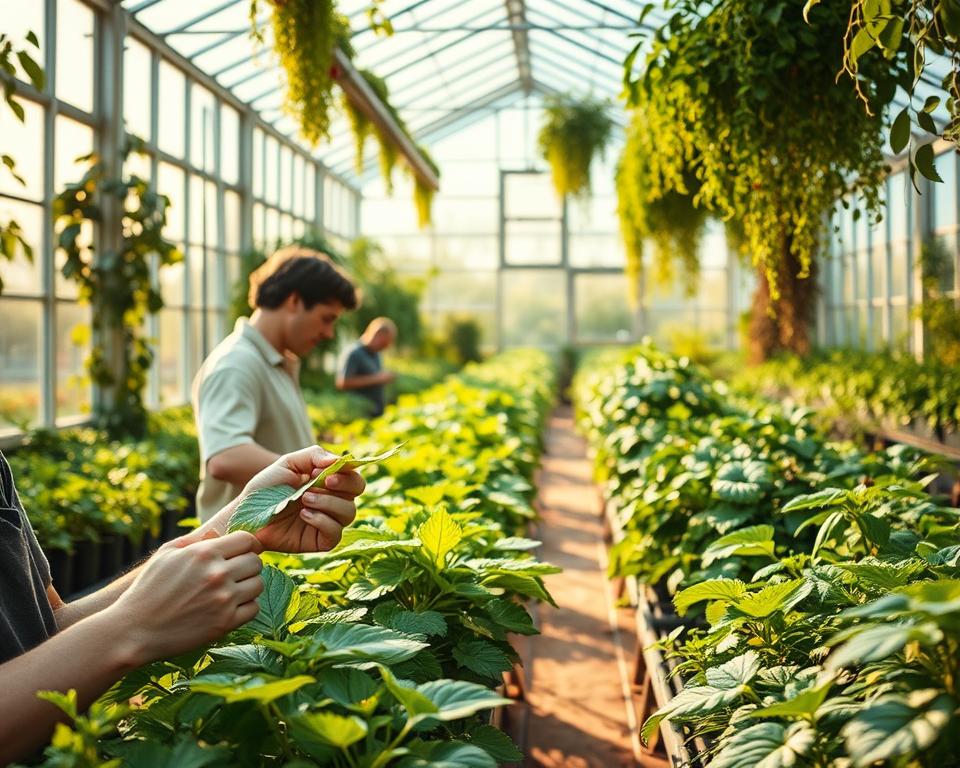
Several natural approaches effectively manage greenhouse pests without chemicals. Sticky traps provide simple monitoring and control for flying insects. Yellow cards attract whiteflies, aphids, and fungus gnats onto adhesive surfaces.
Sticky Traps and Beneficial Predators
Introducing beneficial predators offers sustainable biological control. Ladybirds naturally prey on aphids, maintaining ecological balance. This method requires no chemical interventions once established.
Companion planting enhances natural defence systems. Strongly-scented herbs like basil deter certain pests. Marigolds attract beneficial insects that prey on common greenhouse pests.
| Control Method | Target Pests | Effectiveness | Maintenance Level |
|---|---|---|---|
| Sticky Traps | Flying insects | High for monitoring | Low (monthly replacement) |
| Beneficial Predators | Aphids, mites | Medium to high | Medium (seasonal introduction) |
| Companion Planting | Various pests | Preventative | Low (initial setup) |
Regular Inspections and Cleanliness Practices
Regular inspection represents the most effective defence strategy. Examining leaves during routine maintenance reveals early warning signs. Discolouration, stippling, or webbing indicate pest activity.
Maintaining cleanliness prevents pest establishment. Remove dead leaves and spent plants regularly. Clean pots thoroughly between uses to eliminate disease transmission.
Quarantine new additions for two weeks before introducing them. Physical barriers like mesh screens over vents provide passive protection. These practices create a healthier growing environment for all specimens.
Maintaining the Ideal Greenhouse Environment
Successful greenhouse cultivation relies on maintaining optimal humidity and soil conditions throughout the seasons. The enclosed nature of these structures creates a unique growing environment that requires careful management.
Humidity Control and Soil Management
Humidity presents particular challenges in greenhouse environments. Enclosed structures naturally trap moisture that can promote fungal diseases if levels become excessive. Different crops have specific humidity preferences for healthy growth.
Cucumbers thrive at higher humidity around 70-80%, while tomatoes prefer drier conditions below 65%. Louvre window vents create essential air circulation patterns. They allow moisture-laden air to escape while drawing in drier external air.

Soil management demands equal attention in these protected garden spaces. Container-grown plants rely entirely on the provided growing medium. Regular additions of compost maintain fertility levels and support vigorous growth.
Maintaining loose, friable soil structure ensures proper root development and drainage. Gardeners should test soil pH periodically, as most vegetables prefer slightly acidic to neutral conditions between pH 6.0-7.0.
Monitoring devices like thermometers and hygrometers provide essential data about greenhouse conditions. Consistent maintenance routines prevent gradual degradation of the growing environment. Regular small adjustments prove more effective than dramatic interventions after problems develop.
Expert Advice for Year-Round Greenhouse Production
Expert greenhouse cultivation focuses on maximising productivity across all four seasons through careful environmental management. This comprehensive guide demonstrates how to achieve continuous harvests despite Britain’s variable weather patterns.
Extending the Growing Season in British Weather
The fundamental distinction between heated and unheated structures determines cultivation possibilities. Heated versions enable tender crops during winter, while unheated models extend seasons for hardy vegetables.
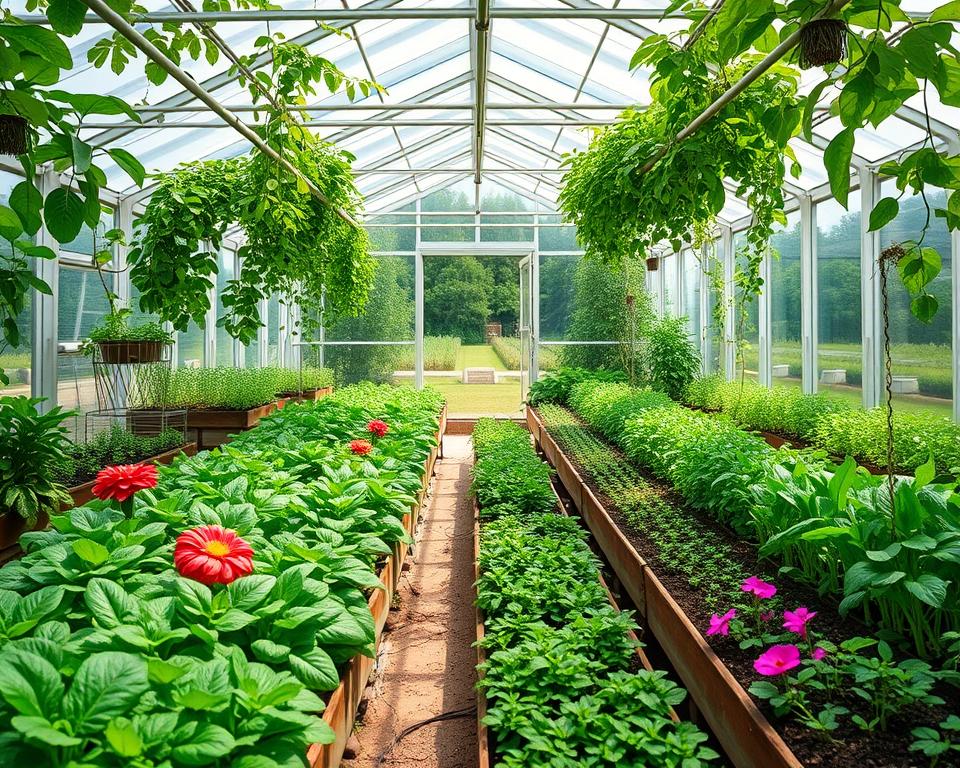
Strategic crop sequencing prevents productivity gaps throughout the year. Cool-season varieties occupy space during winter and spring before transitioning to heat-loving types for summer and autumn.
British weather significantly influences management strategies. Wet winters demand attention to ventilation and humidity control. Hot summers require shading and increased watering to prevent plant stress.
Selecting appropriate varieties ensures success in protected cultivation. Many vegetables have been specifically bred for greenhouse growing with compact habits and disease resistance.
Lean-to structures offer excellent options for smaller gardens. They benefit from radiated heat while requiring less space than freestanding models.
Expert advice emphasises starting with reliable varieties before progressing to challenging crops. This approach builds confidence while establishing efficient management routines.
Conclusion
Embarking on greenhouse cultivation offers gardeners a rewarding pathway to year-round fresh produce. This comprehensive guide has demonstrated how even beginners can achieve success by starting with accessible crops like lettuce and herbs.
The protected environment allows for experimentation and learning. Every gardening journey involves valuable lessons from both successes and setbacks. Starting seeds with easy varieties builds confidence quickly.
With proper planning and the right techniques, any garden space can become productive. The time invested in learning temperature control and soil management pays dividends through increased yields. Fresh vegetables become available throughout the seasons.
Greenhouse gardening transforms how we approach growing food. It provides a sheltered space where diverse crops can flourish. The satisfaction of a bountiful harvest makes the effort truly worthwhile.
FAQ
What are the easiest vegetables to grow in a greenhouse for beginners?
Beginners often find success with lettuce, radishes, and herbs like basil. These crops are relatively forgiving, have a short growing time, and adapt well to the protected greenhouse environment. Starting with these can build confidence before moving to more demanding varieties like tomatoes or peppers.
How can one control the temperature inside a greenhouse during summer?
Effective temperature control in summer involves several strategies. Adequate ventilation is crucial, using roof vents and side louvers. Shading with blinds or specialist paint can reduce heat. Automatic vent openers are a popular accessory that responds to temperature changes without manual intervention.
What crops can be grown in a greenhouse over the winter months?
A greenhouse allows for winter cultivation of hardy vegetables. Suitable crops include winter lettuce, spinach, kale, and certain varieties of carrots and onions. For growth during the coldest weather, some form of heating, such as a thermostatically controlled electric heater, may be necessary.
How often should plants in a greenhouse be watered?
Watering frequency depends on the plant variety, season, and weather. It is essential to check soil moisture regularly rather than adhering to a rigid schedule. During hot summer days, daily watering might be needed, while in winter, watering requirements reduce significantly. Good drainage is equally important to prevent waterlogging.
What are some natural methods for managing pests in a greenhouse?
Natural pest management includes introducing beneficial predators, like ladybirds for aphids. Sticky traps can monitor and control flying insects. Maintaining cleanliness by removing plant debris and regularly inspecting leaves helps prevent infestations. Good ventilation also discourages many pests.
Can a greenhouse be used for gardening year-round in the UK?
Yes, a greenhouse enables year-round gardening in the UK. It protects plants from harsh weather, extending the growing season significantly. By selecting the right varieties for each season and utilising heating and lighting accessories, gardeners can harvest fresh produce throughout the year.