How To Make Your Back Garden A Hub For Wildlife
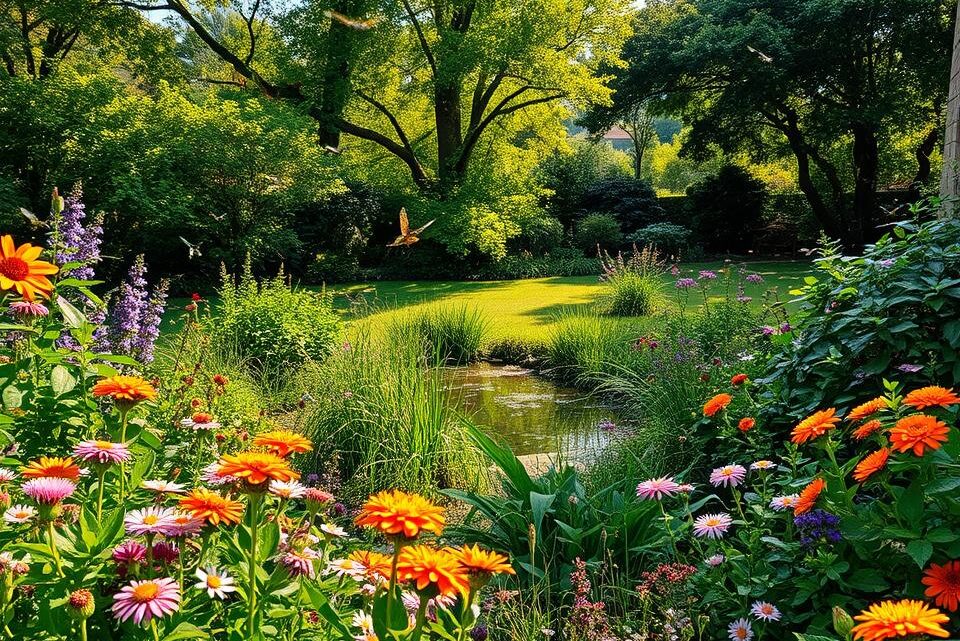
Across Britain, residential gardens form a vast, interconnected landscape. This network of green spaces covers an area more than twice the size of all national nature reserves combined. This fact reveals a significant opportunity for conservation efforts.
Currently, over half of Britain’s species face population declines. One in seven is threatened with extinction. These spaces are therefore becoming essential for supporting local biodiversity.
Every outdoor area holds potential. A spacious lawn, a compact balcony, or a small paved yard can be transformed. Thoughtful design choices allow these spaces to offer food, shelter, and water. This practice of wildlife gardening provides crucial support for nature.
The benefits extend beyond conservation. Homeowners gain a chance to connect with the natural world. They can observe visiting species and contribute positively to the environment.
Inhaltsverzeichnis
Key Takeaways
- British gardens collectively represent a critical habitat network.
- Many species are in decline, making garden spaces vital for conservation.
- Even small outdoor areas can be adapted to support wildlife.
- Providing food, shelter, and water are fundamental to success.
- Creating a wildlife-friendly space offers rewarding opportunities to observe nature.
Introduction: Welcoming Wildlife to Your Garden
Transforming outdoor spaces into wildlife havens requires surprisingly little effort or expertise. This accessible conservation action benefits local ecosystems regardless of plot size or gardening experience. Every contribution matters in supporting biodiversity.
The fundamental principle involves understanding essential resources British species need. These include year-round food, protective shelter, clean water, and safe breeding environments. A well-planned wildlife garden addresses all these requirements.
Even modest adjustments to garden management can yield significant benefits. Simple changes support pollinating insects, songbirds, and small mammals. These small ways to make a difference accumulate into meaningful ecological contributions.
The journey need not be overwhelming. Implementing just one wildlife-supporting feature begins creating measurable difference to local biodiversity. Professional advice helps gardeners choose interventions suited to their specific conditions.
Rewards extend beyond conservation benefits. Homeowners gain opportunities to observe natural behaviours and seasonal changes. This connection with nature offers therapeutic effects alongside environmental contributions.
By adopting wildlife-friendly practices, individuals join a nationwide movement. Collective efforts create vital corridors across fragmented landscapes. Together, these spaces enable species to move, feed, and breed successfully.
Embrace Natural Growth and Wildflower Planting
A simple yet profound shift in gardening philosophy involves embracing the beauty and ecological function of native flora. This approach centres on selecting plants that offer genuine support to local wildlife, moving beyond purely aesthetic considerations.
Benefits of Native Wildflowers
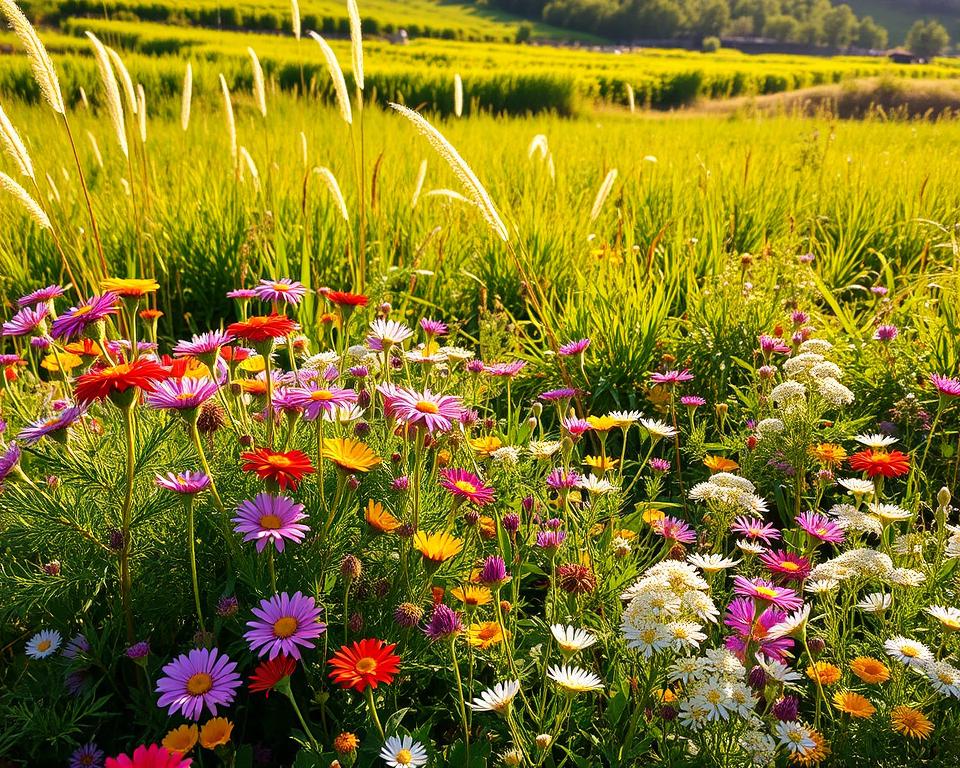
Native flowers like forget-me-not, red campion, and foxglove are exceptional choices for wildlife gardening. They have evolved alongside British pollinators, providing perfectly accessible nectar and pollen.
These plants sustain bees and butterflies throughout their bloom. In contrast, many popular bedding flowers, such as pansies, often have little nutritional value for these vital insects.
Allowing Your Lawn to Grow Naturally
Reducing mowing frequency transforms a lawn into a valuable habitat. Plants like clover and daisies, often considered weeds, are actually crucial resources.
They offer food and shelter for numerous insects. This, in turn, creates a rich food source for birds and small mammals. Even a small unmown patch can make a significant difference to local wildlife.
Avoiding chemical treatments is essential. Pesticides harm the very plants and insects that form the foundation of a healthy garden ecosystem, supporting everything from bees to hedgehogs.
How To Make Your Back Garden A Hub For Wildlife
Biodiversity represents the cornerstone of ecological resilience within any managed outdoor environment. A rich variety of life forms creates stability and ensures the space can support numerous species throughout seasonal changes.
The Importance of Creating a Biodiverse Habitat
Establishing a varied habitat supports multiple trophic levels, from soil organisms to mammals. This complexity allows different species to find their specific needs within the same space.
Beyond supporting wildlife, biodiverse spaces provide essential ecosystem services. They improve water quality through natural filtration and absorb carbon to mitigate climate impacts. Enhanced soil permeability also reduces flooding risks.
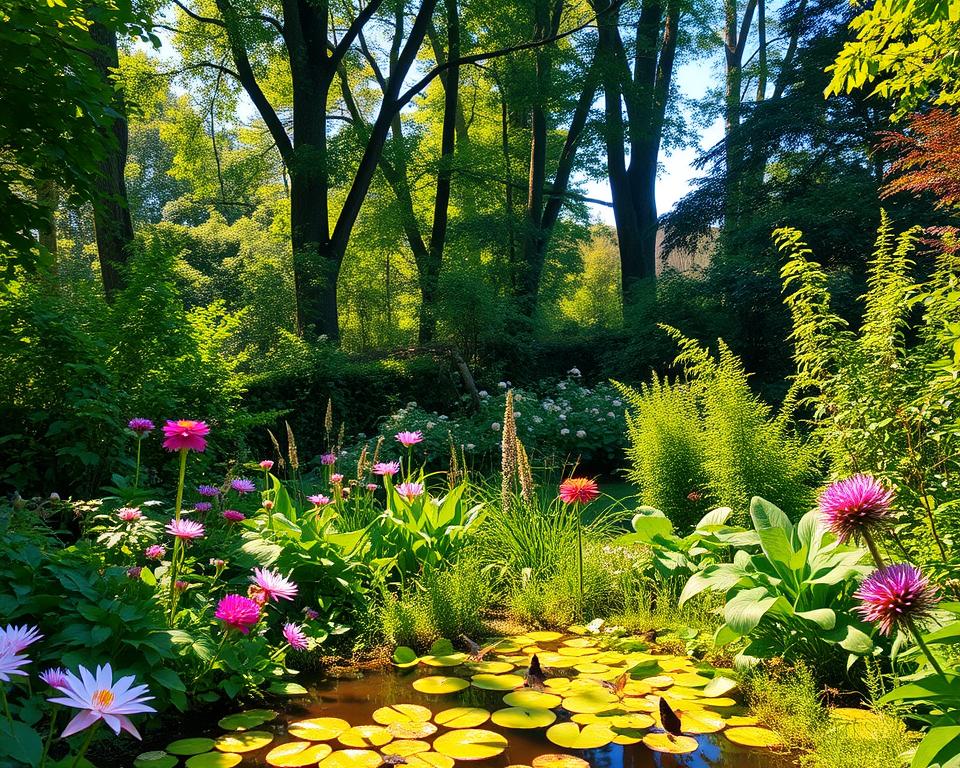
Attracting Insects and Birds with Thoughtful Design
Successful garden design recognises that different creatures require distinct resources. Providing structural diversity through varied vegetation heights accommodates more species.
Attracting insects requires a succession of flowering plants offering nectar throughout the growing season. These populations then support birds, bats, and small mammals.
Birds benefit from designs incorporating insect-rich vegetation, seed-producing plants, and berry-bearing shrubs. Thoughtful planning ensures year-round food availability for visiting wildlife.
Every planting choice contributes to whether a space functions as a conservation hotspot or ecological desert. Small decisions collectively determine the habitat‘s overall value to local species.
Planting Trees and Shrubs for Habitat and Cover
Integrating trees and shrubs into an outdoor space represents a powerful step towards ecological enrichment. These structural plants form the backbone of a thriving habitat, offering essential resources for a wide array of creatures.
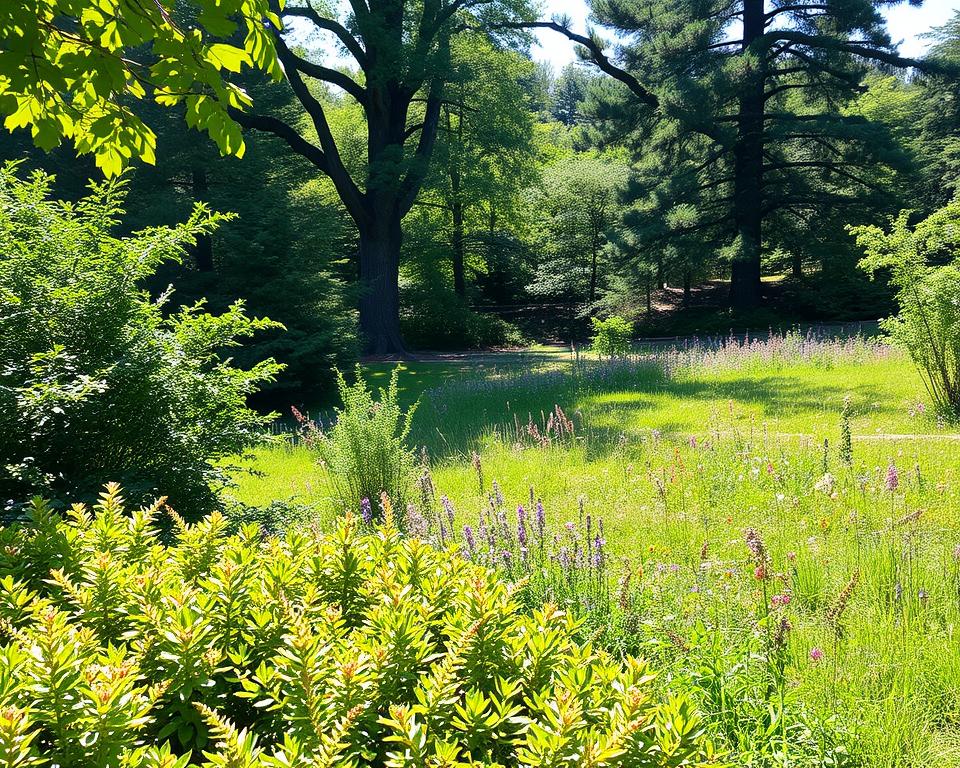
They provide vital cover from predators and harsh weather, alongside nesting opportunities and foraging grounds. This investment in vertical structure transforms a simple garden into a complex, multi-layered ecosystem.
Choosing Native Species for Maximum Impact
Selecting native trees and shrubs yields the greatest benefits for local wildlife. These species have evolved alongside British fauna, creating deep ecological connections.
For example, a silver birch supports over 300 insect species. Its seeds feed birds, and its trunk offers nesting cavities. Wild cherry is another excellent choice, providing nectar, leaves, and fruits that sustain birds and mammals.
Even compact spaces can host smaller native trees like dogwood or dog rose. These plants feed insects, mammals, and birds.
Creating a Layered Canopy for Birds and Mammals
Aim for a varied structure with different heights. Tall trees provide high perches and nesting for birds like long-tailed tits. Mid-level shrubs create dense cover.
This layered approach accommodates the needs of various mammals and birds. Wrens and dunnocks thrive in low, thick vegetation. This diversity ensures the space supports wildlife throughout the year.
With the UK’s tree cover significantly below the European average, every garden contribution matters. Planting native trees and shrubs addresses this deficit directly.
Designing Cosy Wildlife Homes in Your Garden
Installing dedicated wildlife structures offers immediate habitat solutions for visiting species. These purpose-built homes provide essential shelter that encourages creatures to establish permanent residence rather than simply passing through.
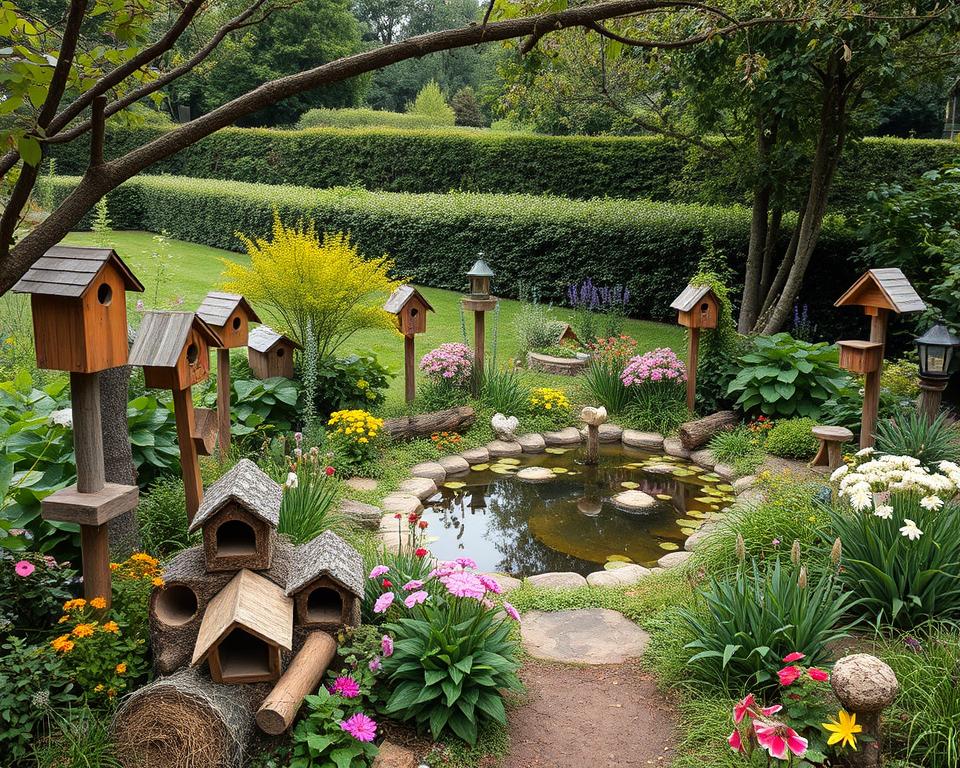
Ready-made or DIY constructions address specific needs for different wildlife. They create safe spaces for nesting, hibernation, and breeding throughout the seasons.
Building and Installing Bird Boxes and Bug Hotels
Bird boxes serve cavity-nesting species struggling to find natural sites. Different entrance hole sizes attract specific birds from blue tits to larger varieties.
Strategic placement maximises occupation rates. Boxes should face between north and east to avoid harsh weather. This positioning creates ideal conditions for successful nest building.
Bug hotels constructed from natural materials provide hibernation sites for beneficial insects. Solitary bees, ladybirds, and lacewings support garden ecosystems through pollination and pest control.
DIY Projects for Hedgehog Houses and Frog Pots
Hedgehog houses offer critical shelter for these declining mammals. They provide safe locations for resting, hibernation, and breeding away from urban hazards.
Frog pots and amphibian shelters create damp refuges near water features. These protected spaces allow frogs, toads, and newts to rest safely.
Even badgers may visit gardens with suitable habitat. Combining multiple home types creates a comprehensive refuge network supporting diverse species.
| Wildlife Home Type | Target Species | Key Benefits | Optimal Placement |
|---|---|---|---|
| Bird Boxes | Cavity-nesting birds | Safe nesting sites | North-east facing, 2-4m high |
| Bug Hotels | Solitary bees, beneficial insects | Hibernation shelter | Sunny, sheltered location |
| Hedgehog Houses | Hedgehogs | Breeding and hibernation | Quiet, hidden spots |
| Bat Boxes | Bats | Roosting sites | South-facing, warm aspect |
DIY projects enable gardeners to construct bespoke structures using available materials. These activities provide satisfying opportunities to deepen connections with local wildlife.
Incorporating Water Features for All Species
Providing access to clean water represents one of the most impactful conservation actions. These aquatic features support an extraordinary diversity of life.
Simple Water Sources for Birds and Amphibians
Even basic water provisions deliver significant benefits. A shallow dish offers drinking and bathing opportunities for birds and small mammals.
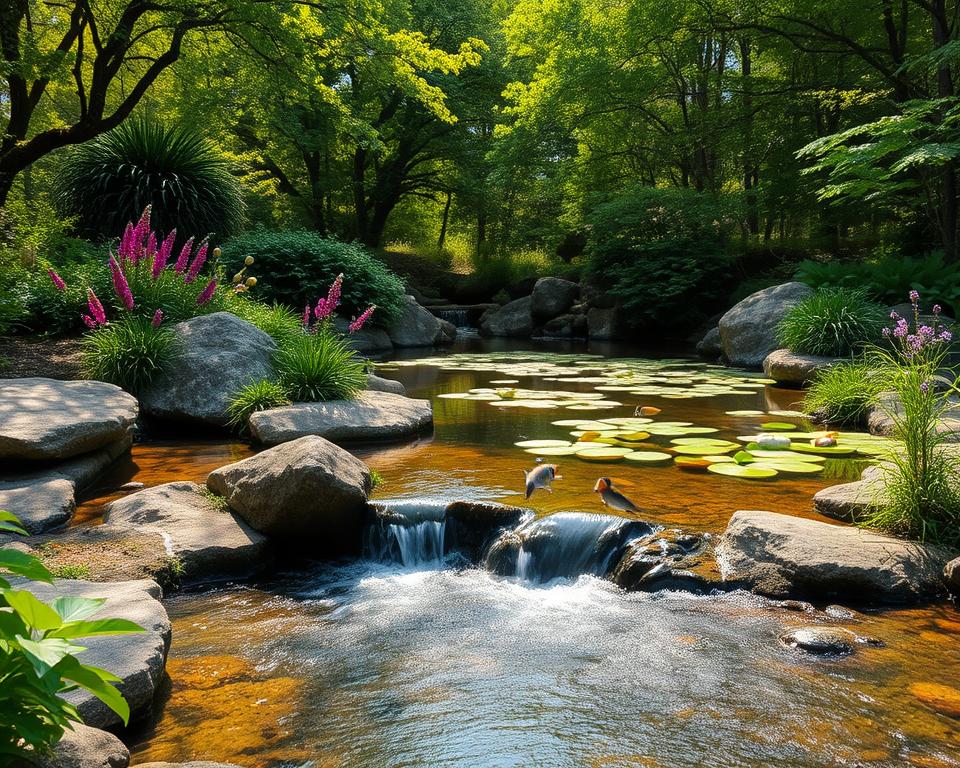
Full-sized ponds create complete aquatic ecosystems. They support insects, amphibians, and attract predators like bats that feed on emerging insects.
Pond construction need not be complex. Converting an old washing-up bowl into a sunken mini-pond creates functional habitat with minimal investment.
Maintaining Your Water Feature Throughout the Seasons
Year-round maintenance ensures water quality. Regular cleaning prevents deterioration, while consistent topping-up addresses evaporation.
Essential design features include shallow sloping edges. These prevent animals from becoming trapped while accommodating different species preferences.
Positioning near vegetation provides protective cover. Gardeners should avoid introducing fish as they predate native amphibians and insect populations.
Providing Nutritious Food Sources for Garden Visitors
Strategic feeding practices create immediate connections between residential spaces and local fauna. Offering supplementary food represents one of the most effective ways to attract diverse wildlife while providing essential nutritional support.
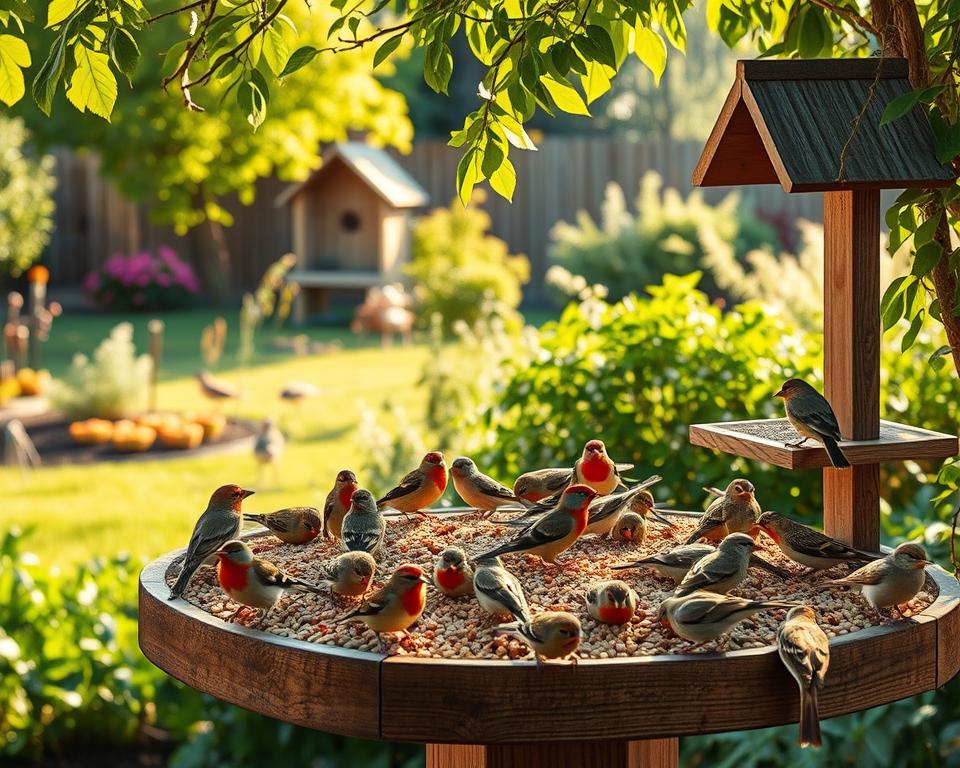
Feeding Common Birds with Seeds and Nuts
Simple feeding stations offering seeds and nuts attract common garden birds including goldfinches, blue tits, and robins. Different seed types appeal to specific species—niger seeds suit goldfinches while sunflower hearts attract numerous bird varieties.
Beyond standard avian feeding, targeted provisions can support less common visitors. Mealworms entice badgers and insectivorous species, while fruit attracts foxes and specialised kibble helps declining hedgehogs.
Supplementary feeding proves particularly valuable during harsh weather when natural food becomes scarce. It also supports breeding seasons when adults require abundant resources.
Responsible practices ensure wildlife maintains natural foraging behaviours. Moderate feeding frequency encourages continued wild food utilisation rather than dependency.
Monitoring consumption helps gardeners ensure their efforts benefit target species. This prevents inadvertently supporting domestic pets or overabundant animals.
Adopting Sustainable Gardening Practices
Moving away from synthetic treatments marks a crucial evolution in habitat management philosophy. This approach prioritises ecological health over cosmetic perfection.
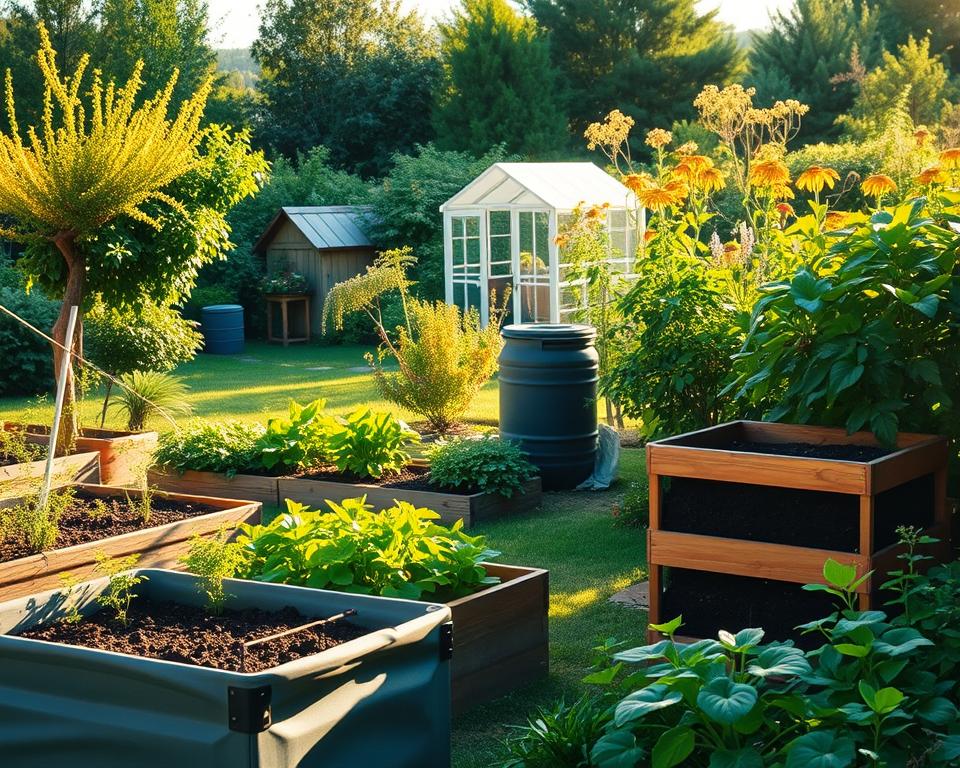
Chemical pesticides and herbicides damage habitats and reduce biodiversity. Their widespread use contributes to insect population declines across Britain. Natural methods protect all living creatures.
Avoiding Chemicals and Pesticides
Organic alternatives like seaweed feed nourish plants safely. Companion planting deters pests naturally. These methods support rather than harm local ecosystems.
Compost heaps provide nutrient-rich soil and shelter for creatures. Decaying matter returns nutrients to the ground naturally. This process sustains the garden’s health.
Leaving natural piles of leaves and branches creates valuable habitat. These piles offer cover for insects and hedgehogs. Fallen timber supports diverse fungal communities.
This sustainable gardening approach accepts some plant damage as natural. It indicates a functioning ecosystem where insects feed birds and amphibians. Every small change contributes to wildlife conservation.
Creating a Connected and Accessible Outdoor Space
Creating wildlife corridors between neighbouring properties significantly enhances conservation outcomes. Many species require access to multiple green spaces to find adequate resources and mates.
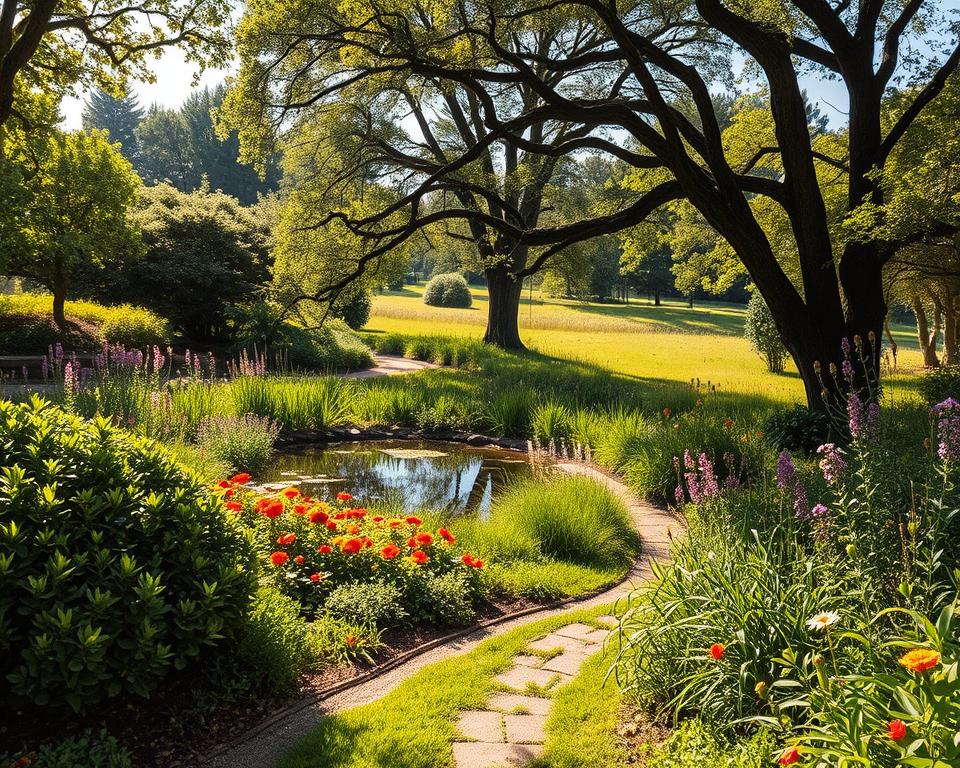
Enhancing Connectivity with Neighbouring Habitats
Garden connectivity represents a critical aspect often overlooked in conservation planning. Many creatures need to move between properties to secure their survival. This approach creates a functional network rather than isolated patches.
Hedgehogs exemplify this need perfectly. They require territories spanning 10-20 hectares—far beyond typical garden sizes. Creating access points enables these mammals to navigate their required range safely.
Simple modifications make a substantial difference. Cutting small holes in fence panels or excavating shallow tunnels beneath boundaries provides essential passageways. Positioning these near corners offers discreet access points for various wildlife.
This principle mirrors successful rewilding projects where connected habitat delivers greater benefits than fragmented areas. When gardens function as linked networks, they support species that would struggle in single, disconnected place.
Discussing connectivity initiatives with neighbours can inspire broader participation. Entire streets can become wildlife-friendly networks. This collective approach transforms residential areas into vital corridors for local biodiversity.
Optimising Garden Space for Year-Round Wildlife Support
Effective habitat management involves planning for seasonal changes to support wildlife throughout the year. This approach ensures continuous resource availability across all seasons.
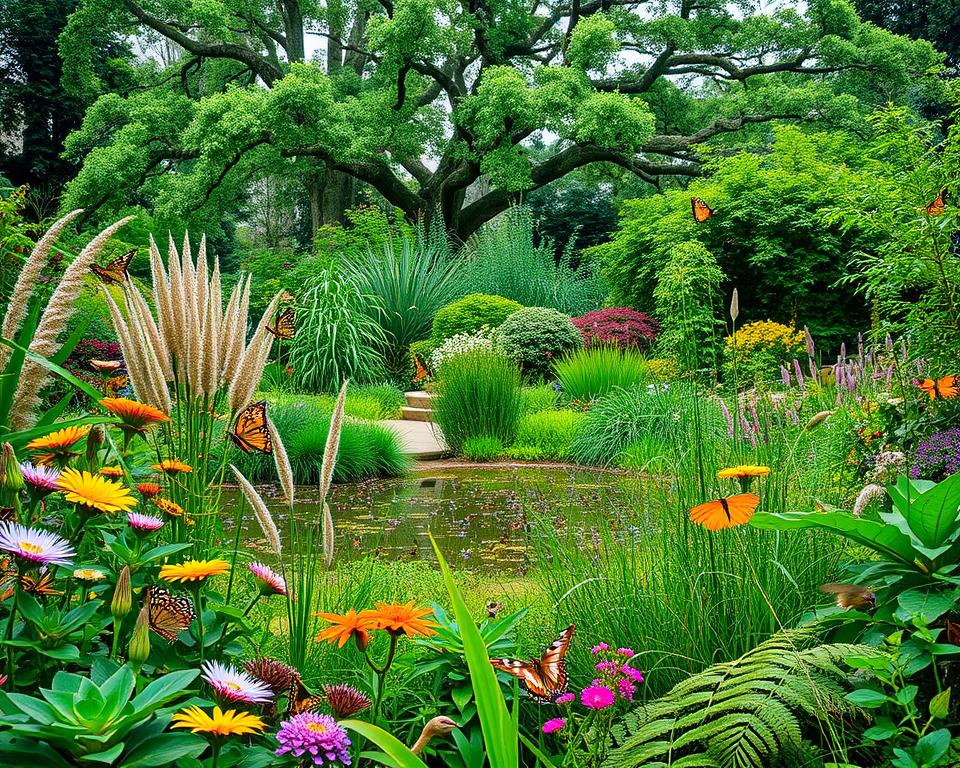
Seasonal Tips for a Thriving Wildlife Garden
Strategic plant selection creates sequences of flowers and seedheads that change weekly. This provides continuous nectar, pollen, seeds, and berries. Pollinator-friendly plants like clover, lavender, and snowdrops support spring and summer activity.
Britain’s 24 bumblebee species require diverse pollen sources across all seasons. Evergreen plants like holly offer winter shelter for insects. In autumn, leaving seedheads on stems provides critical food for sparrows and finches.
Garden maintenance requires careful timing. Before cutting back vegetation or clearing waste, check for sheltering animals. Bonfire piles need thorough inspection before lighting, giving wildlife time to escape.
Regular surveys help track changes and demonstrate conservation impact. This practical advice transforms any outdoor space into a valuable habitat that supports nature throughout the year.
Conclusion
Personal outdoor areas present remarkable opportunities for meaningful environmental contributions. Even modest spaces can make a difference to local biodiversity through thoughtful planning.
The comprehensive range of strategies available ensures there are multiple ways for every gardener to participate. Following sound advice helps create habitats that support diverse wildlife populations.
Success comes from incremental improvements rather than perfection. Observing which species visit the garden provides valuable feedback for adapting management practices.
Sharing experiences and advice with neighbours amplifies conservation impact. Connected green spaces create vital corridors for wildlife movement across urban landscapes.
Ultimately, every garden contributes to preserving Britain’s precious nature. The rewards include deeper connections with the natural world and tangible conservation achievements.
FAQ
Can I really make a difference for wildlife in a small garden?
Absolutely. Even the smallest outdoor space can provide vital habitat. A window box with nectar-rich flowers helps bees, while a compact pond can support amphibians. The key is to offer a range of features like food, water, and cover.
What are the best native plants for attracting butterflies and bees?
Excellent choices include lavender, buddleia, and foxgloves for nectar. For caterpillars, plant species like bird’s-foot-trefoil and nasturtiums. A variety of flowering plants that bloom at different times ensures a consistent food source.
How can I provide a home for hedgehogs in my garden?
Create a quiet, sheltered spot with a purpose-built hedgehog house or a simple pile of logs and leaves. Ensure there is a small gap in your fence (13cm x 13cm) so they can roam between gardens to find food and mates.
Is a pond necessary for a wildlife garden?
While not essential, a pond is incredibly beneficial. It provides drinking water for birds and mammals and breeding grounds for frogs, newts, and dragonflies. Even a shallow dish or a sunken container can make a significant difference.
What should I avoid to make my garden safer for wildlife?
Avoid using pesticides and herbicides, as these harm the insects that form the base of the food chain. Also, check for hedgehogs before using a strimmer or mower, and cover drains or deep water butts to prevent animals from falling in.
When is the best time of year to start a wildlife garden?
You can begin at any time. Autumn is ideal for planting trees and shrubs, while spring is perfect for sowing wildflower seeds. Providing food and water is a year-round commitment that supports creatures through every season.