Description
Gazebos special offers for timber, steel and aluminium garden shelters, from folding party frames to fixed roof designs, with space-saving shapes, shade control and clear choices for patios, lawns and event corners.
Frames with a purpose, not just a roof
A gazebo is more than a garden cover; it sets the tone of a space. In this category, the special offers bring together different forms that change how an outdoor area feels and works. Some are light and quick to position, others are more solid and stay put through the season. A few lean towards sociable gathering, while others create a quieter corner with a stronger sense of shelter. The differences show up in the frame, the roof line, the side panels and the footprint, so it pays to look at what each shape is doing before choosing. Small space. Big presence. Quietly useful.
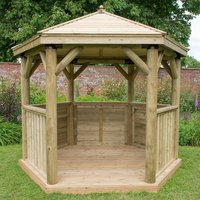
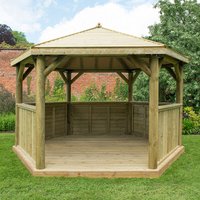
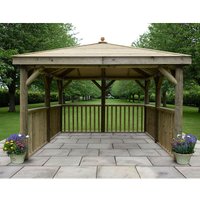
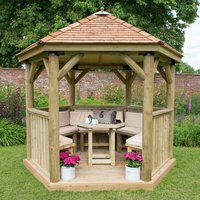
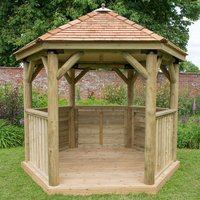
You will see hexagonal gazebo structure options that draw people inward, rectangular garden pavilion styles that suit long tables and straight-edged patios, and pop up canopy gazebo designs that are made for easy placement and a lighter feel. These are not the same thing in use, even if they share the same garden purpose. Shape changes the way guests sit, how furniture fits, and how much room is left to move around. A square frame often feels tidy and compact, while a hexagonal one can soften the layout and create a more enclosed centre.
Shapes that change the mood
Gazebos come in several familiar forms, and each one brings its own visual rhythm. Round and octagonal designs are often chosen for a softer outline, with flowing edges that sit easily beside planting or open lawn. Square and rectangular versions feel more structured, which works well if you want to line them up with paving, decking or a dining set. Wall-mounted styles can sit close to a house or outbuilding, while freestanding models stand alone as a clear feature in the garden. The shape is not only about looks; it affects how the shelter is used.
- Hexagonal and octagonal: more inward-facing, with a gathered, social layout
- Rectangular and square: easier to pair with tables, benches and straight paths
- Freestanding: placed anywhere with enough ground space and anchoring
- Wall-mounted or lean-to: keeps one side open, which changes airflow and access
- Pop-up or folding: quicker to position and more temporary in character
For example, a rectangular gazebo can suit a narrow terrace better than a round frame, because it follows the line of the area without wasting corners. A hexagonal gazebo, by contrast, often feels more like a little room in the open air. It draws the eye to the middle, which can be useful if the aim is to create a focal point rather than a passage. Small difference, big shift.
Soft tops, hard roofs, and the feel above you
The roof matters as much as the frame. In special offer ranges, you may find soft-top gazebos with fabric canopies, semi-permanent textile roofs, and hardtop designs with solid panels. These are not just material choices; they alter the whole feel of the shelter. A soft canopy can look lighter and less formal, with a relaxed line that suits casual seating. Hardtop versions carry more visual weight and often feel more architectural, almost like a garden room without walls.
A fabric roof gazebo usually has a gentler appearance and can be easier to place visually in a planted setting. A polycarbonate roof shelter tends to read as firmer and more built-in, with a more defined outline. Some offers also include double-roof forms, where a raised top section supports air movement and gives the structure a layered silhouette. This can change the look a lot, even before you think about function. The roof line, the trim and the angle all add character.
If you want an open, airy feel, a soft-top canopy may suit the scene. If you want a more substantial outline, a hardtop frame usually brings more presence. Neither is simply better; they do different jobs. One softens the garden, the other marks it out. Both can work with the right setting, but they speak a different design language.
Materials that say something without shouting
The material of the frame shapes both appearance and use. Timber gazebos often have a warm, natural note that blends with planting and traditional garden layouts. Steel frames bring a firmer line and can suit stronger architectural spaces. Aluminium is lighter in feel and often gives a cleaner, more streamlined impression. Each option has its own visual behaviour, and that matters when the gazebo becomes part of a wider outdoor plan.
Wooden outdoor shelter designs tend to sit comfortably near borders, fences and pergolas because the texture feels rooted in the garden. Metal-framed versions can look crisper and more defined, especially in modern settings with stone, porcelain paving or simple furniture. Some gazebos mix materials, which creates a useful contrast: a metal frame with a fabric top, or a timber look with a more structured roof. The difference is not only in strength or weight; it is in the way the structure speaks to the rest of the space.
A lighter frame can be easier to move or position, while a heavier one often feels more settled once in place. A neat finish suits a restrained garden scheme, while a more textured frame fits better where the planting is loose and layered. Choose by the lines you already have outside, not by the label alone.
Special offers with practical variety
In a special offers category, the value is often in the variety itself. You may find gazebos suited to family dining, quiet seating, garden parties or simple shade over a hot patio. Some are open-sided, which keeps the space breezy and accessible. Others include side curtains or panels, which create a more enclosed feel and help define the edge of the shelter. The category can also include compact sizes for smaller plots and larger spans for wider entertainment areas.
- Open-sided styles for easy movement and an unfussy look
- Side-panel gazebos for a more sheltered outline
- Compact frames for courtyards, terraces and smaller lawns
- Larger event gazebos for wider seating or dining arrangements
- Decorative roof lines that give the garden a stronger focal point
These differences are worth noting because gazebo space is often used in more than one way. A shelter for a small breakfast setting will not behave the same as one intended for a row of chairs or a long serving table. Look at the proportions first. A large frame in a tight area can feel heavy, while a very small one can seem lost on a broad lawn. The balance should look settled, not forced.
Where one type fits and another doesn’t
Not every gazebo shape suits every outdoor layout. A square or rectangular shelter usually sits neatly against straight edges and built features. It can follow a patio line without leaving awkward gaps. A round or polygonal frame often works better where the garden has a more open centre, because it creates a point of interest rather than echoing boundary lines. If the area is narrow, the footprint matters even more, as a bulky frame can make circulation awkward. If the space is open, the gazebo can carry more visual weight without crowding the rest.
A free standing patio gazebo can mark a zone clearly, giving furniture a fixed social space. A garden party marquee style shelter is usually more temporary in spirit, even if the form is still gazebo-like. A corner gazebo canopy can sit differently again, making use of a tucked-away patch that might otherwise go unused. Each version changes how people move towards it and around it. That is the quiet difference many buyers notice only when they place it outside.
If the setting has strong lines already, such as decking boards or brick edges, a square frame often reinforces that order. If the garden leans towards curves, gravel paths and looser planting, an octagonal or hexagonal shape can feel more at home. The wrong shape is not a failure, but it can look slightly out of step. Best to let the garden lead, then choose the shelter that answers it.
Useful features without the fuss
Special offer gazebos often include features that change how they are used, but not in a noisy way. Side curtains can add a softer edge and make the structure feel more enclosed when needed. Mesh panels can reduce the heavy look of full curtains while still offering a distinct boundary. Vented roof sections alter the top profile and may make the structure feel less boxy. Tie-backs, hooks and simple fastening details can also affect how the shelter reads once assembled.
These additions are worth scanning because they change the character of the gazebo, not just its function. A plain open frame has a very different presence from one with draped sides. The first feels airy and casual; the second feels staged and defined. Some people want that clearer boundary, especially around dining or seating zones. Others prefer the view to stay open. Neither is more right than the other. It depends on whether the gazebo should blend in or stand out.
One small point: the look of the base matters too. A frame with visible feet or anchor points tends to feel more grounded, while one with slimmer supports can look lighter. If you want the structure to read as part of the garden furniture rather than a separate object, slimmer profiles can help. If you want it to act like a room marker, a stronger base can do the job. Little things. Different tone.
Buying with the layout in mind
Before choosing from the offers, measure the usable space rather than the total garden size. A gazebo needs breathing room around it, especially if the sides are open or there is furniture inside. Check the shape against doors, paths and existing seating. A structure that blocks movement may look fine in a picture but feel awkward once placed. Also consider sightlines. A gazebo can hide a view or frame it, depending on where it sits, and that changes the whole composition of the garden.
Think about how the shelter will relate to the ground surface. A gazebo on paving will often look more settled and crisp, while one on lawn can feel softer and more temporary. Decking tends to give it a raised stage-like effect, which suits dining or lounging. On gravel, the structure may take on a more relaxed, country-garden note. The same frame can read in different ways depending on where it lands.
- Measure clearance for chairs, tables and walking space
- Match the shape to the existing lines in the garden
- Decide whether the gazebo should blend quietly or act as a feature
- Check how the roof line affects the view from windows and doors
- Consider how much enclosure you actually want from the sides
A shelter that sets the scene
Gazebo special offers are useful because they give you a way to compare structure, shape and finish side by side. One design may be light and flexible, another firm and architectural, another compact and tucked into a corner. That variety is the real strength of the category. It is not only about shade or cover; it is about the way a garden is divided, framed and given a place to pause.
From hexagonal gazebo shelter forms to simple rectangular frames, from soft canopies to harder roof panels, each option shifts the mood in a small but noticeable way. A garden with the right gazebo often feels more ordered without becoming stiff. The structure marks out a place to sit, talk or gather, and it does so with lines and materials rather than noise. That is the quiet appeal here.
Short choice. Clear shape. Different feel.
Small garden, smaller frame.
Wide lawn, stronger line.
Soft top, easy tone.
Hard roof, firmer presence.
Go by shape. Go by space.