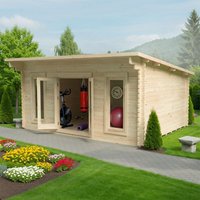
Description
Log Cabins special offers for buyers looking at reduced-price timber retreats, compact garden rooms and broad-fronted cabin styles. Browse discount log cabins, seasonal price cuts and end-of-line timber builds in one place.
Sale stock with character
Special offers in log cabins often sit at the meeting point between practical sizing and a more striking timber look. This category brings together cabins that may be discontinued lines, end-of-season stock, display-clearance pieces or short-run reductions. The result is a mixed rack of shapes and footprints, not a single fixed style, so it helps to read each listing closely.
Some cabins lean towards a neat, square outline; others carry a longer front elevation, a veranda, or a sheltered corner. That variety matters, because a reduced price does not only mean a lower figure at checkout, it can also mean a different layout that suits a tighter plot or a more open garden edge. There’s a certain charm in that mix. It feels less polished, more hand-picked.
Many special offers are there because stock needs moving rather than because the cabin itself is lesser. A discounted model may still use the same interlocking timber system, glazing style, and roof build as a full-price line. The difference is often timing, range changes, or stock level. That is worth noting if you are comparing similar cabins with slightly different frontage, roof pitch, or door placement.
Shapes, spans and the way they sit in a plot
Log cabins come in a few recognisable forms, and special offers can cover each of them. A rectangular log cabin is the most direct shape to place against a boundary or along a long patio run. It usually gives a clear interior line and makes furniture placement straightforward. A square cabin feels more centred, often suited to a freestanding position where all sides can be viewed.
Corner log cabins use a different geometry, opening up the garden by tucking the structure into a corner rather than projecting deep into the space. They can create an angled front that softens the visual bulk of a larger building. Cabins with verandas add a shallow outside zone, which changes the silhouette and gives the front of the cabin a more layered look. It is a small thing, but it shifts how the building reads from the lawn.
Gazebo-style log cabins and other open-sided forms sit in another bracket altogether. They are not the same as a fully enclosed room cabin, and the special-offer category sometimes includes both. That difference is useful: one gives shelter and enclosed walls, while the other favours a lighter, more open frame. If you are comparing offers, the outer shape tells you a lot before you even look at dimensions.
Timber build, wall thickness and what changes between offers
In sale listings, two cabins can appear similar at first glance and still differ in ways that matter. Wall thickness is one of the first points to check. A thicker wall profile gives a different sense of presence and can change how substantial the building feels. It also affects the cabin’s overall visual weight, so a chunky wall can make a modest footprint look more grounded.
Roof style is another quiet difference. Some cabins use a gable roof, with a clear ridge line and a classic profile. Others may feature a lower, more angled roofline. On special offer pages, a roof shape can define whether the cabin feels upright and traditional or slightly more compact and modern in its outline.
Glazing also changes the character. Full-height windows, half-glazed doors and corner glass sections all alter the way light moves through the interior. A discounted cabin with larger glazing can feel brighter and more open, while a cabin with a narrower window set often has a more enclosed, den-like mood. Neither is better in every case; they simply do different jobs.
Not every offer is a like-for-like twin. Some reductions are tied to left-hand or right-hand door placement, a modified front wall, or a different cabin depth. That can be useful if your garden layout has a fixed approach path, a boundary fence, or an awkward corner to work around. It can also be a neat way to get a more uncommon form for less.
Why reduced cabins pull attention
Special offers tend to catch the eye because they open access to larger or more distinctive log cabins without pushing the budget in the same way as full-price stock. That does not only apply to size. It can also mean a cabin with a verandah, a longer span, or a more detailed front treatment becomes possible where it might otherwise be out of reach.
There is also the matter of choice. A reduced cabin range can include styles that are moving out of the current line-up, which sometimes means a broader spread of shapes than a standard best-sellers page. For shoppers who like a timber structure with some personality, that mix can be interesting. It feels a little less predictable.
Price reduction, stock clearance, and end-of-line availability are the kinds of phrases to watch for, because they explain why an item sits in the special offers section. These are useful cues when browsing quickly. One cabin may be discounted because it is the last of a batch; another may simply be part of a seasonal shift. The lower number on the tag can come from different reasons, and the reason helps you judge timing.
Short sentence. Timber changes things. Space matters. Light matters too. So does the line it makes in the garden.
Choosing by use, not just by price
Special offers are easier to judge when you start with the use of the cabin. A compact cabin with a simple front opening may suit a quiet retreat or reading spot. A wider cabin with multiple glazed sections can support a more social layout, with room for seating facing outward. A corner cabin often works well where the plot is awkward or when the aim is to keep the central lawn feeling open.
If the category includes cabins with an open frontage, they tend to read more like sheltered outdoor rooms. Fully enclosed cabins, by contrast, give a firmer boundary between inside and garden. That difference is important if the building is intended as a year-round enclosed space rather than a lighter summer structure. The offer price should be weighed against that structural character, not only against size.
Some buyers are drawn to a traditional log cabin profile because of the layered wall boards and the recognisable timber face. Others prefer a cleaner, more pared-back cabin line with fewer decorative moves. The special-offer section can hold both. That contrast is helpful, since it allows comparisons between a more rustic silhouette and a more restrained one in the same place.
Details that are worth a quick look
Before settling on a reduced cabin, it helps to scan the product description for a handful of structural points. These are not fancy extras; they are the bits that shape the building’s feel and layout.
- Footprint and external dimensions
- Roof pitch and roof line
- Door position and opening direction
- Window arrangement and glazing balance
- Corner profile or front projection
- Veranda presence or open-front section
- Wall thickness and cabin weight in appearance
These points help separate one offer from another, especially when two cabins sit close together in price. A cabin with a deeper front overhang may shade its doorway. A narrower model may fit a difficult strip of garden. A broader plan may give better furniture spacing inside. The differences are practical, but they also change the cabin’s shape in the garden view.
Timber moods: rustic, neat, open, low-line
The special offers page often includes cabins that feel different in tone, not just in scale. A rustic-looking log cabin may carry a fuller timber presence and a more traditional face. A neater cabin might use cleaner lines and a more compact body. Then there are open or semi-open styles that blur the boundary between room and shelter.
Some cabins sit low to the ground and stretch horizontally. These can look calm and grounded, especially in gardens where a high roof would dominate. Others rise more visibly, with a steeper roof and a stronger vertical presence. A taller cabin can make a statement, while a lower one tends to settle into the plot more quietly. It depends what kind of line you want to draw across the garden.
That is one of the more useful ways to browse this category: not by bargain alone, but by mood. A special-offer cabin with a broad frontage gives a different impression from a narrow one with a steep ridge. Likewise, a fully enclosed cabin and a veranda-led model do not serve the same visual role. One reads as a room; the other as a pause point.
Small tips for quicker comparing
When the offers page has several reductions at once, it can be easy to look only at the headline price and miss the shape beneath it. A calmer way is to compare the outline first, then the layout. That keeps the visual side and the practical side in the same frame.
Check whether the cabin is square, rectangular, corner-based or front-facing with added shelter. That simple step narrows things fast. Then look at the amount of glazing. Lots of glass gives a brighter result; less glazing gives a more closed, timber-heavy feel. Neither route is wrong, but the difference is clear once you notice it.
If two offers seem close, the roof form may decide it. A gable roof, for example, carries a distinct ridge and a more familiar cabin profile. A flatter or lower roofline changes the tone altogether. There is also the question of how the building sits against fences, paths or planting. A corner cabin can solve a layout problem neatly, while a straight-front cabin may suit a longer open edge.
One small typo can slip in. No one really notices. But the cabin will.
What the category can give a garden
Log cabins on special offer do more than reduce the ticket price. They let different cabin forms enter the same browsing space: compact shelters, wider enclosed rooms, corner builds, veranda-led fronts and traditional timber boxes. That spread is useful because it shows how one material can be shaped in several ways.
For some gardens, the best fit is a modest square cabin that keeps the plan tidy. For others, a longer cabin with a broad face works better and leaves the rest of the plot feeling open. In a tighter corner, an angled build can use space that might otherwise go unused. The offer section often brings those lesser-seen forms into view.
Reduced log cabins can also be a good place to find a specific shape that is no longer being pushed at full price. That can suit buyers who care less about current trend and more about how the cabin lines up with their own ground. The timber still carries the same basic appeal: a solid outline, a warm surface, and a form that feels planted rather than temporary.
It is not only about saving money. It is about finding the right silhouette for the plot. A cabin with a veranda speaks differently from one without. A corner model reads differently from a straight-front model. A larger glazed section changes the whole front face. And a sale price, when tied to one of those forms, makes the comparison worth doing properly.
Last glance before the cart
In a category like this, the strongest offers are often the ones that match shape, size and frontage to the garden, not just the ones with the deepest reduction. Look at the outline. Look at the doors. Look at the roof. Then compare the way each cabin would sit against the space you have.
The variety is the point. A budget-friendly cabin can still feel distinctive if the form is right. A simpler build can suit a narrow run. A broader one can hold more presence. And a corner style can turn an awkward patch into something useful without shouting for attention.
Timber, angle, opening, roofline. These are the clues. They matter.
One last note: the best special offer is often the one that fits without forcing the garden to change its shape. That’s the quiet win.