All About Garden Pods: A Comprehensive Overview
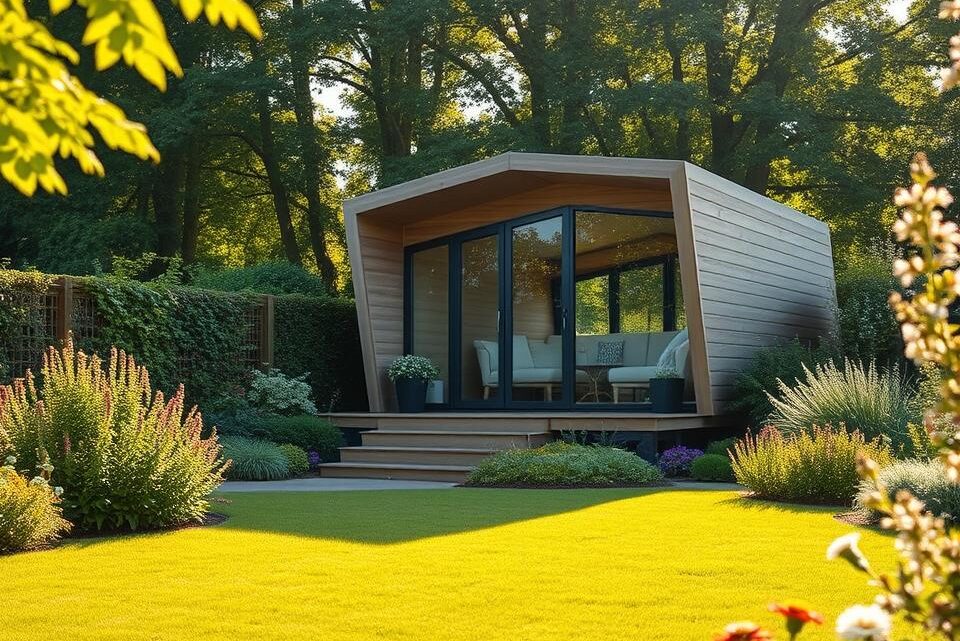
This guide serves as a definitive resource for homeowners considering adding a garden pod to their property. It offers a detailed exploration of these versatile structures, providing factual information to support informed purchasing decisions.
The popularity of these outdoor rooms continues to grow across the United Kingdom. They present a modern alternative to traditional home extensions, creating flexible additional space without the disruption of conventional building work.
This comprehensive overview covers essential topics, from definitions and design options to real-world costs and planning requirements. It also details the installation process and highlights numerous practical uses for these innovative structures.
Garden pods represent a versatile solution for those seeking to enhance their living environment. They can function as a dedicated home office, a leisure retreat, a fitness studio, or even occasional guest accommodation.
The guide adopts a professional approach, delivering expert insights into technical specifications, materials, and realistic installation timescales. This depth of information is particularly relevant in the context of contemporary trends like remote working and multigenerational living.
Inhaltsverzeichnis
Key Takeaways
- This guide offers a definitive resource for anyone considering a garden pod purchase.
- Garden pods provide a modern, less disruptive alternative to traditional extensions.
- The overview covers design options, costs, planning rules, and installation processes.
- These structures offer versatile space for work, leisure, fitness, or guests.
- Expert insights on technical details and realistic timescales are provided.
- Garden pods are highly relevant for modern living needs like remote working.
Introduction to Garden Pods
Homeowners across the UK are discovering the transformative potential of these innovative outdoor structures. They offer a sophisticated way to create additional functional space without the disruption of traditional building work.
Unlike basic garden sheds designed for storage, these purpose-built structures are engineered for comfortable, year-round use. They feature full insulation, double glazing, and professional electrical installations. This makes them suitable for various professional and personal applications.
The evolution from simple outbuildings to sophisticated extensions reflects changing lifestyle needs. Modern garden buildings now function as seamless extensions of the living environment. They provide dedicated areas for work, leisure, or relaxation.
These versatile solutions can serve as home offices, guest accommodation, studios, or fitness spaces. Their rapid installation and minimal planning requirements make them an attractive option. This flexibility addresses the growing trend of remote working and the need for separate workspaces.
Property values can benefit from these functional additions. They represent a smart investment in creating adaptable living environments that meet contemporary demands.
What are Garden Pods?
These self-contained units represent a contemporary approach to expanding usable space. They provide a dedicated area separate from the main residence.
Definition and Core Features
A garden pod is a standalone building designed for year-round comfort. Unlike basic sheds, these structures feature full insulation and professional electrical installations.
They employ advanced construction methods including timber-frame and modular systems. This ensures high-quality finishes and durability.
Benefits Compared to Traditional Extensions
Choosing a garden pod offers significant advantages over conventional building work. The installation process is remarkably swift.
Most installations fall under permitted development rights. This avoids lengthy planning permission processes.
| Aspect | Garden Pod | Traditional Extension |
|---|---|---|
| Installation Time | 2-4 weeks | 3-6 months |
| Planning Permission | Usually not required | Often required |
| Cost | £10,000-£30,000 | £30,000-£60,000+ |
| Disruption | Minimal | Significant |
The flexibility of these units allows for customisation and potential relocation. They create valuable additional space without permanent structural changes.
All About Garden Pods: Key Features and Benefits
The core advantages of these outdoor buildings extend beyond mere additional square footage. They provide a sophisticated solution for modern living requirements.
High-quality construction ensures structural integrity and year-round comfort. Full insulation and double glazing maintain consistent temperatures. This reduces energy costs while increasing usability across seasons.
Customisation options allow tailoring to specific needs. Homeowners can choose from various sizes, layouts, and finishes. Electrical installations and heating systems create fully functional spaces.
| Feature | Benefit | Impact |
|---|---|---|
| Advanced Insulation | Year-round comfort | Lower heating costs |
| Rapid Installation | Minimal disruption | Ready within days |
| Flexible Design | Multi-purpose use | Adapts to changing needs |
| Quality Materials | Long-term durability | Reduced maintenance |
Installation occurs swiftly compared to traditional building projects. Most units become operational within days rather than months. This convenience minimises household disruption.
Thoughtful design maximises space efficiency. Compact layouts provide fully functional areas for work or leisure. The aesthetic appeal enhances outdoor environments while complementing existing architecture.
Design and Customisation Options>
Personalisation stands as a central pillar of the garden pod concept, offering significant control over both exterior aesthetics and interior functionality. Homeowners can tailor every aspect to align with their property’s character and personal requirements.
Cladding, Windows and Doors
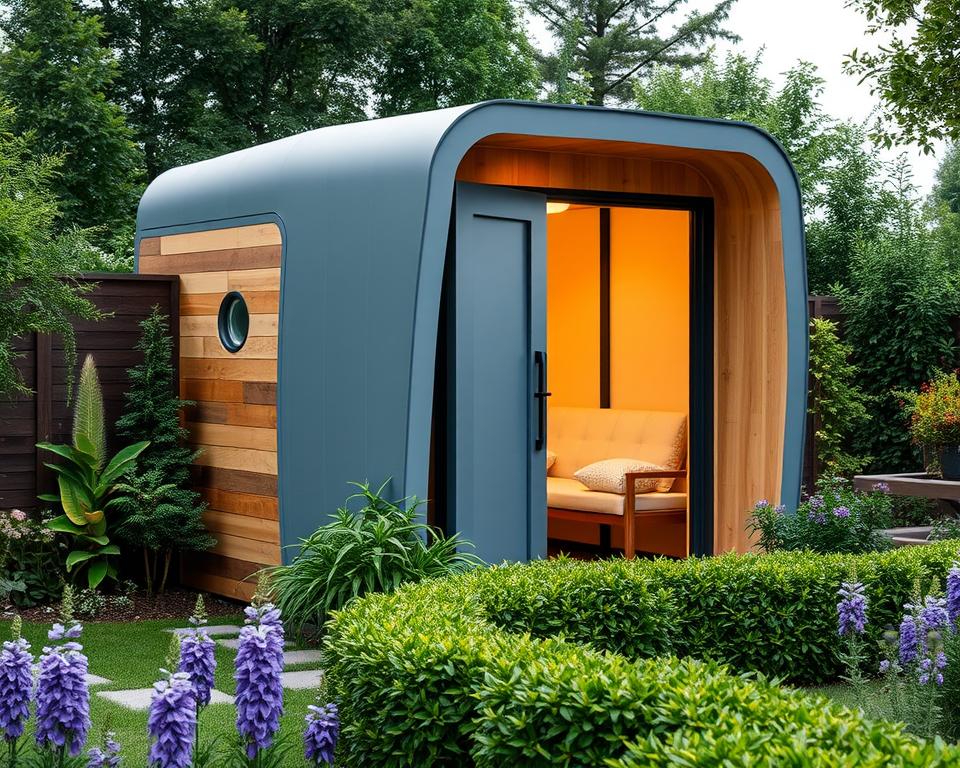
The external cladding provides the first impression and defines the building’s character. A wide range of options available includes traditional shiplap, premium cedar, and modern composite materials. Each choice affects the overall look and long-term maintenance needs.
Window and door options are equally important for design and practicality. Strategic placement maximises natural light and frames desirable views of the garden. Homeowners can select from various styles, including bi-fold doors that create seamless indoor-outdoor transitions.
Interior Layout and Finishing Touches
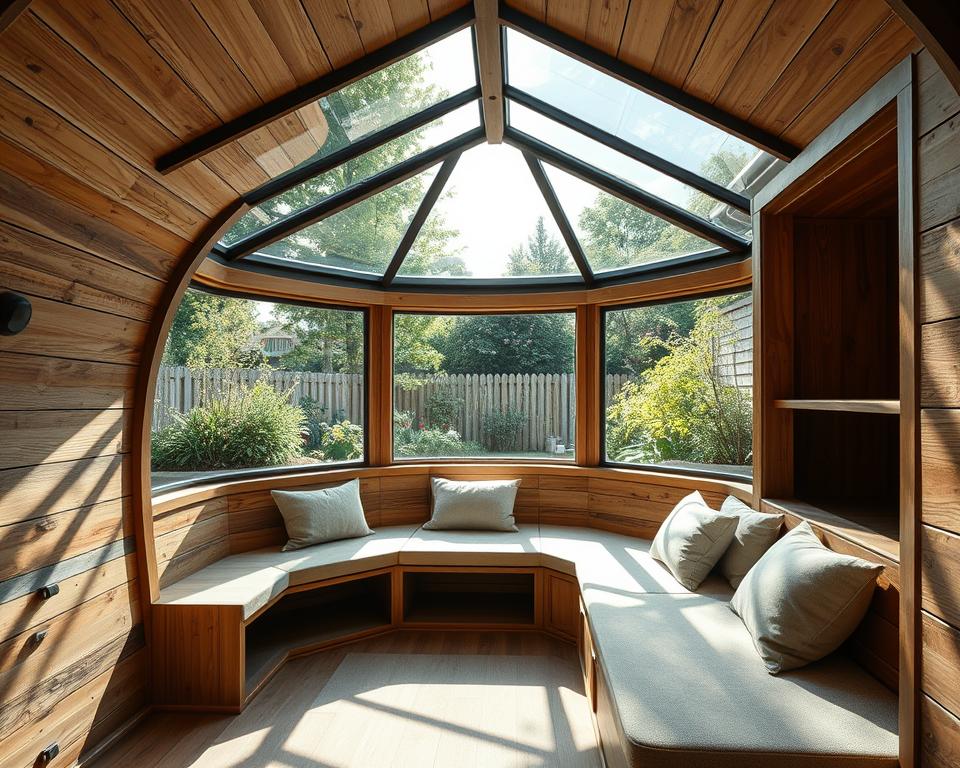
Inside, the layout can be configured as an open-plan space or divided with partitions for specific uses. Built-in storage solutions and flexible utility placements enhance functionality.
Finishing touches like wall treatments, flooring, and integrated lighting complete the transformation. These elements ensure the space is not only practical but also a comfortable and inviting extension of the home.
Considering future needs during the design phase ensures the space remains adaptable. This forward-thinking approach protects the investment and maximises long-term enjoyment.
Versatile Uses for Garden Pods
One of the most compelling aspects of these outdoor buildings lies in their remarkable versatility across numerous applications. They transform into dedicated spaces that serve both professional and personal needs.
The home office configuration remains exceptionally popular. It provides a quiet workspace separate from household distractions. Proper insulation and electrical installations create professional environments ideal for remote working.
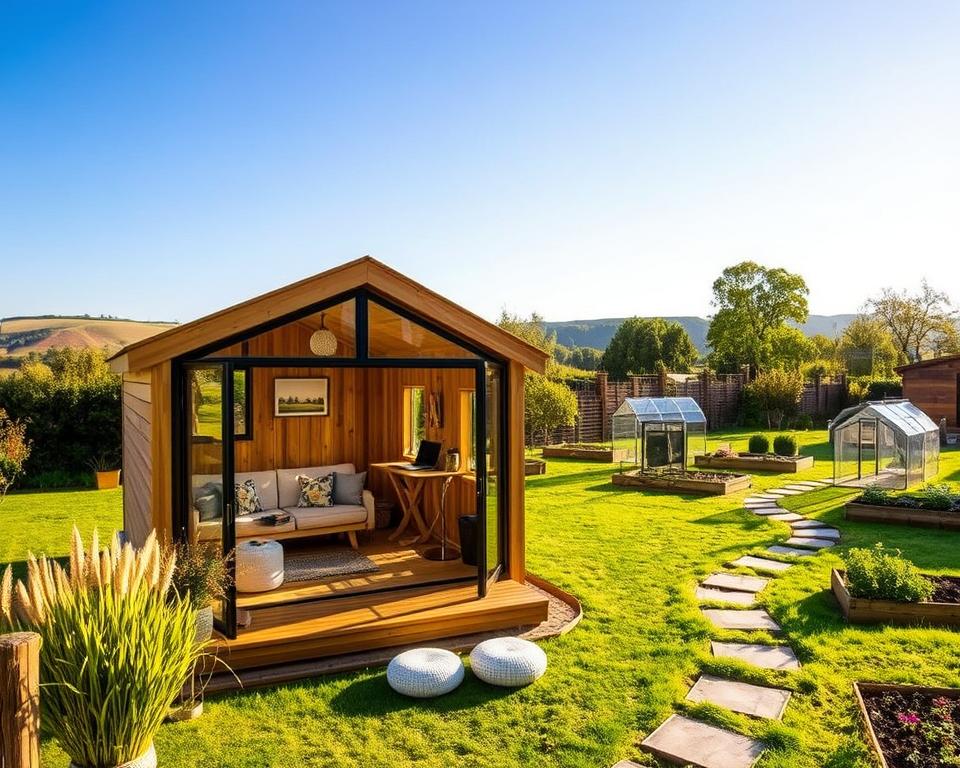
Fitness enthusiasts appreciate these structures as private gym spaces. Reinforced flooring supports heavy equipment while enhanced ventilation maintains comfort. Mirror installations and custom lighting complete the workout experience.
Creative professionals utilise them as art or music studios. Abundant natural light and acoustic considerations make them perfect for focused projects. The separation from the main house prevents disturbances.
Guest accommodation represents another valuable application. Proper insulation and heating ensure comfortable overnight stays. Some configurations even include compact bathroom facilities.
Lifestyle uses extend to yoga studios, meditation retreats, and reading rooms. These peaceful environments offer escape from daily household activity. They serve as personal sanctuaries for relaxation and wellness.
Family applications include playrooms or teenage retreats. Children gain dedicated areas without occupying rooms in the main house. Entertainment purposes range from home cinemas to social spaces for hosting guests.
Planning and Permissions for Garden Pods
Navigating the legal requirements forms an essential step in the garden pod installation process. Fortunately, many installations benefit from permitted development rights, streamlining the journey.
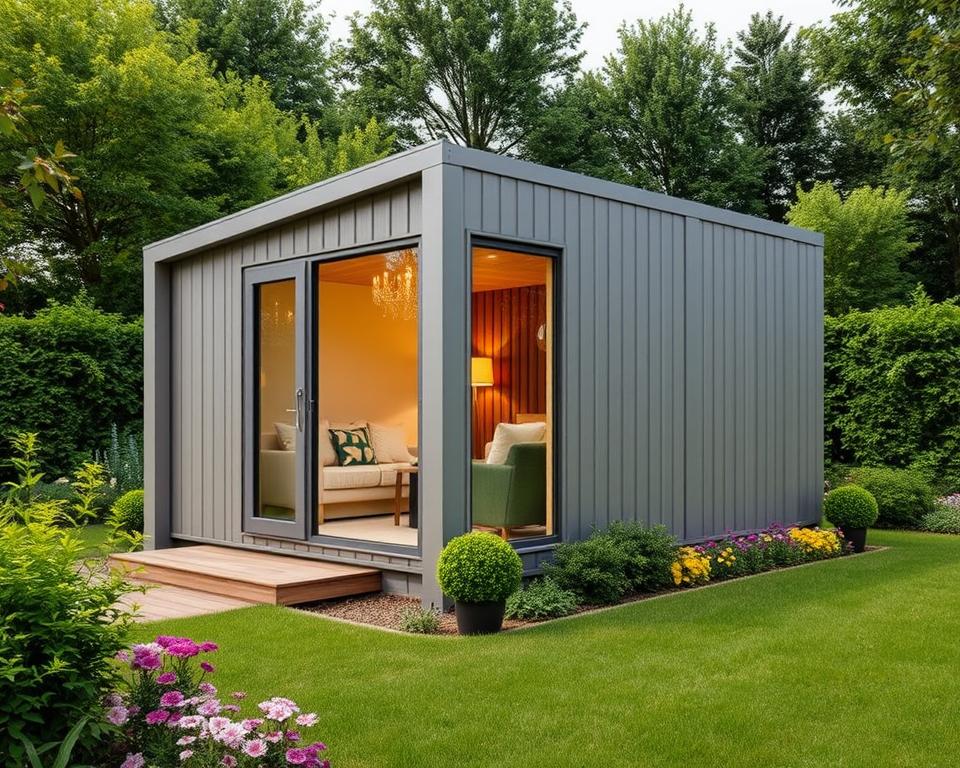
Permitted Development Guidelines in the UK
Most outdoor structures fall under permitted development, meaning they don’t need formal planning permission. To qualify, these buildings must meet specific criteria.
They must be single-storey with specific height restrictions. When positioned within two metres of a boundary, the eaves height cannot exceed 2.5 metres.
For installations further from boundaries, different rules apply. Pitched roof structures can reach four metres in height. Flat roof designs are limited to three metres.
When Additional Permissions Are Required
Certain situations require formal planning permission. Properties in designated areas often face additional requirements.
These include National Parks, Areas of Outstanding Natural Beauty, and Conservation Areas. Listed buildings typically need consent for any external addition.
Location matters significantly. Structures proposed for the front of a house usually require permission. This is known as the Principal Elevation rule.
Homeowners should verify their property’s status before proceeding. Local planning authorities can provide specific guidance. Applying for a Lawful Development Certificate offers certainty.
Materials and Construction Quality
The durability and performance of a garden structure are fundamentally determined by its construction quality and material selection. Investing in high-grade materials ensures the building withstands British weather while delivering long-term value.
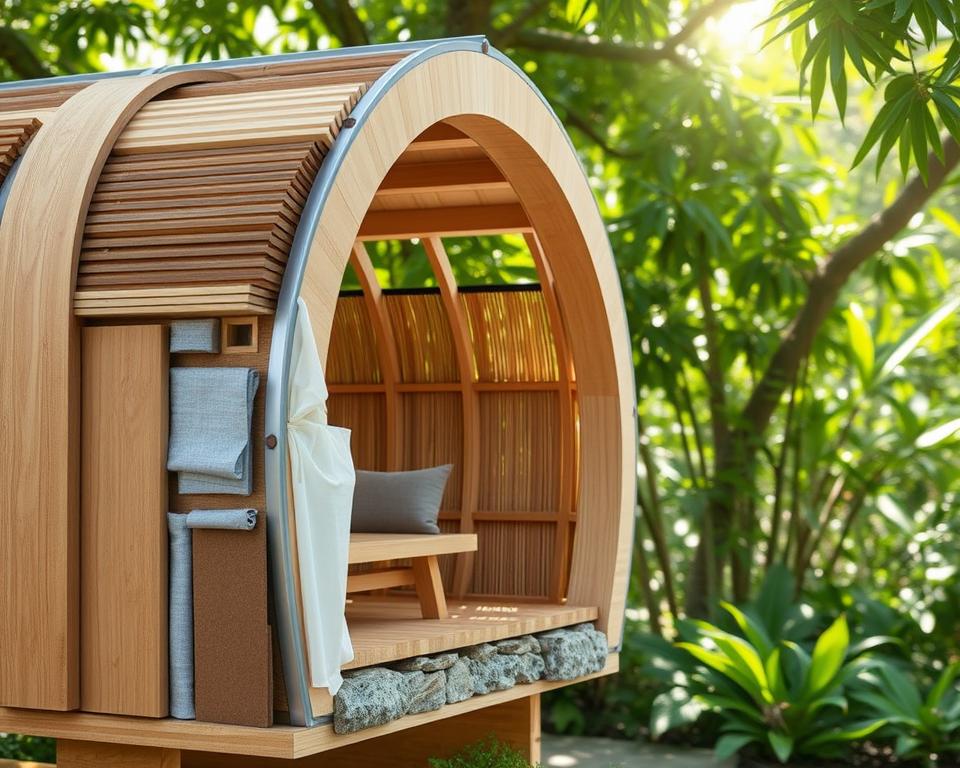
Timber remains the primary choice for the structural framework. Pressure-treated softwoods offer cost-effective durability, while premium cedar provides natural resistance to decay. Engineered timber products deliver exceptional strength for modern designs.
The external cladding acts as the first line of defence. Quality materials like cedar shiplap or modern composites require minimal upkeep. They protect the internal structure from moisture and temperature changes.
Sustainable options are increasingly available. FSC-certified timber and recycled materials reduce environmental impact. Some manufacturers use carbon-negative insulation and flooring.
Assess the building‘s quality by examining timber thickness, joinery precision, and insulation grade. High-standard weatherproofing and appropriate protective coatings are crucial for a resilient pod.
Energy Efficiency and Insulation Advantages
A well-insulated garden building transforms the experience of using an outdoor space throughout the year. Effective insulation is the cornerstone of creating a comfortable, habitable room that functions as a genuine extension of the home.
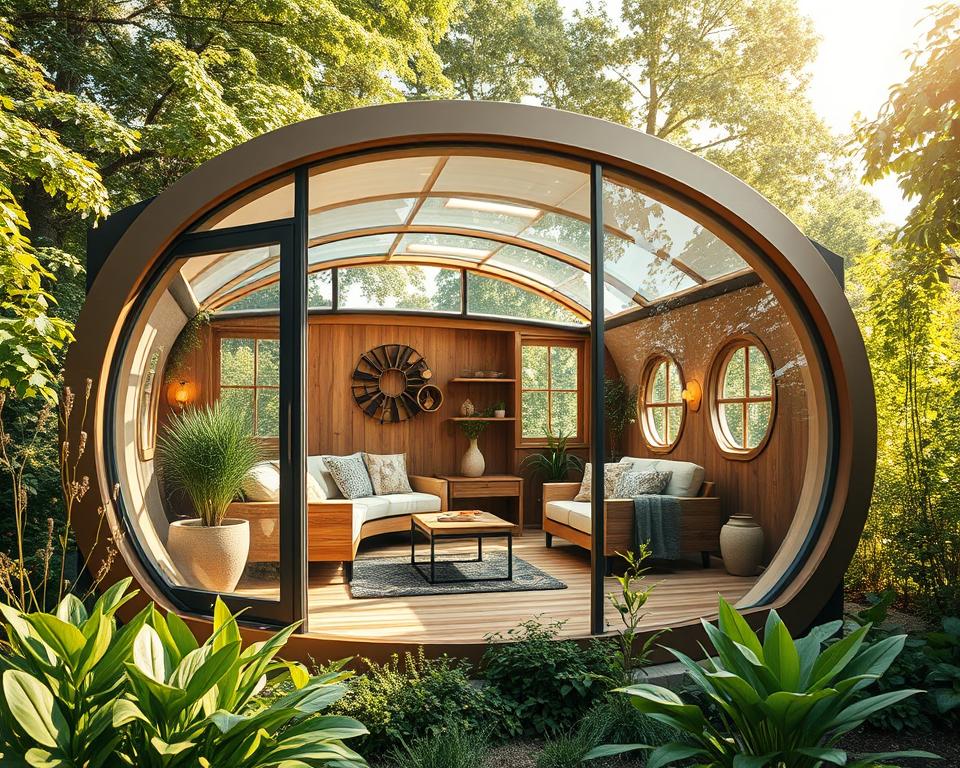
High-performance insulation materials work to maintain stable internal temperatures. This thermal envelope ensures the space stays warm during winter and cool in summer. Occupants enjoy consistent comfort without relying heavily on additional heating or cooling systems.
Year-Round Comfort Benefits
Superior insulation directly translates into significant energy savings. By minimising heat loss in colder months and reducing solar heat gain in summer, running costs are kept low. This efficiency makes the structure both economical and environmentally friendly.
The choice of insulation material impacts overall performance. Common options include:
- Mineral wool: Excellent fire resistance and sound absorption.
- Rigid foam boards: High thermal resistance in a slim profile.
- Natural sheep’s wool: Effective moisture regulation and sustainability.
- Spray foam: Creates an airtight seal, ideal for complex spaces.
Proper installation is crucial to avoid thermal bridging, where heat escapes through weaker areas. A continuous insulation layer across walls, roof, and floor prevents cold spots. This consistency ensures the entire space remains uniformly comfortable.
Double or triple glazing complements wall insulation. High-specification windows allow abundant natural light to enter while minimising heat transfer. This combination creates a bright, welcoming atmosphere that feels connected to the outdoors.
Effective ventilation is equally important. It maintains air quality and prevents condensation, protecting the structure. A well-designed system preserves thermal efficiency while ensuring a healthy internal environment.
The acoustic benefits are another advantage. Insulation dampens external noise, creating a quieter internal environment. This peaceful setting is ideal for focused work, creative pursuits, or simple relaxation.
| Insulation Material | Thermal Performance | Key Benefit |
|---|---|---|
| Mineral Wool | High | Superior soundproofing |
| Rigid Foam | Very High | Space-efficient |
| Sheep’s Wool | High | Natural and sustainable |
| Spray Foam | Exceptional | Excellent air sealing |
Investing in quality insulation pays dividends over time. It enhances the occupant experience, reduces energy consumption, and protects the building’s longevity. This makes the initial investment in a well-insulated structure a wise long-term decision.
Garden Pod Maintenance and Longevity
Regular upkeep is essential for maintaining both the aesthetic appeal and structural integrity of these additions. While constructed with durable materials, periodic care ensures they withstand the test of time.
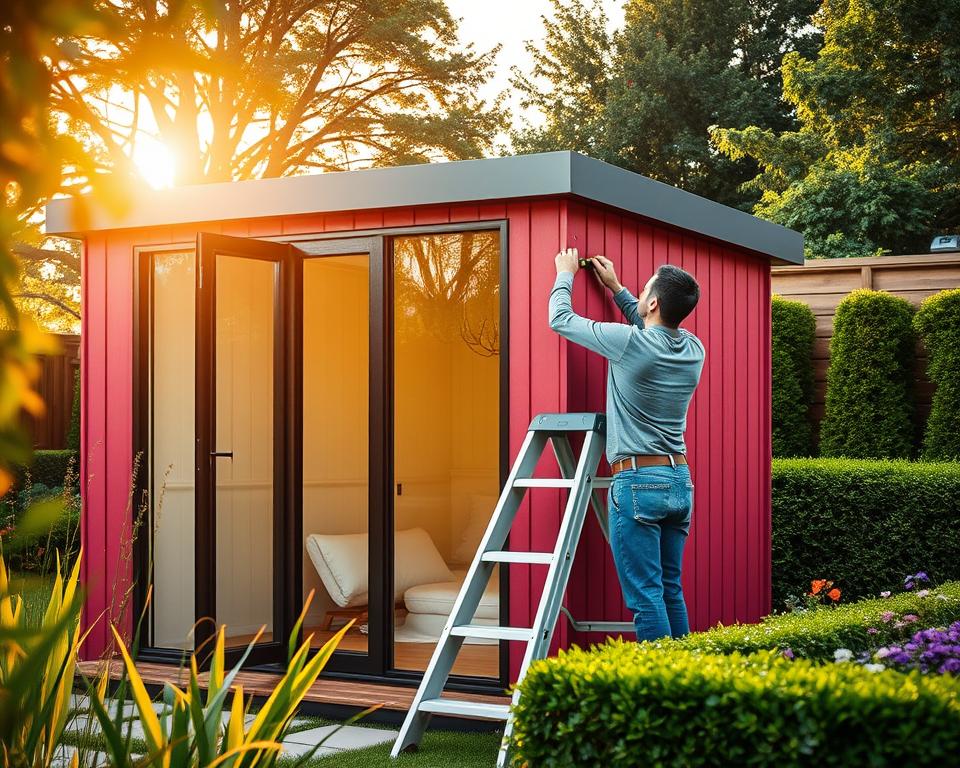
Timber cladding benefits from protective treatments applied every few years. This preserves the natural look while enhancing weather resistance. Different cladding materials have varying maintenance needs.
Composite options typically require only occasional cleaning. Regular inspections help identify minor issues before they escalate. Check for water ingress, timber deterioration, or seal failure around windows and each door.
Gutter maintenance prevents water damage to the structure. Keeping drainage systems clear of debris is crucial. Modern structures feature minimal maintenance requirements due to quality construction.
Seasonal checks following harsh weather periods help maintain optimal condition. A well-maintained outdoor building provides lasting value and enjoyment over many years.
Cost and Value Considerations
Budget considerations play a pivotal role in selecting the right outdoor building solution. The final price depends on several key factors including size, materials, and included features.

Prices for these structures show a wide range across the UK market. Entry-level models start from approximately £4,000 while premium bespoke designs can reach £30,000. This range accommodates various financial situations.
The size of the unit directly influences the cost. Compact micro pods suit single occupancy and smaller budgets. Larger structures providing more space naturally command higher prices.
Customisation options also affect the overall investment. Upgraded cladding materials, additional windows, and enhanced insulation increase costs. Electrical installations and heating systems add to the final figure.
Compared to traditional extensions, these buildings offer significant savings. They require less construction time and cause minimal disruption to the home. Most installations avoid lengthy planning permission processes.
These additions can enhance property value by providing functional extra space. Estate agents often note that well-designed structures may increase property values beyond their installation cost.
Installation Process and Timescales
The installation journey for these outdoor structures combines meticulous planning with efficient execution. Professional teams follow a streamlined process that transforms a prepared site into a functional space within days.
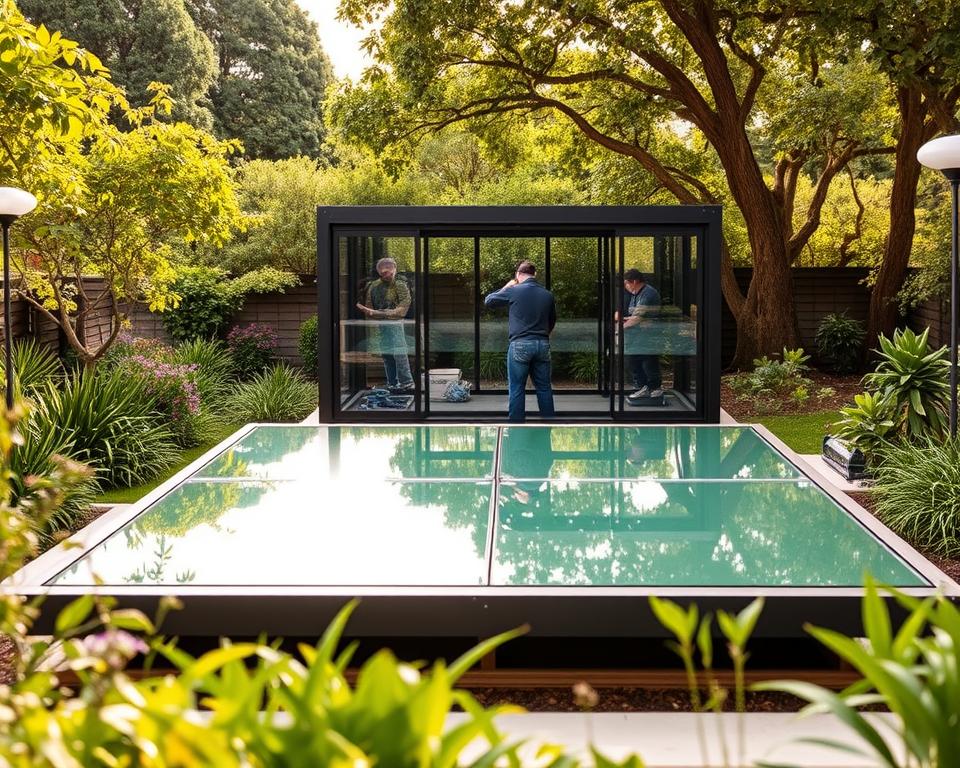
Preparation and Foundation Laying
Groundwork begins with thorough site assessment and preparation. The installation team ensures level ground and proper drainage before laying foundations.
Different foundation options include concrete bases, paving slabs, and ground screw systems. Each suits specific soil conditions and provides stable support for the structure.
Swift Assembly and Finishing Touches
Prefabricated sections arrive on site for rapid assembly. A skilled team can typically complete the main build within a single day when groundwork is ready.
Electrical connections and roofing follow the structural assembly. Final touches include internal finishes and external landscaping to integrate the new building seamlessly.
This efficient process saves significant time compared to traditional construction methods. Homeowners can expect minimal disruption and quick access to their new functional space.
Comparisons with Traditional Extensions
When deciding between a garden pod and a traditional extension, homeowners face a fundamental choice about how to create additional living space. Each option offers distinct advantages depending on the project’s specific goals and constraints.
The financial difference is often the most significant factor. A garden pod typically costs 30-50% less than an equivalent extension. This makes it a highly cost-effective solution for gaining valuable extra space.
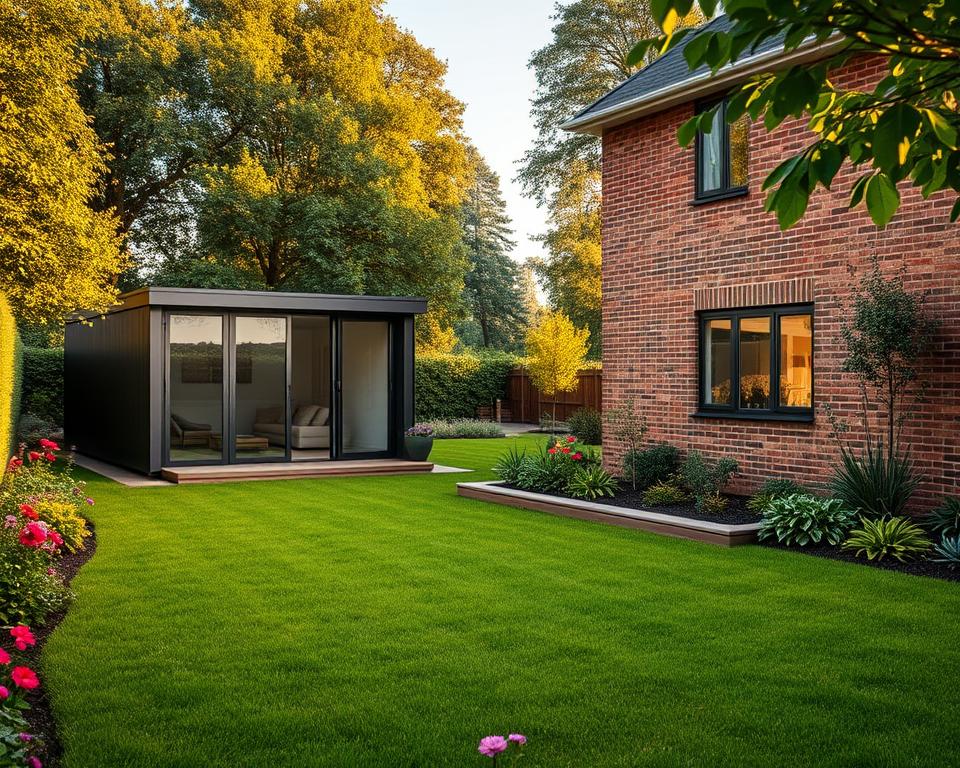
Time is another critical consideration. The installation of a standalone structure is remarkably swift, often completed within weeks. A traditional build, however, can take several months from planning to final completion.
Disruption to daily life is minimised with a garden pod. Occupants do not need to vacate their property, and construction noise and dust are contained outdoors. Extensions inevitably cause significant disturbance inside the main house.
From a regulatory standpoint, most garden buildings benefit from permitted development rights. This avoids the lengthy planning permission process that extensions frequently require. The flexibility of a pod is also superior, as it can potentially be relocated and does not permanently alter the house’s structure.
While extensions provide seamlessly integrated rooms, the physical separation of a pod offers benefits for work-life balance and guest privacy. However, traditional builds remain preferable for projects like kitchen expansions or when integrated, accessible ground-floor space is essential.
Alternative Garden Pod Designs and Inspirations
Contemporary manufacturers are exploring bold new directions in shape and construction methodology. This innovation expands the range of options available beyond traditional rectangular structures.
Ornate and Curved Garden Pods
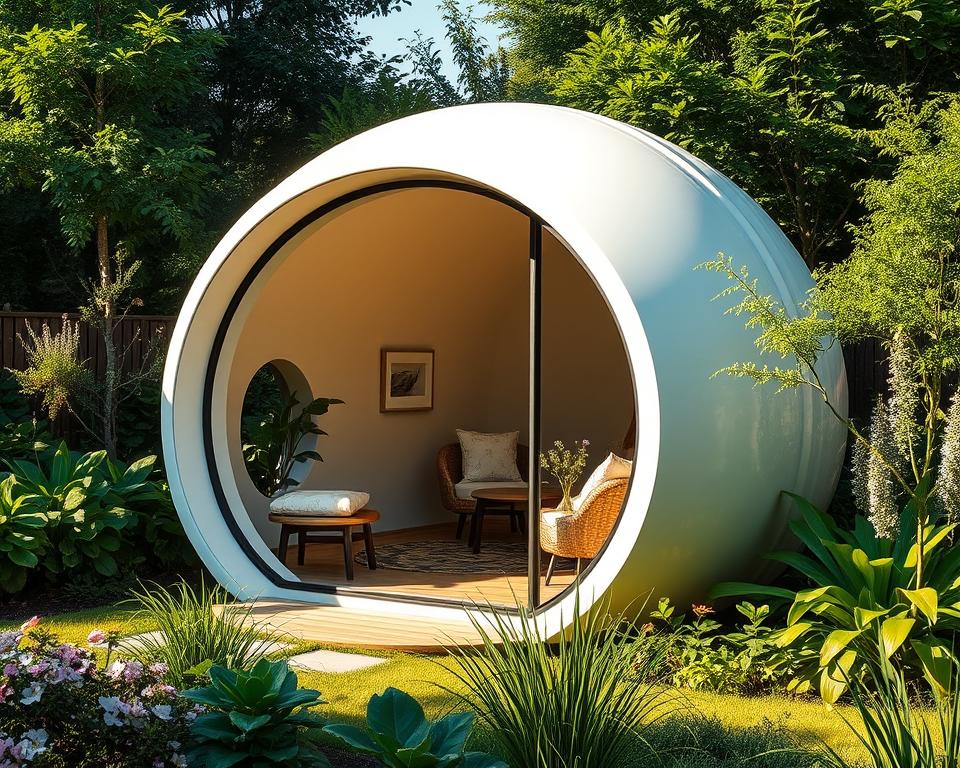
Ornate designs feature distinctive curved or circular shapes that create organic architectural forms. Transparent acrylic or polycarbonate walls provide immersive 360-degree views of the surrounding landscape.
These spherical structures function as versatile garden rooms for relaxation or entertainment. The frameless connection to outdoor space makes them ideal for meditation or alfresco dining.
| Pod Range | Shape Characteristics | Key Features |
|---|---|---|
| Rotating Pods | Circular, compact design | No electricity, rotating base |
| Oval House Pods | Elongated oval shape | Electrical installations, various lengths |
| Summerhouse & Deluxe | Curved square design | Luxurious finishes, full electricity |

Modern Off-Site Construction Solutions
Factory-built pods represent the cutting edge of precision design. Off-site construction ensures superior quality control and minimal material waste.
This method enables complex architectural shapes with consistent standards. Natural timber cladding allows these structures to blend beautifully with traditional garden settings.
Different design approaches suit various aesthetic preferences and functional requirements. Homeowners can select from numerous options available to match their specific needs.
Conclusion
This guide has thoroughly explored the significant benefits and practicalities of choosing a garden pod as a versatile solution for extra space. These structures offer a compelling alternative to traditional extensions, providing a cost-effective and swift installation process with minimal disruption.
The diverse range of uses for these rooms is remarkable. They can serve as a dedicated home office, a leisure retreat, or a fitness studio. This adaptability ensures the building meets evolving household needs over time.
When selecting a garden pod, key considerations include size, insulation quality, and supplier reputation. Most installations fall under permitted development, simplifying the process. We encourage potential buyers to assess their requirements carefully.
Obtain multiple quotations and, if possible, view installed examples. This due diligence ensures a positive experience and a solution that enhances your property’s functionality and value.
Ultimately, a well-chosen garden pod is an investment in quality of life. It provides a dedicated space tailored to personal needs, creating a valuable asset within your garden.
FAQ
What is a garden pod?
A garden pod is a standalone structure, typically built from timber, that sits within a garden space. It serves as an extra room separate from the main house, designed for uses such as a home office, studio, or living area.
Do I need planning permission for a garden pod?
Many garden rooms fall under permitted development rights, meaning planning permission is not usually required. However, specific rules apply regarding size, location, and height. It is always wise to check with the local planning authority.
How long does it take to build a garden pod?
The construction time can vary. After preparing the foundation, many off-site manufactured pods can be assembled in a matter of days. The entire process, from groundwork to completion, typically takes a few weeks.
Can a garden pod be used all year round?
Yes, a well-constructed garden pod with proper insulation, double glazing, and an efficient heating solution can be used comfortably throughout the year, regardless of the weather.
What are the main benefits of a garden pod over a traditional extension?
Garden pods often provide a quicker, more cost-effective way to gain extra space. They usually don’t require planning permission and cause less disruption to the household, as much of the work is done off-site.
What maintenance is required for a timber garden pod?
Timber garden pods are designed for durability. Maintenance generally involves periodic checks and treatments for the external cladding to protect it from the elements. High-quality materials ensure a long lifespan with minimal upkeep.
Can I customise the interior of my garden pod?
Absolutely. There is a wide range of customisation options available for the interior layout. Clients can choose finishes, lighting, and storage solutions to create a workspace or living area that meets their specific needs.
Are garden pods a good investment?
Garden pods can add significant value to a property by creating additional, usable space. They are often viewed as a desirable feature for potential buyers, making them a sound financial investment.
What foundation is needed for a garden pod?
A solid, level foundation is crucial. Common options include concrete bases, ground screws, or reinforced eco-bases. The best choice depends on the pod’s size and the garden’s ground conditions.
What are the energy efficiency features of a garden pod?
Modern garden pods are built with energy efficiency in mind. Key features include high-performance insulation, double-glazed doors and windows, and options for efficient heating systems, which help to reduce running costs.