Are Plastic Sheds Any Good? (Pros and Cons) Guide
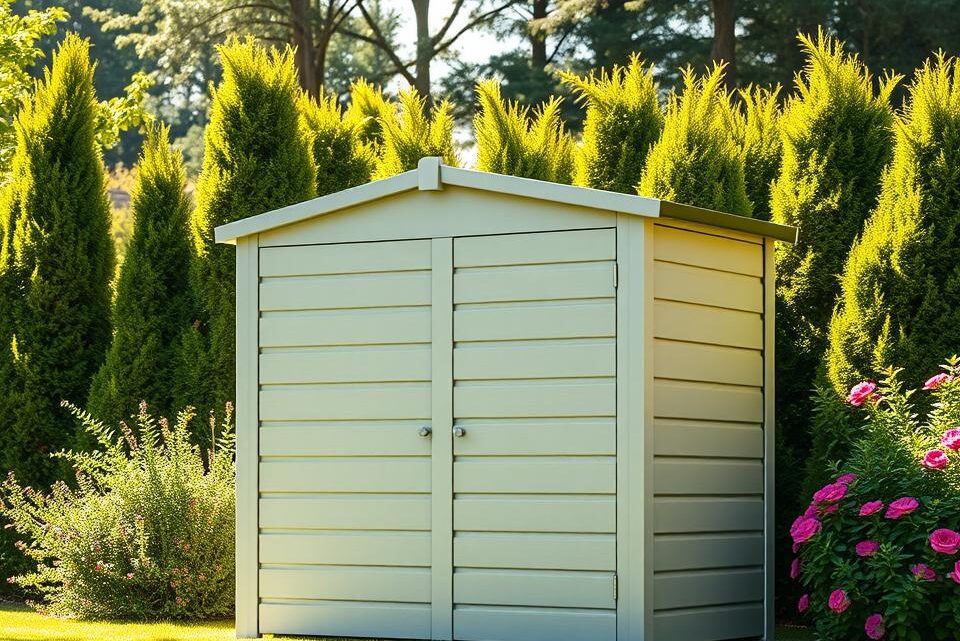
Selecting the right outdoor storage is a crucial decision for many homeowners. The material choice significantly impacts durability, cost, and long-term maintenance. This guide offers a detailed look at one popular option.
Often called resin sheds, these structures present a modern alternative to traditional wood or metal. They are typically constructed from robust materials like high-density polyethylene. Many feature UV-resistant, double-walled panels for enhanced protection.
This comprehensive analysis explores their performance in typical British weather conditions. It compares them to other materials, helping readers make an informed decision based on their specific needs. The focus is on practical benefits and potential drawbacks.
Their growing popularity stems from a desire for low-maintenance solutions. Homeowners seek storage that withstands variable climates without constant upkeep. This blog examines if they meet those expectations.
Inhaltsverzeichnis
Key Takeaways
- Plastic sheds offer a modern, low-maintenance storage solution for the garden.
- Construction often involves lightweight, snap-together panels for easier assembly.
- High-quality models provide excellent resistance to the UK’s changeable weather.
- They present a strong alternative to traditional timber sheds, which require more upkeep.
- This guide provides a balanced analysis to help with your final choice.
Introduction to Shed Materials
Four primary materials dominate the market for outdoor storage buildings in the UK. Homeowners typically choose between resin, timber, metal, and vinyl constructions. Each type offers a unique set of properties affecting durability and upkeep.
Overview of Shed Types
Timber structures provide a classic aesthetic and allow for high customisation. Metal versions are renowned for their superior security and structural strength. Vinyl and resin options excel in delivering low-maintenance convenience and consistent weather resistance.
The right choice hinges on the shed’s intended purpose. Will it serve as simple storage, a workshop, or a hobby space? This fundamental question guides the selection process.
Importance of Material Selection
This initial decision has long-term consequences. The selected material directly influences the building’s lifespan, maintenance demands, and ability to withstand local climate conditions. It also affects the total cost of ownership over years of use.
There is no single “best” material for every situation. The optimal choice is deeply personal. It depends on individual priorities, budget constraints, and willingness to perform routine maintenance tasks.
Understanding Plastic Sheds
Modern outdoor storage solutions have evolved significantly with the introduction of resin-based structures. These contemporary garden buildings offer a fresh approach to traditional storage needs.
What is a Plastic Shed?
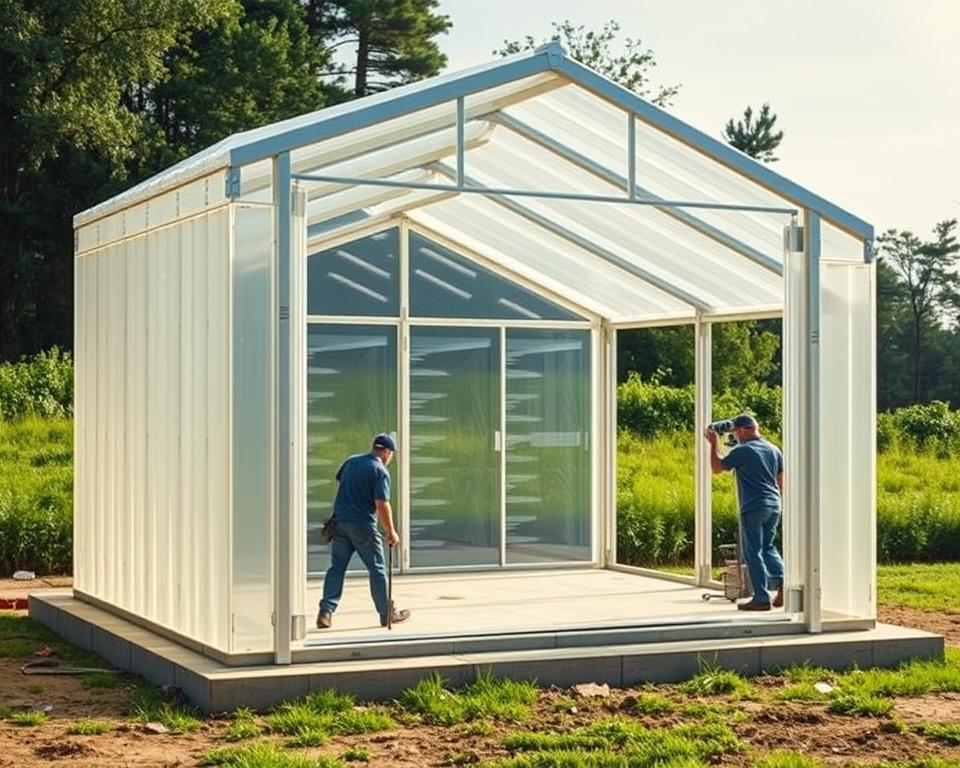
A plastic shed is an outdoor storage building crafted from moulded materials like high-density polyethylene or PVC resin. These structures feature lightweight panels that connect easily. Most require minimal tools for assembly.
The construction methodology involves interlocking systems. This eliminates the need for extensive carpentry skills. Quality models incorporate UV-resistant, double-walled panels for enhanced durability.
Construction and Material Benefits
The material benefits are substantial. These sheds resist moisture absorption, preventing rot and mould growth. They remain immune to rust and corrosion.
Modern manufacturing includes UV-resistant additives. These protect against sun damage and fading. The structure maintains its appearance despite prolonged weather exposure.
| Feature | Plastic/Vinyl Sheds | Traditional Wood | Metal Structures |
|---|---|---|---|
| Maintenance Required | Very Low | High | Medium |
| Weather Resistance | Excellent | Variable | Good |
| Assembly Complexity | Simple | Complex | Moderate |
| Pest Resistance | High | Low | High |
Vinyl sheds represent a resin-based subtype with enhanced UV resistance. Both materials share core benefits including low maintenance and consistent performance. The relationship between these types offers homeowners versatile options.
Quality construction includes reinforced flooring systems. These provide structural integrity despite the material’s lightweight nature. The building offers reliable protection for stored items in various conditions.
Are Plastic Sheds Any Good? (Pros and Cons)
Modern garden buildings present a trade-off between maintenance-free operation and certain functional limitations. This balanced evaluation helps homeowners make informed decisions.
Key Advantages
Resin structures offer exceptional convenience. They require no painting, staining, or sealing treatments. This significantly reduces long-term upkeep costs.
The material provides excellent resistance to common issues. It won’t suffer from rot, rust, or insect damage. UV-treated panels maintain their appearance over time.

Assembly is typically straightforward with interlocking panels. Many designs facilitate easy DIY installation without specialised tools. Lightweight construction allows for potential relocation.
Points to Consider
Structural strength may limit heavy storage applications. Walls have lower load-bearing capacity than timber alternatives. This affects shelving options and security features.
Customisation possibilities are more restricted. Panels cannot be easily modified or cut. Thermal expansion can occur during extreme temperature changes.
| Aspect | Strengths | Considerations |
|---|---|---|
| Maintenance | Very low, no treatments needed | Limited repair options if damaged |
| Durability | Resists weather, rot, and rust | 10-20 year typical lifespan |
| Assembly | Easy DIY, often tool-free | Requires proper anchoring |
| Security | Modern locking systems available | Plastic components less robust |
Despite these considerations, the combination of low maintenance and weather resistance makes resin sheds a practical choice for many gardens.
Comparing Plastic, Wood and Metal Sheds
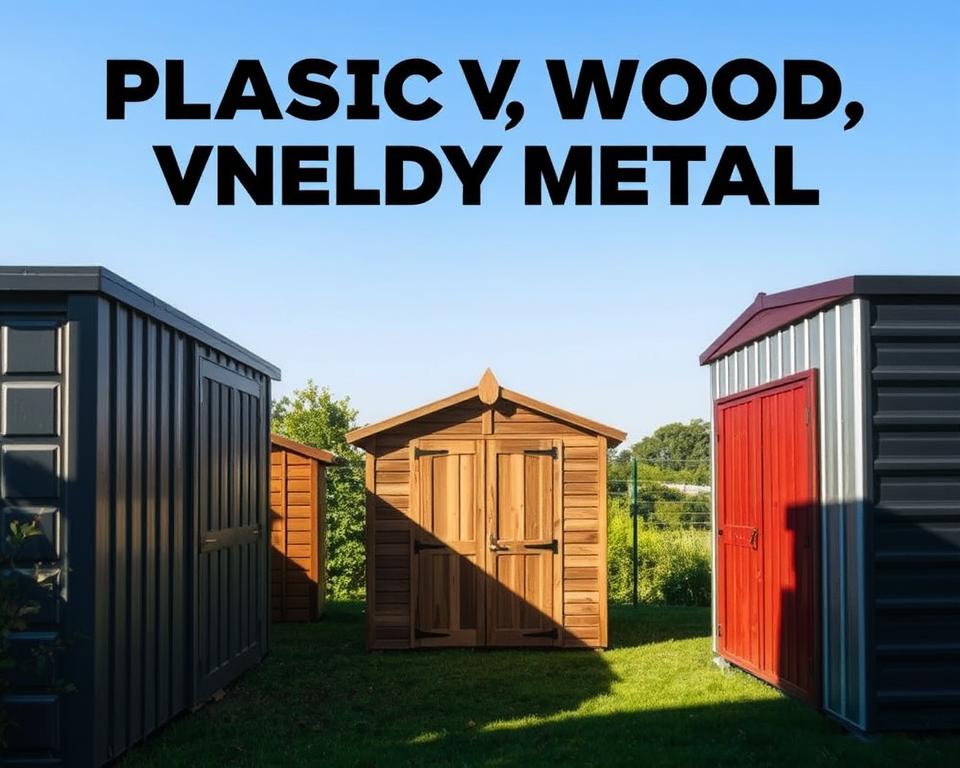
Choosing between different shed materials requires careful consideration of long-term performance. Each option presents unique advantages for British homeowners.
Durability and Strength Comparison
Resin-based structures typically last 10-20 years with medium durability. They resist moisture and pests effectively.
Timber buildings offer high durability, often serving 15-30 years when properly maintained. Their natural strength supports heavy shelving.
Metal constructions provide the longest potential lifespan, exceeding 20 years in suitable conditions. They offer superior security features.
Maintenance and Longevity Factors
Resin models require minimal upkeep beyond occasional cleaning. No painting or sealing treatments are necessary.
Wooden structures demand regular maintenance including painting and staining. This prevents rot in damp British weather.
Metal versions need rust prevention treatments, especially in coastal areas. Periodic repainting maintains their appearance.
| Feature | Resin Sheds | Timber Sheds | Metal Sheds |
|---|---|---|---|
| Expected Lifespan | 10-20 years | 15-30 years | 20+ years |
| Maintenance Level | Very Low | High | Medium |
| Cost Range | £800-£2,500 | £1,000-£4,000+ | £500-£2,000 |
| Climate Suitability | All UK regions | Requires dry conditions | Best in dry areas |
Each material suits different homeowner priorities and local climate conditions.
Shed Maintenance and Weather Challenges
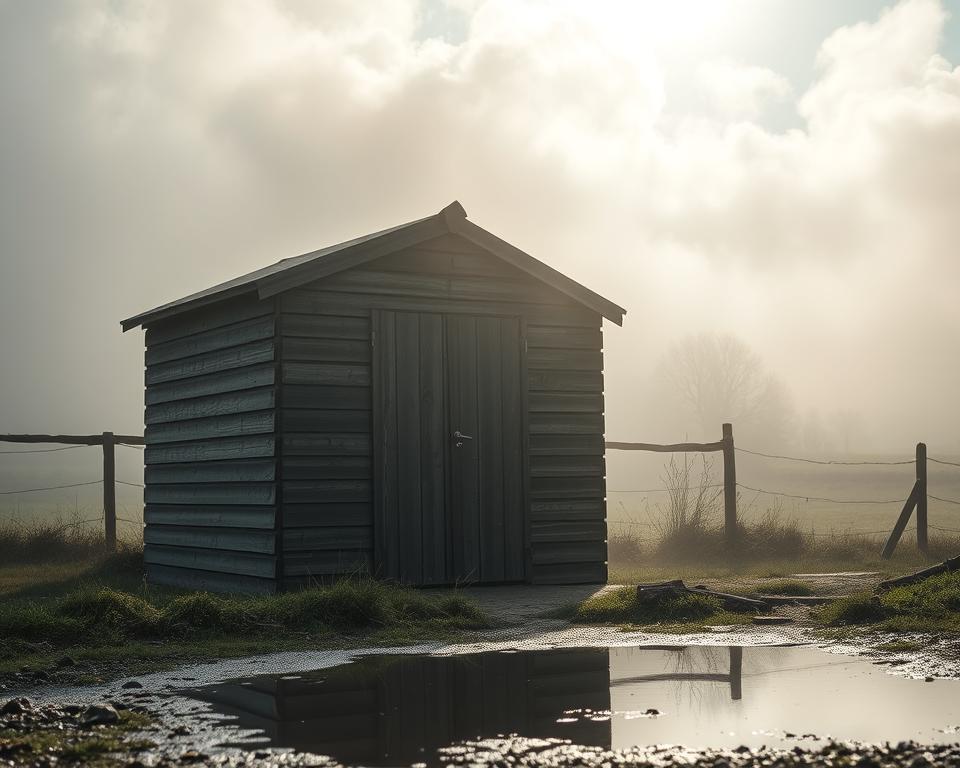
The UK’s unpredictable weather patterns place unique demands on garden storage buildings. Different materials respond differently to rain, coastal conditions, and temperature extremes over time.
Impact of UK Climate on Shed Materials
Persistent rainfall makes moisture resistance crucial. Resin structures excel here, avoiding rot and rust issues that affect other materials. They require minimal maintenance despite damp conditions.
Coastal areas present salt air challenges. Metal versions may suffer accelerated corrosion without treatment. Timber needs extensive protective measures against salt damage.
Temperature fluctuations affect material performance differently. During heat waves, metal buildings can become uncomfortably hot. Wood may warp when exposed to intense sun followed by rain.
| Weather Challenge | Resin Performance | Timber Response | Metal Reaction |
|---|---|---|---|
| Heavy Rainfall | Excellent resistance | Requires sealing | Rust prevention needed |
| Coastal Salt Air | Superior durability | High maintenance required | Corrosion risk |
| Temperature Extremes | Stable expansion | Warping potential | Heat retention issues |
| Snow Accumulation | Weather-resistant | Needs solid construction | Strong but may brittle |
Proper anchoring is essential for all shed types in windy regions. Lighter resin buildings may need secure fastening to prevent uplift. Heavier alternatives offer inherent stability but present installation challenges.
While no material performs perfectly across all conditions, resin options provide the most consistent weather resistance. They offer reliable protection with minimal upkeep time investment for UK homeowners.
Cost and Customisation Factors
Budget constraints often dictate the choice of garden building materials, with resin structures offering a balanced approach to affordability and durability. The financial aspect extends beyond initial purchase prices to long-term value considerations.
Budget Considerations
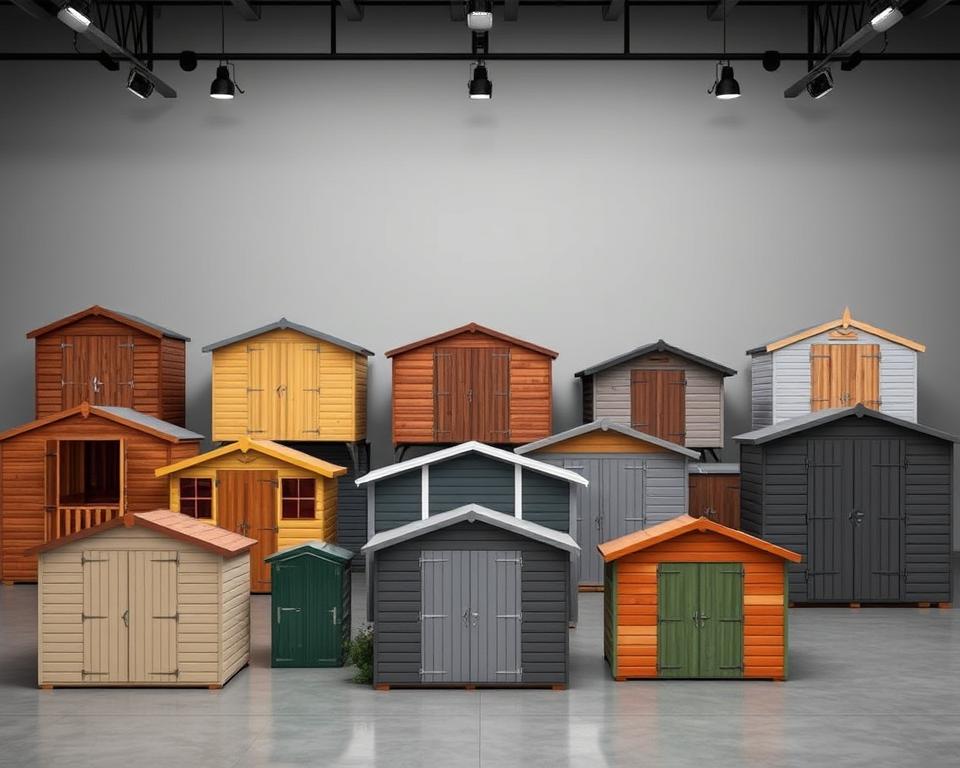
Different materials present varying investment levels. Metal versions typically represent the most economical choice, ranging from £500 to £2,000. Resin constructions occupy the mid-range at £800-£2,500, while timber and premium vinyl options command £1,000-£4,000+.
| Material Type | Initial Cost Range | Long-term Value | Maintenance Savings |
|---|---|---|---|
| Metal Sheds | £500-£2,000 | Medium | Moderate |
| Resin Structures | £800-£2,500 | High | Significant |
| Timber Buildings | £1,000-£4,000+ | Variable | Low |
| Vinyl Options | £1,500-£3,500 | High | Substantial |
“The true value of a garden building emerges over years of use, where low maintenance translates to continued savings.”
Customisation and Aesthetic Options
Modern resin sheds now feature wood-effect finishes and multiple colour options. They integrate shelving systems and ventilation without requiring DIY skills.
Timber remains the most flexible material for personalisation. Homeowners can modify structures extensively. Metal and vinyl alternatives present more limited adaptation possibilities.
Practical Use Cases and User Requirements
The true value of a garden building becomes apparent when it aligns perfectly with the user’s lifestyle and storage needs. This section examines specific scenarios where resin structures deliver optimal performance.
Ideal Scenarios for Plastic Sheds
Resin constructions excel in urban gardens with limited space. Compact 4×4 to 6×4 foot models provide adequate capacity without overwhelming smaller properties.
They offer perfect protection for garden tools and equipment. Lawnmowers, spades, and pots remain safe from rust and rot. Seasonal items like patio cushions and holiday decorations benefit from dry, pest-free conditions.

Comparative Use-Case Analysis
Busy homeowners appreciate the set-up-and-forget convenience. Families find them ideal for storing bicycles, toys, and outdoor equipment. Renters value the lightweight, portable nature.
For heavy-duty workshop requirements or maximum security needs, alternative materials may be preferable. However, for straightforward garden storage, resin remains the superior option.
The key is matching the shed type to specific user requirements. This ensures long-term satisfaction and practical benefits.
Special Considerations for UK Homeowners
Several practical factors influence shed selection for properties across Britain. Local climate patterns and security needs require careful evaluation.
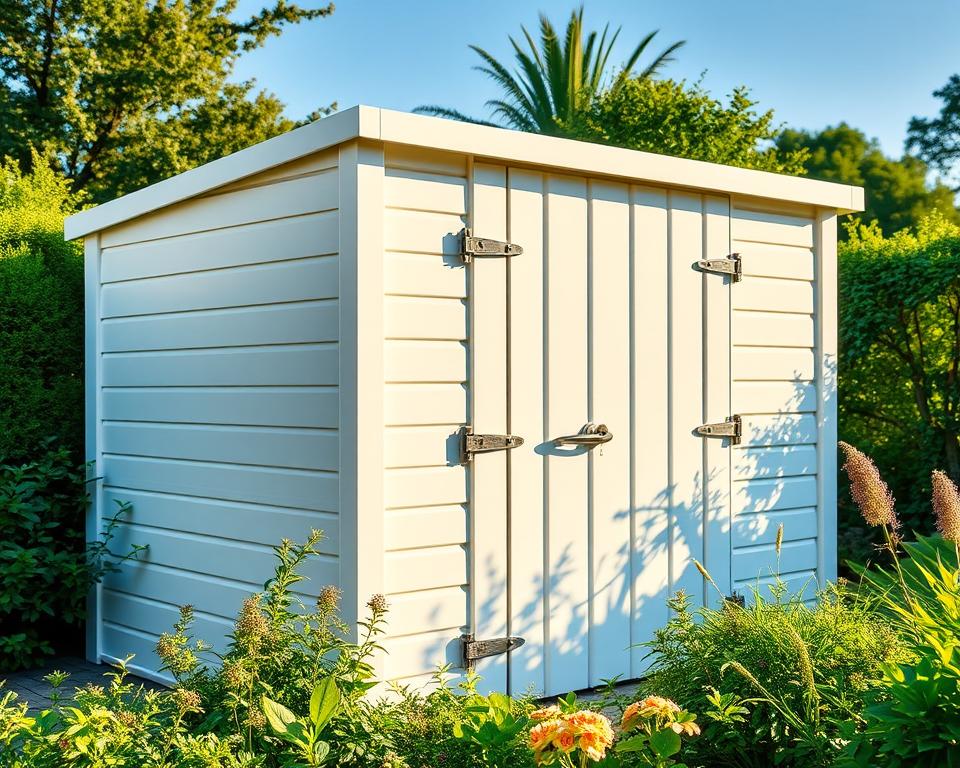
Quality resin structures demonstrate impressive weather resistance. They withstand Britain’s variable conditions effectively.
Weather Resistance and Security
Documented cases show these buildings surviving extreme conditions. Keter Manor models have endured 70 mph winds without damage.
One Rubbermaid user reported over fifteen years of outdoor use. The structure remained functional through storms and heavy rain.
Security requires attention with resin constructions. Plastic doors and latches offer less protection than reinforced alternatives.
Homeowners can enhance security significantly. Ground anchors and metal locking systems provide substantial improvements.
| Security Feature | Resin Sheds | Timber Sheds | Metal Sheds |
|---|---|---|---|
| Standard Lock Strength | Basic | Medium | Strong |
| Reinforcement Options | Anchoring required | Bolt-on upgrades | Integrated systems |
| Intrusion Resistance | Moderate with upgrades | High when reinforced | Very high |
Environmental and Sustainability Aspects
Modern manufacturing uses recyclable materials effectively. Keter produces structures from 100% recyclable components.
This approach reduces environmental impact compared to treated wood. The buildings avoid chemical preservatives and rust treatments.
At end-of-life, these materials can be recycled responsibly. This prevents landfill contribution after decades of service.
UK planning regulations often favour non-permanent structures. Homeowners should verify local requirements before installation.
Conclusion
Finding the ideal garden storage solution depends on a clear understanding of personal priorities. This guide has explored the key attributes of different materials to aid that decision.
Resin-based structures offer a compelling balance of durability and low maintenance. They resist the UK’s damp climate effectively, requiring no painting or treatments. For many, this makes them a sensible good choice.
Timber buildings appeal for their classic look and customisation potential. However, they demand significant upkeep to prevent rot. Metal sheds provide robust security but can be prone to rust.
Ultimately, the best option aligns with your specific needs. Consider the value of your storage items, your willingness for upkeep, and local weather. For hassle-free garden storage, a resin shed often delivers outstanding long-term performance.
FAQ
How durable are plastic sheds compared to wooden ones?
Plastic sheds offer excellent durability as they are resistant to rot, rust, and insect damage. Unlike timber, they do not require regular treatments with paint or preservatives. While a high-quality wooden shed can last for decades, a well-maintained plastic model provides robust longevity with far less upkeep.
Do plastic sheds get very hot inside during summer?
Yes, vinyl sheds can become quite warm in direct sunlight. The material does not breathe like wood, which can lead to heat buildup. It is advisable to position the building in a partially shaded area or ensure good ventilation to protect stored items from excessive heat.
Are plastic sheds a secure storage option?
Security levels vary by model. Many modern plastic sheds feature robust locking systems and reinforced doors. However, the material itself can be less resistant to forced entry than thick timber or metal. For storing high-value tools, homeowners should look for sheds with enhanced security features.
What is the typical lifespan of a plastic garden shed?
A good-quality plastic shed can easily last 10 to 15 years, and often much longer. Its lifespan is largely dependent on the quality of construction and exposure to extreme weather conditions. The lack of corrosion and decay contributes significantly to its long service life.
Can you customise or paint a plastic shed?
Customisation options are more limited than with wood. While painting is possible, it requires specific primers and paints designed for vinyl or PVC materials to ensure proper adhesion. Structural modifications are also more challenging, making them less suitable for major DIY projects.
How do plastic sheds handle heavy rain and wind?
Most are designed to withstand typical British weather. They are inherently waterproof and will not leak if assembled correctly. To combat wind, it is crucial to anchor the structure securely to a solid base, as their lighter weight can make them more susceptible to movement in strong gusts.
Is assembly of a plastic shed difficult?
Assembly is generally straightforward, often following an interlocking panel system. They usually come with comprehensive instructions and can be built by one or two people over a weekend. This makes them a popular choice for those seeking a DIY-friendly storage solution.