Blooming Success: UK Summer and Autumn Planting Calendar
Cultivating a beautiful and productive outdoor space requires careful timing. This comprehensive guide is designed specifically for gardeners across the United Kingdom. It provides a clear roadmap for the warmer and cooler months.
Knowing exactly when to sow, plant, and harvest is the key to a thriving garden. This resource offers a detailed planting calendar for flowers, vegetables, and fruits from June through December. It takes the guesswork out of planning.
British weather presents unique challenges. This guide addresses seasonal variations to help gardeners navigate these conditions. The goal is to maximise the potential of any garden throughout the year.
By following this structured approach, anyone can achieve continuous harvests and vibrant displays. This planting calendar is an essential tool for cultivating with confidence and enjoying the rewards of a well-planned garden.
Inhaltsverzeichnis
Key Takeaways
- This guide offers a structured plan for the warmer and cooler seasons.
- Learn the optimal times for sowing, planting, and harvesting various plants.
- Gain insights into managing the specific challenges of the British climate.
- The calendar format provides clear, actionable advice for all skill levels.
- Achieve a productive and visually appealing outdoor space with careful timing.
Introduction to the Ultimate Planting Guide
The art of successful cultivation hinges on aligning gardening practices with seasonal patterns and climatic conditions. This systematic approach transforms random efforts into coordinated actions that yield consistent results.
Overview of the Planting Calendar Concept
A well-structured timetable provides a clear framework for horticultural activities. It outlines optimal periods for sowing, transplanting, and harvesting various species.
This methodical planning tool helps cultivators coordinate their efforts throughout the growing period. It ensures critical windows are never missed.
Benefits for UK Gardeners
British horticulturists gain significant advantages from following a structured timetable. They can maximise limited space and achieve continuous production.
The approach reduces waste and increases yields throughout multiple periods. It brings satisfaction from harvesting fresh produce consistently.
| Seasonal Period | Primary Advantage | Key Activity | Expected Outcome |
|---|---|---|---|
| Early Growing Phase | Optimal sowing conditions | Indoor seed starting | Strong seedling development |
| Mid-Season | Peak growth potential | Transplanting and maintenance | Robust plant establishment |
| Late Season | Extended harvest window | Succession planting | Continuous production |
The Importance of a Planting Calendar in the UK
Mastering the rhythm of the growing year requires thoughtful organisation that anticipates seasonal changes. For horticulturists across Britain, a structured timetable becomes an indispensable tool for navigating the country’s distinctive climate patterns.
Optimising Garden Yields
A well-designed planting schedule ensures every square metre of space contributes to continuous production. It helps avoid common errors like sowing during frost risk periods or planting too late for autumn maturity.

Strategic planning enables succession planting, where new crops replace harvested ones. This approach maintains steady yields rather than single large harvests. Regional variations in growing conditions make adaptable scheduling particularly valuable.
“The most productive gardens work with nature’s calendar, not against it. Understanding seasonal rhythms transforms sporadic results into reliable abundance.”
Different crops thrive under specific British weather patterns. Some varieties excel in summer warmth while others prefer cooler autumn conditions. Protected growing extends possibilities for delicate species.
| Strategy | Timing Consideration | Yield Benefit | Regional Adaptation |
|---|---|---|---|
| Succession Planting | 2-3 week intervals | Continuous harvest | Adjust for local frost dates |
| Companion Cropping | Simultaneous sowing | Space efficiency | Match microclimate preferences |
| Season Extension | Early start/late finish | Longer production | Use protective covers |
This systematic approach reduces waste by coordinating quantities with consumption needs. It prevents gluts that overwhelm preservation capacity while ensuring fresh produce availability throughout the year.
Blooming Success: UK Summer and Autumn Planting Calendar
Navigating the shifting conditions from June to December demands a flexible approach to horticulture. This period spans from peak growth to dormancy, requiring different techniques.
Understanding these seasonal challenges is fundamental. Each phase presents unique opportunities and obstacles for cultivators.
Understanding Seasonal Challenges
The warmer months offer abundant sunshine. This creates ideal conditions for rapid growth.
Challenges include drought stress and increased pest activity. Consistent watering becomes a critical task during this time.

Later in the year, cooler temperatures and shorter days arrive. These conditions slow plant growth significantly.
This change benefits cool-season crops. It also naturally reduces some pest populations.
Maximising Garden Potential
Maximising potential requires planning for transitions. One must take advantage of each period’s strengths.
Protective measures like mulching or frost covers can be implemented proactively. This foresight extends the productive window.
A well-planned schedule allows for harvests deep into winter. It turns a short season into a prolonged period of yield.
| Period | Primary Challenge | Optimal Strategy | Key Benefit |
|---|---|---|---|
| June – August | Heat & Water Management | Drought-resistant varieties, mulching | Peak growth for warm-season crops |
| September – November | Declining Light & Temperature | Succession planting of cool-season crops | Extended harvest window |
| December Onwards | Frost & Limited Light | Protected cultivation, hardy varieties | Fresh produce through winter |
Preparing Your Garden for Summer Planting
Effective groundwork lays the foundation for a productive growing season ahead. Careful preparation during this phase determines the health and yield of crops.
Soil Preparation and Composting
Quality soil structure is fundamental for plant development. Gardeners should assess drainage and fertility before any cultivation begins.
Adding organic matter like compost significantly improves soil quality. This enhances water retention and provides essential nutrients.
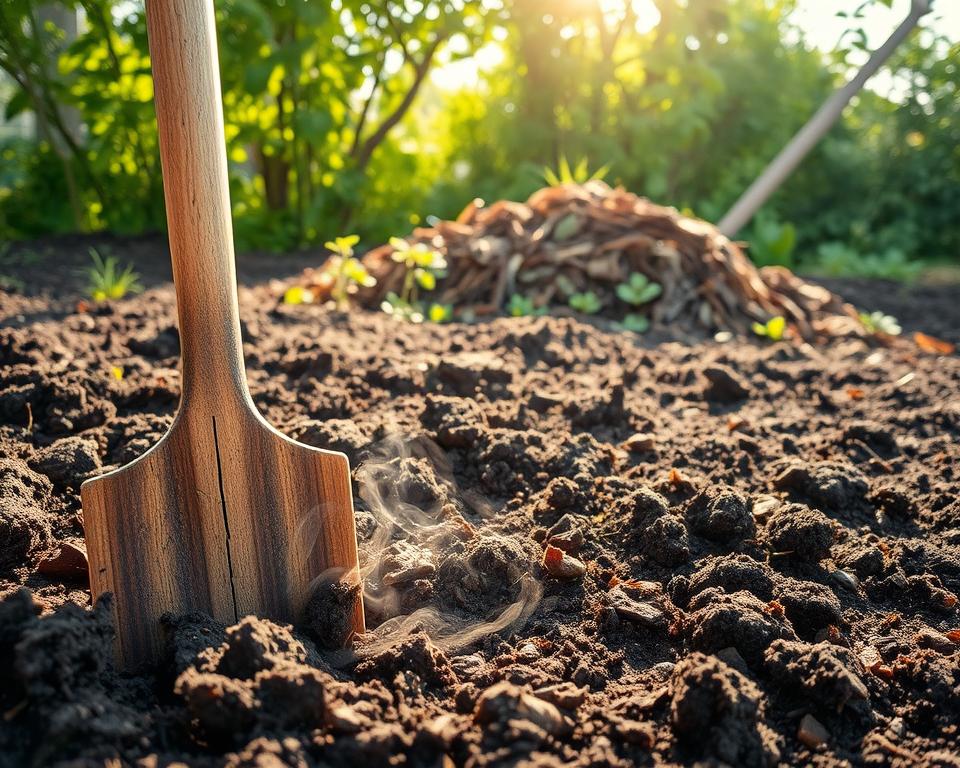
Enriching the earth several weeks in advance allows materials to integrate properly. This activates beneficial soil biology for optimal plant growth.
Indoor Versus Outdoor Planting
Understanding different planting methods helps extend the growing window. Starting plants indoors provides a controlled environment for delicate seedlings.
Structures like a greenhouse offer protection from unpredictable weather. They allow gardeners to begin cultivation earlier in the year.
The choice between indoor and outdoor planting depends on available space and plant varieties. Some species benefit from an initial protected start before transplanting.
This strategic approach enables continuous production throughout the warmer months. It maximises the potential of any horticultural space.
Essential Summer Planting Tips
Effective plant care during warm weather revolves around two critical elements: water and nutrients. Getting these fundamentals right makes all the difference for healthy growth.
Watering and Nutrient Guidelines
Consistent moisture levels are vital for plant health. Irregular watering stresses plants and reduces yields. Deep, infrequent watering encourages strong root development.
The timing of irrigation matters greatly. Early morning is ideal, allowing foliage to dry before evening. This reduces disease risk while providing moisture for the day ahead.
Nutrient guidelines emphasise balanced feeding during rapid growth. Plants deplete soil nutrients quickly and need regular supplementation. Different species have varying nutritional requirements.
Fruiting vegetables benefit from higher potassium levels. Leafy greens prefer nitrogen-rich feeds. Container plants need more frequent attention than those in the ground.
Mulching helps retain soil moisture and regulate temperature. Checking soil moisture before watering prevents over-saturation. These practical tips ensure optimal plant health during warm periods.
A Closer Look at June Garden Tasks
June’s arrival signals a period of intense horticultural activity. The soil has warmed sufficiently, and daylight hours are at their peak. This creates ideal conditions for rapid plant establishment.

Key Crops and Sowing Strategies
This month is perfect for direct sowing of many vegetables. Varieties like climbing beans, dwarf beans, and runner beans thrive when planted now. Root crops such as carrots and swedes also establish well.
Flower enthusiasts can sow seeds directly into prepared beds. Calendula, nasturtiums, and sunflowers bring vibrant colour. For best results, sunflowers need containers receiving six hours of daily sunlight.
Some vegetables benefit from indoor starts before transplanting. Pumpkins started indoors can be moved outside once established. This approach extends the growing season for certain varieties.
Practical Tips for Early Harvests
Strategic harvest techniques maximise yields. When picking gooseberries, select alternate berries. This simple method enhances the sweetness and size of the remaining fruit.
Succession planting is among the most effective tips. Sow quick-growing seeds like lettuce every fortnight. This ensures a continuous supply rather than a single large yield.
Proper germination requires attention to detail. Achillea seeds need surface sowing on compost. Cover with vermiculite and polythene, maintaining temperatures of 15-20°C.
“June’s long days and warm soils create a gardener’s paradise. Strategic planting now rewards with abundant yields for months to come.”
This month allows for simultaneous harvesting and planting. Early crops like peas and strawberries are ready while new vegetables are established. This overlap maximises garden productivity throughout the season.
July Gardening Insights for an Abundant Harvest
The seventh month marks a pivotal point in the horticultural calendar, balancing immediate harvests with future planning. Gardeners must skilfully manage both abundance and succession during this productive period.
Planting and Harvesting Strategies
This month offers ideal conditions for fast-maturing vegetables like radishes and rocket. These quick crops will mature before autumn’s arrival. Simultaneously, begin sowing for later seasons.
Bean varieties reach peak production now. Regular picking of beans encourages continued yield. Leaving mature pods signals plants to stop producing.
Succession planting maintains continuous supply. Sow quick-growing varieties every fortnight. This approach prevents gaps in production throughout the summer.
Flower sowing includes foxgloves and pansies for future displays. Gently press seeds into compost and water lightly. Proper technique ensures good germination rates.
“July’s abundance requires both celebration and foresight. Enjoy today’s harvest while sowing tomorrow’s promise.”
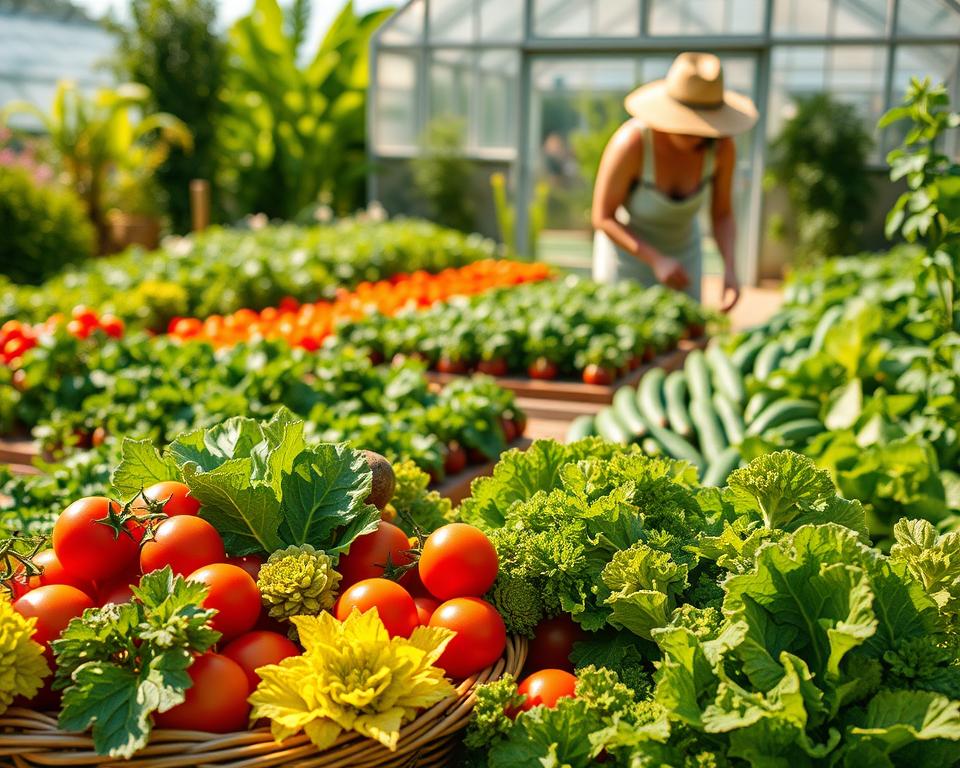
The harvest includes courgettes, cucumbers and various beans. Pick vegetables at their peak for best flavour. This also promotes further production from plants.
Preservation plans become essential with surplus produce. Freezing, pickling or sharing with neighbours manages abundance effectively. This practical approach maximises the month‘s generous yield.
August: Transitioning from Summer to Autumn
August presents a unique opportunity to bridge the seasons in the garden. This period requires a dual focus on finishing the current cycle while laying the groundwork for the next.
Gardeners must assess which crops are concluding their production. They then plan which new varieties will replace them in the coming cooler months.
Preparing for the Autumn Shift
This month is ideal for sowing vegetables that favour cooler conditions. Spring cabbage, spring onions, and parsley establish well now for autumn growth.
For colour, one can sow hardy flowers directly into the soil. Larkspur, cornflowers, and winter pansies are excellent choices. These plants will provide displays later in the year.

Indoor sowing extends possibilities. Coleus seeds need a warm windowsill (21-23°C). Press them into potting mix without covering and use plastic to retain humidity.
Simultaneously, the harvest is abundant. Aubergines, potatoes, onions, and sweetcorn are ready. Protect sweetcorn from birds with netting as it ripens.
Adjusting Watering and Feeding Techniques
Watering routines require flexibility. Maintain frequent watering during hot spells. Be prepared to reduce frequency as temperatures cool towards the month’s end.
Feeding strategies should also evolve. Shift from nitrogen-rich feeds that promote leafy growth. Prioritise potassium to support fruit development and ripening in remaining crops.
This careful adjustment helps plants transition smoothly. It prepares them for the changing conditions of the approaching season.
| August Task | Key Action | Objective |
|---|---|---|
| Harvesting | Lift potatoes & onions; dry and store. | Secure winter food supply. |
| Sowing | Plant spring cabbage & winter bedding. | Ensure autumn/winter production. |
| Plant Care | Adjust feed to potassium-rich formulas. | Support fruit ripening. |
September: Embracing Autumn in Your Garden
September marks a significant transition in the horticultural calendar as temperatures moderate and daylight hours shorten. This period blends the final phases of summer growth with the beginning of autumn’s distinctive opportunities.

Harvesting Late Summer Produce
The harvest becomes a primary focus during this time. Crops like tomatoes, peppers, and courgettes reach their final productive stage. They must be collected before potential frost damage occurs.
This month offers excellent conditions for direct sowing. Gardeners can plant hardy wildflowers, calendula, and poppies outdoors. These will establish before winter and flower in early spring.
For vegetables, options include winter salad leaves, radish, and spring onion. Chard performs particularly well when planting occurs now. It continues growing through the autumn months.
Blackberry foraging is a classic autumn activity. September also presents the right time to establish thornless cultivars. These will develop strong root systems before next spring.
The transition requires clearing finished summer crops and preparing beds. This ensures successful establishment of new planting for the cooler season ahead.
October: Final Harvest and Early Preparations
October brings a crisp shift in the garden, blending the urgency of final harvests with the foresight of next year’s plans. This month is a pivotal moment where one season concludes and the next begins its quiet foundation.

Optimising Last-Minute Harvests
The primary focus is collecting the remaining summer bounty. Pumpkins, squash, and late-ripening apples must be gathered before the first frost arrives to prevent spoilage.
Gardeners should monitor weather forecasts closely. Picking frost-sensitive crops immediately before a predicted cold snap is the best strategy. Proper storage of these final yields ensures a supply of homegrown food for the colder months.
Planning for the Next Season
Simultaneously, October is the ideal time for planting to secure an early spring harvest. Garlic, broad beans, and asparagus can be planted outdoors. They establish roots over winter for a strong start next spring.
This is also the moment for reflection and improvement. Reviewing the successes of the current year informs future choices. Adding organic matter to empty beds enriches the soil structure as it rests.
| October Task | Key Action | Primary Goal |
|---|---|---|
| Final Harvest | Collect pumpkins, squash, apples | Prevent frost damage |
| Autumn Planting | Sow garlic, broad beans, peas | Establish for early spring |
| Soil Care | Add compost to empty beds | Improve structure for next year |
November: Planning for Next Season’s Garden
The eleventh month presents unique opportunities for establishing next season’s foundation. While outdoor activity diminishes, strategic actions now yield significant rewards later.

Indoor sowing becomes essential during this period. Herbs started on windowsills will be ready for next year. Nemesia thrives in rich, well-drained soil and prefers cooler temperatures.
Indoor Sowing and Protected Planting Methods
Protected environments extend planting possibilities through the winter. Cloches and cold frames shelter tender plants from early frost. This approach ensures survival despite dropping temperatures.
Asparagus crowns require specific handling. Plant them in wide, deep holes with fertiliser. Spread crowns centrally before covering, firming, and watering thoroughly.
Bare-root Planting Techniques
November is ideal for bare-root varieties. Trees establish better during dormancy. Roses, fruit trees, and shrubs benefit from this cost-effective method.
The technique demands immediate planting upon receipt. Keep roots moist and dig generous holes. Firm soil carefully around roots to eliminate air pockets.
This season also offers the final chance for spring bulbs. Daffodils and tulips need cold stratification to bloom successfully next spring.
Meanwhile, harvests continue with Brussels sprouts and leeks. Planning for the coming year includes reviewing garden journals and sketching new layouts.
December: Winter Gardening and Planting Possibilities
December’s arrival transforms the garden into a quiet sanctuary of winter resilience. Despite the chill, opportunities for cultivation persist for those willing to adapt.

Growing Winter Herbs and Vegetables
This month offers limited but valuable outdoor planting options. Hardy vegetables like kale reach their flavour peak as cold converts starches to sugars.
Evergreen herbs including sage, rosemary, and thyme retain their leaves throughout the cold season. These plants provide fresh flavourings when other veg becomes scarce.
Cyclamen and sweet peas can be planted outdoors with care. Proper depth is crucial – 3-5cm for cyclamen to ensure flowering.
Indoor Planting Essentials for Cold Months
A greenhouse or conservatory extends the growing season significantly. Laurentia and snapdragon thrive when started indoors during this month.
Successful indoor cultivation requires attention to lighting and humidity levels. These controlled environments allow for tender plants to develop despite external conditions.
This period also serves as ideal preparation time for the coming year. Gardeners can plan layouts and research new varieties while their outdoor spaces rest.
Companion Planting and Microclimate Considerations
The careful pairing of complementary species creates a self-regulating ecosystem that benefits all plants involved. This approach considers how different varieties interact within their environment. It transforms gardening from isolated cultivation to integrated design.
Every outdoor space contains unique environmental variations. These micro-environments influence plant health and productivity. Understanding these factors allows for more targeted cultivation strategies.
Benefits of Companion Planting
Companion planting offers natural pest management solutions. Certain species repel harmful insects that might damage neighbouring crops. This reduces the need for chemical interventions.
Beneficial insects are attracted to specific plant combinations. Pollinators and predatory species help control pest populations. This creates a more balanced garden ecosystem.

Space utilisation improves through strategic plant partnerships. Taller crops can provide shade for heat-sensitive varieties. This maximises productivity within limited areas.
Managing Microclimates in the Garden
Observation reveals distinct zones with different growing conditions. Sunlight patterns, wind exposure, and moisture levels vary across a garden. These microclimates require individual attention.
Gardeners can enhance existing micro-environments through strategic placement. Windbreaks, reflective surfaces, and water features modify local conditions. This expands the range of suitable crops.
Matching plants to specific microclimates improves their performance. Soil conditions also vary due to drainage and historical use. Adapting planting strategies to these variations ensures better results.
Gardening Tools and Practical Tips for Success
Practical equipment choices form the backbone of any well-organised cultivation space. Quality implements make routine tasks more efficient and enjoyable while reducing physical strain.
Ergonomic tools that suit the user’s height and strength encourage regular maintenance. Comfortable equipment transforms chores into satisfying activities.

Selecting the Right Potting Shed and Greenhouse
A potting shed offers a hybrid solution combining protected growing space with practical storage. One half features tall windows and potting benches, while the other provides storage for tools and supplies.
This dual functionality makes potting sheds ideal for smaller spaces. They eliminate the need for separate storage and growing areas.
Choosing the right greenhouse depends on available space, budget, and intended use. Consider whether year-round cultivation or seasonal seedling production is the primary goal.
Greenhouse structures dramatically extend the growing season. They allow earlier seeds starting and protect tender plants through winter.
Practical tips for these structures include ensuring proper ventilation and strategic placement. Regular cleaning maximises light transmission for optimal plant growth.
Organisation is key to successful gardening. Dedicated spaces for compost, tool maintenance, and seed starting significantly improve efficiency in any garden.
Expert Advice and Practical Techniques
Strategic management of garden resources forms the cornerstone of sustainable horticulture. Professional approaches ensure long-term productivity while maintaining ecological balance.
Crop Rotation and Sustaining Soil Health
Moving plant families to different areas each year prevents soil depletion. This practice interrupts pest and disease cycles that develop when the same crops occupy one space repeatedly.
Heavy feeders like brassicas should be followed by nitrogen-fixing legumes. This natural cycle maintains soil fertility without chemical inputs.

A three or four-year rotation plan divides the garden into sections. Each section hosts different plant families annually. This systematic approach keeps soil balanced and productive.
| Rotation Year | Plant Family | Soil Benefit | Example Crops |
|---|---|---|---|
| Year 1 | Legumes | Nitrogen fixation | Peas, beans |
| Year 2 | Leafy crops | Nutrient utilisation | Lettuce, spinach |
| Year 3 | Fruiting plants | Balanced growth | Tomatoes, peppers |
| Year 4 | Root vegetables | Soil aeration | Carrots, potatoes |
Effective Watering and Irrigation Systems
Different crops have specific water requirements. Peas need thorough soaking twice weekly during dry periods. Understanding these needs allows efficient water management.
Drip irrigation systems deliver moisture directly to plant roots. This method reduces evaporation compared to overhead watering. Automated timers ensure consistent hydration.
Newly sown seeds require careful attention. Soil should remain evenly moist for the first critical days. Mulching conserves moisture once plants establish.
Conclusion
Following nature’s rhythm enables gardeners to maximise their outdoor space throughout the seasons. This systematic approach transforms uncertainty into confident cultivation.
The comprehensive guidance provides essential tips for diverse crops. From quick-growing salads like lettuce and spinach to substantial veg such as potatoes and onions, each variety receives optimal timing.
Understanding seasonal conditions protects tender plants from damaging frosts. It also extends harvest windows for crops like tomatoes and courgettes.
This knowledge empowers consistent success throughout the year. Gardeners can enjoy fresh produce from early peas to winter fruit, creating a truly productive garden.
FAQ
When is the best time to start planting summer vegetables?
The ideal period for sowing summer vegetables is typically from late May through June, once the risk of frost has passed. Tender plants like tomatoes and courgettes benefit from this timing.
What are the key considerations for autumn planting?
Autumn planting focuses on hardy crops that can withstand cooler conditions. It is essential to consider soil temperature and moisture levels, ensuring plants like garlic and onions establish before winter.
How can gardeners protect their plants from early frosts?
Using protective covers such as cloches or horticultural fleece can shield plants from unexpected frosts. Moving containers to sheltered spots also helps extend the growing season.
Which vegetables are suitable for succession planting in summer?
Leafy greens like lettuce and spinach, along with fast-growing roots such as beetroot and carrots, are excellent for succession planting. This technique ensures a continuous harvest.
What soil preparation is needed for autumn-sown crops?
Enriching the soil with well-rotted compost improves drainage and fertility. This preparation supports robust growth for crops like broad beans and winter salads.
Can I grow vegetables indoors during the colder months?
Yes, many vegetables and herbs thrive indoors with sufficient light. Windowsill gardening allows for fresh produce like herbs and salad leaves throughout winter.
What are the advantages of using a greenhouse in the UK?
A greenhouse extends the growing season by providing a controlled environment. It protects tender plants from harsh weather and enables earlier sowing of seeds.
How often should watering routines change from summer to autumn?
Watering needs decrease as temperatures drop in autumn. Gardeners should reduce frequency but ensure deep watering to support root development before winter.
What are the benefits of companion planting?
Companion planting can enhance growth, deter pests, and improve pollination. For example, pairing carrots with onions helps repel common pests naturally.
Which tools are essential for maintaining a productive garden?
Essential tools include a sturdy trowel, fork, and watering system. Investing in quality equipment aids efficient planting, weeding, and irrigation throughout the seasons.