Creating & Designing a Vegetable Garden

When you cultivate your own vegetable garden, you not only enjoy the benefit of having fresh produce at your doorstep, but you also contribute to environmental sustainability. To maximise your harvest, it’s crucial to consider the space available and the time required for maintenance.
A well-designed garden can be both productive and aesthetically pleasing. You can choose from various types of vegetable gardens, including traditional in-ground plots, raised beds, and container gardens, depending on your available space and preferences.
By planning carefully, you can create a garden that provides you with fresh, nutritious food throughout the growing season, while also being a rewarding hobby that connects you with nature.
Inhaltsverzeichnis
Key Takeaways
- Careful planning is essential for a productive vegetable garden.
- A well-designed garden maximises harvest while minimising maintenance time.
- Various types of vegetable gardens can be adapted to suit different space constraints.
- A garden provides fresh produce and contributes to environmental sustainability.
- Gardening can be a rewarding hobby that connects you with nature.
Why Start Your Own Vegetable Garden
Starting your own vegetable garden can be a life-changing decision, offering numerous benefits for your health and the environment. By growing your own vegetables, you can enjoy fresh, nutritious produce right in your own backyard.
Health Benefits of Home-Grown Produce
Growing your own vegetables provides you with access to fresher, more nutritious produce. Home-grown vegetables are rich in vitamins and antioxidants, which can be lost during long storage and transport. Eating fresh produce can significantly improve your overall health. Some key benefits include:
- Higher nutrient content compared to store-bought alternatives
- Reduced exposure to pesticides and chemicals
- Increased consumption of fresh, wholesome food
Environmental Advantages
Cultivating your own vegetable garden has several environmental benefits. By reducing the need for transportation, you can lower your carbon footprint. Additionally, home gardening promotes biodiversity and creates habitats for beneficial insects and wildlife. Some key environmental advantages include:
- Reduced food miles and carbon emissions
- Less packaging waste from commercial produce
- Increased biodiversity in your garden ecosystem
Cost Savings and Self-Sufficiency
Growing your own vegetables can lead to significant cost savings, especially on organic produce. By being self-sufficient, you reduce your reliance on supermarkets and external food sources. This not only saves you money but also provides a sense of accomplishment and food security. Key benefits include:
- Lower grocery bills, especially for organic produce
- Increased self-sufficiency and reduced reliance on external food sources
- A sense of pride and accomplishment from growing your own vegetables
Choosing the Perfect Location for Your Vegetable Garden
To grow a thriving vegetable garden, you must first identify the perfect location. The right spot will provide your vegetables with the necessary conditions to grow healthy and strong.
Sunlight Requirements
Most vegetables need 6 to 8 hours of direct sunlight daily. Observe your garden throughout the day to determine which areas receive the most sunlight. While some leafy vegetables can tolerate partial shade, many varieties require full sun to produce a bountiful harvest. Consider using 
Soil Quality Considerations
The quality of your soil is crucial for the success of your vegetable garden. Ensure your soil has good drainage and is rich in nutrients. If your soil is poorly draining or rocky, consider using raised beds or rows to improve conditions. Mixing in organic matter can also help enhance soil quality.
Access to Water and Convenience
Convenient access to water is essential for maintaining your vegetable garden. Choose a location that is close to a water source to make irrigation easier. Additionally, consider the proximity to your kitchen and the accessibility for regular maintenance and harvesting. A well-located garden will save you time and effort in the long run.
When selecting the perfect location, keep in mind the following factors:
- Maximum sunlight exposure
- Good soil quality with adequate drainage
- Easy access to water
- Protection from strong winds and excessive foot traffic
By carefully considering these factors, you can create a thriving vegetable garden that will provide you with a bountiful harvest.
Determining the Right Size for Your Garden
A well-planned garden starts with determining its size, a decision that impacts maintenance and yield. When creating your vegetable garden, it’s crucial to consider how much space you have available and how to use it efficiently.
Starting Small: Beginner Garden Dimensions
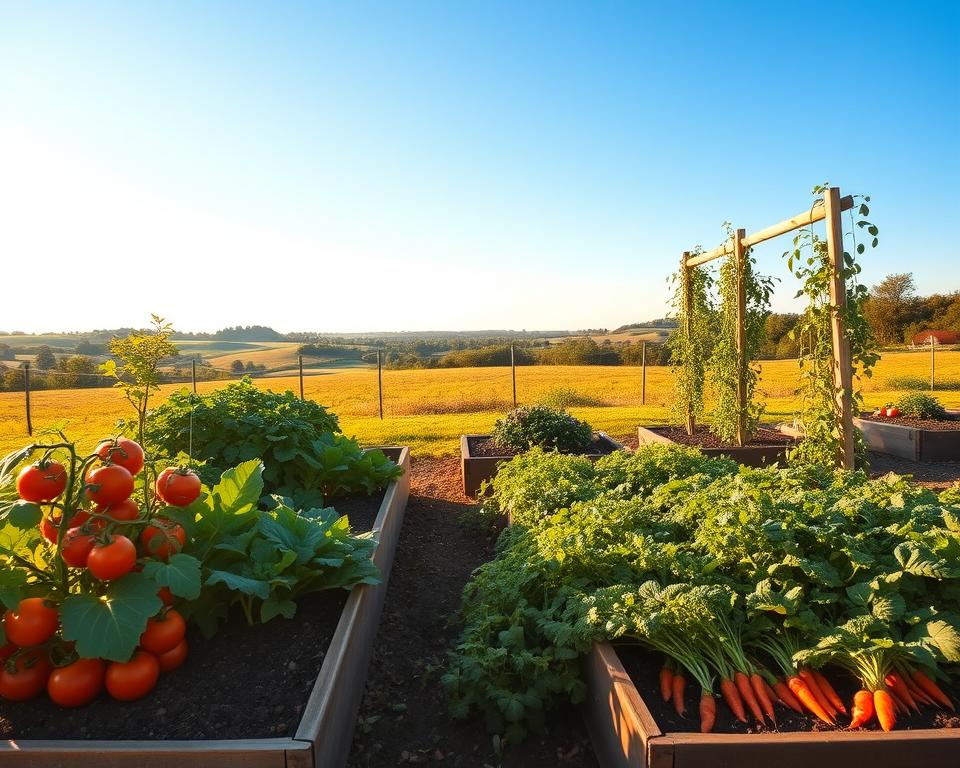
For beginners, starting with a modest-sized garden is advisable to prevent it from becoming overwhelming. A 10×10-foot garden (100 square feet) is a manageable size if you’re planting in the ground. For raised beds, consider a 4×4-foot or 4×8-foot bed. These sizes allow you to grow a variety of vegetables without feeling overwhelmed.
Scaling Based on Available Space
Assessing your available space realistically is key to planning your garden. Consider not just the footprint of the garden but also access requirements, tool storage, and future expansion possibilities. Make sure you have enough room to move around comfortably and that your garden is accessible.
Planning for Pathways and Access
Incorporating pathways into your garden layout is essential for easy maintenance. Ensure that you have paths every 4 feet or so to access your plants for weeding and harvesting. This will help you maintain your garden without damaging the soil or your plants.
By carefully planning the size of your garden and considering factors like pathways and access, you can create a productive and enjoyable vegetable garden that meets your needs.
In-Ground vs. Raised Beds: Choosing Your Garden Style
The decision between in-ground, raised beds, and container gardening depends on several factors, including your available space, soil quality, and personal preference. Each method has its unique advantages and challenges.
Benefits of In-Ground Gardens
In-ground gardens offer several benefits, including lower initial costs and easier integration with the existing landscape. By utilising the natural soil, you can also tap into its ecosystem and moisture. However, in-ground gardens can be challenging if your native soil is poor or if you have significant weed pressure.
Key considerations for in-ground gardens: soil quality, drainage, and weed management.
Advantages of Raised Bed Gardens
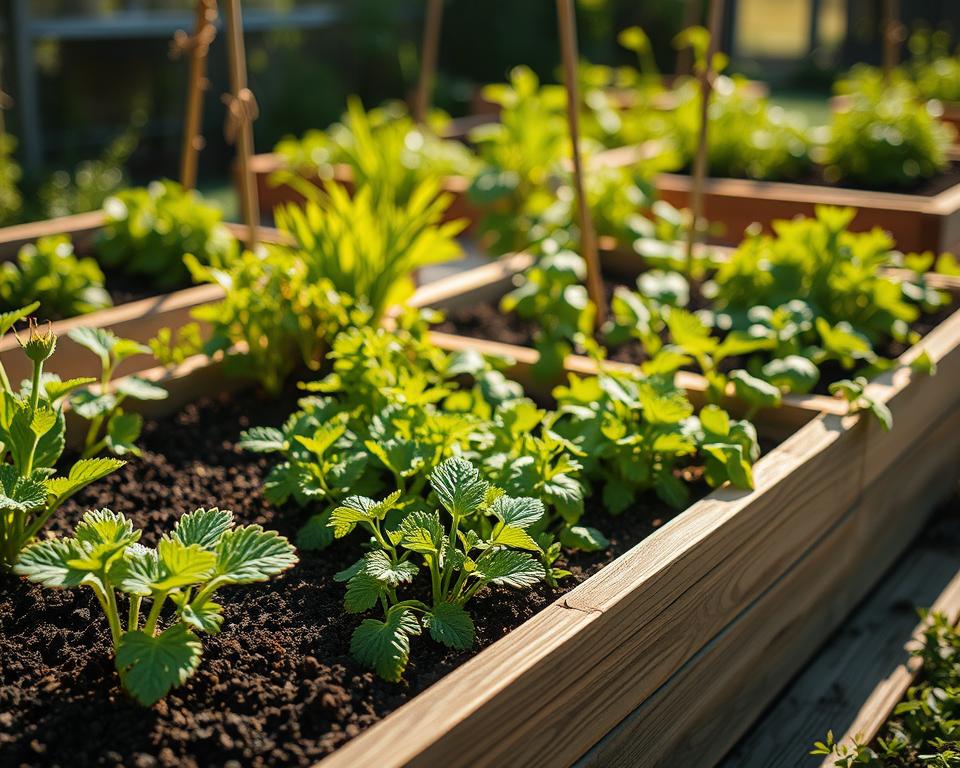
Raised bed gardens provide improved drainage, better soil quality control, and extended growing seasons. They also reduce the need for bending and kneeling, making maintenance easier. You can construct raised beds using timber, metal, or composite materials, considering factors like longevity and sustainability.
A good starting size for a raised bed is 4×4 feet or 4×8 feet. Filling your raised bed with a mix of compost, manure, and other organic matter can enhance soil fertility and structure.
Container Gardening Options
Container gardening is a versatile option for those with limited space or poor soil. You can place containers on balconies, patios, or anywhere with good sunlight. When choosing containers, consider their size, material, and drainage. Use a high-quality potting mix to ensure good soil structure and fertility.
Tips for container gardening: select containers with good drainage, use appropriate potting mix, and ensure sufficient sunlight.
By understanding the advantages and challenges of in-ground, raised bed, and container gardening, you can choose the best approach for your vegetable garden, maximising your space and yield.
Creating & Designing a Vegetable Garden Layout
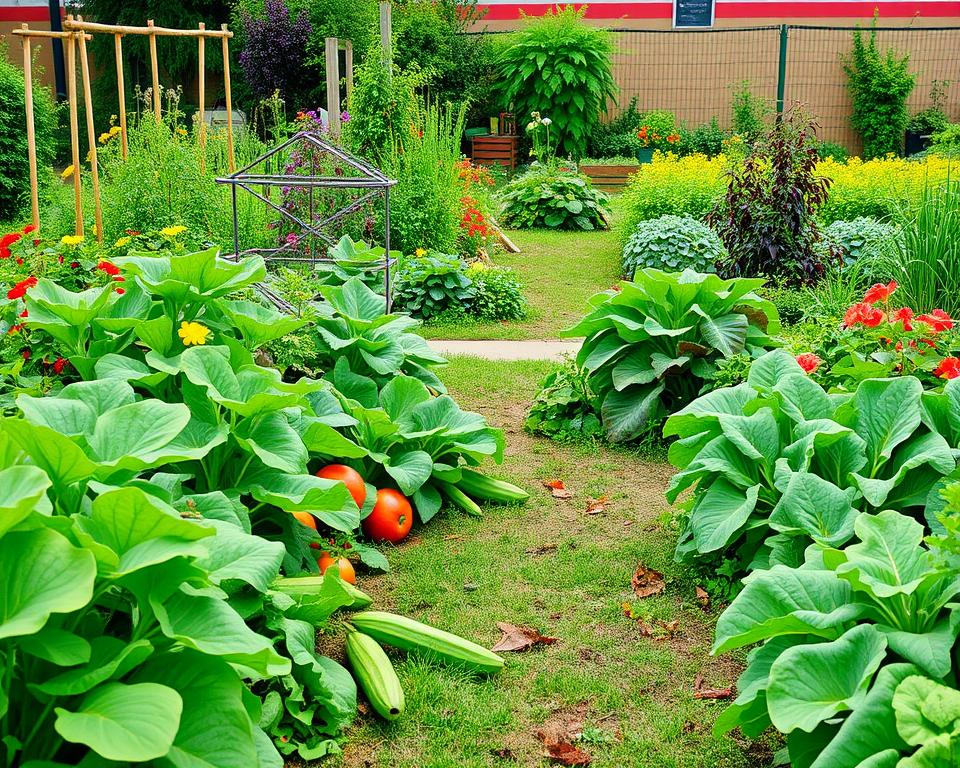
Designing a vegetable garden layout is an art that balances aesthetics with productivity. A well-planned garden not only looks appealing but also maximises yield and minimises maintenance.
Block Planting vs. Row Planting
When it comes to vegetable garden layout design, one of the key decisions is whether to use block planting or traditional row planting. Block planting involves growing vegetables in closely spaced blocks rather than in long rows. This method can significantly increase yield per square metre and reduce soil erosion.
In contrast, row planting is more traditional and can be beneficial for certain types of vegetables, such as tomatoes and climbing beans, which require support and space between rows for easy access.
Companion Planting Strategies
Companion planting is another effective strategy for maximising space and improving growth in your vegetable garden. By pairing vegetables that complement each other, you can enhance their growth, deter pests, and make the most of your space.
For example, planting fast-growing radishes alongside slower-growing carrots can help to loosen the soil and provide more space for the carrots to develop.
Crop Rotation Planning
Crop rotation planning is crucial for maintaining soil health and preventing the buildup of pests and diseases. By rotating your crops, you can ensure that your soil remains fertile and that your vegetables remain healthy.
A simple crop rotation plan can be developed by dividing your vegetables into categories and rotating them seasonally.
Selecting the Right Vegetables for Your Garden
The right vegetable selection can make all the difference in achieving a productive and enjoyable garden. When planning your garden, it’s crucial to consider several factors to ensure a successful harvest.
Easy Vegetables for Beginners
If you’re new to gardening, starting with easy-to-grow vegetables is a great way to build your confidence. Vegetables like lettuce, radishes, beetroot, courgettes, and runner beans are ideal for beginners. They require minimal expertise and offer high success rates. These vegetables are perfect for those who are just starting out because they are relatively low maintenance and can thrive in a variety of conditions.
| Vegetable | Ease of Growth | Maintenance Level |
|---|---|---|
| Lettuce | Easy | Low |
| Radishes | Easy | Low |
| Beetroot | Moderate | Medium |
| Courgettes | Easy | Medium |
| Runner Beans | Moderate | High |
Choosing Vegetables Your Family Will Eat
It’s essential to choose vegetables that your family will actually eat. There’s no point in growing large quantities of a vegetable that nobody likes. Consider your family’s preferences and eating habits when selecting vegetables for your garden. If your kids love green beans, for example, put more effort into growing a big crop of beans. Be realistic about how many vegetables your family will consume to avoid overplanting.
Seasonal Considerations for the UK Climate
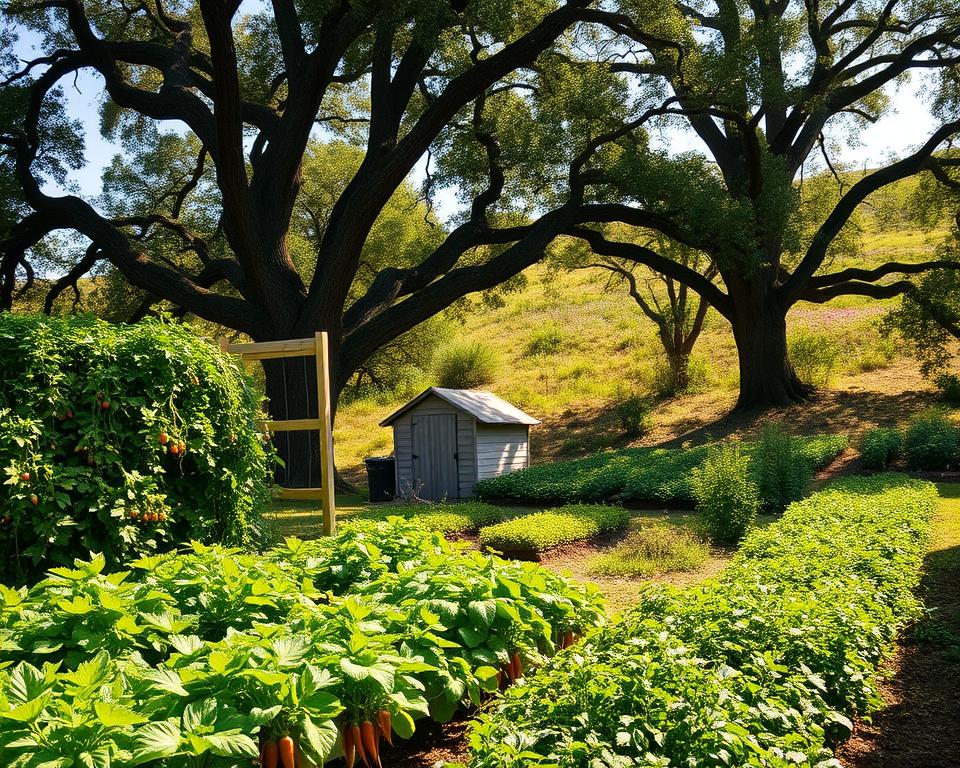
The UK’s temperate climate means that different vegetables are suitable for different seasons. For spring and early summer, consider planting cool-season crops like lettuce, kale, peas, and root vegetables. In the warmer months, tomatoes, courgettes, and other warm-season crops thrive. Understanding the seasonal requirements of various vegetables will help you plan your garden effectively and make the most of the growing seasons.
By considering these factors and choosing the right vegetables for your garden, you’ll be well on your way to a successful and enjoyable gardening experience.
Preparing Your Garden Soil for Planting
Soil preparation is the foundation upon which a productive vegetable garden is built. Your soil feeds your plants, and without it being rich in nutrients, you’ll struggle to grow healthy, thriving vegetables.
To start, it’s crucial to understand the quality of your soil. Testing your soil can reveal its texture, structure, pH levels, and nutrient content. You can use professional testing services or DIY methods to assess your soil’s condition.
Testing and Improving Soil Quality
Improving your soil quality depends on its type. Whether you’re dealing with heavy clay, sandy soil, or compacted ground, there are techniques to enhance its structure and fertility. For instance, adding organic matter like compost can significantly improve soil quality.
As one expert puts it, “The key to successful gardening is in the soil. By improving its structure and fertility, you set your plants up for success.” This highlights the importance of soil preparation in gardening.
“Healthy soil is the backbone of any successful garden. It’s not just about planting; it’s about creating an environment where plants can thrive.”
Adding Organic Matter and Compost
Adding compost and other organic matter is a straightforward way to enhance your soil’s fertility and structure. Compost provides essential nutrients to your plants and improves the soil’s water-holding capacity.
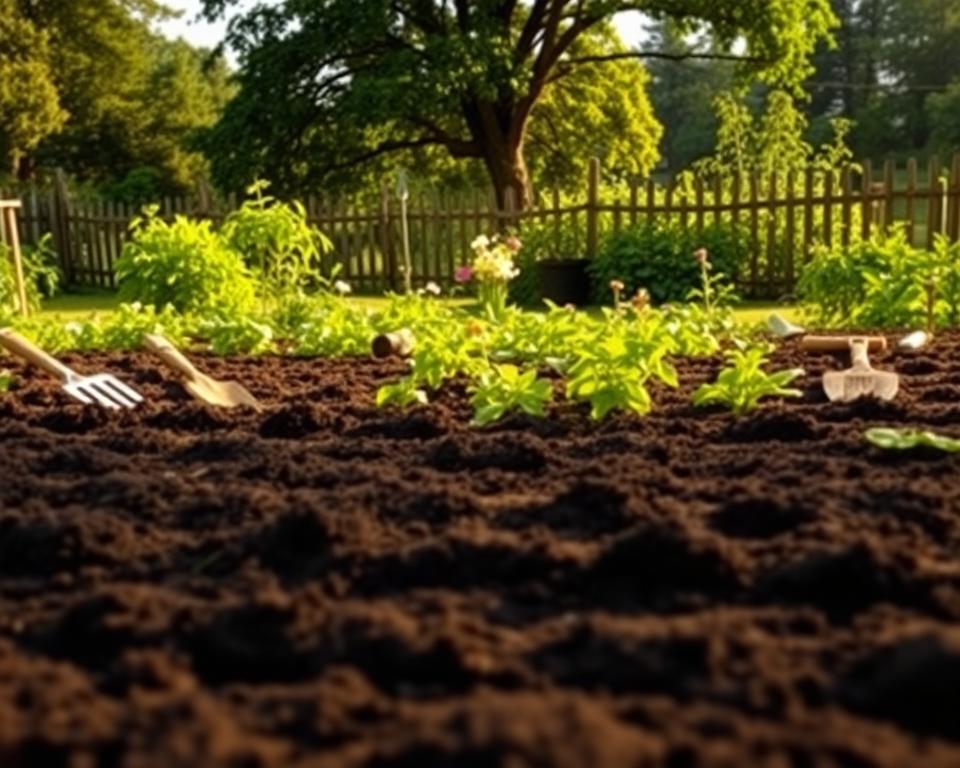
For a vegetable garden, using the no-dig method, also known as lasagne gardening, can be particularly effective. This involves layering organic materials like compost, manure, and pea straw to create a nutrient-rich growing bed.
No-Dig Gardening Method
The no-dig gardening method minimises soil disturbance, preserving its structure and beneficial organisms. By layering organic materials, you create a compost-style heap within your garden bed that breaks down over time to form nutrient-rich soil.
To implement this method, start by layering materials like pea straw, compost, and manure. Water each layer to keep it moist. For a 30cm deep garden bed, you can use multiple layers, finishing with a compost layer on top.
By following these steps and preparing your soil properly, you’ll be on your way to creating a thriving garden that is both productive and sustainable.
Maximising Space with Vertical Gardening

Vertical gardening is a game-changer for small gardens, allowing you to grow more in less space. By utilising the vertical dimension, you can increase your garden’s productivity and diversity. This approach is particularly beneficial in urban settings where garden space is limited.
Best Climbing Vegetables
When it comes to vertical gardening, choosing the right climbing vegetables is crucial. Popular options include runner beans, climbing French beans, peas, cucumbers, and certain varieties of squash and tomatoes. These plants are not only productive but also make efficient use of vertical space.
Trellis and Support Structures
The right trellis and support structures are essential for a successful vertical garden. Options range from simple bamboo canes and string systems to more complex A-frames, arches, and wall-mounted grids. The key is to select structures that are sturdy enough to support the weight of your plants.
Layering Plants for Efficiency
One of the advantages of vertical gardening is the ability to layer plants, creating a beneficial microclimate. For example, you can grow shade-loving lettuces beneath climbing beans or cucumbers, maximising space and reducing the need for additional shading.
By incorporating vertical gardening techniques into your garden design, you can enjoy a more productive and diverse growing space. Whether you’re working with a small balcony or a compact backyard, vertical gardening offers a practical solution to maximise your garden’s potential.
Planting Techniques for a Productive Garden
To maximise your garden’s productivity, it’s essential to master the right planting techniques. Effective planting techniques are crucial for a bountiful harvest, and understanding the different methods can help you make the most of your garden space.
Direct Sowing vs. Transplanting
When it comes to planting, you have two main options: direct sowing and transplanting. Direct sowing involves planting seeds directly into the garden soil, while transplanting involves starting seeds indoors and then moving them to the garden. Both methods have their advantages and disadvantages.
| Method | Advantages | Disadvantages |
|---|---|---|
| Direct Sowing | Less labour-intensive, reduces transplant shock | More susceptible to pests and diseases, requires thinning |
| Transplanting | Allows for better control over growing conditions, can extend the growing season | Requires more labour, can result in transplant shock |
Proper Spacing and Density
Proper spacing and density are critical for maximising yield and minimising disease problems. Most plants do well with less than the recommended spacing, so don’t be afraid to plant more densely. However, be sure to thin out seedlings as they grow to prevent overcrowding.
Succession Planting for Continuous Harvests
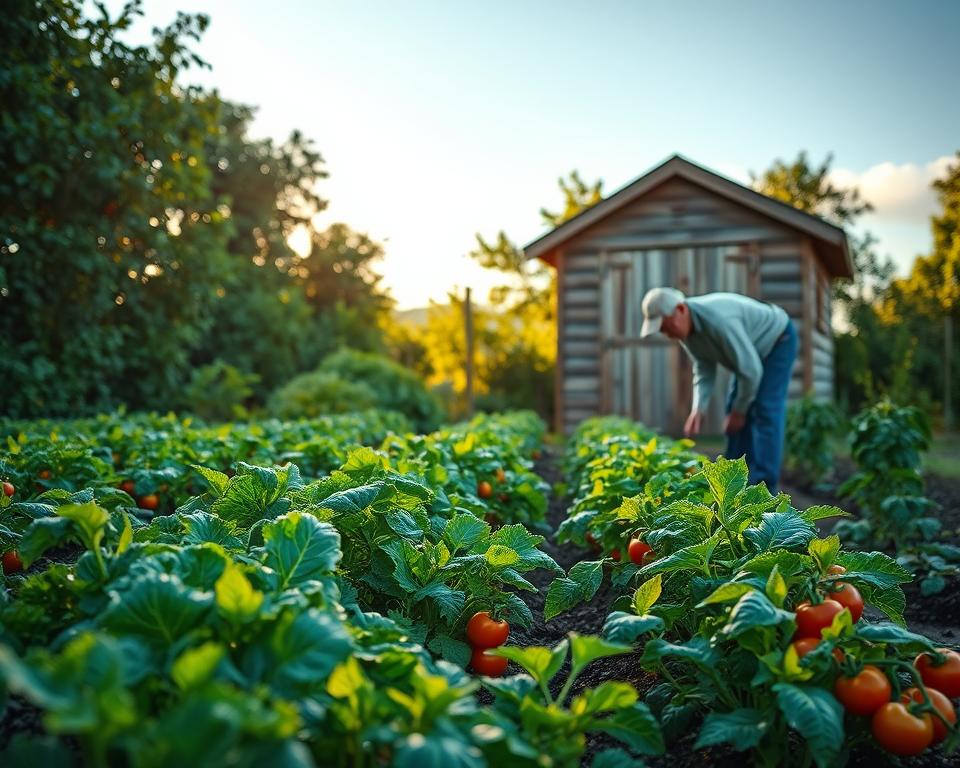
Succession planting involves sowing new crops every few weeks to ensure continuous harvests throughout the growing season. This technique makes the most of your garden space and ensures a constant supply of fresh produce. For example, you can follow spring-planted cool-season crops with heat-loving crops for summer.
By mastering these planting techniques, you can create a productive and thriving vegetable garden that provides a bountiful harvest all season long.
Essential Tools and Materials for Your Vegetable Garden

A well-stocked toolkit is the backbone of any successful vegetable gardening endeavour. As a beginner, you’ll want to focus on acquiring the fundamental tools and materials that will make your gardening tasks more efficient and enjoyable.
Basic Hand Tools
Every vegetable gardener needs a set of basic hand tools, including a quality trowel for planting, a hand fork for gently turning over soil, and secateurs for pruning. A reliable garden spade and fork are also essential for larger tasks. Investing in good-quality, ergonomic tools will reduce strain during gardening tasks and last for years to come.
Watering Equipment
Effective watering is crucial for a healthy vegetable garden. You can choose from various watering equipment options, such as traditional watering cans, irrigation systems, or soaker hoses, depending on the size of your garden. Consider using water butts to collect rainwater, a water-conserving practice particularly relevant to UK gardeners.
Mulch and Garden Amendments
Mulch plays a vital role in maintaining soil health and suppressing weed growth. You can use various mulching materials like straw, compost, or wood chips. Additionally, consider using Seasol seaweed fertiliser to promote healthy plant growth. Other essential soil amendments include compost and well-rotted manure.
Maintaining Your Vegetable Garden
The key to a flourishing vegetable garden lies in consistent maintenance routines. To keep your garden productive throughout the growing season, it’s essential to balance effort with results. Regular maintenance not only ensures a bountiful harvest but also prevents potential issues from arising.
Effective Watering Practices
Understanding watering best practices is vital for vegetable gardens in the UK climate. You should adjust your watering frequency based on weather conditions, soil type, and plant growth stages. For instance, during hot spells, plants may require more frequent watering, while during cooler periods, less water may be needed.
Employing efficient watering techniques such as drip irrigation or soaker hoses can deliver moisture directly to plant roots, minimising waste and reducing the risk of fungal diseases. It’s also crucial to water at the right time, typically early morning or late evening, to maximise absorption and minimise evaporation.
| Watering Technique | Benefits | Best Time to Water |
|---|---|---|
| Drip Irrigation | Reduces water waste, delivers water directly to roots | Early morning or late evening |
| Soaker Hoses | Provides consistent moisture, reduces evaporation | Early morning or late evening |
| Hand Watering | Allows for precise control, suitable for small gardens | Anytime, but avoid midday |
Weed Management Strategies
Effective weed management is critical to prevent weeds from competing with your vegetables for nutrients, water, and light. Techniques such as mulching, hand weeding, and hoeing can keep weeds under control while maintaining soil health and structure.
Mulching, for example, not only suppresses weeds but also retains moisture and regulates soil temperature. Hand weeding is effective for removing weeds in tight spaces, while hoeing is a quick method for clearing larger areas.
Pest and Disease Control
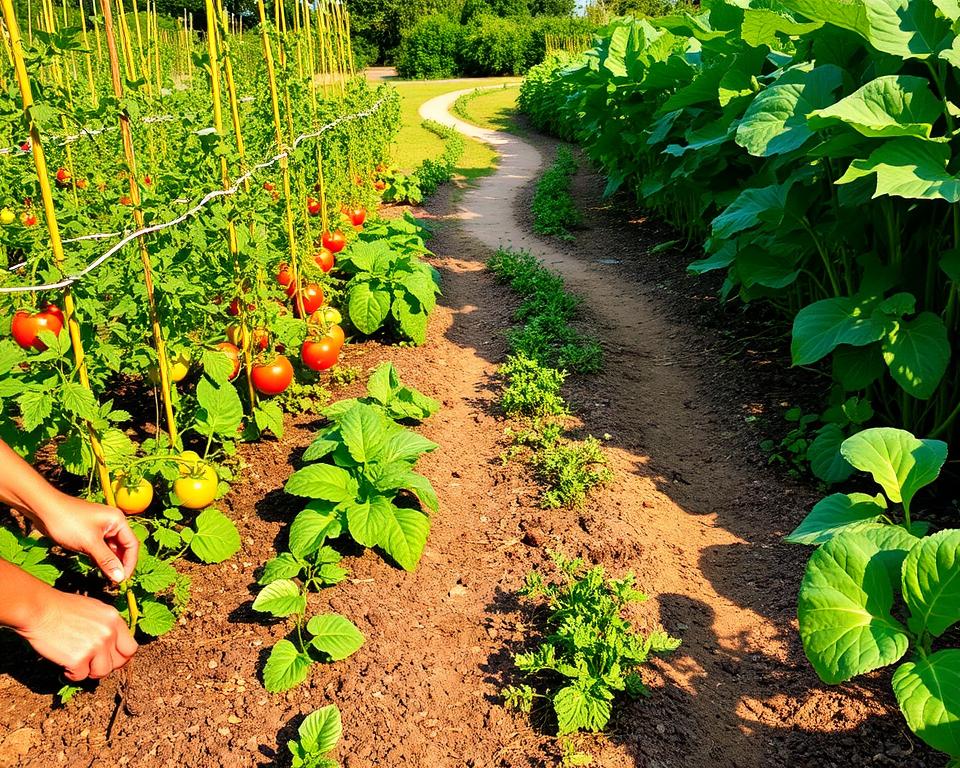
Understanding common pest and disease problems affecting UK vegetable gardens is essential for maintaining plant health. Issues such as cabbage white butterflies, aphids, and blight can significantly impact your harvest if left unchecked.
Employing organic and environmentally friendly approaches to pest management, such as companion planting, physical barriers, and biological controls, can help mitigate these issues. For example, planting marigolds alongside tomatoes can deter nematodes, while using row covers can protect against cabbage white butterflies.
By adopting these maintenance routines and staying vigilant, you can ensure your vegetable garden remains healthy and productive throughout the growing season.
Seasonal Gardening Calendar for UK Vegetable Growers
Understanding the seasonal rhythm of your vegetable garden is crucial for a bountiful harvest in the UK climate. As the seasons change, so do the tasks and opportunities in your garden.
Spring Planting Guide
In the UK, spring is a busy time for vegetable gardeners. It’s essential to know when to sow early crops and how to protect tender seedlings from late frosts. Vegetables like peas, broad beans, and spinach can be directly sown into the ground as soon as the soil is workable.
Summer Maintenance Tips
Summer maintenance is critical for a productive garden. This includes maintaining watering regimes during dry spells, succession sowing for continuous harvests, and monitoring for pests. Regularly check your plants for signs of disease or stress.
Autumn Harvesting and Winter Preparation
As autumn arrives, focus on harvesting your crops at their peak flavour and storage potential. Prepare your garden for winter by improving soil structure, maintaining garden structures, and protecting overwintering crops. Hardy greens and root vegetables can still be grown under protection during the winter months.

By following this seasonal gardening calendar, you can ensure a year-round harvest and maintain a healthy, productive vegetable garden in the UK climate.
Conclusion
As you start your vegetable gardening journey, you’ll discover that it’s a continuous learning process that offers numerous rewards. With each passing year, you’ll gain valuable experience and insights that will help you refine your techniques.
To create a thriving vegetable garden, it’s essential to consider factors such as site selection, soil preparation, and maintenance routines. By choosing the right plants and making the most of your available space, you can enjoy a bountiful harvest of delicious vegetables.
Gardening is a journey that requires patience, adaptability, and a willingness to learn. As you progress, you’ll develop the skills and confidence needed to tackle new challenges and make the most of your garden. With time and practice, you’ll be able to enjoy the many benefits of gardening, from improved wellbeing to the satisfaction of growing your own food.
So, take the first step today and start planning your vegetable garden. Whether you’re a seasoned gardener or just starting out, the garden of your dreams is within reach. With careful planning and attention to detail, you can create a beautiful and productive garden that will provide you with joy and nourishment for years to come.
FAQ
What are the benefits of using raised beds in my vegetable garden?
Raised beds offer improved drainage, better soil structure, and warmer soil temperatures, which can lead to earlier planting and increased yields. They also reduce soil compaction and make it easier to manage weeds and pests.
How often should I water my vegetable garden?
The frequency of watering depends on weather conditions, soil type, and the specific needs of your plants. As a general rule, vegetables need about 2.5 cm of water per week, either from rainfall or irrigation. You should check the soil moisture regularly and adjust your watering schedule accordingly.
What is companion planting, and how can it benefit my garden?
Companion planting involves growing different plants together to improve their growth, health, or productivity. For example, planting marigolds with tomatoes can help deter nematodes, while basil can improve the flavour of nearby tomatoes. This technique can help reduce pests and diseases, and create a more balanced ecosystem in your garden.
How can I maximise space in my small vegetable garden?
To maximise space, consider using vertical gardening techniques, such as trellises or wall-mounted planters, to grow climbing plants like peas, beans, or cucumbers. You can also use container gardening or intercropping to make the most of your available space.
What are the easiest vegetables to grow for beginners?
Some of the easiest vegetables to grow for beginners include leafy greens like lettuce and kale, cherry tomatoes, and root vegetables like carrots and radishes. These plants are relatively low-maintenance and can thrive in a variety of conditions.
How can I improve the soil quality in my vegetable garden?
To improve soil quality, you can add organic matter like compost or well-rotted manure to increase the soil’s fertility and structure. You can also test your soil to determine its pH level and nutrient content, and adjust it accordingly.
What is crop rotation, and why is it important?
Crop rotation involves rotating different crops around your garden to avoid depleting the soil of specific nutrients and to reduce the risk of pests and diseases. This technique can help maintain soil fertility, reduce the need for fertilisers and pesticides, and promote a healthy and balanced ecosystem in your garden.