Decorative Garden Fencing Ideas You Need to Try
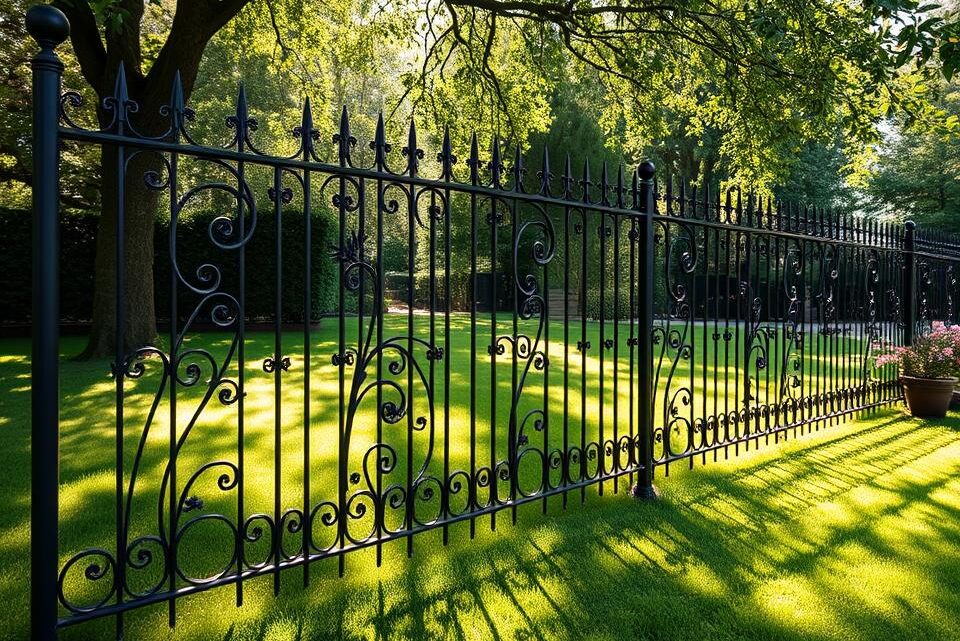
A thoughtfully designed garden fence serves as more than just a boundary marker. It transforms an outdoor space into a cohesive and visually appealing environment. The right fencing choices can elevate the entire garden design, creating both practical benefits and aesthetic appeal.
Selecting appropriate fencing involves considering several key factors. The garden’s primary purpose, available space, and desired aesthetic all influence the final decision. Different fence panel designs offer unique opportunities for creative expression within the landscape.
Well-planned garden fencing extends beyond basic functionality. It provides privacy, enhances security, and supports plant growth. These structures also create distinct zones within larger gardens, making the most of available space.
Whether starting with a blank canvas or renovating an existing garden, fencing serves as a foundational element. It establishes the framework for the entire outdoor design, balancing visual appeal with practical considerations.
Inhaltsverzeichnis
Key Takeaways
- Garden fencing serves dual purposes: practical boundary definition and aesthetic enhancement
- The right fence design transforms outdoor spaces from functional to visually stunning
- Fencing considerations include privacy, security, and plant support requirements
- Different fence panel options allow for creative expression in garden layout
- Thoughtful fencing maximises space utilisation in both small and large gardens
- Successful garden design balances aesthetic appeal with practical functionality
- Fencing provides the structural framework for comprehensive garden architecture
Creative Panel Designs to Transform Your Garden
Modern fence panels offer a surprising degree of artistic freedom for outdoor spaces. The available selection spans materials, colours, and intricate designs to suit any theme. From rustic charm to contemporary sleekness, these panels form the visual foundation of a landscape.
Exploring Aesthetic Fence Panel Options
Aesthetic choices extend beyond basic styles. Decorative designs feature cut-outs and patterns that cast beautiful shadows. Strategic placement can create a window effect, framing views within the space.
These artistic screens add significant visual interest. They transform a simple boundary into a striking architectural feature. The design becomes an integral part of the overall scheme.
Integrating Climbing Plants and Trellis Features
Integrating a trellis extends the functionality of standard fence panels. It supports climbing plants like clematis and honeysuckle, creating lush, living screens. This approach softens hard lines with natural beauty.
Lattice trellis with smaller squares offers greater privacy while remaining airy. It is ideal for creating secluded nooks. Combining solid panels below with open trellis above balances privacy with light penetration.
This combination prevents an outdoor area from feeling enclosed. It is important to clear plant matter after the growing season. This maintenance protects the panel materials from moisture damage.
Decorative Garden Fencing Ideas You Need to Try: Innovative Options to Enhance Your Outdoor Space
Material fusion represents a sophisticated approach to crafting unique outdoor boundaries. This method allows homeowners to create distinctive looks that stand out from conventional designs. The combination of different textures and elements adds depth to any perimeter.
Mixing Materials for a Unique Look
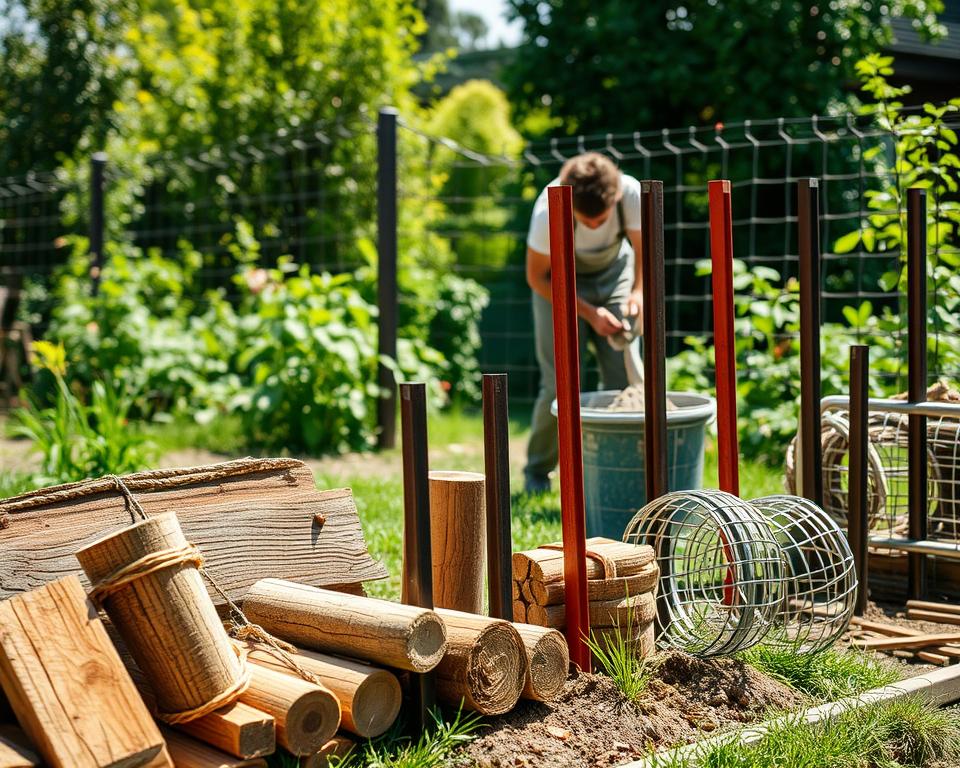
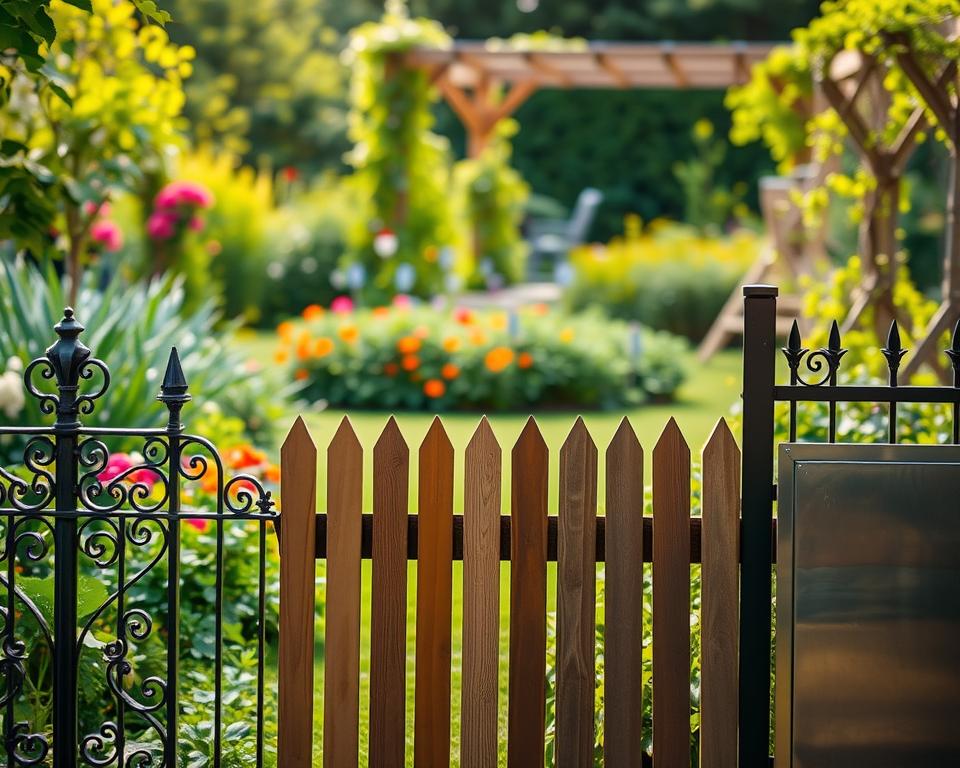
Combining wood with metal creates striking contrasts in boundary design. This approach leverages the warmth of timber against the sleekness of metallic finishes. Homeowners can explore various materials combinations to achieve their desired aesthetic.
Painted finishes offer another dimension to these creative options. A fresh coat of colour can transform standard panels into custom features. This simple update provides an affordable way to refresh an outdoor area.
Accent sections break up monotonous boundaries effectively. Strategic placement of distinctive panels creates focal points without complete replacement. This technique works well for highlighting specific garden zones or features.
Mixed media designs incorporate unconventional elements like glass or ceramics. These ideas introduce light filtration and texture variations. The result is a boundary that serves as both practical enclosure and artistic statement.
Custom carvings or patterns add personal significance to the look. This approach transforms functional boundaries into expressions of individual style. The finished product becomes a unique feature within the landscape.
Choosing Materials and Styles for Your Garden Fence
Material selection forms the foundation of any successful boundary installation, balancing practical requirements with visual appeal. The right choice ensures longevity while complementing the outdoor space’s character.
Wood, Metal, Vinyl and Composite Options
Timber remains a popular choice for its natural appearance. Pressure-treated wood offers excellent durability with minimal maintenance requirements. Untreated panels need regular preservative applications.
Metal fencing provides a contemporary solution. Galvanised steel with PVC plastisol finish offers superior weather resistance. This option suits modern landscapes with clean lines.
Vinyl panels create virtually maintenance-free boundaries. The PVC composition ensures longevity despite higher initial costs. These materials withstand harsh weather conditions effectively.
Composite options blend recycled wood fibres and plastic. This sustainable approach mimics natural timber while enhancing durability. The resulting panels require little upkeep.
| Material | Maintenance | Lifespan | Cost |
|---|---|---|---|
| Pressure-treated timber | Low | 15-20 years | Medium |
| Metal with PVC finish | Very low | 20+ years | High |
| Vinyl panels | Minimal | 20-30 years | High |
| Composite materials | Low | 25+ years | Medium-High |
Sustainable and Low-Maintenance Selections
Environmentally conscious choices are increasingly important. Pressure-treated wood from managed forests offers responsible sourcing. Composite materials utilise recycled content effectively.
Horizontal slat designs create an illusion of space. This technique benefits smaller gardens by enhancing perceived dimensions. The visual effect makes areas feel more expansive.
Each material option presents distinct advantages. Consideration of long-term maintenance and environmental impact guides appropriate selection. The right balance ensures both aesthetic and practical success.
Integrating Functional Elements and Lighting
Thoughtful integration of lighting and accents elevates fencing from a simple boundary to a key garden feature. This approach extends the usability of an outdoor space into the evening, creating ambience and highlighting the design.
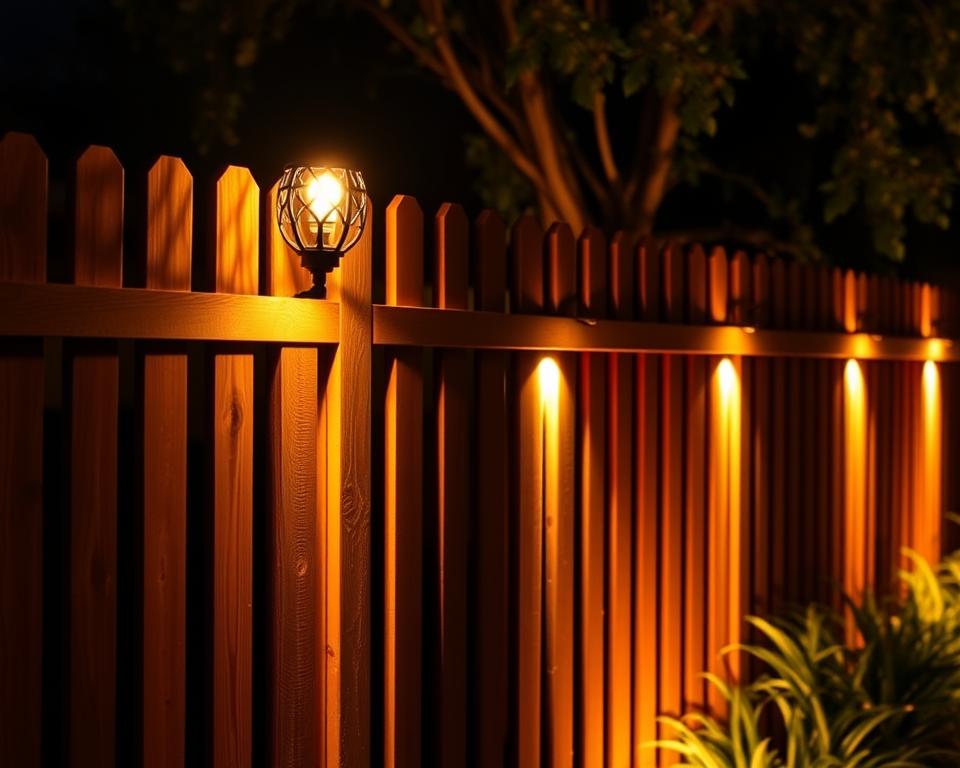
Outdoor Lighting Solutions to Accentuate Designs
Strategic illumination is a simple way to transform a perimeter. Solar-powered lights attached to panels provide a fuss-free effect. They offer practical light without complex wiring.
Draping festoon lights along the top of a fence creates a modern, café-style atmosphere. Weaving fairy lights through a trellis produces a softer, whimsical glow. Both options add instant warmth and charm.
This type of lighting accentuates architectural details after sunset. It makes smaller gardens feel more expansive and inviting. The right colour temperature can enhance the desired mood.
Creative Use of Fence Toppers and Accents
Fence toppers are a clever solution for adding height and personality. Solid wooden or intricate metal designs can improve privacy and security. They refresh a plain appearance without a full replacement.
Decorative screening panels made from metal or glass introduce visual contrast. Placed as a feature behind a seating area, they create interest. Many designs also function as supports for climbing plants.
These accents filter light to create dynamic shadow patterns. They are a cost-effective way to enhance the overall design scheme. The result is a multi-functional boundary that serves both practical and aesthetic roles in the garden.
Designing Fencing for Privacy and Security
Strategic boundary installations can transform overlooked spaces into secluded retreats while maintaining security. This approach addresses the dual needs of creating intimate areas and establishing clear property lines.
Balancing Aesthetics with Practicality
Solid panels or closely spaced slats offer maximum privacy for overlooked areas. These solutions create intimate spaces without compromising on style.
Trellis options with smaller lattice patterns provide effective screening while remaining light and airy. This prevents outdoor spaces from feeling enclosed or oppressive.
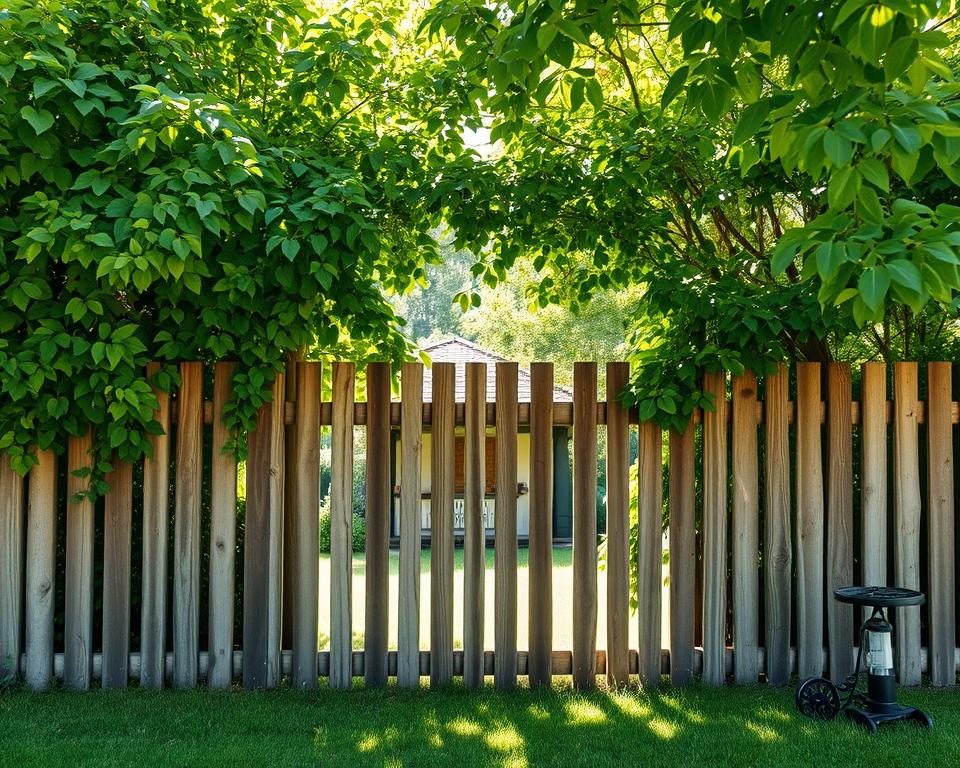
Innovative Screening and Storage Areas
Angled fencing carves out private nooks within larger gardens. This technique makes the most of awkward layouts or dead space.
Garden screens serve dual purposes by concealing storage areas while defining zones. They offer a cost-effective way to organise outdoor spaces attractively.
Acoustic fencing solutions address noise pollution effectively. Reflective barriers can reduce sound levels significantly while maintaining attractive timber façades.
Enhancing Your Garden with Customised Fencing Accents
Personal touches can elevate a boundary from purely functional to a central feature of an outdoor area. This approach allows for creative expression, turning standard structures into unique elements.
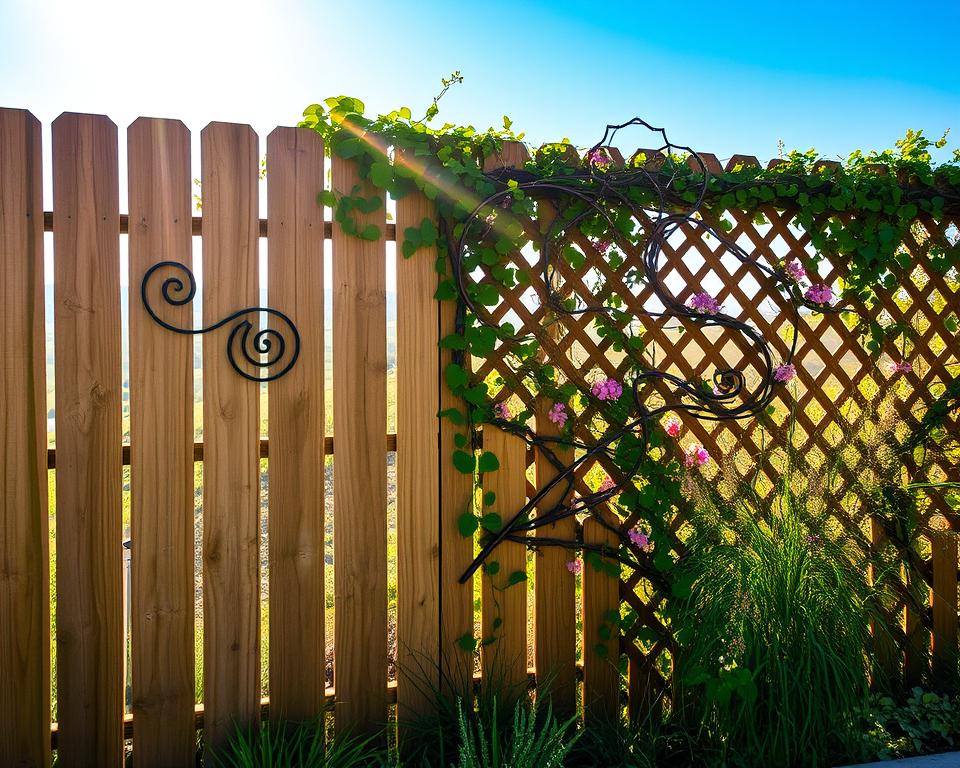
Adding Personalised Touches with Murals and Accent Panels
A fresh coat of paint offers a straightforward way to refresh a garden fence. Homeowners can apply a uniform colour to create a clean, cohesive look. This technique is effective for tying together different panels and materials.
Shades like deep green or charcoal provide a sophisticated backdrop. These colours help plants stand out while making boundaries appear more polished.
For a bolder statement, painting a mural transforms a dull boundary. Scenic landscapes or abstract designs add significant personality. This creative feature can cleverly disguise worn panels.
Weatherproof paint ensures these artistic additions last for years. Pre-planning the design is key to achieving a professional finish.
Attaching functional elements like bug hotels adds another dimension. These structures turn unused fence space into habitats for beneficial insects. Placing them at eye level creates an interesting focal point.
This approach supports local wildlife while adding visual interest. It is an excellent style choice for families, offering educational opportunities.
Even simple touches, like a consistent colour scheme, can unify an entire garden. This method proves that customisation does not require expert skill. The result is a personalised boundary that reflects individual taste.
Planning Your Garden Layout with Fencing Panels
Proper planning is the cornerstone of any successful garden boundary project. This phase involves both legal compliance and practical measurement considerations. Investing time in thorough preparation prevents costly mistakes later.

Understanding Planning Laws and Regulations
Most garden fences, gates, and walls do not require planning permission under specific conditions. Boundaries adjacent to roads must not exceed one metre in height. Elsewhere on the property, two metres is generally permitted.
Special circumstances may require approval from local authorities. This includes boundaries connected to listed buildings or forming part of listed building projects. The Party Walls Act 1996 mandates neighbour notification for shared boundary work.
Consulting local planning authorities is advisable when uncertainty exists. They can clarify any additional restrictions beyond national regulations. This proactive approach ensures full compliance.
Taking Accurate Measurements for Perfect Fit
Precise measurements are essential for ordering the correct quantity of materials. This eliminates waste and avoids time-consuming returns. The process should account for the fence’s primary purpose.
Consider whether privacy, security, or aesthetics is the main goal. This determines appropriate panel heights and styles within legal limits. Accurate planning creates a harmonious final result.
Proper measurement techniques consider the entire garden space. They ensure panels fit perfectly without awkward gaps or overlaps. This attention to detail saves both time and money during installation.
Conclusion
The right enclosure choices transform ordinary yards into cohesive, inviting extensions of living spaces. These boundary solutions serve multiple purposes beyond simple demarcation.
Thoughtful selection balances practical needs like privacy and security with aesthetic considerations. The integration of features such as trellis systems supports climbing plants while creating visual interest.
Successful designs reflect personal style while complementing the overall landscape. Proper planning ensures these investments deliver lasting value and satisfaction.
Ultimately, well-chosen fencing creates outdoor areas that feel like natural extensions of the home. They provide spaces to enjoy fresh air and connect with nature throughout the seasons.
FAQ
What are some creative ways to use fence panels in an outdoor space?
Homeowners can transform their outdoor area by selecting panels with intricate cut-outs or geometric patterns. Integrating a trellis into the panel design offers a dual purpose, providing structure for climbing plants while adding visual interest.
How can different materials be combined for a unique fence design?
Combining materials, such as timber slats with a metal frame or composite screening with brick pillars, creates a bespoke look. This approach allows for a custom finish that can complement the architectural style of the property.
What should one consider when choosing materials for a new fence?
Key considerations include the desired maintenance level, durability, and overall aesthetic. Timber offers a natural feel but may require treatment, while vinyl and metal options often provide a longer-lasting, low-maintenance solution.
Can outdoor lighting be incorporated into a fence design?
Absolutely. LED spotlights can be mounted on posts to illuminate a path, or subtle uplighters can be installed at the base to accentuate texture and create a dramatic effect after dark.
How can a fence provide privacy without looking like a solid wall?
Screens with slatted designs or panels with spaced elements allow light and air to permeate while obscuring the view. Staggered larch lap panels are another effective option for creating a permeable barrier.
Are there regulations to be aware of before installing a new fence?
Yes, planning permission may be required for fences over a certain height, particularly if the property is listed or in a conservation area. It is always best to check with the local planning authority first.
What is the best way to ensure fence panels fit perfectly?
Taking precise measurements of the entire area is crucial. It is advisable to account for posts and potential ground slopes. Many suppliers offer a consultation service to assist with accurate planning.