Designing a Low-Maintenance Large Garden
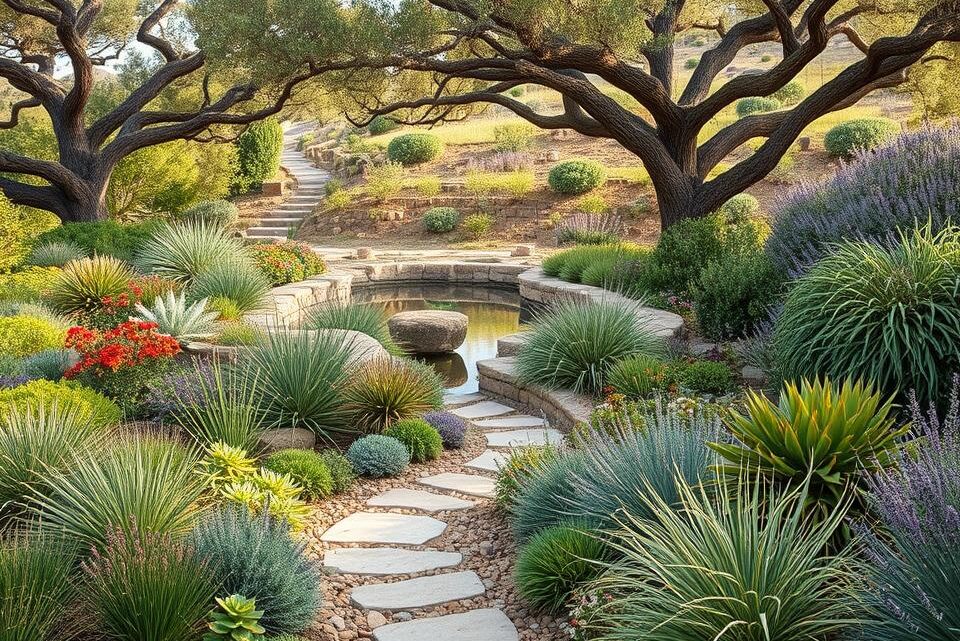
Having a large garden can be a blessing, but it can also be a significant maintenance burden.
You may dream of spending more time relaxing in your outdoor space, but maintaining borders, weeding, cutting the grass, and trimming hedges can be time-consuming and exhausting.
Fortunately, with the right design and plants, you can create a beautiful and functional garden that doesn’t require constant attention.
By implementing strategic planning techniques and making informed choices about hard landscaping and planting schemes, you can enjoy your outdoor space without the hassle of high maintenance.
Inhaltsverzeichnis
Key Takeaways
- Transform your large garden into a low-maintenance haven with the right design approach.
- Reduce regular maintenance tasks by implementing strategic planning techniques.
- Make informed choices about hard landscaping and planting schemes to save time.
- Create a beautiful and functional garden that works with nature, not against it.
- Enjoy your outdoor space without the burden of high maintenance.
The Principles of Low-Maintenance Garden Design
Low-maintenance garden design is about finding the perfect balance between aesthetics and practicality. It’s about creating a beautiful garden that doesn’t demand too much of your time. To achieve this, you need to understand the principles that guide the design of such gardens.
Understanding the Balance Between Beauty and Practicality
A great-looking garden doesn’t have to be hard work. The key is to keep planting simple by choosing hardy shrubs and evergreen plants. These are long-lived and won’t need replacing every year, reducing maintenance efforts. Evergreens look good all year round and drop fewer leaves than deciduous plants, making them ideal for a low-maintenance low-maintenance garden. By selecting plants with complementing textures and colours, you can achieve a year-round effect without needing seasonal bedding plants.
Assessing Your Space and Needs
Successful low-maintenance design requires an honest assessment of how much time you’re willing to dedicate to gardening. Planning accordingly with appropriate plant choices and layout is crucial. The “right plant, right place” principle is fundamental; plants that are well-suited to your soil conditions and local climate will naturally thrive with minimal intervention. When assessing your space, consider existing features like mature trees or slopes that can be incorporated into your design rather than fought against.
By understanding the natural patterns of your garden—where sun falls, where water collects, and how wind moves through the space—you can make smarter decisions about plant placement. Prioritising structure through evergreen shrubs and perennial plants creates a garden that maintains its form throughout the seasons without constant replanting.
Planning Your Low-Maintenance Garden Layout
A well-planned garden layout is crucial for minimizing upkeep while maximizing enjoyment. Your garden’s design should not only be aesthetically pleasing but also functional and easy to maintain.
Effective layout planning determines how efficiently you can move through and maintain your garden space. By creating a thoughtful design, you can reduce the time spent on maintenance tasks and increase the time you spend enjoying your garden.
Creating Distinct Zones for Different Activities
Creating distinct zones within your garden allows you to allocate different maintenance levels to different areas. For example, you might focus more attention on the zones near your house and less on the more distant parts of the garden. This approach enables you to enjoy a beautiful garden without being overwhelmed by maintenance tasks.
- Divide your garden into separate zones for different activities, such as dining, seating, or recreation.
- Assign maintenance levels to each zone based on its purpose and location.
Incorporating Hard Landscaping Strategically
Strategic hard landscaping not only reduces maintenance but also creates structure and year-round interest when plant life is dormant. By incorporating elements like paths, patios, and decking, you can add visual appeal and functionality to your garden.
Consider using materials like natural stone for hard landscaping, as it is durable and requires less upkeep than some alternative materials.
Designing Practical Pathways and Access Points
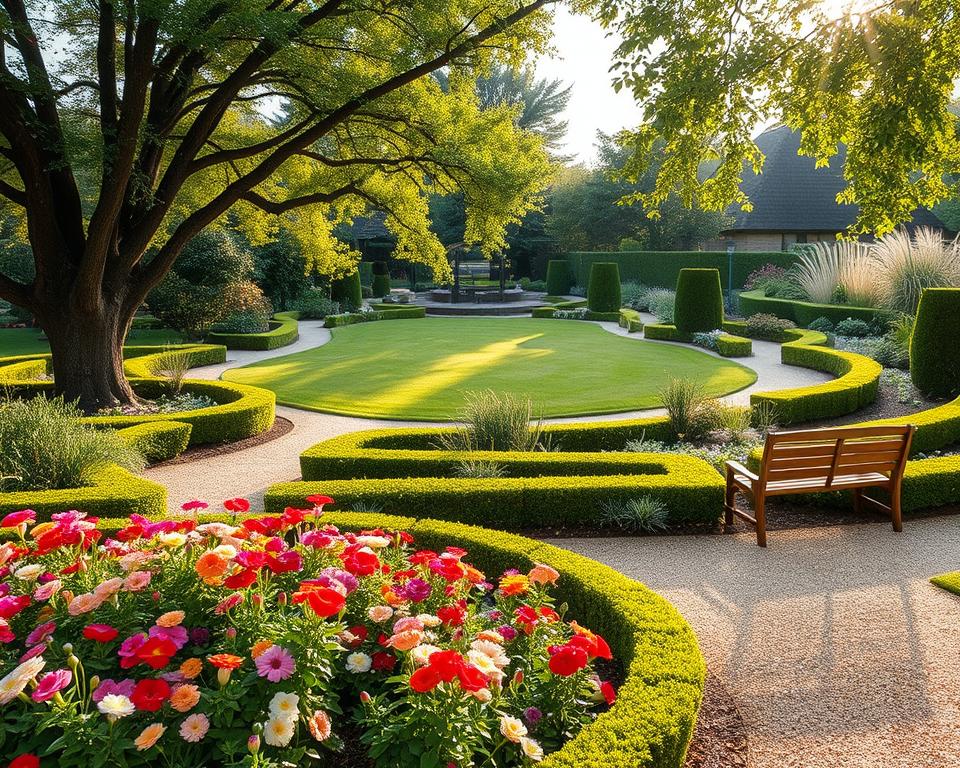
Practical pathways serve multiple purposes: they guide movement through the garden, create visual interest, and reduce wear on planted areas. When designing access points, consider how maintenance equipment will move through the garden—wide, gently curved paths are easier to navigate with wheelbarrows or mowers.
Incorporating seating areas within different zones creates destination points and purpose within the garden while reducing the total planted area requiring maintenance.
By following these guidelines, you can create a beautiful and functional garden that meets your needs and enhances your outdoor living experience.
Designing a Low-Maintenance Large Garden: Plant Selection
A well-designed low-maintenance garden starts with careful plant selection to ensure a beautiful outdoor space with minimal upkeep. The right plants will thrive with minimal intervention, while the wrong choices can lead to endless work. When selecting plants, it’s crucial to consider your soil and site conditions.
Choosing Slow-Growing Shrubs and Evergreens
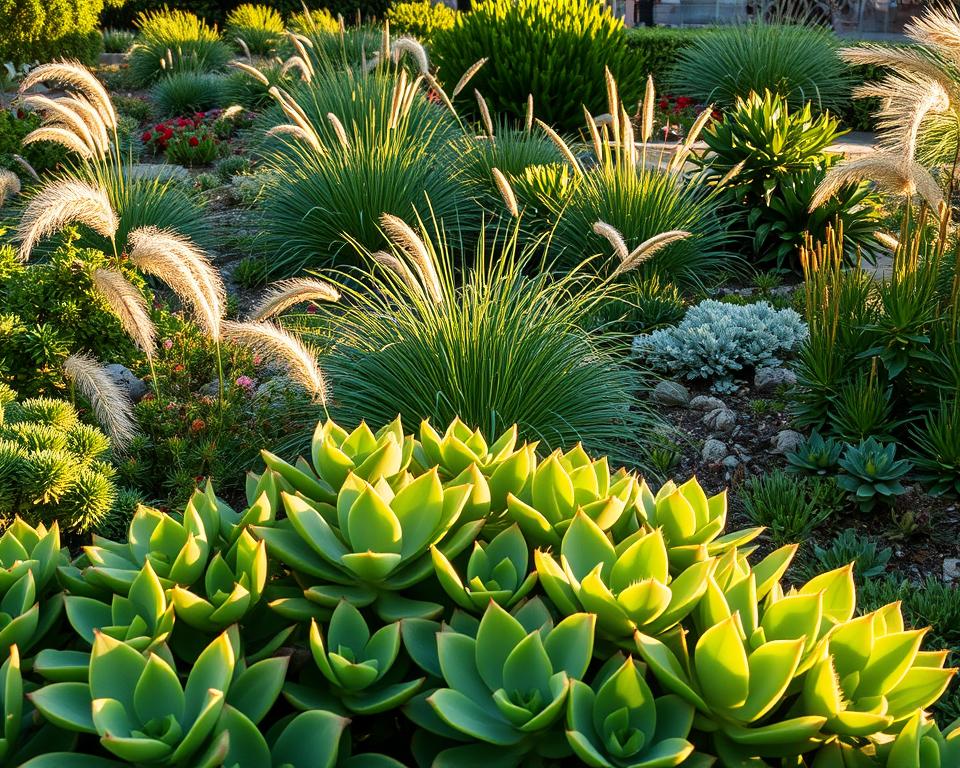
Slow-growing shrubs and evergreens form the backbone of a low-maintenance garden, providing year-round structure without the need for frequent pruning or replacement. Examples include pittosporum, hebe, rosemary, and dwarf conifers. These plants are ideal for creating a beautiful and sustainable garden design.
Incorporating Ground Cover Plants to Suppress Weeds
Ground cover plants serve a dual purpose by creating attractive carpets of foliage while naturally suppressing weeds through competition for light and resources. This approach reduces the need for weeding and maintains a tidy appearance. By choosing the right ground cover, you can minimize maintenance and enhance the overall aesthetic of your garden.
The “Right Plant, Right Place” Principle
The “right plant, right place” principle emphasizes the importance of selecting species that naturally thrive in your garden’s existing conditions. For example, if you have a sunny garden with dry soil, lavenders will thrive. By choosing plants adapted to your local climate, you’ll reduce the need for water, fertiliser, and protection from pests and diseases.
In addition to slow-growing shrubs and ground cover plants, consider incorporating ornamental grasses and plants with extended seasons of interest. These add movement, texture, and seasonal appeal with minimal care requirements. By applying the “right plant, right place” principle and selecting a mix of low-maintenance plants, you’ll create a beautiful and sustainable garden that requires less upkeep over time.
Reducing Lawn Areas and Maintenance
If you’re looking to cut down on gardening tasks, consider reducing or redesigning your lawn area. Lawns can be a significant portion of garden maintenance, requiring regular mowing, edging, and watering, especially during dry summer months.
Alternatives to Traditional Lawns
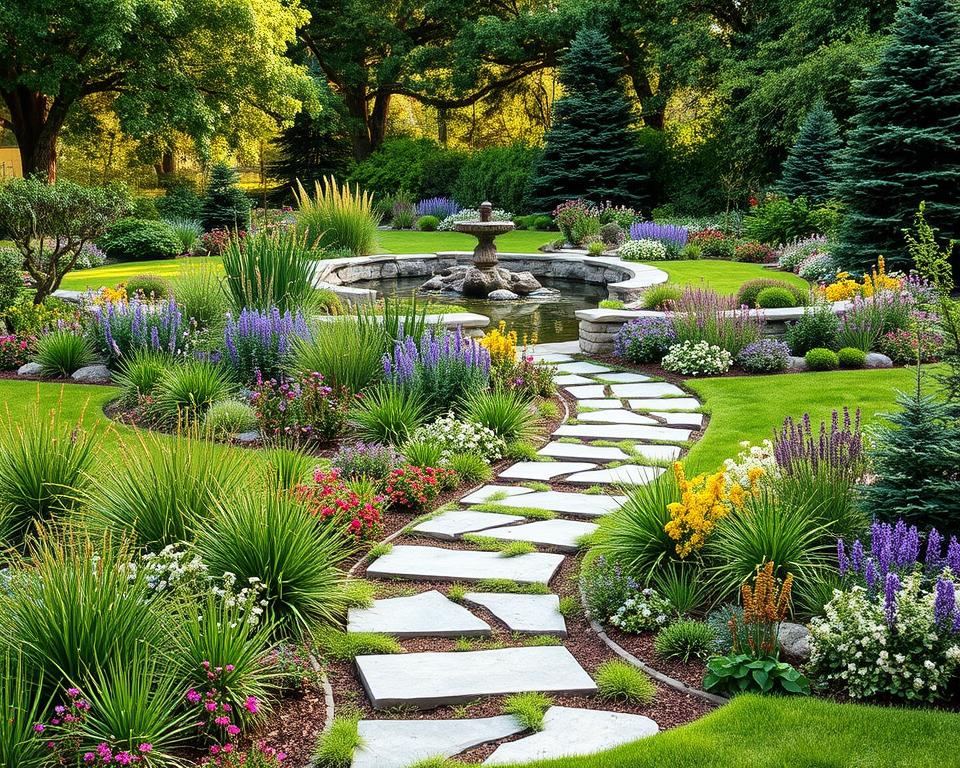
Traditional lawns are not the only option for garden ground cover. Alternatives such as chamomile, thyme, or clover require far less maintenance than traditional grass lawns while still providing a green space. These alternatives can be particularly appealing if you have a small garden or don’t have children who need a play area. For example, chamomile lawns are not only low-maintenance but also fragrant and can be sat upon.
Another option is to replace your lawn with paved, gravelled, or decked areas, which can significantly reduce maintenance. Permeable paving options are available, which allow water to percolate through, reducing runoff. This approach can be particularly effective if you have a small garden and don’t need a large grassed area.
Creating Easy-to-Mow Shapes and Edges
If you decide to keep a lawn, making it easier to maintain is key. Creating simple, flowing shapes with gentle curves makes mowing quicker and more efficient than complex designs with tight corners. Installing permanent edging between lawns and borders eliminates the need for regular edge trimming and prevents grass from encroaching into planted areas.
Consider smoothing out any difficult angles and awkward corners by either extending the grass or enlarging your borders. This not only makes mowing easier but also enhances the overall appearance of your garden. Raised borders with a slight overhang can further reduce edge maintenance by creating a natural mowing strip.
Time-Saving Garden Features and Elements
Incorporating time-saving elements into your garden design can significantly reduce maintenance while enhancing its beauty. Thoughtfully designed garden features not only add visual interest and functionality but also make caring for your large garden more manageable.

Water Features That Don’t Require Constant Attention
Self-contained water features with recirculating pumps are an excellent choice for large gardens. They provide the aesthetic and acoustic benefits of water without the maintenance demands of traditional ponds. This means you can enjoy the soothing sound of water without the hassle of frequent cleaning or worrying about algae growth.
Raised Beds for Easier Gardening
Raised beds are a practical solution for reducing the physical strain of gardening. By elevating your plants, you reduce the need for bending and stretching, making planting and weeding easier. Additionally, raised beds provide better drainage and soil warming, which can improve plant growth. You can construct raised beds using durable materials like thick logs or timbers, which also serve as a comfortable seating area.
Mulching Techniques to Reduce Weeding and Watering
Strategic mulching is another effective way to minimize garden maintenance. By applying a layer of mulch, such as bark chips, gravel, or compost, you can suppress weeds and retain soil moisture. Organic mulches also gradually improve soil structure as they break down. This approach not only reduces the time spent on weeding and watering but also creates a healthier environment for your plants to thrive.
Other time-saving strategies include incorporating permanent structures like pergolas or arbours, which provide immediate height and structure with minimal upkeep. Choosing durable, weather-resistant materials for garden elements reduces the need for regular maintenance or replacement. Grouping plants with similar care requirements together makes maintenance more efficient, and creating defined edges between garden elements maintains clean lines without regular intervention.
- Self-contained water features reduce maintenance while adding visual and acoustic appeal.
- Raised beds make gardening easier by reducing physical strain and improving drainage.
- Mulching suppresses weeds, retains moisture, and improves soil structure.
- Permanent structures like pergolas provide immediate height with minimal upkeep.
- Durable materials reduce the need for regular maintenance or replacement.
By incorporating these time-saving features and elements, you can enjoy a beautiful and functional garden without the extensive maintenance. This approach allows you to make the most of your outdoor space while minimizing the time and effort required to keep it looking its best.
Smart Technology and Tools for Garden Maintenance
Embracing smart technology can revolutionise your garden maintenance routine. With the right tools, you can significantly reduce the time spent on gardening tasks while maintaining a beautiful and healthy garden.
Automated Irrigation Systems
Automated irrigation systems are a game-changer for garden maintenance. They ensure your plants receive the right amount of water at the right time, eliminating the need for manual watering. For example, a system of porous hoses can be laid across the soil surface near the base of your plants, attached to a timer on your outside tap.

Robotic Mowers and Time-Saving Equipment
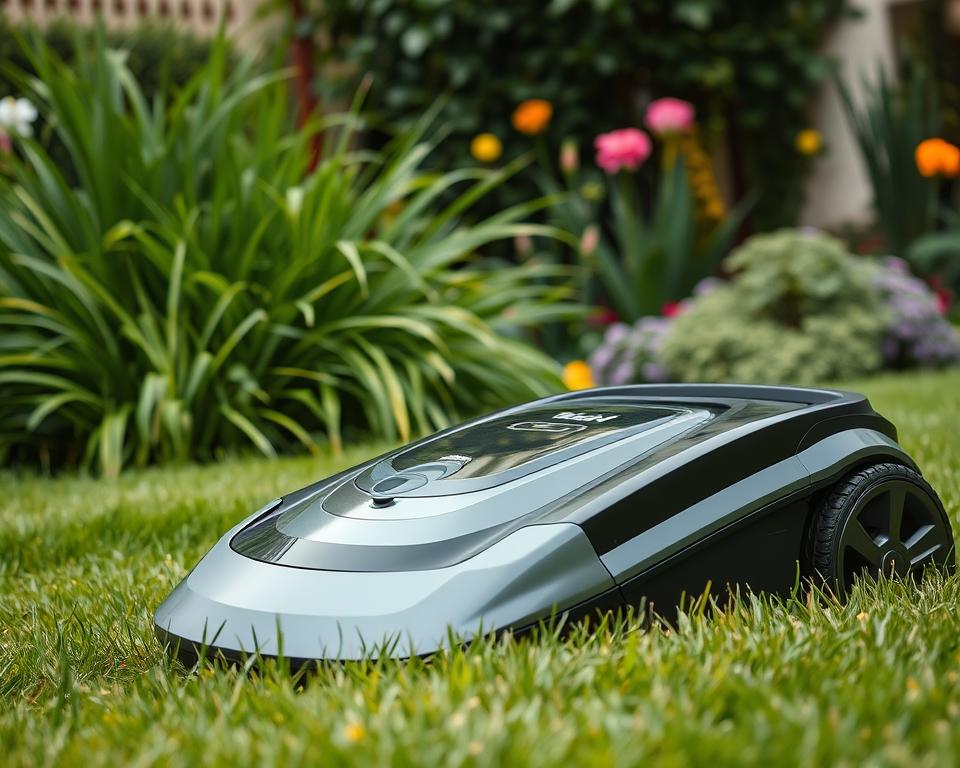
Robotic mowers represent a significant advancement in lawn maintenance. They can be programmed to cut your lawn automatically, returning fine clippings to the lawn as natural fertiliser. This not only saves time but also results in a well-manicured lawn throughout the summer.
Low-Maintenance Garden Tools Worth Investing In
Investing in quality, ergonomic garden tools can reduce physical strain and increase efficiency. Battery-powered garden equipment is another worthwhile investment, offering comparable performance to petrol tools without the noise and emissions.
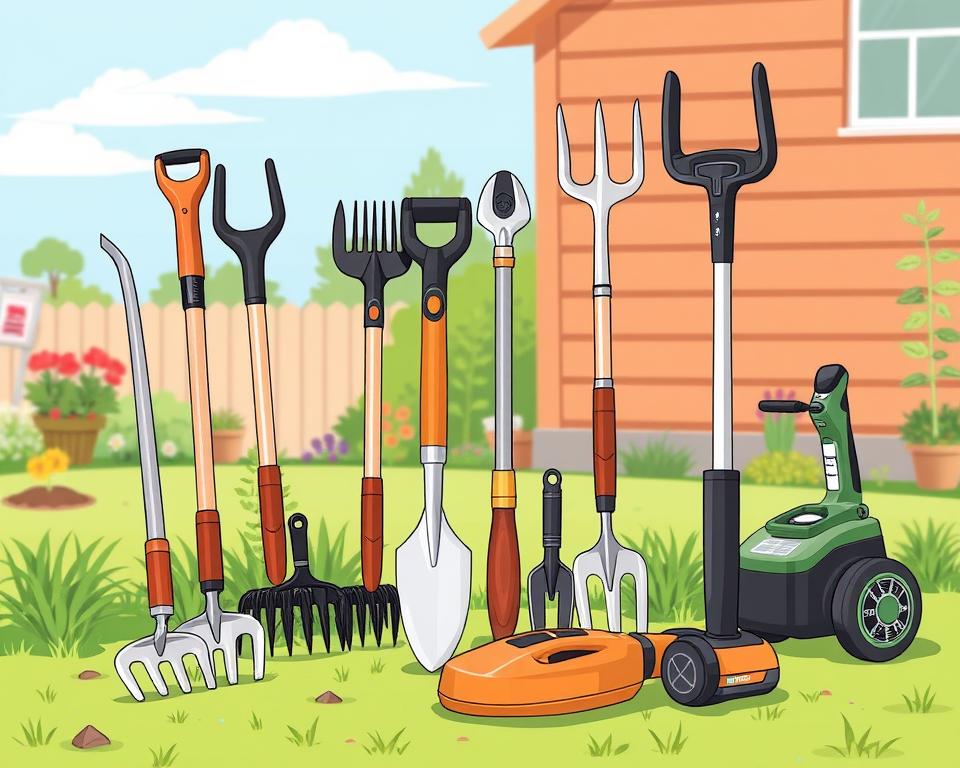
By incorporating these smart technologies and tools into your gardening routine, you can enjoy a beautiful and low-maintenance garden. Whether it’s automated irrigation, robotic mowers, or ergonomic tools, there’s a solution to suit every gardening need.
Conclusion: Enjoying Your Low-Maintenance Garden
By embracing a naturalistic approach to gardening, you can create a stunning and sustainable garden that thrives with minimal intervention. This approach not only reduces maintenance but also promotes biodiversity and seasonal interest throughout the year. A low-maintenance garden is about creating a space that gives you more time to enjoy it rather than constantly working on it.
To achieve this, consider designing your garden with distinct zones for different activities and incorporating hard landscaping strategically. Choosing the right plants and shrubs is also crucial, as they should be slow-growing and require minimal upkeep. By adopting a relaxed approach to gardening, you can enjoy a beautiful outdoor space without the burden of constant maintenance.
Some key takeaways to keep in mind include:
- Embracing the natural world and its quirks can bring great satisfaction and reduce maintenance.
- A well-designed garden evolves over time, with plants establishing and finding their natural balance.
- Seasonal maintenance schedules can help prevent small issues from becoming larger problems.
- Designing with accessibility in mind ensures your garden remains manageable as your circumstances evolve.
By implementing these principles, you can transform your large garden into a peaceful retreat that enhances your quality of life year-round. A low-maintenance garden is not just a practical solution; it’s a way to create a beautiful and thriving outdoor space that you can truly enjoy.
FAQ
What are the key elements to consider when creating a low-maintenance garden?
When creating a low-maintenance garden, consider factors such as the size of your space, the amount of time you have available for gardening, and the type of plants and features that will thrive with minimal upkeep. Incorporating hard landscaping, slow-growing shrubs, and ground cover plants can help reduce maintenance.
How can I reduce weeding in my garden?
To reduce weeding, consider using mulch, which can suppress weed growth and retain moisture in the soil. You can also use ground cover plants, such as creeping thyme or vinca minor, to outcompete weeds. Regularly removing weeds as they appear can also help prevent them from spreading.
What are some alternatives to traditional lawns?
Alternatives to traditional lawns include low-maintenance grasses, such as fescue or buffalo grass, and ground cover plants, such as clover or creeping thyme. You can also consider using hard landscaping, such as gravel or decking, to create a low-maintenance outdoor space.
How can I make my garden more accessible and easier to maintain?
To make your garden more accessible and easier to maintain, consider creating distinct zones for different activities, incorporating hard landscaping, and using raised beds. You can also use smart technology, such as automated irrigation systems, to simplify garden maintenance.
What are some time-saving garden tools worth investing in?
Some time-saving garden tools worth investing in include robotic mowers, cordless hedge trimmers, and long-handled pruning tools. These can help reduce the time and effort required to maintain your garden, allowing you to enjoy your outdoor space without the burden of excessive maintenance.
How can I choose the right plants for my low-maintenance garden?
To choose the right plants for your low-maintenance garden, consider factors such as the amount of sunlight and rainfall your garden receives, as well as the type of soil you have. Select plants that are well-suited to your climate and soil type, and that require minimal pruning, watering, and other maintenance.