
Designing a Ruin Wall in the Garden: Tips and Inspiration for You
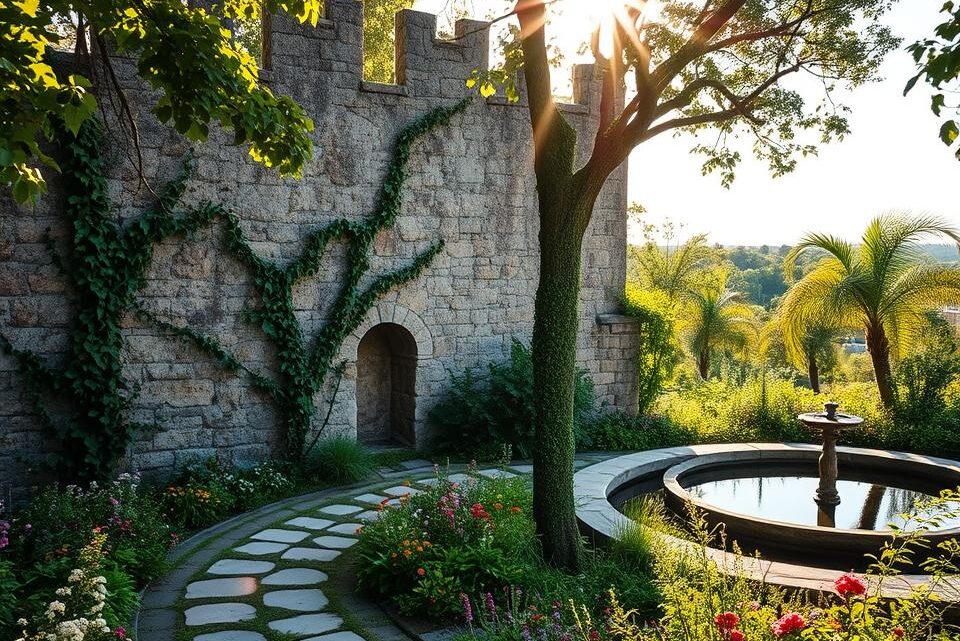
Creating a ruin wall in your garden can be a unique way to add character and history to your outdoor space. Garden ruins and follies have become increasingly popular, fitting into the current trend of ‘castlecore’ gardens or Medieval-style landscapes. According to William Dyson, curator of Great Comp Garden in Kent, these features can create a ‘micro-climate’ for growing different plants, making them both aesthetically pleasing and practically useful.
By incorporating a ruin wall into your garden, you can transform an ordinary space into one with unique charm and structural interest. This feature can serve as a focal point, dividing the space and adding depth to your garden design. As you consider enhancing your garden, a ruin wall offers a blend of historical charm and contemporary appeal.
Inhaltsverzeichnis
Key Takeaways
- Understand the concept of ruin walls as a distinctive garden feature.
- Learn how ruin walls can add character and history to your garden.
- Discover the practical uses of ruin walls, including creating microclimates.
- Explore the growing popularity of ruin walls in contemporary garden design.
- Preview the comprehensive guide to planning, designing, building, and maintaining your garden ruin wall.
What Are Garden Ruin Walls?
Incorporating a ruin wall into your garden design can be a great way to add visual interest and depth. Garden ruin walls are deliberately designed structures that mimic the appearance of ancient or weathered architectural elements, creating a unique feature in your garden.
Unlike standard garden walls, ruin walls are characterized by their intentionally incomplete or weathered appearance, which evokes a sense of history and romance. The aesthetic appeal of ruined structures in gardens lies in their ability to create visual interest and character through their imperfection and asymmetry.
The Charm and Appeal of Ruined Structures
The charm of a ruin wall lies in its ability to bring a sense of history and romance into your outdoor space. Ruined structures have a unique appeal that can transform a garden into a captivating and intriguing environment.
Historical Context of Garden Ruins and Follies
Garden follies and ruins have their origins in 18th-century landscape design, particularly in historic French and English gardens. These features were used to add a layer of depth and storytelling to the landscape, and their relevance continues in modern garden design.
Benefits of Adding a Ruin Wall to Your Garden
A ruin wall can be a unique addition to your garden, offering both visual and practical benefits. By incorporating such a feature, you can enhance the overall character of your outdoor space.
Creating a Romantic or Historic Aesthetic
Ruin walls are known for creating a romantic or historic aesthetic in gardens. They fit perfectly into today’s interest in ‘castlecore’ gardens or Medieval style, adding a touch of history and charm to your outdoor area.
Serving as a Focal Point
A well-designed ruin wall can serve as a natural focal point in your garden, drawing the eye and creating visual interest. This can be particularly effective in larger gardens where a central feature is needed to anchor the landscape.
Practical Uses Beyond Decoration
Beyond their decorative value, ruin walls offer several practical uses. They can provide support for climbing plants, help protect tender plants from the prevailing wind, and even create microclimates within your garden. Additionally, they can be used to divide up the space in a garden, creating distinct zones or “rooms” without causing confinement.
| Benefits | Description |
|---|---|
| Aesthetic Appeal | Creates a romantic or historic atmosphere |
| Focal Point | Draws the eye and creates visual interest |
| Practical Uses | Supports climbing plants, provides wind protection, and creates microclimates |
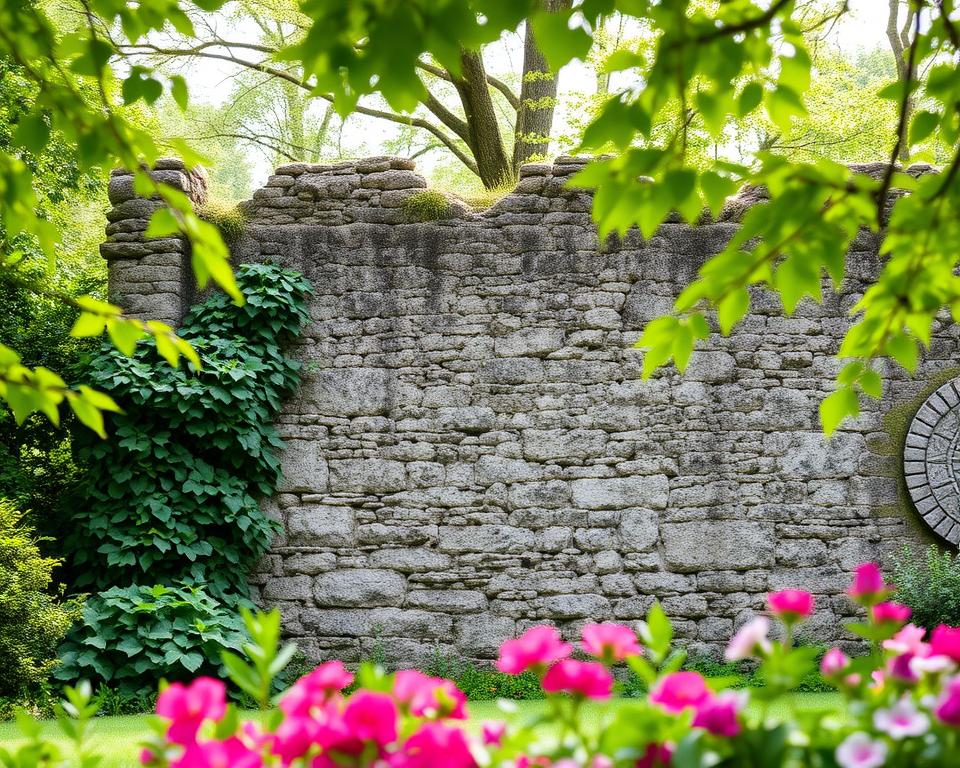
As gardening expert, John Smith, once said, “A well-designed ruin wall can transform your garden into a haven of historical charm and natural beauty.”
“Gardens are not just about plants; they’re about creating an experience.”
Planning Your Garden Ruin Wall Project
The success of your garden ruin wall project hinges on meticulous planning and design. As William suggests, it’s crucial to ‘consult the genius of the place’, considering the architecture and surroundings to ensure your ruin wall complements or contrasts effectively with its environment.
Assessing Your Garden Space
To determine the ideal location for your ruin wall, you need to assess your garden space thoroughly. Consider factors such as sun exposure, visibility, and existing features. Walk through your garden at different times of day to understand how light and shadow affect various areas.

Determining the Right Size and Position
Once you’ve identified a suitable location, decide on the appropriate size and scale for your wall in relation to your garden’s dimensions. Positioning is critical; the wall should be a focal point without overwhelming other garden elements. Creating sketches or mock-ups can help visualize the finished wall before construction begins.
By carefully planning your garden ruin wall project, you can create a beautiful and harmonious addition to your outdoor space that enhances your overall garden design.
Understanding Different Types of Ruin Walls
Garden ruin walls come in various forms, each offering distinct benefits and visual appeal. You can choose a design that suits your garden’s style, whether it’s formal, cottage, or contemporary.
Freestanding Decorative Ruins
Freestanding decorative ruins are primarily ornamental features that serve as focal points in your garden landscape. These structures can be designed to resemble ancient ruins, adding a touch of history and mystery to your outdoor space. You can place them strategically to create visual interest and guide visitors through your garden.
Functional Retaining Walls with a Ruined Aesthetic
If you have a sloping garden, a functional retaining wall with a ruined aesthetic can be both practical and visually appealing. By levelling out the soil on either side, you can create more usable space for a patio, seating area, or raised beds. This type of retaining wall combines the functionality of soil retention with the charm of a ruined structure.
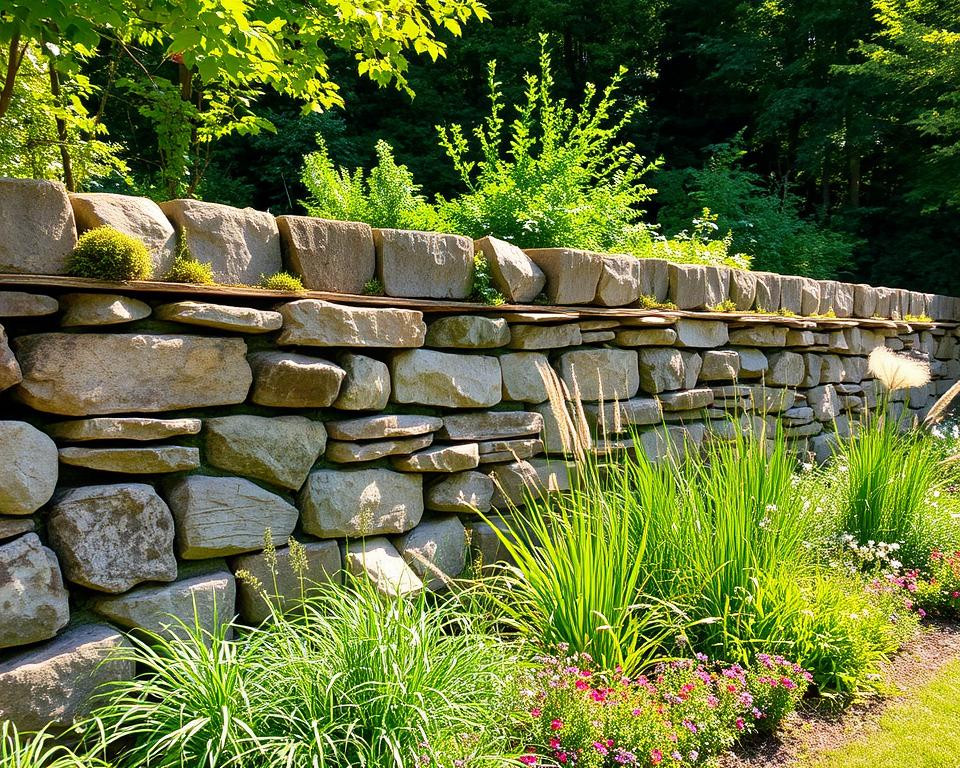
When choosing a ruin wall, consider how it will integrate with your garden’s existing features and style. You can use different materials and designs to achieve the desired look, from weathered stone to crumbling brick.
Essential Materials for Designing a Ruin Wall in the Garden: Tips and Inspiration for You
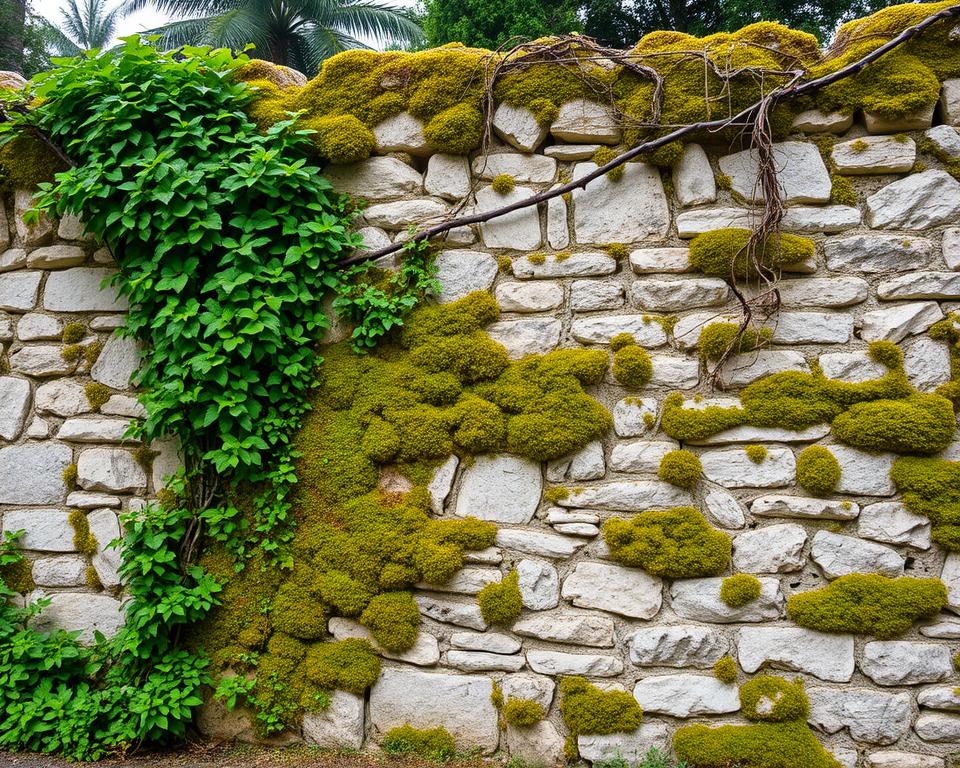
To build a ruin wall that blends seamlessly into your garden, you’ll need to select materials that offer both authenticity and resilience. The right materials will not only enhance the aesthetic appeal of your ruin wall but also ensure its durability over time.
Stone Options: Natural, Reclaimed, and Manufactured
Stone is a popular choice for ruin walls due to its natural beauty and durability. You can opt for natural stone, which provides a genuine, weathered look, or reclaimed stone, which adds character with its history. Manufactured stone products are also available, offering a more uniform appearance and potentially lower costs.
Brick and Concrete Alternatives
If you prefer a different look or want to mix materials, brick and concrete are viable alternatives. Bricks can be used to create a more uniform appearance, while concrete can be textured and finished to mimic the look of natural stone. Techniques such as applying a lime wash or using acid etching can help age these materials, giving them a weathered appearance.
Timber and Railway Sleepers for Rustic Designs
For a more rustic or informal garden setting, timber and railway sleepers can be incorporated into your ruin wall design. These materials add a warm, natural element and can be used to create a unique, textured appearance. However, they may require more maintenance than stone or brick to ensure they remain durable.
When selecting materials, consider how they will weather over time. Choosing materials that age attractively will enhance the ruin aesthetic, creating a charming and characterful garden feature.
Tools and Equipment You’ll Need

The right tools and equipment are essential for building a garden ruin wall that is both durable and aesthetically pleasing. To ensure a successful project, you’ll need to have the necessary tools on hand.
Basic Construction Tools
Basic construction tools include measuring instruments, such as a tape measure and level, cutting tools like a hammer and chisel, and mixing equipment for mortar or concrete. These tools will help you construct the wall efficiently and accurately, saving you time in the long run.
Safety Equipment
When working with heavy materials and construction equipment, it’s crucial to prioritize your safety. Ensure you have proper safety equipment, including protective eyewear, gloves, and appropriate footwear, to prevent injuries while building your garden wall.
Having the right tools and equipment will not only ensure a professional finish but also make the process safer and more efficient. Consider whether it’s worth purchasing or renting tools for your one-time project.
Step-by-Step Guide to Building Your Ruin Wall
A ruin wall can be a stunning addition to your garden, providing a sense of history and intrigue. Before you start, ensure you’ve checked the Planning Portal’s advice on garden walls, as regulations vary across England, Scotland, Wales, and Northern Ireland.
Preparing the Foundation
Preparing a proper foundation is crucial for the longevity of your ruin wall. Start by excavating the area where the wall will be built, removing any debris and levelling the soil. Create a trench for the foundation, and fill it with a layer of compacted gravel to ensure drainage. This step is vital to prevent waterlogging, which can weaken the structure over time.
Constructing the Main Structure
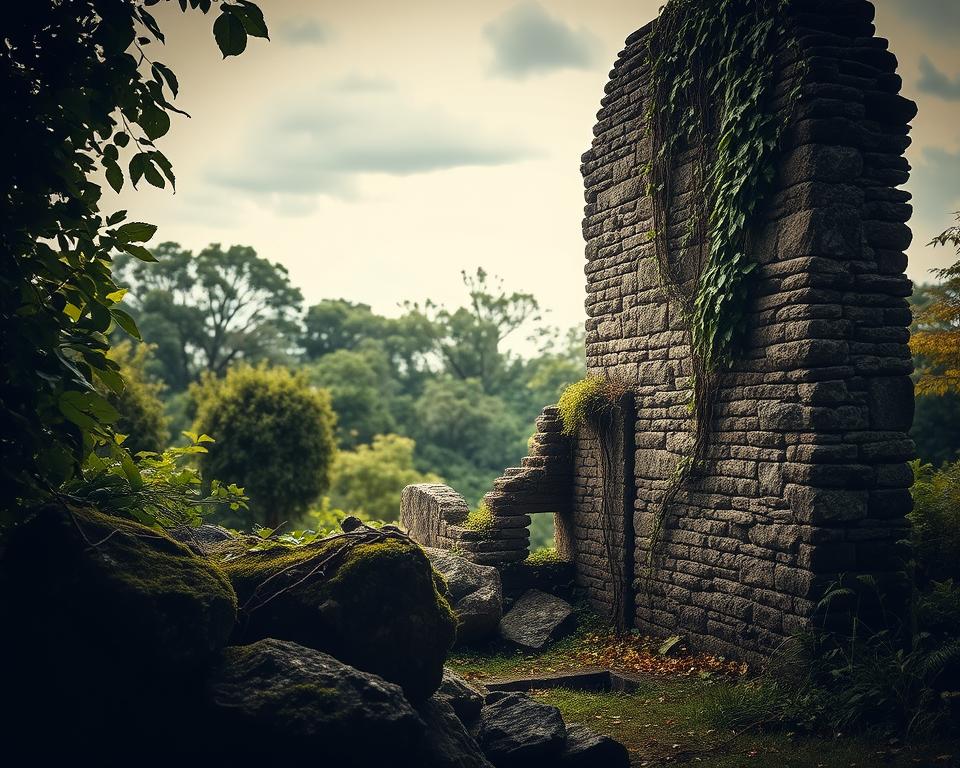
When constructing the main wall, use a combination of stone, brick, or other materials to achieve the desired ruined appearance. Begin by laying the largest stones at the base, gradually decreasing in size as you build upwards. Use a mixture of mortar and irregularly shaped stones to create an authentic look. Ensure the walls are stable by incorporating staggered joints and a slight incline to improve drainage.
| Material | Characteristics | Best Use |
|---|---|---|
| Natural Stone | Durable, varied textures | Base layers, main structure |
| Reclaimed Brick | Historic appeal, unique character | Upper layers, decorative elements |
| Manufactured Stone | Consistent appearance, easier to work with | Detailed work, filling gaps |
Creating the ‘Ruined’ Effect
To achieve a convincing ‘ruined’ effect, deliberately create irregularities in the wall. Use techniques such as irregular coursing, where stones are not laid in uniform layers, and leave deliberate gaps to suggest wear and tear. Apply weathering techniques, such as adding plants or moss to crevices, to enhance the aged appearance.
By following these steps, you can create a beautiful and authentic ruin wall that adds character to your garden.
Design Styles for Garden Ruin Walls
When designing a garden ruin wall, you have the opportunity to draw inspiration from various historical architectural styles. Your garden ruin wall can be a beautiful reflection of your personal taste, blending seamlessly with the surrounding landscape.
The choice of design style is crucial, as it will determine the overall aesthetic and ambiance of your garden. You can choose from a range of styles, from the romanticism of medieval ruins to the grandeur of classical architecture.
Medieval and Gothic Inspirations
For a medieval-inspired ruin wall, consider incorporating elements such as pointed arches, crenellations, and irregular stonework. These features will help create an authentic medieval ruin appearance, transporting visitors to a bygone era.
A great example of this style is the ‘Old Ruins’ at Great Comp Garden, which were built in the 1980s using Kentish ragstone and flint. The result is a convincing and charming ruin that adds character to the garden.
Classical and Roman Influences
If you prefer a more classical or Roman-inspired design, you can incorporate columns, pediments, and symmetrical arrangements into your ruin wall. These elements will evoke the grandeur of ancient civilizations, adding a touch of sophistication to your garden.
| Design Style | Key Features |
|---|---|
| Medieval | Pointed arches, crenellations, irregular stonework |
| Classical/Roman | Columns, pediments, symmetrical arrangements |

Using Salvaged Materials for Authentic Character
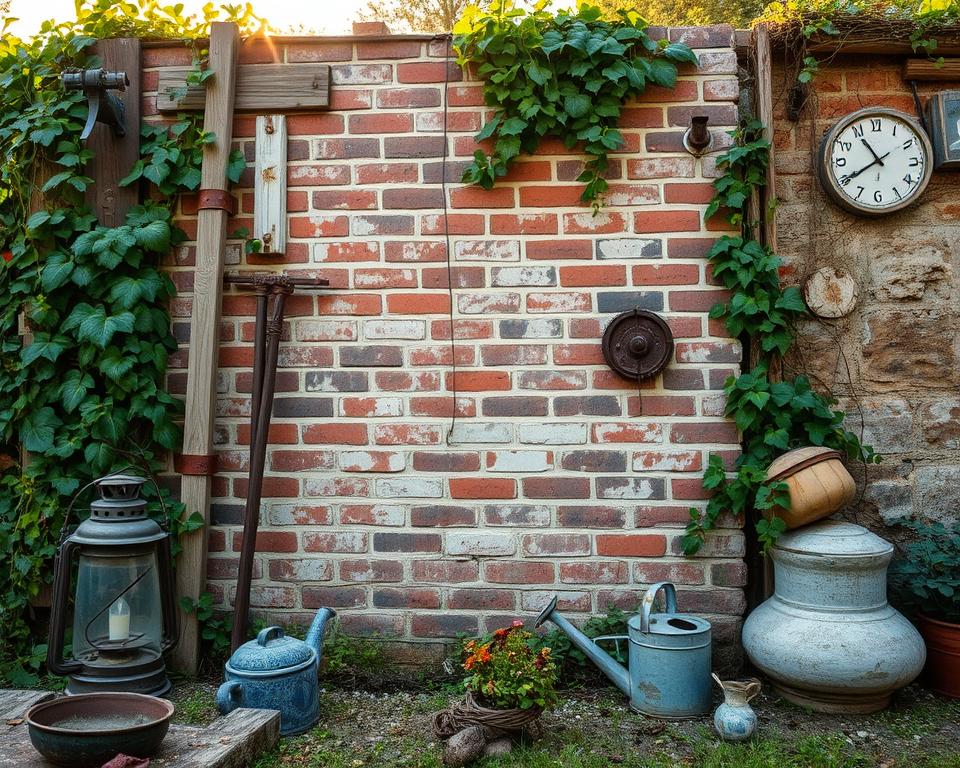
Incorporating salvaged materials into your garden ruin wall can add a layer of authentic character and historical depth. This approach not only reduces waste but also gives your garden a unique narrative. Bill and Lynda Rudgard’s experience is a perfect example; they found a Gothic window in a salvage yard, which they incorporated into their garden wall, creating a striking focal point.
Where to Find Architectural Salvage
To source salvaged materials, you can explore various options. Reclamation yards are treasure troves for architectural salvage, offering a wide range of materials from old buildings. Online marketplaces and auction sites can also be fruitful, providing access to a broader inventory. Additionally, visiting demolition sites or networking with builders and renovators can yield valuable finds. When sourcing materials, ensure you verify their provenance to avoid any ethical issues.
Incorporating Found Objects and Artefacts
Once you’ve gathered your salvaged materials, you can creatively incorporate them into your ruin wall design. Consider embedding old tools, pottery fragments, or decorative ironwork to add visual interest and tell a story. The key is to balance these elements harmoniously within your wall’s structure. For instance, you could use old stone or brick as the primary material and accent it with salvaged architectural details.
When using salvaged materials, it’s crucial to prepare and treat them properly to ensure their longevity in an outdoor setting. This might involve cleaning, repairing, or applying a protective coating to the materials. By doing so, you can enjoy your garden ruin wall for years to come, with its character and charm only deepening over time.
Creating Micro-Climates with Your Ruin Wall
Incorporating a ruin wall into your garden can lead to the creation of micro-climates, expanding the range of plants you can grow. A garden ruin or folly can be more than just a decorative feature; it can significantly alter the local environment around it.
Understanding Sun Exposure and Wind Protection
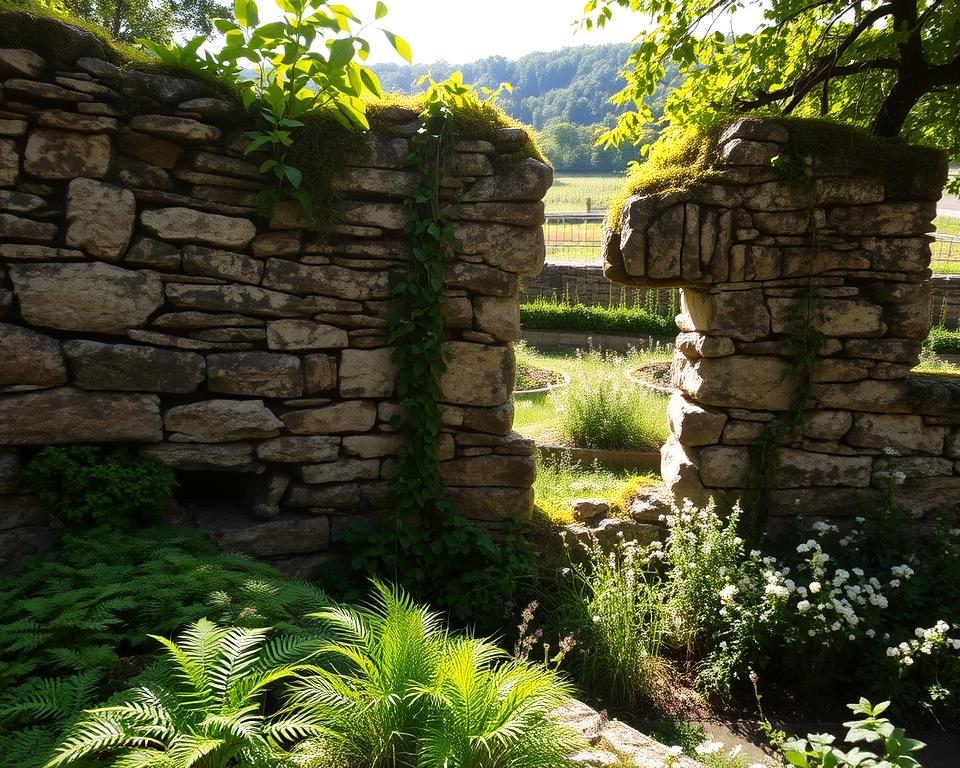
When a wall is positioned from east to west, it creates two distinct areas: a south-facing side that receives ample sunlight and a north-facing side that remains shaded. The south-facing side will absorb heat during the day, releasing it at night, thus creating a warmer micro-climate. Additionally, the wall can provide protection from harsh winds, creating sheltered pockets that allow more tender plants to flourish.
Choosing Plants for Different Wall Aspects
The varied conditions created by your ruin wall allow for a diverse range of plants. For the sunny, south-facing side, consider drought-tolerant species that thrive in warmth. In contrast, the cooler, shaded north-facing side is ideal for ferns and other shade-loving plants. By understanding these micro-climates, you can make informed decisions about garden design, maximizing the potential of your outdoor space.
By strategically positioning your ruin wall, you can create beneficial microclimates that expand garden possibilities. The key is to understand how the orientation of the wall influences sun exposure and wind protection, allowing you to choose the most suitable plants for each micro-climate.
Plants That Complement Ruin Walls
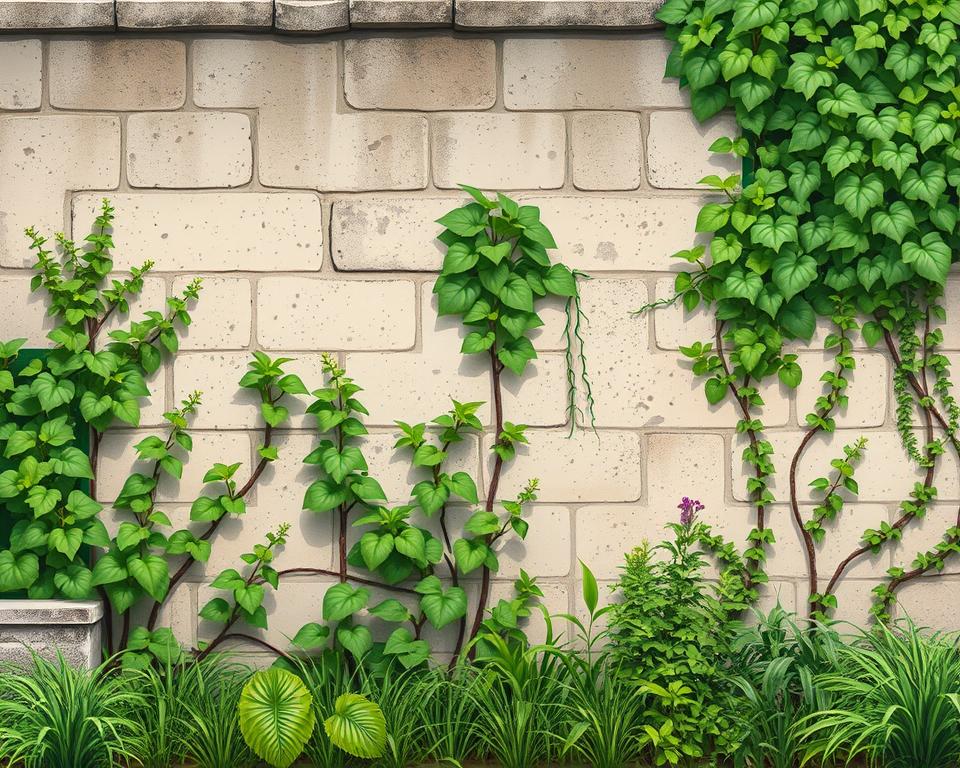
The right plants can transform your garden ruin wall into a breathtaking feature that complements the natural beauty of your garden. By choosing plants that thrive in association with ruin walls, you can enhance their aesthetic appeal while benefiting from their structure.
Climbing Plants and Vines
Climbing plants and vines are ideal for softening the appearance of ruin walls while emphasizing their vertical dimension. Consider using species like ivy, climbing roses, and clematis, which can add a touch of elegance and romance to your garden.
Ferns and Shade-Loving Species
Ferns and shade-loving species flourish in the cool, damp conditions often found on the north-facing sides of garden walls. Plants like Epimedium and various fern species can create a lush, verdant atmosphere, adding depth and texture to your garden.
Drought-Tolerant Plants for Sunny Walls
For the sunny, exposed aspects of ruin walls, drought-tolerant plants are an excellent choice. Mediterranean herbs like rosemary and thyme, as well as succulents, can thrive in these conditions, adding a touch of rustic charm to your garden.
When planting, ensure that you don’t compromise the structural integrity of the wall. By choosing the right plants and planting techniques, you can create a beautiful and thriving garden ecosystem that complements your ruin wall.
Adding Seating and Functional Elements
To enhance the functionality and enjoyment of your garden ruin wall, consider incorporating seating and other practical elements. This can transform your garden into a more inviting and usable space.
Incorporating Benches and Seating Areas
Integrating comfortable seating areas within or adjacent to your ruin wall can create intimate garden retreats. You can construct benches that appear to be part of the original ruin structure using complementary materials and weathering techniques.
- Use natural stone or reclaimed wood to create benches that blend with the ruin wall.
- Position seating areas to take advantage of shade or sunlight, depending on your preference.
Creating Raised Beds Within Ruins
You can also create raised beds within the ruined structure, utilizing the walls as natural boundaries for herb gardens or flower displays. This not only adds functionality but also enhances the aesthetic appeal of your garden.
- Plant herbs or flowers that thrive in the conditions provided by the ruin wall’s aspect.
- Use the ruin wall’s structure to support climbing plants or vines.

Lighting Your Garden Ruin Wall

Thoughtful lighting can transform your garden ruin wall into a breathtaking focal point. As the sun sets, a well-designed lighting scheme can highlight the textures and architectural details of your ruin wall, creating a captivating ambiance in your outdoor living space.
Solar Options for Eco-Friendly Illumination
Solar-powered lights are an eco-friendly and cost-effective way to illuminate your garden ruin wall. They require no complex electrical installations, making them a convenient option for garden design.
Creating Dramatic Effects with Strategic Lighting
To create dramatic effects, consider using uplighting to emphasize the texture of the wall, or shadow play to enhance its mystique. Subtle illumination of architectural details can also add depth and character to your garden ruin wall.
Maintenance and Weathering
The art of maintaining a garden ruin wall lies in balancing weathering with structural integrity. As your wall ages, it develops character, but it requires careful management to ensure it remains safe and attractive.
Encouraging Controlled Plant Growth
Controlled plant growth can enhance the aged appearance of your ruin wall. Mosses, lichens, and small self-seeding plants are ideal for creating an authentic look. Regularly inspect your wall to manage plant growth, ensuring it doesn’t compromise the structure.
Preserving Structural Integrity
Preserving the structural integrity of your ruin wall is crucial. Regular inspections will help identify any issues early on. For timber walls, such as those made from railway sleepers, regular treatment is necessary to prevent rot, especially where the timber is in contact with wet soil.
| Material | Weathering Characteristics | Maintenance Tips |
|---|---|---|
| Timber (Railway Sleepers) | Prone to rot when in contact with wet soil | Regular treatment with preservatives |
| Stone | Develops moss and lichen growth | Occasional cleaning to prevent excessive growth |
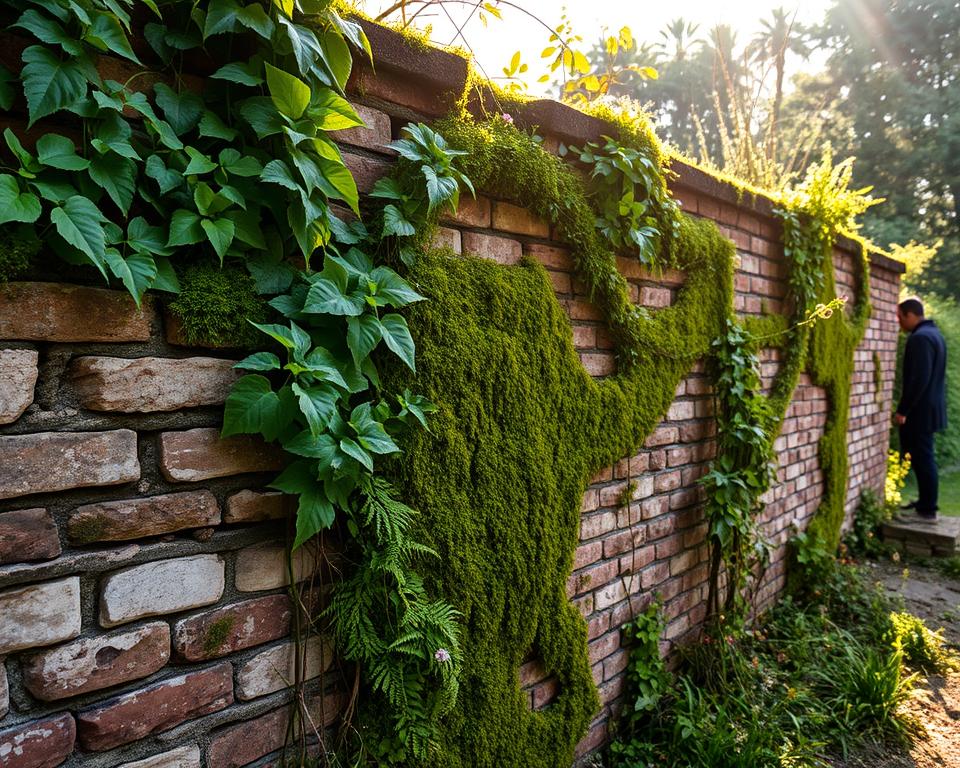
By understanding how different materials weather and implementing appropriate maintenance strategies, you can ensure your ruin wall remains a beautiful and safe feature in your garden for years to come.
Planning Permission and Regulations
Understanding the regulatory framework surrounding garden structures is crucial before you start building your ruin wall. In the UK, specific rules govern the construction of garden walls, particularly concerning height and location.
Height Restrictions and Building Regulations
You will need to apply for planning permission if your wall is over two metres high, or one metre if it’s next to a road or pathway. For free-standing walls not attached to another structure, building regulations typically don’t apply, but the wall must be structurally sound and well-maintained.
Special Considerations for Listed Properties
If your property is listed or in a conservation area, there are tighter regulations. You should check with your local planning authority before constructing a ruin wall near your house or within the grounds of a listed property, as additional restrictions may apply to garden walls.

Conclusion: Embracing the Beauty of Imperfection in Your Garden
Embracing the beauty of imperfection, a garden ruin wall can elevate your garden design and create a captivating outdoor space. By incorporating a ruin wall, you can add drama and fantasy to your garden, making it a unique and character-filled area.
Such a feature not only adds height and visual interest but also provides support for climbers and a haven for tender plants. Whether you’re looking to create a focal point or simply add some character to your garden, a ruin wall is a rewarding project that will continue to develop its charm over time.
## FAQ
### Q: What is the ideal height for a ruin wall in my garden?
A: The ideal height depends on the purpose and design of your ruin wall. For a decorative freestanding ruin, a height of 1-2 metres is often suitable, while a retaining wall may need to be taller to serve its functional purpose.
### Q: Can I build a ruin wall on a sloping site?
A: Yes, you can build a ruin wall on a sloping site. In fact, ruin walls can be an effective way to manage slopes and create level areas. However, you may need to incorporate additional structural elements, such as retaining walls or stepped foundations.
### Q: What type of stone is best for building a ruin wall?
A: Natural stone, such as limestone or sandstone, is often the preferred choice for building ruin walls due to its authentic appearance and durability. Reclaimed or manufactured stone can also be used to achieve a similar aesthetic.
### Q: How do I achieve a ‘ruined’ effect on my wall?
A: To create a ‘ruined’ effect, you can use a combination of techniques, including irregular stone placement, deliberate gaps, and weathering. You can also incorporate plants and moss to enhance the aged appearance.
### Q: Do I need planning permission to build a ruin wall?
A: In most cases, a ruin wall is considered a garden feature and does not require planning permission. However, if your wall is particularly tall or is being built on a listed property, you may need to consult with local authorities to determine the necessary permissions.
### Q: How do I maintain my ruin wall over time?
A: Regular maintenance, such as inspecting the structure for damage and encouraging controlled plant growth, can help preserve the integrity and appearance of your ruin wall.
### Q: Can I incorporate seating or other functional elements into my ruin wall?
A: Yes, you can incorporate seating, raised beds, or other functional elements into your ruin wall design, enhancing its usability and aesthetic appeal.

