Does Coffee Help Plants Grow Faster? The Facts
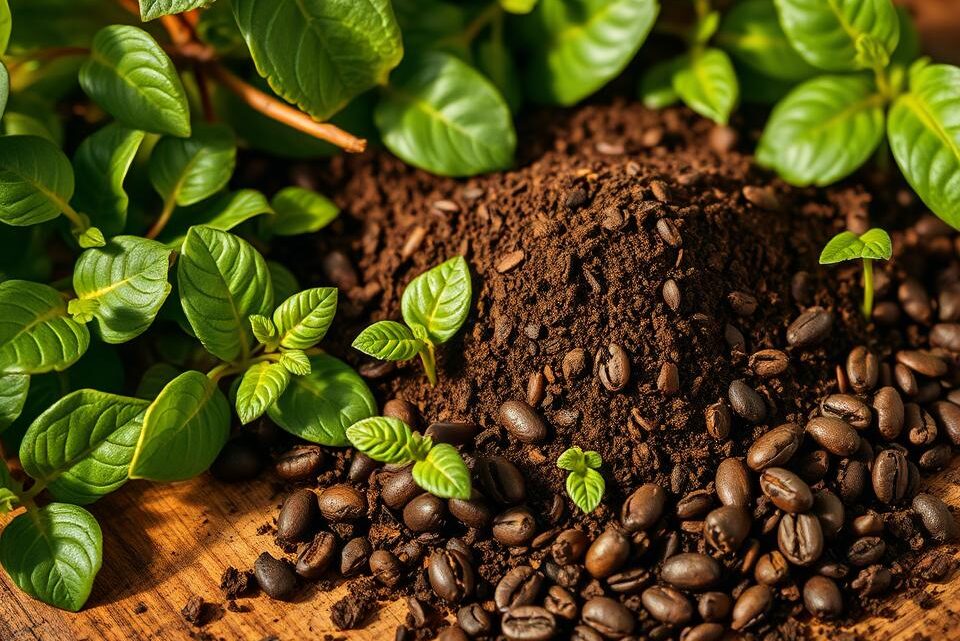
Many gardeners wonder about the potential benefits of using leftover coffee materials in their green spaces. With millions of cups consumed daily worldwide, there’s significant interest in recycling these materials rather than sending them to landfill.
The British Coffee Association notes that approximately two billion cups are enjoyed globally each day. This creates an abundant supply of used coffee grounds that could be repurposed in the garden.
This article explores the science behind using coffee materials in horticulture. It moves beyond gardening myths to examine evidence-based approaches for proper application.
Readers will discover how these materials can contribute nutrients to soil. The effectiveness depends greatly on understanding correct usage methods and realistic expectations.
Environmental benefits include reducing waste sent to landfill sites. Sustainable gardening practices appeal to those seeking eco-friendly solutions for their outdoor spaces.
Inhaltsverzeichnis
Key Takeaways
- Used coffee materials offer potential benefits for garden soil
- Proper application methods are essential for effective results
- Scientific evidence supports some gardening applications
- Environmental advantages include waste reduction
- Nutrient content varies depending on preparation methods
- Sustainable practices appeal to eco-conscious gardeners
Understanding the Role of Coffee in Gardening
Understanding the chemical properties of garden amendments helps gardeners make informed decisions. The nutritional content and physical characteristics of these materials determine their effectiveness in horticultural applications.
Nutrient Profile of Coffee Grounds
Used coffee grounds offer a valuable source of essential nutrients for garden soil. They contain approximately 1-2% nitrogen concentration, along with significant amounts of potassium and phosphorus.
These grounds also provide micronutrients including boron, calcium, and magnesium. The nitrogen releases slowly as microbes break down the material. This provides a steady nutritional supply rather than a rapid burst.
Impact on Soil pH and Structure
Spent coffee grounds typically have a pH ranging from 6.2 to 6.8. This makes them neutral to slightly acidic rather than highly acidic. Fresh coffee contains more acid than used grounds.
The coarse texture of these grounds improves soil structure significantly. It helps aerate compacted earth and allows better water movement. When mixed properly, they create a crumbly texture that benefits root systems.
This improvement in soil quality supports both water retention and drainage. The physical properties make coffee grounds a versatile amendment for different garden conditions.
Does Coffee Help Plants Grow Faster? Examining the Science Behind It
Gardeners’ observations often point to accelerated development when using a certain popular kitchen byproduct. While definitive scientific studies are scarce due to variability in materials, many report visible effects.

Scientific Insights and Anecdotal Evidence
There is no conclusive research to confirm a universal effect. However, gardeners frequently describe a phenomenon of compressed growth. One might observe that a plant appears to have “jumped ahead by a fortnight”.
This perceived acceleration is likely a combination of factors. The coffee grounds provide a slow-release nitrogen source. They also feed beneficial microbes in the soil.
These microbes help create a healthier root environment. They can suppress harmful fungi and diseases. As one gardener noted, “the leaves on my basil were visibly greener within days.”
Balancing Benefits and Cautions
It is crucial to balance enthusiasm with caution. The caffeine present in the coffee grounds can inhibit seed germination. Seedlings and certain plants like tomatoes can be particularly sensitive.
The benefits are most pronounced when conditions are already favourable. The grounds act as a catalyst, not a miracle solution. Proper application is essential to avoid soil crusting or nitrogen lock-up.
What would typically take three weeks appears to be completed in one.
Ultimately, the growth effect is more about optimising conditions than causing a dramatic speed increase. Moderation and correct technique are the keys to success.
Using Coffee Grounds to Improve Soil and Garden Health
Soil health improvement relies on creating the right environment for microbial activity. When gardeners use coffee grounds effectively, they can transform their garden’s foundation. These materials work beneath the surface to create lasting benefits.
Enhancing Food Sources for Microbes
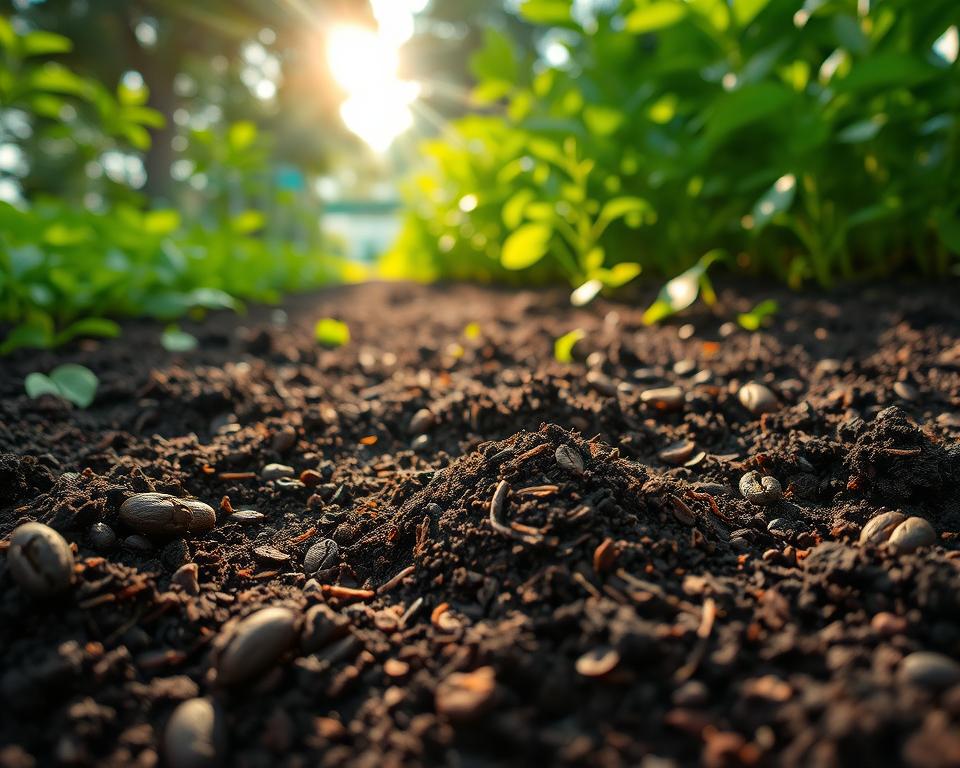
Used coffee grounds serve as an excellent food source for beneficial soil organisms. Microorganisms treat these grounds like a banquet, generating bustling underground activity. This microbial feeding frenzy produces a subtle warming effect.
Earthworms are particularly attracted to coffee materials. They consume the grounds and produce nutrient-rich castings. Their tunnelling action further aerates the soil, creating ideal conditions for roots.
In compost bins, decomposing coffee grounds release nitrogen that generates heat. This sustains optimal temperatures for breaking down organic matter. The process accelerates the entire compost cycle.
Boosting Water Retention and Drainage
The coarse texture of coffee grounds significantly improves soil structure. They help loosen compacted earth, allowing air circulation between particles. This enables roots to breathe and expand more freely.
These grounds enhance water retention in sandy soils while improving drainage in heavy clay. They create an ideal moisture balance throughout the garden. The result is soil that feels springier and holds moisture evenly.
When added to garden beds, coffee grounds help create a crumbly texture. This improvement supports both water retention and proper drainage. The physical properties make them versatile for different soil types.
Practical How-To Guide for Incorporating Coffee Grounds
Successful gardening with recycled materials requires precise techniques. This guide outlines the safest methods for applying these valuable amendments.
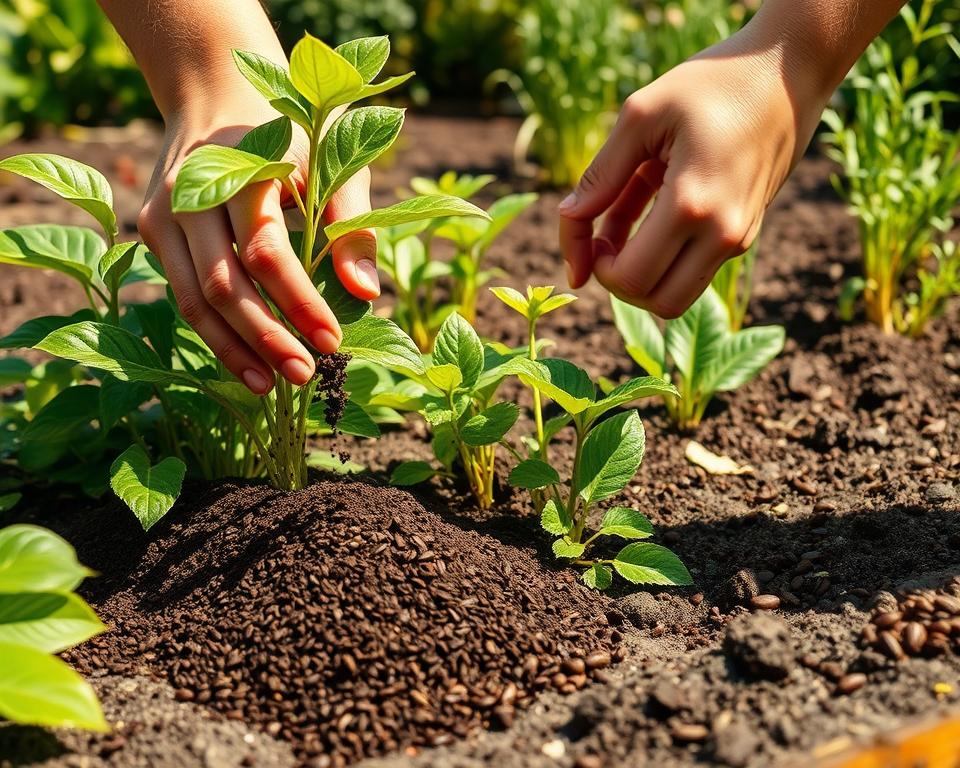
Composting remains the most reliable method for using coffee materials. Gardeners should mix these grounds with brown materials like shredded leaves. A 3:1 ratio of brown to green materials ensures proper decomposition.
Proper Application Techniques
For direct use, apply a thin layer no thicker than 1/8 inch. Thick layers can dry into a crust that repels water. Always scratch the grounds directly into the soil surface.
This prevents a barrier from forming around plant roots. Water thoroughly after adding coffee grounds to help them integrate.
Preparing Grounds for Direct Use or Composting
Allow grounds to dry for a few days before use. Break up any clumps to ensure even distribution. For compost, limit the amount to 20-25% of the total bin volume.
Many cafes provide free bags of used materials. Gardeners can collect these bags for their compost heaps.
Maintaining the Right Soil Balance
Monitor plants after application. Signs of overuse include lush but weak growth. Adjust the amount based on plant response.
Apply a light sprinkle every week or two during the growing season. A liquid fertiliser can be made by steeping two cups of grounds in five gallons of water overnight.
This best use of resources provides a gentle nutrient boost. Container plants require special care to avoid creating a solid lid in the pot.
Special Considerations for Different Plant Types
Not all greenery responds identically to soil amendments. Tailoring the approach to specific species ensures optimal results and prevents potential harm.
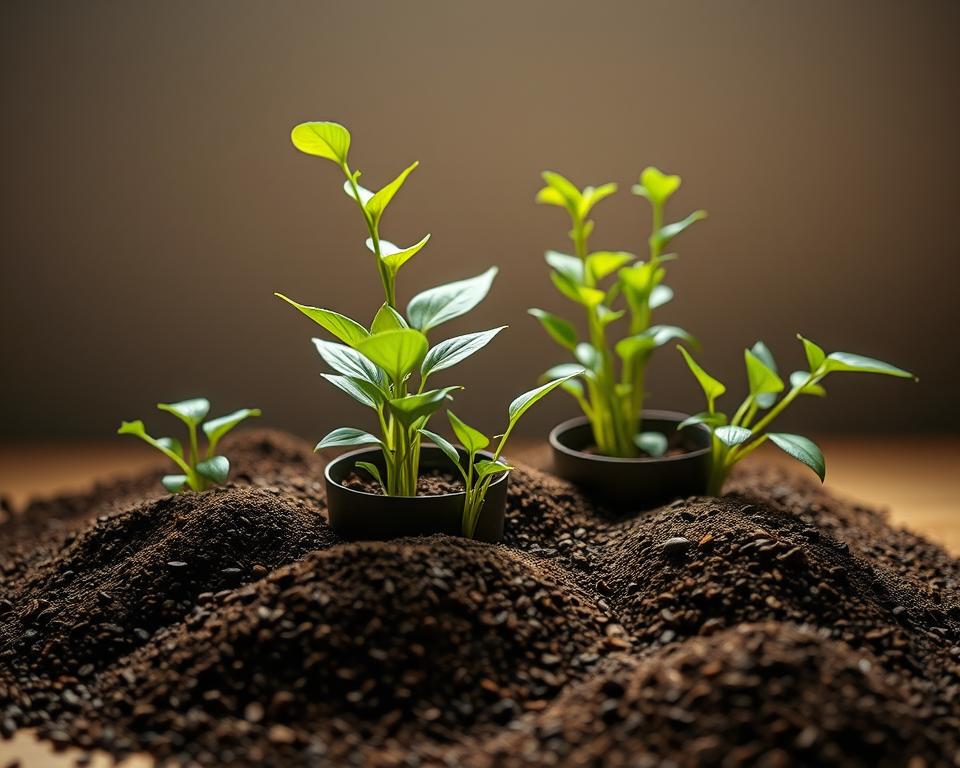
Some plants thrive with these additions, while others may struggle. Recognising which plants are suited is crucial for gardeners.
Ideal Plants for Coffee Grounds
Acid-loving ornamentals are prime candidates. Species like azaleas, hydrangeas, and roses benefit greatly from the slightly acidic nature of used coffee grounds.
Leafy greens such as spinach and lettuce often show a rapid, positive response. Many gardeners report thicker, more vibrant leaves.
For container cultivation, certain houseplants appreciate this treatment. African violets and philodendrons are examples of plants like these conditions.
Plants Sensitive to Coffee Application
Conversely, some garden plants are adversely affected. Seedlings and young specimens are particularly vulnerable due to caffeine’s effects.
Species that prefer alkaline conditions, such as lavender and asparagus, should be avoided. These grounds can disrupt their preferred soil pH.
It is also wise to keep these grounds away from tomatoes. They can encourage leafy growth at the expense of fruit production.
| Plant Type | Examples | Effect of Coffee Grounds |
|---|---|---|
| Acid-Loving | Azaleas, Blueberries, Rhododendrons | Beneficial, enhances growth |
| Leafy Greens | Spinach, Lettuce, Rocket | Rapid positive response |
| Sensitive | Tomatoes, Lavender, Seedlings | Potentially harmful |
| Houseplants | African Violet, Philodendron | Generally good for acid-lovers |
Observation is key. Gardeners should monitor their plants after application and adjust usage accordingly. What works for one species may not suit another.
Knowing your plant’s preferences makes all the difference.
Environmental and Waste Reduction Benefits
The environmental impact of daily coffee consumption extends far beyond the kitchen. With approximately two billion cups consumed globally each day, the potential for waste diversion is substantial. Repurposing used materials offers a practical solution.
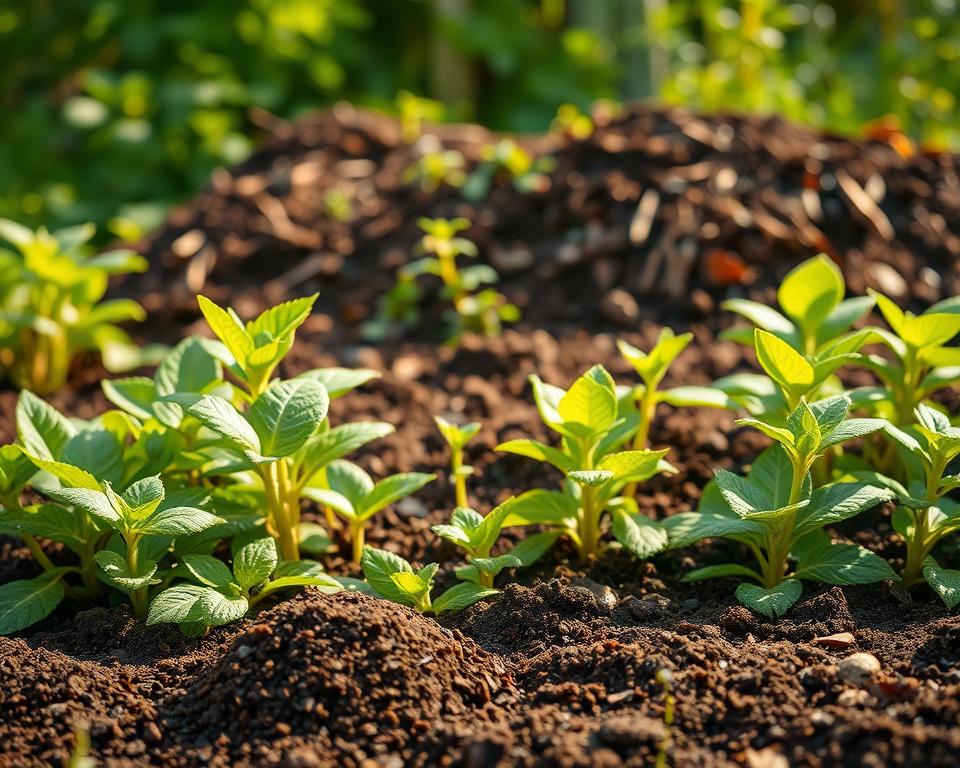
Recycling Coffee Waste for Sustainable Gardening
Many cafes and restaurants happily provide free bags of used grounds to local gardeners. This arrangement benefits both parties by reducing disposal costs while supporting community initiatives. The practice keeps valuable organic material out of landfill sites.
Using these materials in the garden prevents them from entering household waste streams. It also avoids potential drainage issues when poured down sinks. The transformation from waste to resource creates a sustainable cycle.
| Waste Method | Environmental Impact | Alternative Use |
|---|---|---|
| Landfill disposal | Methane production | Soil amendment |
| Drain disposal | Plumbing blockages | Compost ingredient |
| General waste | Resource loss | Garden nutrition |
This recycling habit requires minimal effort yet delivers significant environmental returns. Gardeners simply save their morning grounds rather than binning them. The practice reduces reliance on manufactured fertilisers while improving soil health.
The benefits extend beyond individual gardens to broader ecological impacts. Widespread adoption could divert substantial organic waste volumes. Every small action contributes to larger sustainability goals.
Conclusion
Gardeners seeking eco-friendly amendments will find coffee residues to be a valuable resource. When applied correctly, these materials provide measurable benefits through nutrient delivery and soil enhancement.
The grounds contain valuable nutrients including nitrogen, potassium, and phosphorus. These elements support healthy plant growth when used as part of a balanced approach.
Successful application requires moderation and proper technique. Light applications scratched into soil or added to compost work best. Thick layers should be avoided as they can form barriers.
Plant-specific considerations are crucial. Acid-loving varieties and leafy greens respond well, while seedlings and alkaline-preferring species may suffer.
Environmentally, this practice diverts waste from landfills. It creates a sustainable gardening cycle while reducing reliance on manufactured fertilisers.
Gardeners should experiment with small amounts, observing how their plants respond. The combination of anecdotal evidence and horticultural principles supports coffee grounds as a beneficial amendment when applied thoughtfully.
FAQ
Are coffee grounds good for all plants?
No, coffee grounds are not universally beneficial. Plants that thrive in slightly acidic soil, such as roses, azaleas, and blueberries, typically respond well. However, plants that prefer alkaline conditions may suffer from the acidity and should avoid this addition.
What is the best way to use coffee grounds in the garden?
The most effective method is to compost the grounds first. Adding them directly to soil in large amounts can create a water-resistant barrier. Composting allows the material to break down safely, releasing its nitrogen, potassium, and phosphorus content slowly for plant uptake.
Can I put used coffee grounds directly onto the soil surface?
It is generally not recommended. Applying a thick layer of grounds directly can compact and form a crust, hindering water penetration and air circulation to the roots. A light sprinkling mixed into the topsoil or incorporated into a compost bin is a safer practice.
Do coffee grounds help improve soil structure?
Yes, when used correctly. Coffee grounds can enhance soil texture by improving drainage and water retention. They also serve as a valuable food source for earthworms and beneficial microbes, which further aerate the soil and contribute to overall garden health.
How much coffee should I use for my houseplants?
For potted plants, moderation is crucial. A small amount—perhaps a tablespoon mixed into the soil for a medium-sized pot—once a month is sufficient. Over-application can lead to nutrient imbalances and affect soil pH, potentially stunting growth.
What are the primary nutrients found in coffee grounds?
Used coffee grounds contain a modest amount of nitrogen, which is essential for leafy growth, along with smaller quantities of phosphorus and potassium. While not a complete fertiliser, they contribute valuable organic matter to compost heaps and garden beds.