Heating for a wooden garden shed – What options are available?
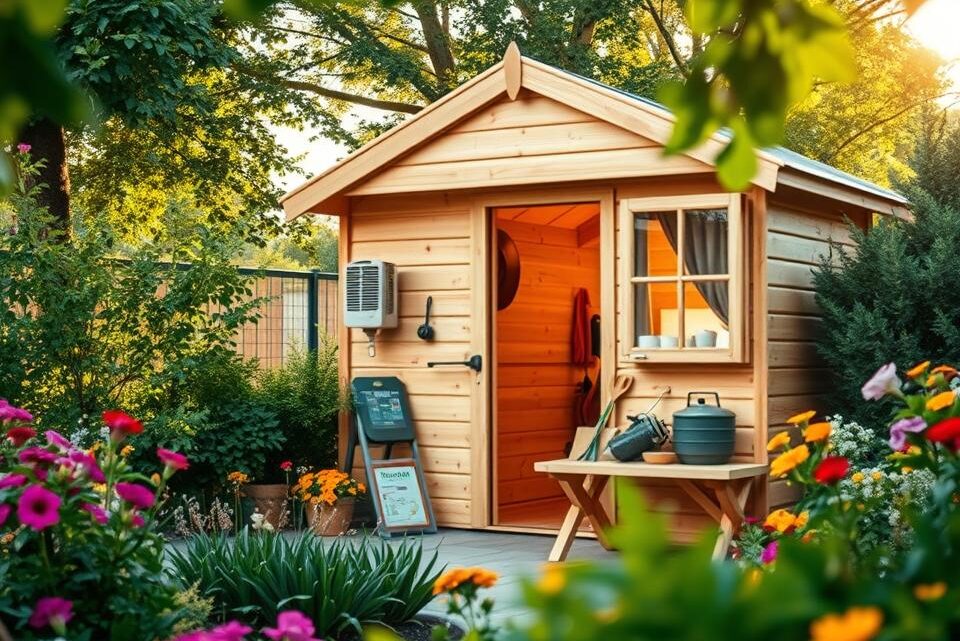
Imagine transforming your wooden garden shed from a cold, neglected space into a vibrant year-round retreat. Garden shed heating options have revolutionised how we use outdoor buildings, opening up exciting possibilities for your cherished workspace. With the right outdoor building heating approach, you can create a cosy sanctuary that defies seasonal limitations.
Your wooden shed no longer needs to hibernate during winter months. Year-round shed use is now within reach, thanks to innovative heating technologies designed specifically for timber structures. Whether you dream of a workshop, home office, or creative studio, the right heating solution can transform your shed into a comfortable and functional space that serves your needs perfectly.
Selecting the ideal heating method requires careful consideration of your specific requirements. From electric heaters to wood-burning stoves, each option brings unique advantages. Your choice will depend on factors like shed size, intended use, budget, and personal preferences.
Inhaltsverzeichnis
Key Takeaways
- Discover versatile heating solutions for wooden garden sheds
- Explore options that enable year-round shed usage
- Understand the importance of matching heating to your specific needs
- Learn about different heating technologies for outdoor buildings
- Unlock the potential of your garden shed with proper heating
Why Your Wooden Garden Shed Deserves Proper Heating
Your wooden garden shed is more than just a storage space—it’s a potential sanctuary of creativity and productivity. Transforming this humble structure into a comfortable garden room opens up a world of possibilities, allowing you to maximise your outdoor workspace throughout the year.
Shed workspace heating isn’t just about comfort; it’s about extending the usability of your garden building. Imagine working on your favourite projects during chilly winter mornings or creating a warm retreat that protects your valuable tools and equipment from harsh weather conditions.
- Prevent frost damage to stored items
- Protect delicate tools and materials
- Create a year-round functional space
- Maintain structural integrity of your wooden shed
“A well-heated shed transforms an ordinary outdoor space into an extraordinary personal sanctuary.”
By investing in proper heating, you’re not just warming a room—you’re unlocking a versatile space that can serve multiple purposes. Whether you dream of a cosy home office, a peaceful crafting studio, or a protected storage area, the right heating solution makes it possible.
Your garden shed can become an invaluable extension of your living space, offering comfort and functionality throughout every season. With strategic heating, you’ll protect your investment and create a flexible environment that adapts to your changing needs.
Understanding the Unique Heating Challenges of Wooden Structures
Wooden garden sheds present distinctive considerations when it comes to heating and maintenance. Unlike traditional brick structures, timber buildings require specialised approaches to ensure longevity and comfort. Your wooden shed demands careful attention to wooden shed insulation and moisture control to create an optimal environment.

Understanding the unique characteristics of timber buildings is crucial for effective heating and preservation. Wooden structures are naturally more sensitive to environmental changes, making proper shed ventilation and timber building heating essential strategies.
Insulation Considerations for Timber Buildings
Effective wooden shed insulation forms the foundation of a comfortable and efficient workspace. Consider these key insulation strategies:
- Use breathable insulation materials specifically designed for timber structures
- Install reflective foil barriers to prevent heat loss
- Seal potential air gaps around windows and doors
- Select insulation with appropriate thermal resistance (R-value)
“Proper insulation is not just about warmth, it’s about protecting your wooden structure from moisture and temperature fluctuations.” – Timber Construction Experts
Moisture Management and Ventilation Requirements
Moisture control represents a critical aspect of maintaining your wooden shed. Inadequate ventilation can lead to serious structural damage and compromise your heating efforts. Implement these moisture management techniques:
- Install adjustable vents to regulate air circulation
- Use vapour-permeable membranes in wall construction
- Position heating elements away from direct wooden surfaces
- Check regularly for signs of condensation or dampness
Strategic shed ventilation ensures your timber building remains dry, warm, and structurally sound throughout various seasonal challenges.
Electric Heaters: The Most Popular Choice for Garden Sheds

Electric heaters have become the ultimate solution for warming up your wooden garden shed. These versatile portable heaters offer an incredibly convenient heating option that transforms your outdoor workspace into a cosy retreat during chilly British winters.
When considering plug-in shed heating, you’ll discover a range of electric heaters designed specifically for compact spaces. The key advantages include:
- Simple installation with standard 13-amp sockets
- Instant heat generation
- Energy-efficient heating options
- Multiple safety features
Your choice of electric heaters for sheds depends on your specific needs. Ceramic heaters provide rapid warmth, while panel heaters deliver consistent temperature control. Smart heaters even allow smartphone-controlled operation, giving you unprecedented flexibility.
Safety remains paramount when selecting electric heating for wooden structures. Modern units come equipped with automatic shut-off mechanisms and tip-over protection, ensuring your shed remains secure while staying comfortably warm.
Transform your garden shed into a year-round workspace with the right electric heating solution!
Running costs vary based on wattage, so carefully compare different models. Opt for units with built-in thermostats and timers to maximise energy-efficient heating and minimise electricity consumption.
Gas Heating Solutions for Your Outdoor Workspace
Transforming your wooden garden shed into a comfortable workspace requires careful consideration of heating options. Gas heaters for garden buildings offer a powerful and flexible solution that can revolutionise your outdoor working environment.
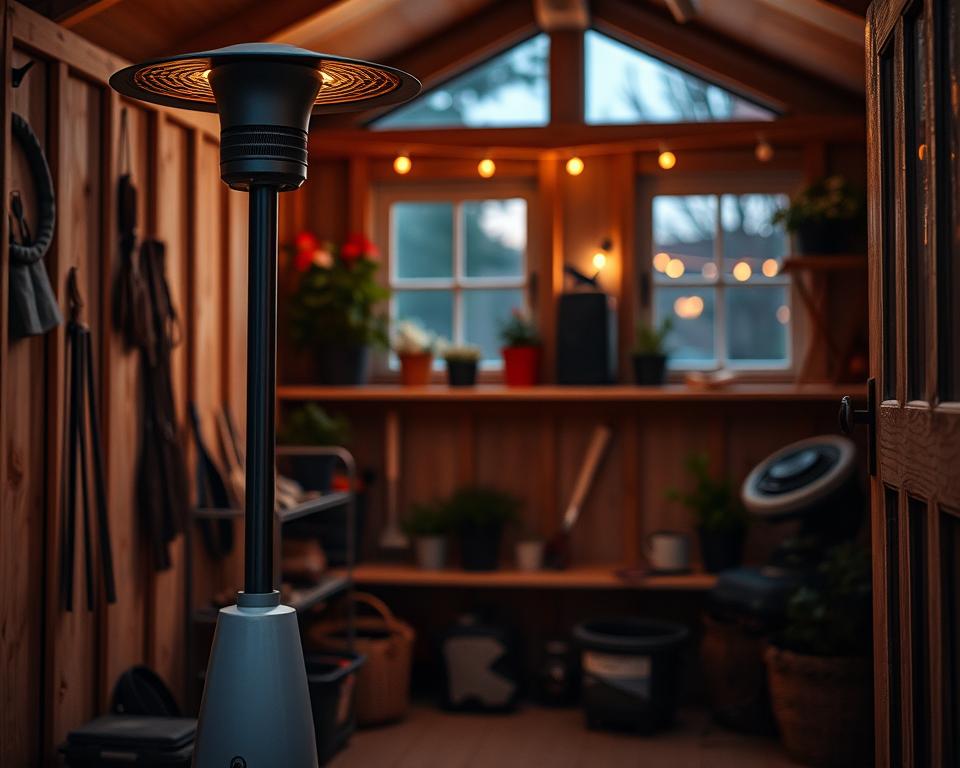
Portable gas heating provides an exceptional alternative to traditional electric solutions, especially for spaces without electrical connections. These versatile heaters bring instant warmth and remarkable mobility to your garden workspace.
Propane and Butane Heater Options
When exploring propane heaters, you’ll discover remarkable benefits for your garden building:
- Reliable performance in cold temperatures
- High heat output for larger spaces
- Independence from electrical supply
| Heater Type | Temperature Range | Best Use |
|---|---|---|
| Propane Cabinet Heaters | -5°C to 25°C | Year-round heating |
| Butane Portable Heaters | 5°C to 20°C | Mild weather conditions |
Safety Considerations When Using Gas in Wooden Buildings
Safety remains paramount when implementing butane heating in wooden structures. Follow these critical guidelines:
- Install two ventilation points (high and low)
- Use carbon monoxide detectors
- Maintain clear space around heating units
- Check gas connections regularly
Professional tip: Always store gas bottles externally and ensure proper maintenance for safe, efficient heating in your garden workspace.
Wood-Burning Stoves: Traditional Warmth for Your Garden Retreat

Discover the magical warmth of a wood burning stove shed that transforms your garden workspace into a cosy sanctuary. Traditional heating methods are experiencing a remarkable renaissance, with log burners offering a unique blend of sustainable heating and rustic charm.
Wood-burning stoves provide more than just warmth—they create an atmosphere that electric heaters simply cannot match. The gentle crackling of logs, the radiant heat, and the independent nature of these stoves make them an excellent choice for garden retreats.
- Compact designs perfect for small garden sheds
- Independent of electricity and gas supplies
- Renewable and environmentally friendly heating option
- Creates a warm, inviting atmosphere
When considering a log burner for your shed, you’ll need to address several practical considerations:
- Ensure proper flue installation
- Create a non-combustible hearth
- Maintain safe clearance from wooden walls
- Check local building regulations
The initial investment in a wood-burning stove includes both the unit and professional installation. You’ll want to source dry, seasoned wood and commit to regular maintenance. But for those seeking a truly special heating solution, a wood-burning stove offers unparalleled warmth and character to your garden retreat.
Heating for a Wooden Garden Shed – What Options Are Available?
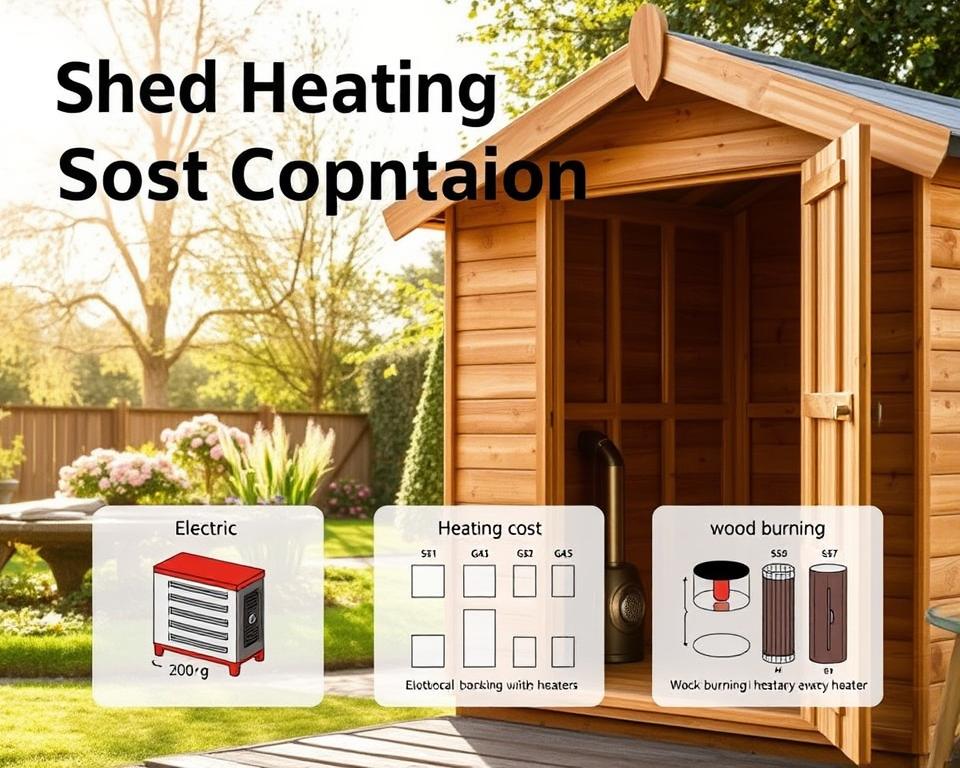
Selecting the right heating solution for your wooden garden shed involves careful consideration of shed heating costs and heating efficiency. Your choice will significantly impact both comfort and budget, making it crucial to understand the various options available.
Different heating methods come with unique cost implications that can dramatically affect your long-term expenses. Let’s explore the most practical heating solutions for your garden shed.
Comparing Running Costs Across Heating Methods
When evaluating best value heating for your shed, consider these cost-effective options:
- Electric Heaters:
- Average running cost: 14-28 pence per hour
- Ideal for occasional use
- Low initial investment
- Gas Heaters:
- Running cost: 10-20 pence per hour
- More economical for frequent use
- Higher initial equipment cost
- Infrared Panels:
- Targeted heating reduces overall consumption
- Lower long-term energy expenses
- Efficient heat distribution
Matching Heating Solutions to Your Shed’s Purpose
Your shed’s specific use will determine the most suitable heating approach. Matching the right heating solution to your needs ensures optimal comfort and cost-effectiveness.
- Weekend Hobby Shed: Portable electric or gas heaters
- Home Office: Permanent electric panel heaters
- Workshop: High-output gas heaters
- Plant Storage: Low-wattage electric heaters with frost protection
By carefully analysing your shed’s heating requirements, you’ll find a solution that balances comfort, efficiency, and affordability.
Infrared Heating Panels: Modern Efficiency Meets Garden Comfort
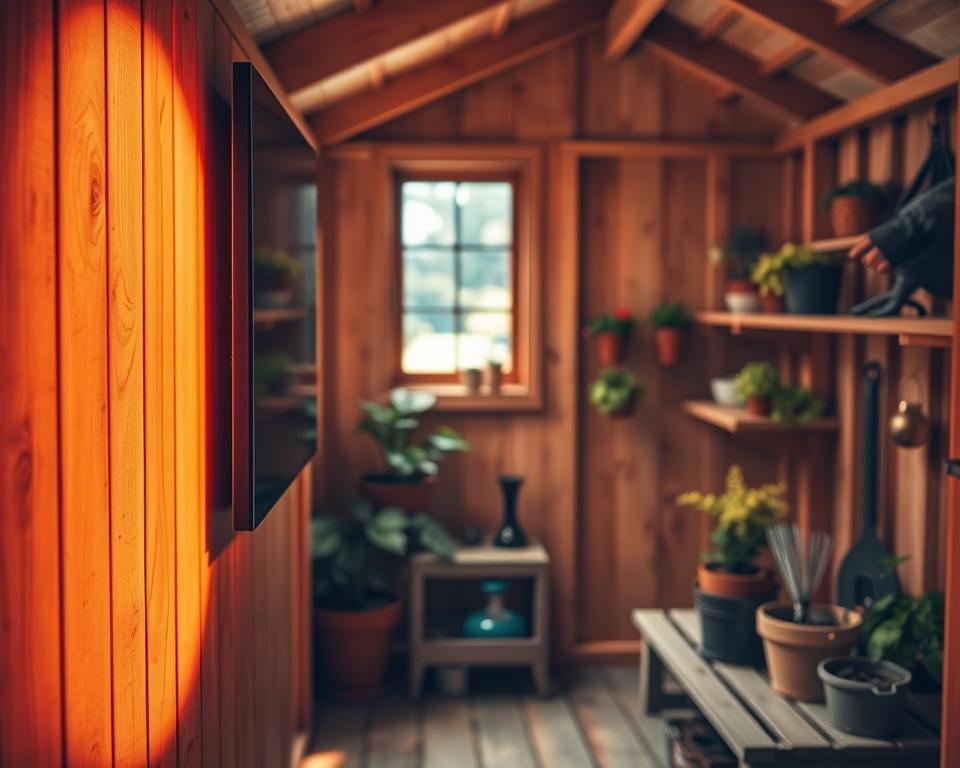
Discover the cutting-edge world of modern shed heating with infrared heating panels. These innovative radiant heating solutions are transforming how you warm your wooden garden workspace, offering unparalleled energy-efficient heating that goes beyond traditional warming methods.
Infrared heating panels work differently from conventional heaters. Instead of heating the air, they emit infrared radiation that directly warms objects and surfaces. This means you’ll experience:
- Instant warmth similar to natural sunlight
- Nearly 100% electricity-to-heat conversion
- Silent operation perfect for concentration
- Zero maintenance requirements
Your wooden garden shed will benefit from these panels’ unique advantages. Mounted discretely on walls or ceilings, they take up no floor space while providing even heat distribution. Modern designs range from sleek white panels to artistic picture panels, ensuring both functionality and aesthetic appeal.
“Infrared heating is like bringing a gentle, warming sunshine into your garden shed” – Heating Innovation Magazine
When considering infrared heating panels, evaluate your shed’s size and insulation. The initial investment might be higher than traditional electric heaters, but lower running costs and superior comfort make them an attractive long-term solution for your modern shed heating needs.
Oil-Filled Radiators and Convector Heaters for Consistent Warmth
Keeping your wooden garden shed comfortable during chilly months requires smart heating solutions. Oil-filled radiators and convector heaters emerge as top choices for gardeners and workshop enthusiasts seeking reliable warmth.

Selecting the right heating system can transform your garden shed from a cold, uninviting space to a cosy workspace or relaxation area. Let’s explore these exceptional heating options that provide consistent heating for your timber structure.
Understanding Oil-Filled Radiators
Oil-filled radiators offer several unique advantages for garden shed owners:
- Silent operation for undisturbed work environments
- Gentle, sustained warmth that radiates long after switching off
- Energy-efficient heating with minimal power consumption
- Even heat distribution without aggressive air movement
Convector Heaters: Quick and Portable Warmth
Convector heaters bring different benefits to your shed heating strategy:
- Rapid heat generation
- Lightweight and easily movable
- Natural air circulation through thermal convection
- Multiple heat settings for precise temperature control
Thermostat Controls and Energy Efficiency
Modern oil-filled radiators and convector heaters come equipped with advanced thermostat controls that maximise energy efficiency. These intelligent features allow you to:
- Set precise temperature ranges
- Programme heating schedules
- Activate frost protection modes
- Utilise adaptive start technologies
| Heater Type | Heat Retention | Energy Efficiency | Noise Level |
|---|---|---|---|
| Oil-Filled Radiator | Excellent | High | Silent |
| Convector Heater | Good | Moderate | Low background noise |
Invest in a heating solution that matches your shed’s specific requirements, ensuring comfort and efficiency throughout the year.
Essential Safety Measures When Heating Wooden Garden Sheds

Protecting your wooden garden shed from potential heating risks requires careful planning and vigilant safety practices. Shed heating safety isn’t just about warmth—it’s about creating a secure environment that prevents fire and electrical hazards.
When considering safe heater installation, prioritise these critical safety guidelines:
- Maintain at least 1 metre clearance between heaters and wooden surfaces
- Install a working smoke detector in your garden shed
- Use outdoor-rated electrical cables with RCD protection
- Avoid overloading electrical sockets
- Regularly inspect heating equipment for damage
Electrical safety demands special attention in wooden structures. Always engage a qualified electrician to install outdoor electrical systems. Keep electrical connections away from damp areas and inspect cables periodically for wear or fraying.
“Prevention is better than cure when it comes to shed heating safety” – Fire Safety Expert
Fire prevention starts with smart placement. Create a dedicated heating zone clear of clutter, keep a fire extinguisher nearby, and never leave heating devices unattended. Your wooden shed deserves careful protection against potential thermal risks.
Remember, responsible heating isn’t just about comfort—it’s about safeguarding your valuable outdoor workspace and giving yourself peace of mind.
Conclusion
Selecting the perfect heating solution for your wooden garden shed is more than a technical decision—it’s about creating a comfortable, functional space that adapts to your lifestyle. Your informed heating decision will transform an ordinary shed into a year-round comfort zone where creativity and productivity can flourish.
Each heating option we’ve explored offers unique advantages. Whether you prefer electric heaters, gas solutions, infrared panels, or traditional wood-burning stoves, the key is matching the technology to your specific needs. Consider your shed’s size, insulation quality, intended use, and budget when making your choice.
Remember that investing in proper heating extends far beyond temperature control. It protects your valuable tools, equipment, and workspace from moisture damage while providing a versatile environment you can enjoy throughout the changing British seasons. Your wooden garden shed can become a cherished retreat that seamlessly integrates with your home and personal aspirations.
By understanding your unique requirements and carefully evaluating different heating strategies, you’ll create a warm, inviting space that reflects your individual style and functional needs. Embrace the potential of a well-heated wooden garden shed—your personal sanctuary awaits.
FAQ
Can I heat a wooden garden shed safely?
Absolutely! With the right precautions and heating solutions, you can safely warm your wooden garden shed. The key is choosing appropriate heating methods, ensuring proper ventilation, maintaining clearance from combustible materials, and installing safety devices like smoke and carbon monoxide detectors.
What is the most cost-effective heating option for a garden shed?
Your most economical choice depends on your specific circumstances. Wood-burning stoves can be the most cost-effective if you have access to inexpensive firewood, while electric infrared panels offer high efficiency with low running costs. Gas heaters can also provide economical heating, especially for larger spaces.
Do I need to insulate my wooden shed before adding heating?
Insulation is crucial for any heating solution. Proper insulation dramatically reduces your heating costs and improves comfort by creating a thermal envelope that keeps warmth inside. Consider options like fibreglass batts, reflective foil, or eco-friendly sheep’s wool insulation for your wooden shed.
How much does it cost to heat a garden shed?
Heating costs vary by method: electric heaters typically range from 14-28 pence per hour, gas heaters cost around 10-20 pence per hour, and wood-burning stoves can be as low as a few pence per hour if you have affordable firewood. Your actual costs will depend on usage, insulation, and specific heating method.
Can I use an electric heater in a wooden shed?
Yes, electric heaters are one of the most popular and safest options for wooden sheds. Look for models with safety features like automatic shut-off, tip-over protection, and built-in thermostats. Ensure your shed has proper electrical supply and avoid overloading sockets.
What are the advantages of infrared heating panels?
Infrared panels offer numerous benefits: exceptional energy efficiency, quick warm-up times, silent operation, zero maintenance, and even heat distribution. They directly warm objects and people rather than air, making them ideal for well-insulated wooden sheds.
How do I prevent moisture issues when heating my wooden shed?
Proper ventilation is key to managing moisture. Install adjustable vents, use vapour-permeable membranes, and position heaters away from wooden surfaces. Choose heating methods that don’t create excessive condensation, such as infrared panels or oil-filled radiators.
Are gas heaters safe in a wooden building?
Gas heaters can be safe in wooden sheds with proper precautions. Ensure adequate ventilation (typically two vents), install a carbon monoxide detector, maintain proper clearance from combustible materials, and choose heaters with safety features like oxygen depletion sensors.
What heating option works best for a home office in a garden shed?
For a home office, consider electric panel heaters or infrared panels that provide consistent, controllable warmth. These options offer precise temperature control, silent operation, and can be easily mounted to save floor space while providing comfortable, reliable heating.
How do I calculate the right heating capacity for my shed?
Calculate your heating needs based on shed size, insulation quality, and intended use. As a general rule, you’ll need approximately 10 watts of heating power per square foot for well-insulated spaces. Consider factors like shed location, wall thickness, and typical usage patterns.