Home-Growing Tips for Beginners
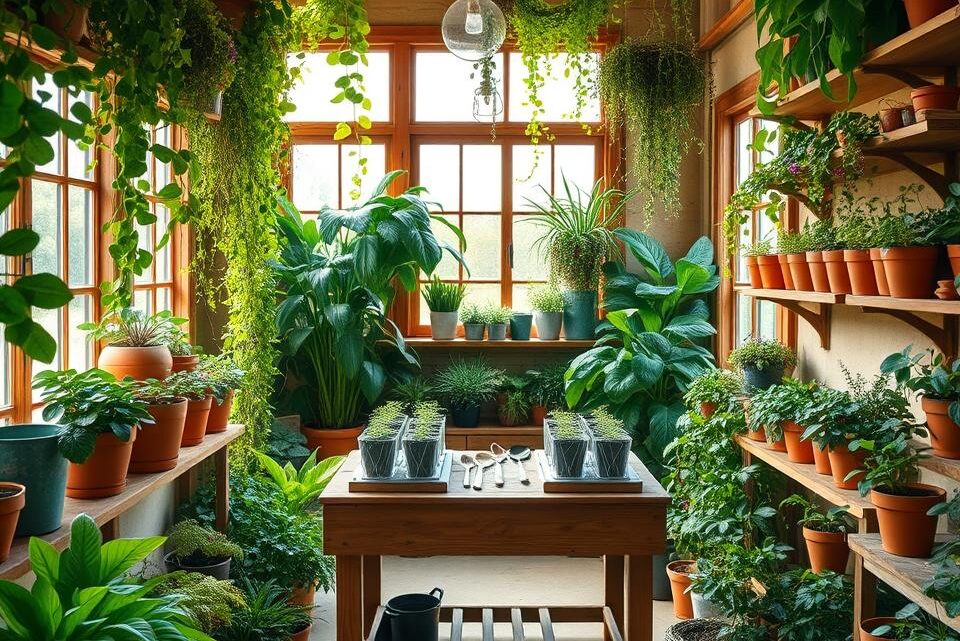
Starting an indoor garden can feel overwhelming for many new plant owners. People often worry about choosing the right plants and providing proper care. This guide aims to build confidence by showing that indoor gardening is accessible to everyone.
Many aspiring gardeners face challenges with their first attempts at growing plants indoors. Concerns range from selecting suitable varieties to recovering from past failures. The truth is that successful indoor cultivation is achievable with the right knowledge.
Certain plants thrive with minimal attention, making them perfect for newcomers. Varieties like snake plants and golden pothos are known for their resilience. These forgiving plants can help build confidence through their low-maintenance requirements.
This comprehensive guide covers essential topics for creating a thriving indoor garden. Readers will learn about plant fundamentals, setting up their space, and mastering watering techniques. With proper information, anyone can cultivate beautiful plants in their home.
Inhaltsverzeichnis
Key Takeaways
- Indoor gardening is accessible to people with no prior experience
- Choosing resilient plant varieties builds confidence
- Proper setup of your gardening space is crucial for success
- Understanding basic watering techniques prevents common problems
- Seasonal changes require adjustments to plant care routines
- Many plants thrive with minimal, consistent attention
- Learning from past mistakes is part of the gardening journey
Understanding Indoor Gardening Fundamentals
The foundation of any thriving indoor garden rests upon comprehending basic plant requirements. Before selecting greenery for interior spaces, one must first assess key growing conditions. Proper planning prevents mismatches between plant needs and environmental factors.
The Role of Light in Plant Growth
Light stands as one of the most critical elements for plant survival. Green leaves function as highly efficient solar panels, using phototaxis to position themselves strategically. This natural movement allows them to capture optimal sunlight for photosynthesis and growth.
Before choosing any plant, gardeners should evaluate their available light conditions. South-facing windows typically provide sufficient light for several hours per day. This exposure suits sun-loving varieties like cacti, succulents, and many herbs.
It’s important to understand that “low-light tolerant” doesn’t mean “low-light loving.” Even shade-tolerant plants require some ambient light and cannot survive in complete darkness. Each plant has specific light needs that must be met.
Importance of Air and Ventilation
Fresh air circulation proves equally vital for plant health. Plants require proper ventilation to breathe and transpire effectively. Adequate airflow helps wick away excess moisture from plant leaves, preventing fungal issues.
Many plants can tolerate drafty conditions, including ivy and certain succulents. However, most tropical varieties should be moved away from cold drafts during winter months. Proper air movement supports healthy physiological functions.
| Light Condition | Plant Examples | Daily Light Hours |
|---|---|---|
| South-facing window | Cacti, succulents, herbs | 6-8 hours |
| East-facing window | African violets, begonias | 4-6 hours |
| North-facing window | Ferns, peace lilies | 2-4 hours |
| Low ambient light | Snake plants, pothos | Indirect light |
Home-Growing Tips for Beginners – Setting Up Your Indoor Garden
Establishing an indoor garden begins with thoughtful preparation of your available space. This crucial phase determines how well your plants will thrive in their new environment. Careful planning at this stage saves time and prevents common mistakes.
Choosing Suitable Plants for Your Space
Leafy plants excel indoors because they need only four to six hours of light daily. Flowering varieties often require more intense illumination that’s challenging to provide. Selecting the right plants ensures your gardening efforts yield rewarding results.
Beginner-friendly options include snake plants, ZZ plants, and golden pothos. These resilient varieties tolerate occasional neglect while still looking vibrant. For edible gardening, consider herbs like basil, rosemary, and mint.

Salad greens such as lettuce and spinach adapt well to window light. They offer a practical way to grow fresh produce indoors.
| Plant Type | Light Needs | Care Level |
|---|---|---|
| Leafy Greens | 4-6 hours | Easy |
| Herbs | Moderate light | Medium |
| Flowering Plants | 6-8 hours | Advanced |
Planning Your Indoor Garden Layout
Strategic placement near windows maximises natural light exposure. Consider accessibility for watering and maintenance when arranging your space. A well-planned layout makes plant care more efficient.
Match plant choices to your lifestyle and available time. Low-maintenance varieties suit busy schedules perfectly. The goal is creating a sustainable garden that enhances your living area.
“A thoughtful layout transforms any room into a thriving green sanctuary.”
Balance aesthetic preferences with practical considerations. Ensure each plant receives adequate light based on its specific requirements. This approach helps plants grow steadily in their indoor environment.
Selecting and Caring for Your Indoor Plants
Successful indoor cultivation depends heavily on the unseen elements: soil composition and container choice. These components work together to create a stable environment for a plant’s roots. Getting this foundation right prevents many common issues.
Soil and Potting Considerations
Soil serves four key roles. It protects delicate roots, provides structural support, delivers essential nutrients, and facilitates air and water movement. Using a quality potting soil is the first step towards healthy plants.
Bagged potting mix is often sterilised. This process eliminates pests and mould spores that could harm your plant. Different varieties require specific soil types for optimal drainage and moisture retention.

| Plant Type | Recommended Soil Mix | Key Feature |
|---|---|---|
| Cacti & Succulents | Succulent Soil | Light, well-draining |
| Orchids & Bromeliads | Woody Mix | Quick drainage, soilless |
| Tropical Plants | Peat-based Mix | Moisture-retaining |
Choosing the right pot is equally important. Terracotta pots are affordable and breathable. Their porous nature helps wick away excess moisture, aerating the soil and preventing waterlogged roots.
Any container must have drainage holes at the bottom. This allows excess water to escape into a saucer. Proper drainage is non-negotiable for preventing root rot.
Fertilising and Nutrient Management
Indoor plants need supplemental food. Unlike outdoor gardens, containers lack natural resource exchange. The soil’s nutrients deplete over time and require refreshing.
The biggest mistake is over-fertilising. Too much food can actually block a plant‘s ability to absorb crucial nutrients like phosphorus. This inhibits essential functions like growth and cell division.
A balanced approach to fertilising provides consistent food without overwhelming the roots. Understanding these fundamentals creates the foundation for a thriving indoor garden.
Mastering Watering and Humidity for Plant Health
Achieving optimal plant health indoors hinges significantly on mastering water and humidity control. These interconnected elements directly influence whether plants merely survive or truly thrive in home environments. Understanding their relationship prevents common cultivation problems.
Effective Watering Strategies
Water serves crucial physiological purposes beyond basic hydration. It transports nutrients throughout the plant and facilitates metabolic processes. Transpiration through leaf pores enables photosynthesis while cooling the plant.
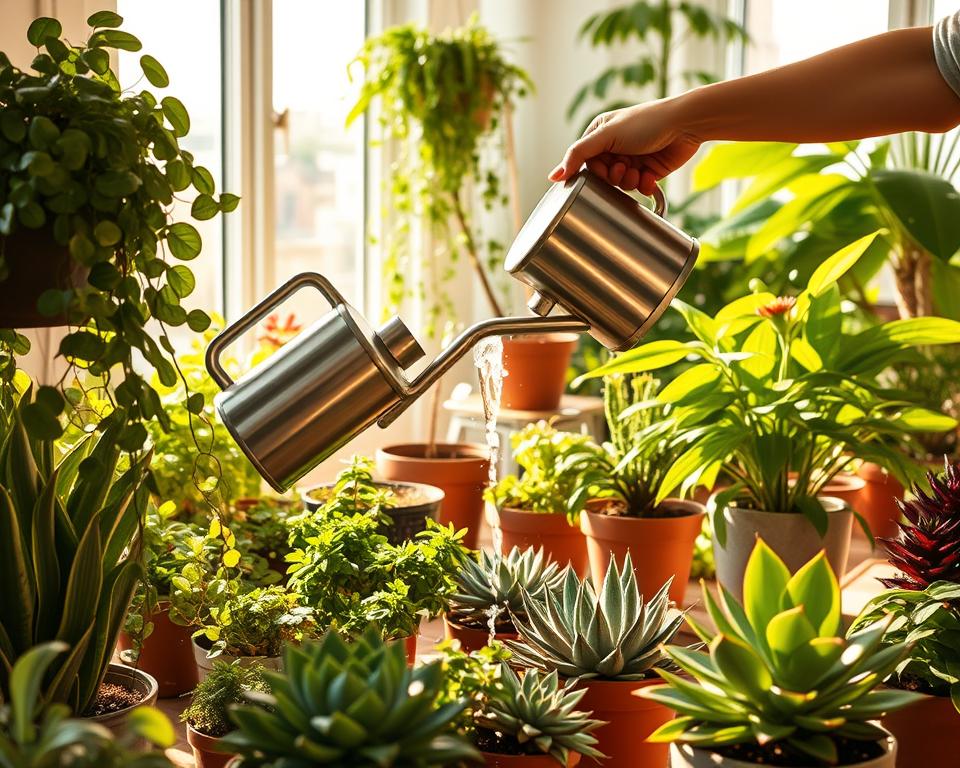
Watering requirements change dramatically based on seasonal conditions and plant dormancy. Maidenhair ferns may need more frequent watering during dry winter months. Conversely, cacti often require no water from November to March.
For forgetful waterers, drought-tolerant plants offer practical solutions. Self-watering systems using plant spikes or specialised containers maintain consistent moisture levels. These approaches prevent both underwatering and overwatering issues.
Managing Humidity and Temperature
Most indoor plants originate from tropical environments with high humidity. Winter heating reduces home humidity to desert-like levels of 20-30%. This dryness increases plant transpiration, demanding more frequent watering.
The ideal humidity range of 30-65% benefits both human health and plant vitality. Humidifiers become valuable investments for maintaining proper conditions during colder months. Understanding these relationships enables gardeners to adjust care routines effectively.
Proper humidity management reduces watering frequency while supporting plant health. Seasonal adjustments prevent stress caused by environmental changes. This knowledge transforms plant care from guesswork into science.
Caring for Your Plants: Pruning, Propagation, and Maintenance
Regular maintenance transforms indoor plants from surviving to thriving specimens. These ongoing practices ensure plants remain healthy, attractive, and productive throughout the year. Many gardeners overlook these essential techniques.

Weekly sessions lasting one to several hours prevent plants from becoming leggy or sparse. Without intervention, plants can grow unevenly as they stretch toward light sources. English ivy demonstrates this by dropping shaded leaves to focus energy on end buds with better light access.
Techniques for Pruning and Grooming
Strategic trimming encourages fuller growth patterns. Vining plants like pothos and philodendrons respond well to regular pruning. This approach promotes bushier structures rather than long, sparse stems.
Pruning offers a dual benefit: improving appearance while generating cuttings for propagation. Each cutting can become a new plant, expanding collections without additional cost. This makes pruning a valuable part of plant care.
| Maintenance Task | Frequency | Key Benefit |
|---|---|---|
| Pruning | Weekly | Encourages bushier growth |
| Turning Plants | Weekly | Prevents lopsided growth |
| Propagation | As needed | Creates new plants |
Regularly turning plants ensures even light exposure on all sides. This prevents crooked growth habits as plants lean toward light sources. Think of it like sunbathing – turning ensures an even “tan” for symmetrical development.
These maintenance sessions provide opportunities to inspect plants closely. Early problem detection makes pruning and grooming part of a holistic approach to plant health. Consistent care keeps plants looking their best.
Overcoming Seasonal Challenges in Indoor Gardening
Seasonal shifts present unique opportunities and challenges for indoor plant cultivation. Plants respond to environmental cues that change throughout the year, requiring gardeners to adapt their care routines accordingly. Understanding these seasonal rhythms is crucial for maintaining plant health.
Adapting Care for Winter and Summer Conditions
Many plants have evolved to respond to specific seasonal signals. Christmas cacti, for example, require periods of cold and darkness to trigger flowering. Temperature management becomes particularly important as seasons change.
Most plants benefit from cooler evening temperatures that support healthy rest periods. Even desert plants experience temperature drops at night. During summer, plants may need increased watering and humidity management to combat heat stress.
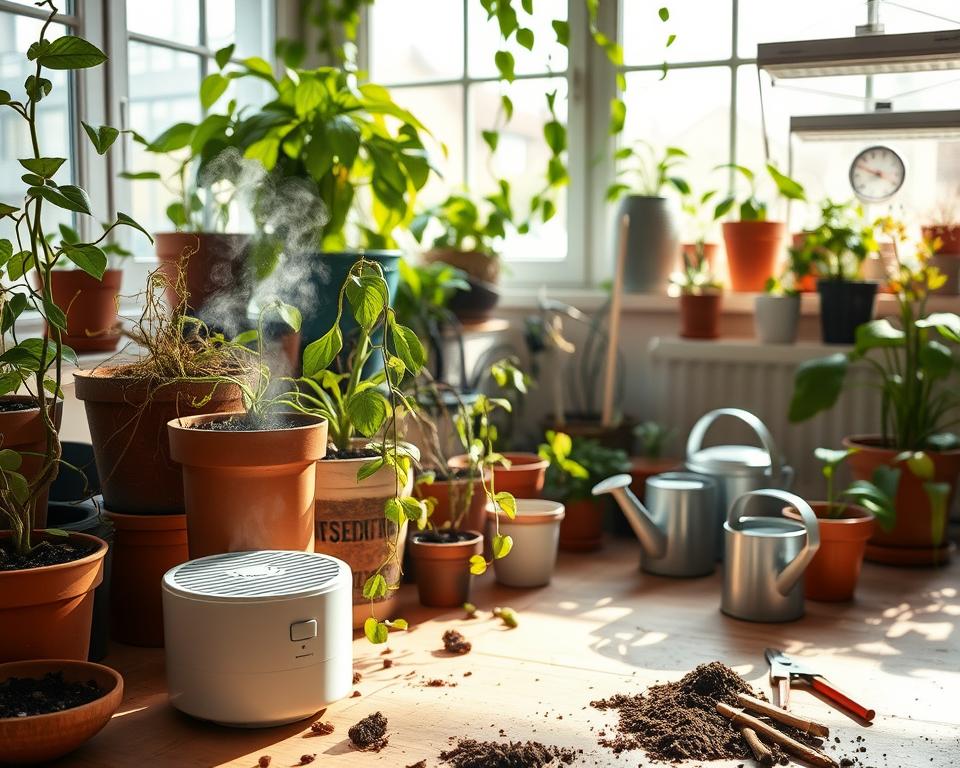
Winter brings different challenges with reduced natural light and dry air from heating systems. Cold drafts from windows can stress tropical plants. Seeds require specific warmth and moisture conditions to germinate successfully, making late winter ideal for starting new plants.
Adjusting Light and Artificial Lighting Options
During short winter days, natural window light may prove insufficient for many plants. Herbs and leafy greens especially need consistent illumination to thrive. Artificial lighting solutions can effectively supplement natural light.
Full-spectrum LED grow lights that clip onto shelves provide flexible options. These lights should operate for 12 to 14 hours daily to compensate for their lower intensity compared to sunlight. Proper positioning directly over plants ensures optimal coverage.
Gardeners should watch for signs of light stress. Leggy growth and stunted new leaves often indicate insufficient light. With careful adjustments to lighting and other conditions, indoor gardening remains productive throughout all seasons.
Conclusion
Indoor gardening success hinges on recognising that plants, like people, need both activity and proper rest periods. Many species require dormancy cycles where growth nearly halts, often after blooming. Understanding these natural rhythms is crucial for year-after-year health.
Each plant has unique requirements for light, water, and seasonal changes. Researching specific needs when acquiring new additions to your indoor garden prevents common problems. This knowledge transforms plant care from guesswork into informed practice.
The benefits extend beyond aesthetics to practical yields like fresh herbs and greens. View your indoor space as an evolving project where experimentation builds expertise. This guide serves as a comprehensive reference throughout your gardening journey.
Successful indoor cultivation combines fundamental principles with attentive observation. With consistent care, any room can become a thriving green sanctuary. The journey from beginner to confident gardener is both achievable and deeply rewarding.
FAQ
How much light do indoor plants typically need?
Most indoor plants require several hours of bright, indirect light each day. The specific amount varies by species. Plants like herbs and greens often need six to eight hours. For spaces with limited natural light, many gardeners use grow lights to supplement.
What is the best type of pot for an indoor garden?
Pots with adequate drainage holes are essential to prevent waterlogging and root rot. Materials like terracotta are popular as they allow the soil to breathe. The pot size should be appropriate for the plant’s root system, allowing some room for growth.
How often should I water my indoor plants?
Watering frequency depends on the plant type, pot size, and room conditions. A general rule is to check the soil’s moisture level. Water only when the top few centimetres feel dry. Overwatering is a common issue that can harm the roots.
Can I use garden soil for my indoor pots?
It is not recommended. Garden soil can be too dense, may contain pests, and often lacks proper drainage. A high-quality potting mix is specifically formulated to provide the right structure and nutrients for container-grown plants.
Do indoor plants need fertiliser?
Yes, but less frequently than outdoor plants. During the main growing season (spring and summer), a balanced, water-soluble fertiliser applied every few weeks is beneficial. Feeding is usually reduced or stopped in the winter months when growth slows.
How can I increase humidity for my plants?
Grouping plants together creates a more humid microclimate. Other methods include using a pebble tray filled with water placed beneath the pots or occasionally misting the leaves. A small humidifier is an effective solution for very dry rooms.
When is the best time to repot a plant?
The ideal time is at the start of the active growing season, typically in spring. Signs a plant needs repotting include roots growing through the drainage holes, water draining too quickly, or a noticeable slowdown in growth.
What are the benefits of using grow lights?
Grow lights are invaluable for providing consistent light, especially during the darker winter months or in rooms with few windows. They support photosynthesis, ensuring plants receive the energy they need to thrive regardless of the season.