Discover How a Garden Office could Boost Your Property Value
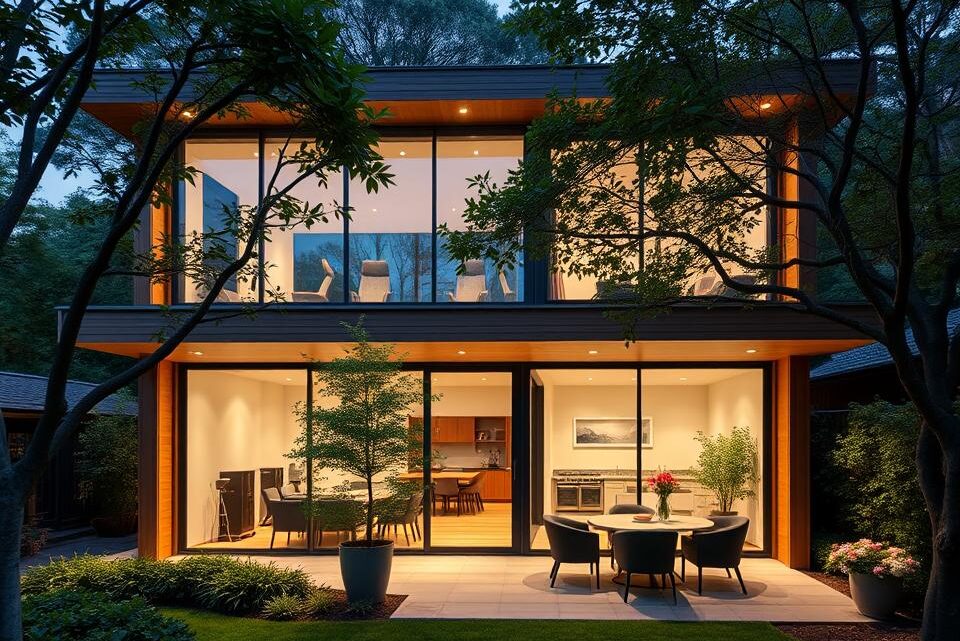
The landscape of the UK housing market is evolving. Homeowners are increasingly seeking features that enhance their daily lives and long-term investment. Among these, the garden office has emerged as a standout addition.
Data from Rightmove reveals a seismic shift. Property listings mentioning ‘garden offices’ have surged by an incredible 1,046% over the past decade. This is not a fleeting trend. Estate agents and developers recognise that these outdoor spaces have soared in popularity.
The change is largely driven by new working patterns. A dedicated space away from the main home supports a better work-life balance. This practical need has transformed the garden office from a luxury into a highly sought-after asset.
This guide explores the tangible benefits of adding a garden room. It addresses a fundamental question for any homeowner considering an upgrade: does this investment genuinely increase a property’s value? The answer is a resounding yes, offering both immediate lifestyle improvements and measurable financial returns.
Inhaltsverzeichnis
Key Takeaways
- The demand for properties with garden offices has increased dramatically, by over 1,000%, in the last ten years.
- Changing work habits have made a dedicated garden room a practical necessity for many buyers.
- Adding this space offers a dual advantage: enhancing your current lifestyle and boosting your home’s future sale price.
- Estate agents now view a well-built garden office as a significant feature that attracts potential buyers.
- This guide will cover the potential value increase, design options, and important planning considerations.
Understanding the Value of Garden Offices
One of the most significant shifts in buyer preferences involves the demand for flexible outdoor spaces. Estate professionals consistently identify extra living area as the primary driver of property value. A well-constructed garden room delivers this crucial advantage.
Extra Living Space and Its Appeal
These structures add functional square footage to a home’s total living area. This makes properties more competitive in markets where space commands a premium. Potential buyers can immediately visualise using the additional room for various purposes.
They might see it as a dedicated workspace, creative studio, or fitness area. This versatility significantly enhances the appeal to a wider range of buyers. The extra space works hard to meet modern lifestyle needs.
Impact on Marketability and Viewing Interest
Properties featuring these outdoor rooms generate substantially more viewing interest. Estate agents report that this feature can be decisive in competitive markets. Robert Ellis from Nutbrook Property confirms their importance.
Now, more than ever, there is a need for these garden rooms and there is absolutely no questioning the fact that these are very desirable features of a home.
Higher numbers of viewings typically lead to quicker sales. Buyers are often willing to meet asking prices to secure a home with this desirable feature. The “wow factor” creates lasting impressions during property viewings.
How a Garden Office could Boost Your Property Value
Market research demonstrates measurable increases in home valuation through strategic garden room investments. Studies reveal these structures can significantly enhance a property’s market appeal and financial worth.
Direct Increase in Property Value
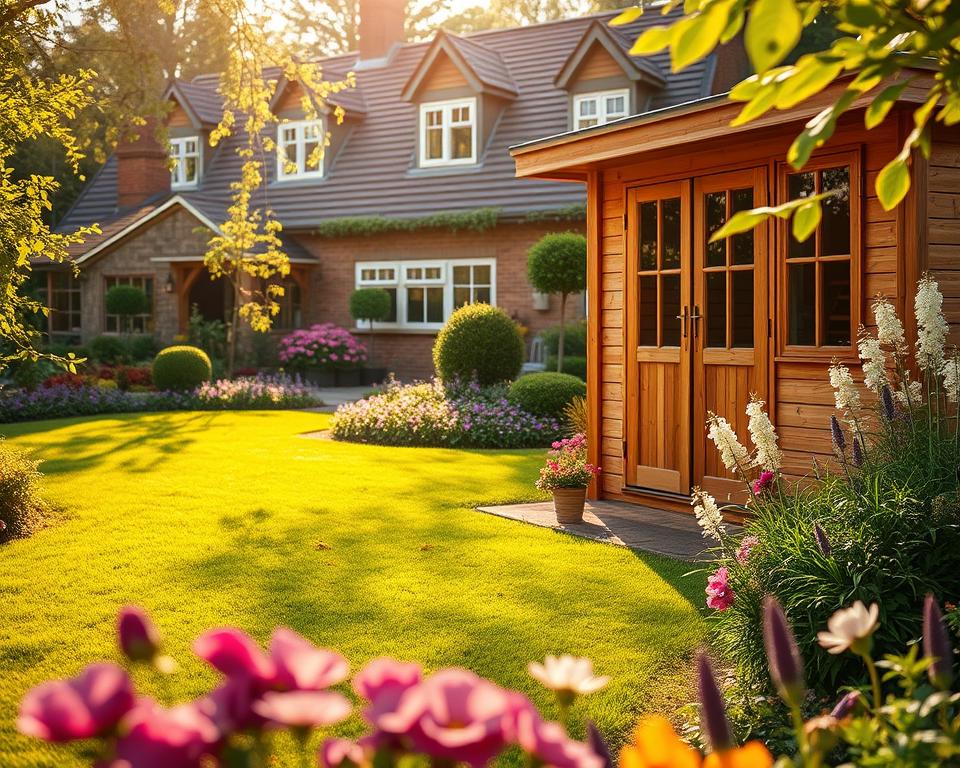
Quality garden offices typically add between 5-15% to a home’s overall worth. For a £400,000 property, this translates to £20,000-£40,000 in added value.
The exact increase depends on construction quality, size, and local market conditions. Premium materials and professional installation maximise returns. Location also plays a crucial role in determining final valuation.
Comparative Advantages Over Traditional Extensions
Garden rooms offer superior value for money compared to traditional house extensions. While extensions may add slightly more total value, garden offices provide better return on investment.
They install in days rather than months, usually under permitted development rights. This avoids lengthy planning processes and construction disruption. The detached space offers privacy that many buyers prefer for workspaces or studios.
Design, Quality and Materials: Building a Worthwhile Garden Room
Careful consideration of design and materials separates premium garden rooms from basic outbuildings. The construction approach directly impacts both immediate functionality and long-term value.
Innovative Design Elements
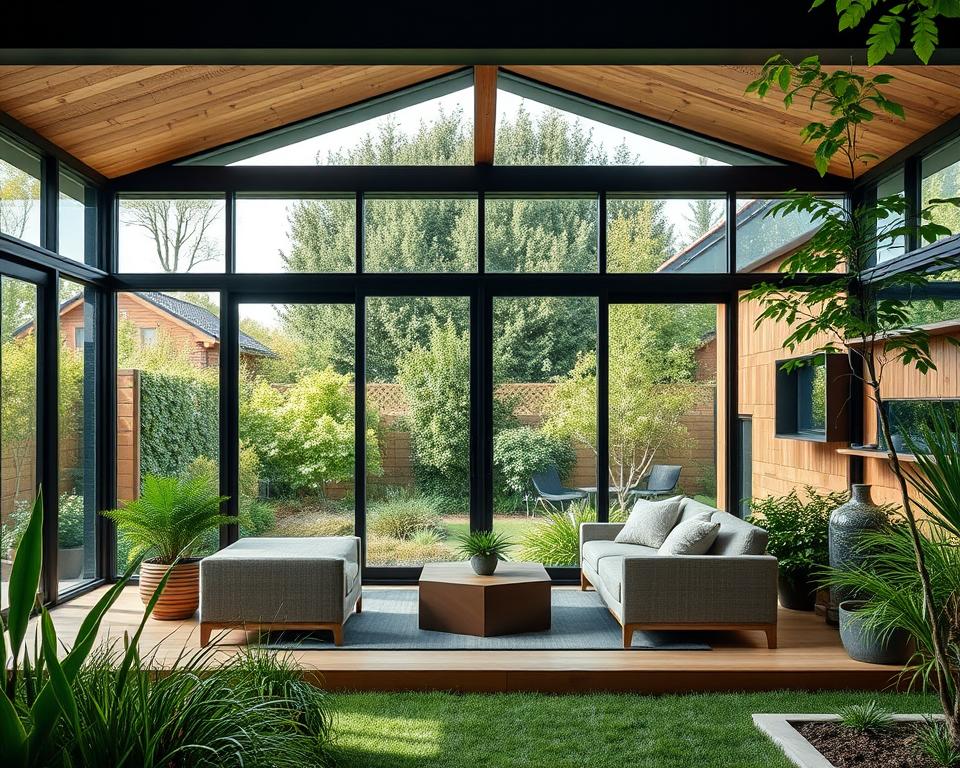
Contemporary design focuses on clean lines and maximum natural light. Strategic window placement creates bright, inviting spaces. This thoughtful design enhances the overall garden aesthetic.
Proportional size matters greatly. An oversized structure can overwhelm outdoor areas. Family buyers particularly value balanced garden space for recreation.
Quality Materials and Finishing Touches
Superior materials ensure durability and weather resistance. Proper insulation transforms a basic building into a year-round usable room. Quality construction stands the test of time.
Finishing touches elevate the entire project. Quality glazing, professional flooring, and integrated lighting create cohesive appeal. These elements distinguish premium garden rooms from simple shed-like structures.
Investing in better materials often yields stronger returns than opting for larger size. Discerning buyers recognise craftsmanship and lasting quality in garden room construction.
Versatility and Functionality: Transforming Outdoor Space
Beyond mere square footage, the functional flexibility of a garden room significantly enhances its appeal to diverse buyers. This adaptability allows the same structure to serve completely different purposes for various families.

Creating a Home Office, Gym or Hobby Room
A dedicated home office is now considered essential by many prospective buyers. Estate agent Luke Jackson from Michael Graham confirms this trend, stating
“Having a home office in the garden away from the house can now make or break a property deal.”
Zoopla research supports this, ranking dedicated workspace among the top five buyer requirements. The separation between work and domestic life is crucial for professionals engaged in remote or hybrid working patterns.
For fitness enthusiasts, a garden gym represents a dual investment in property value and personal health. This dedicated space allows focused workouts without household interruptions.
Hobbyists find exceptional value in having a private area for creative pursuits. The ability to store equipment and practice skills makes the garden room their favourite retreat.
Even families not seeking office space appreciate the versatility. One family might envision a playroom, while another sees a teenager’s den or craft studio. This future-proofing expands the potential buyer pool significantly.
Glenn Copper from Cala Homes notes buyers now carefully consider their space needs. The garden room’s ability to adapt as family requirements change makes it a highly desirable feature that appeals to a broad spectrum of buyers.
Financial Considerations and Investment Returns
Understanding the financial commitment and potential returns is a critical step before building a garden room. A clear budget and realistic expectations ensure this upgrade is a sound financial decision.
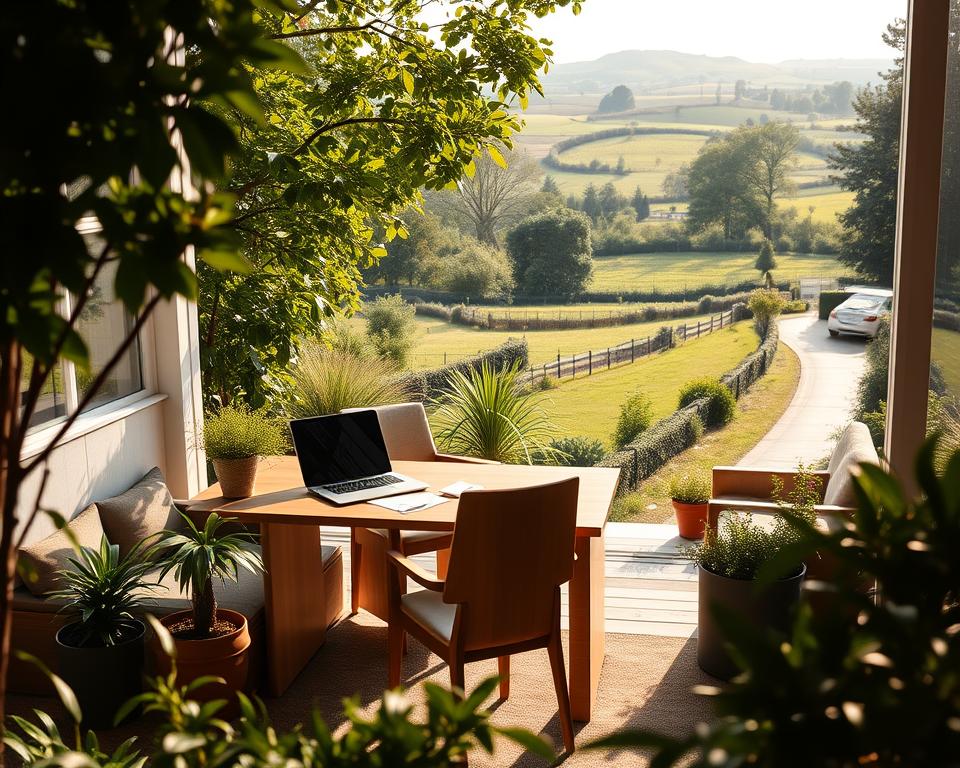
Initial outlay varies significantly. A basic structure might cost around £1,000. A fully-equipped, high-specification build could reach £35,000 or more.
Cost Estimates and Return-on-Investment
Checkatrade provides average prices for different sizes. A compact 2m x 2m room averages £13,523. Larger builds, like a 6m x 4m structure, average £35,970.
The return on this investment is twofold. It can add 5-15% to a property’s value. It also generates daily savings on commuting, gym memberships, or business space rental.
Budgeting for Different Building Options
Budgeting requires balancing cost with desired features and quality. Homeowners should consider their property’s overall value.
Investing proportionally is key. A well-built structure that complements the existing home offers the best return.
Tax Implications and Capital Allowances
For limited companies, specific finance rules apply. The garden room itself is classed as a structure and typically ineligible for tax relief.
However, capital allowances can be claimed on furniture, equipment, and installations like electrical wiring. Ongoing utility and repair costs may also be claimable.
This makes the investment particularly attractive for business use, adding another layer of financial benefit.
Planning, Permissions and Local Expertise
Before breaking ground, homeowners must address two key areas: regulatory compliance and local market intelligence. Getting these elements right from the start ensures a smooth project and maximises the investment’s return.
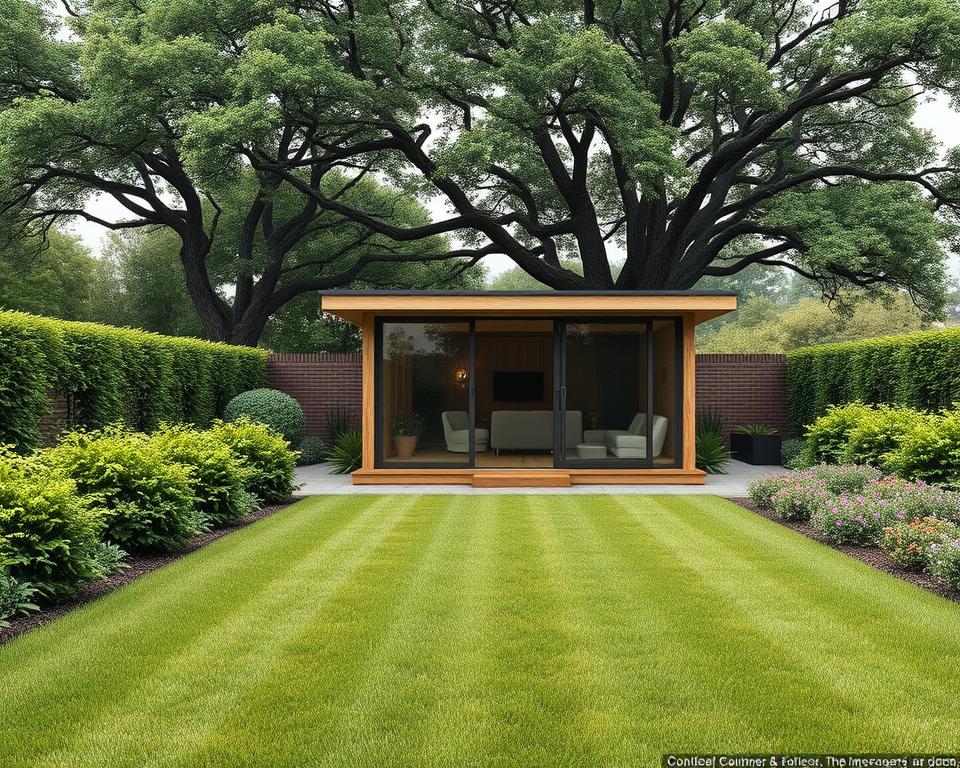
Understanding Permitted Development Rules
Most garden offices fall under ‘permitted development’. This typically means no formal planning permission is needed. It is a significant advantage over traditional extensions.
Structures must meet specific criteria to qualify. Key rules often include limits on overall height and size. The building should not cover more than half the garden.
It is crucial to verify local requirements. Properties in conservation areas or listed buildings face different rules. Always check with the local planning authority before starting.
| Requirement | Planning Permission Needed | Permitted Development (Typical) |
|---|---|---|
| Maximum Height (within 2m of boundary) | Over 2.5 metres | 2.5 metres or less |
| Building Location | Forward of the principal elevation | To the rear or side |
| Percentage of Garden Covered | Over 50% | 50% or less |
| Property Type | Listed Buildings, Conservation Areas | Standard residential properties |
Consulting Local Estate Agents for Market Insight
Local estate agents offer invaluable insight into what features attract buyers. They know the local market inside and out.
An early conversation can guide the project’s scale and specification. Agents advise on the optimal budget for the area. This prevents over- or under-investing in the outdoor space.
They understand what potential buyers are looking for. This knowledge helps tailor the garden room to maximise appeal and value. Consulting an expert ensures the new space meets local demand perfectly.
Conclusion
The evidence presented throughout this guide confirms the substantial advantages of investing in quality outdoor spaces. Garden rooms offer a proven method to add value to any property, with potential increases of 5-15% representing significant financial returns.
Beyond monetary gains, these structures provide immediate lifestyle enhancements. They create versatile space for working, fitness, or hobbies. This dual benefit makes them a smart investment for the long term.
Choosing quality construction over basic alternatives ensures lasting appeal. Well-built garden offices outperform simple sheds in both function and property value retention. Their versatility appeals to diverse buyers when selling.
Homeowners should consult local estate agents and research reputable suppliers. With careful planning, a garden room becomes a valuable extension to any home, delivering benefits for years to come.
FAQ
How much value can a garden office add to a property?
A well-built garden office can significantly increase a property’s value, often by 5% to 15%. The exact figure depends on factors like the structure’s size, quality, and the local property market. High-quality builds with electricity and insulation are particularly appealing to potential buyers.
Does a garden room require planning permission?
In many cases, a garden office falls under permitted development rights, meaning planning permission is not required. However, specific rules govern size, height, and location. It is always advisable to check with the local planning authority before starting any building work.
What are the main advantages of a garden office over a home extension?
A> Garden offices generally offer a quicker build time, often lower costs, and less disruption than traditional extensions. They also create a dedicated, separate space for work or leisure, which can be more appealing than an internal room conversion.
Are garden offices a good investment compared to other home improvements?
Yes, a quality garden room is frequently considered a sound investment. It adds usable square footage and functionality to a property, typically yielding a strong return when selling. This makes it competitive with other popular improvements like kitchen upgrades or bathroom renovations.
Can the cost of a garden office be offset against tax?
If the garden office is used exclusively for business purposes, it may be possible to claim capital allowances or deduct running costs. The rules are complex and depend on individual circumstances, so consulting an accountant or financial advisor is essential.
What should one look for when choosing a garden room supplier?
A> Prioritise suppliers with a strong reputation for quality materials and craftsmanship. Look for robust frames, effective insulation, and durable finishes. Reviewing customer testimonials and examining case studies can provide valuable insight into a company’s reliability.
How can a garden room improve a property’s marketability?
A garden office adds a unique selling point, making a property stand out. It appeals to a growing number of buyers seeking dedicated space for remote working, fitness, or hobbies. This increased appeal can lead to a quicker sale and potentially higher offers.