Expert Guide: How to Build a Corner Summer House
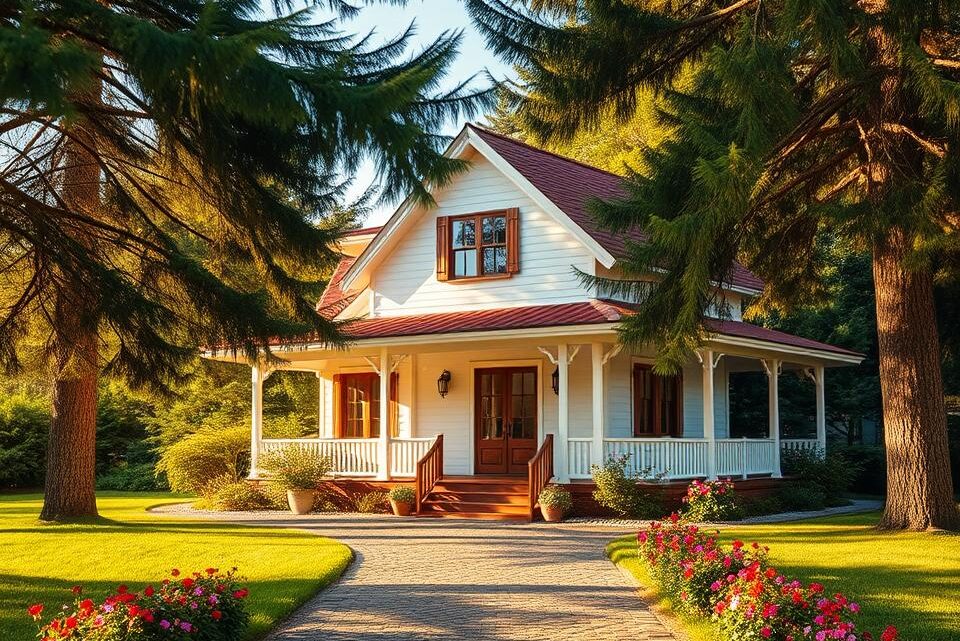
Creating an attractive outdoor retreat represents an excellent way to enhance any garden space. The corner summer house offers a particularly clever solution for maximising limited areas. These structures fit neatly into garden corners, providing panoramic views while conserving valuable lawn space.
Many homeowners appreciate how these compact buildings serve multiple purposes. They can function as relaxation spots, garden offices, or entertainment areas. The triangular design makes efficient use of space that might otherwise go unused.
Constructing one of these garden buildings from a kit proves more straightforward than many anticipate. Pre-assembled panels and clear instructions simplify the process significantly. Even those with basic DIY skills can achieve professional-looking results with proper planning.
This comprehensive guide covers the entire project from initial planning to final touches. It demonstrates that creating a functional outdoor shed requires attention to detail rather than advanced carpentry expertise. The methodical approach ensures success at every stage.
Inhaltsverzeichnis
Key Takeaways
- Corner summer houses efficiently utilise garden space that might otherwise remain unused
- The triangular design provides panoramic views while conserving lawn area
- These structures serve multiple functions from relaxation spaces to garden offices
- Construction using pre-fabricated kits simplifies the building process considerably
- Basic DIY skills combined with careful planning yield professional results
- The methodical approach outlined ensures success throughout the project
- Proper attention to detail proves more important than advanced carpentry expertise
Introduction: Setting the Scene for Your Summer House Project
Many property owners are discovering the benefits of adding a purpose-built outdoor room to their gardens. This growing trend reflects the desire for versatile accommodation that serves multiple functions throughout the year.
Corner designs particularly appeal to those with limited garden space. Their triangular footprint makes efficient use of areas that might otherwise remain unused. This clever approach maximises available outdoor areas without dominating the landscape.
| Primary Motivation | Common Uses | Space Requirements |
|---|---|---|
| Quiet Retreat | Reading, meditation, relaxation | Compact corner placement |
| Work from Home | Garden office, studio space | Additional electrical points needed |
| Entertainment Area | Social gatherings, bar setup | Larger footprint preferred |
| Fitness Space | Home gym, yoga studio | Good ventilation essential |
Proper preparation prevents poor performance when undertaking any garden project. The planning phase determines the ultimate success of the build.
Modern construction kits have revolutionised what was once considered specialist work. Pre-fabricated components and clear instructions make the process accessible to most DIY enthusiasts. Realistic time allocation ensures steady progress without unnecessary pressure.
Establishing the intended use early guides all subsequent decisions. Budget considerations, material selection, and placement options flow from this fundamental choice. Thoughtful preparation creates a structure that truly enhances outdoor living.
Understanding the Corner Summer House Concept
Unlike conventional garden buildings, a corner summerhouse is specifically engineered to capitalise on underutilised spaces. Its defining feature is an angled or cut-off corner, creating a distinctive triangular shape that fits seamlessly into a garden’s perimeter.
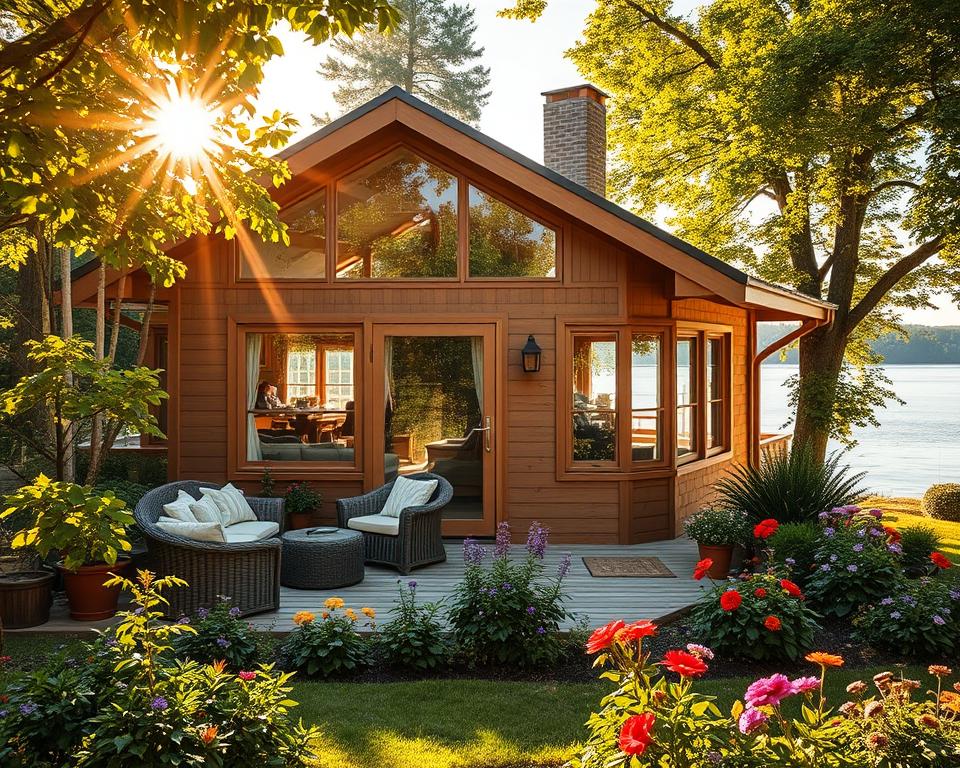
This innovative design is a perfect match for smaller urban gardens where every square metre counts. The structure nestles into the corner without creating dead space or obstructing views across the lawn. This makes efficient use of a lot that might otherwise remain awkward or unused.
A typical configuration includes double doors at the front complemented by windows on the adjacent sides. This arrangement provides a panoramic view of the surroundings, fostering a strong connection between the interior and the garden. Despite a compact external footprint, the interior feels surprisingly spacious and light-filled.
The architectural approach distinguishes it markedly from a standard rectangular shed or traditional summer house. Available styles range from classic designs with Georgian windows to contemporary models featuring extensive glazing. This versatility ensures there is an option to suit various aesthetic preferences.
Essential Tools and Materials for a Successful Build
Gathering the correct equipment beforehand streamlines the entire construction process. Having the right tools and materials to hand prevents frustrating delays and ensures a professional finish.
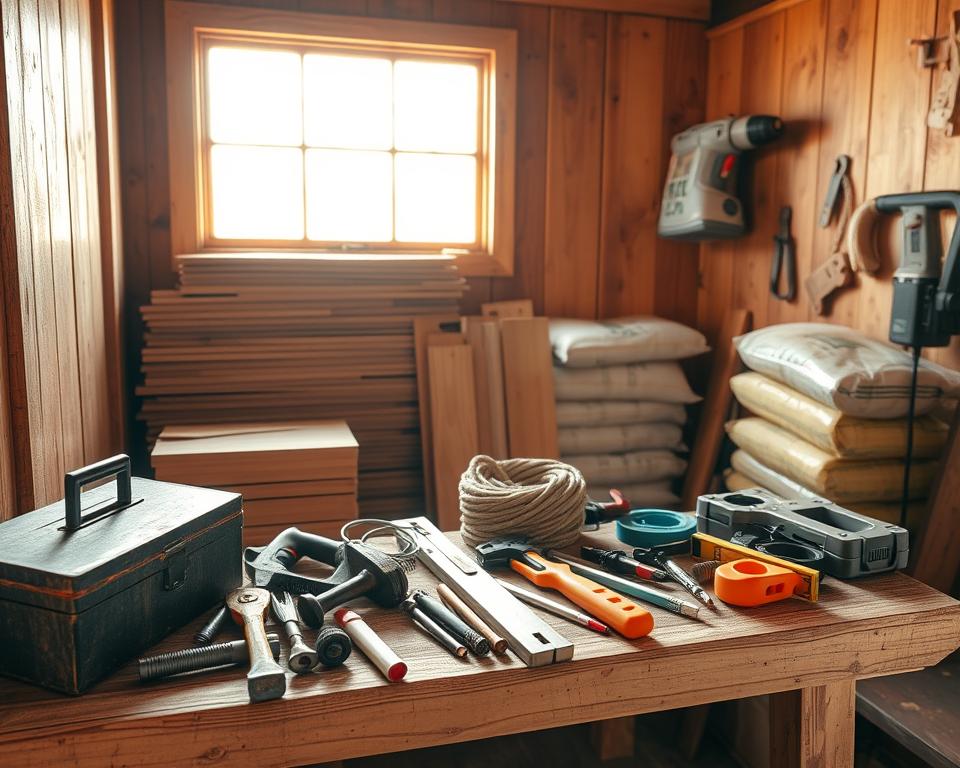
This preparation separates a smooth project from a problematic one. It allows the builder to focus on precision rather than searching for missing items.
Must-Have Tools
A reliable tape measure and spirit level are fundamental for accurate work. An electric drill, equipped with a range of bits, and an electric screwdriver are powerful allies. These tools significantly speed up assembly.
For cutting timber, a hand saw suffices, but an electric saw ensures cleaner, faster cuts. A hammer, pencil, and a sturdy set of clamps complete the core toolkit. Safety gear, including glasses and ear protection, is non-negotiable.
Key Materials and Timber Selection
The choice of wood is critical for longevity. Structural timber must be pressure-treated or treated after construction to resist decay. This protection is vital for any garden shed.
Always specify exterior-grade screws, as they resist rust. For cladding and flooring, treated wood is equally important. A quality wood preserver, available in a range of colours, offers additional defence.
Other essential items include roofing felt, cladding materials, and felt adhesive. Using the correct screws and fixings guarantees the structural integrity of the shed for years to come.
Planning and Preparing Your Outdoor Space
The preparatory phase determines the long-term success and stability of your outdoor building. Careful consideration of the intended place prevents future complications and ensures optimal enjoyment.
Site Selection and Level Ground
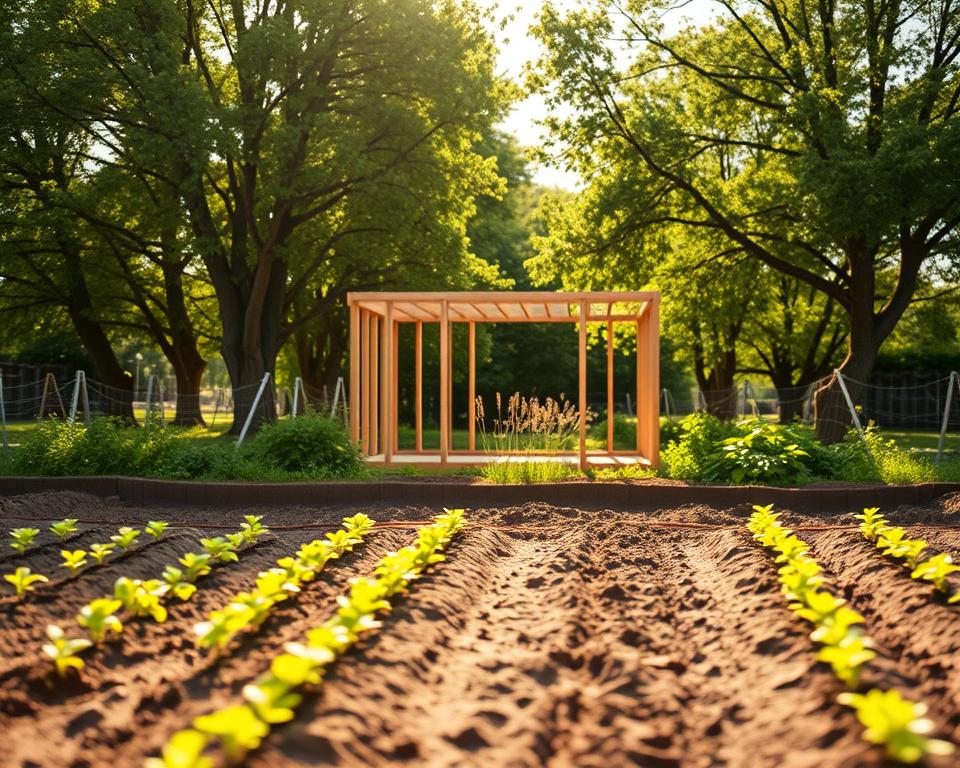
Choosing the right location within your garden requires thoughtful assessment. Sun exposure, drainage patterns, and proximity to boundaries influence the ideal area. A flat, stable base proves essential for structural integrity.
Begin by clearing vegetation from the selected space. Remove turf and excavate the topsoil to create an even surface. Use a spirit level frequently to verify the level ground throughout preparation.
Establishing a Solid Foundation
A robust base supports the entire structure. Concrete slabs or paving stones offer excellent stability for any garden shed. Ensure the foundation sits slightly above ground height to promote drainage.
Measure diagonally across the prepared area to confirm square alignment. Matching measurements indicate proper geometry. Leave a small gap behind the summerhouse for ventilation.
| Foundation Type | Best For | Preparation Time | Durability |
|---|---|---|---|
| Concrete Slabs | Permanent installations | 2-3 days | Excellent |
| Paving Stones | Flexible layouts | 1 day | Very Good |
| Gravel Base | Temporary structures | Half day | Good |
| Treated Timber | Elevated foundations | 1 day | Good |
Proper foundation work creates a stable platform that protects your investment. A well-prepared base ensures the garden shed remains secure and functional for years.
How to Build a Corner Summer House: Step-by-Step Process
Before any tools are picked up, a thorough review of all components and manufacturer instructions sets the stage for success. This initial step allows builders to familiarise themselves with each part and verify that nothing is missing from the kit.
Assembling a garden shed from a kit is fundamentally an exercise in logical progression. The building process follows a clear sequence, where each step naturally builds upon the previous one. This way of working ensures structural integrity from the ground up.
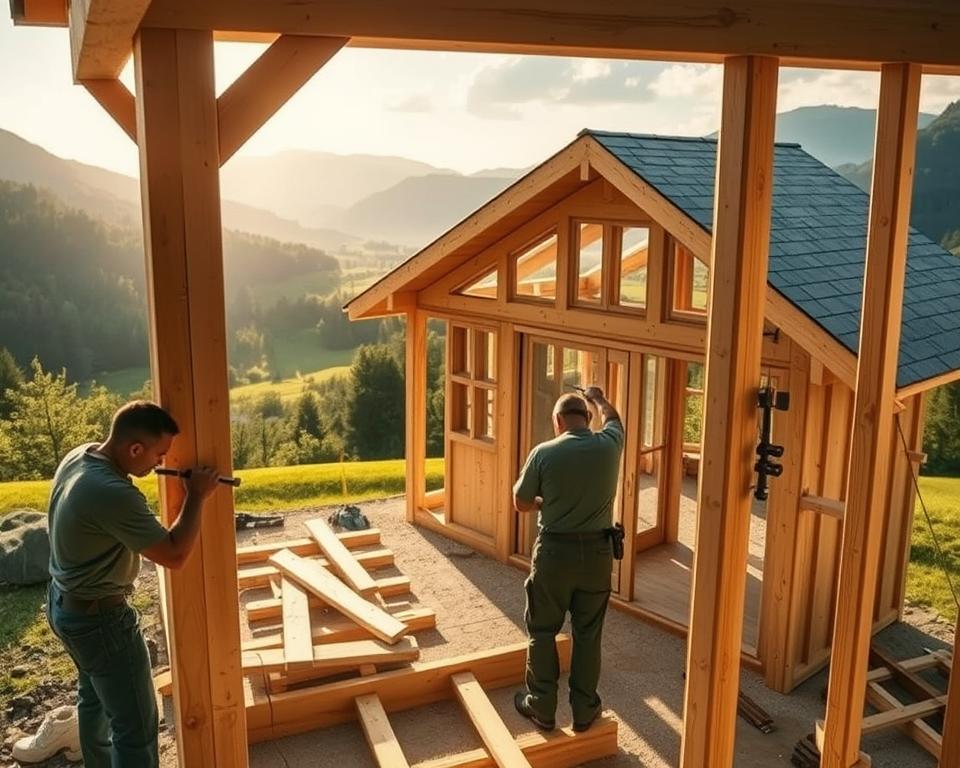
While the provided guide offers a recommended way forward, it is not an inflexible rulebook. Builders should feel empowered to adapt the step-by-step process to suit their specific place, tools, and preferences. Understanding the underlying principles is key to problem-solving if components require minor adjustment.
The typical progression for a corner summerhouse involves several key phases. This overview provides a roadmap, helping visualise the project timeline.
| Construction Phase | Primary Focus | Key Consideration |
|---|---|---|
| Foundation & Floor | Creating a stable, level base | Absolute precision at this stage is critical |
| Wall Erection | Assembling pre-made panels | Ensuring square alignment and secure fixing |
| Roof Construction | Fitting trusses and panels | Achieving even alignment for weatherproofing |
| Final Finishes | Applying felt, seals, and paint | Protecting the structure for long-term durability |
This methodical approach prevents mistakes that could force the dismantling of completed sections. A patient, detail-oriented mindset, coupled with an extra pair of hands for key steps, makes the entire process of creating your garden house a rewarding experience.
Building a Robust Base and Floor Structure
A stable and even foundation is the cornerstone of any successful garden building project. The integrity of the entire structure depends entirely on the quality of the base and floor. Any deviation from true at this initial stage will cause significant issues later.

Constructing the base in manageable sections proves highly effective, especially for larger structures. This approach allows for greater control over accuracy.
Techniques for Laying a Level Base
The sub-base frame, constructed from structural timber, must be perfectly square and level. Using a tape measure and framing square, builders should check the layout meticulously. For structures with an angled corner, traditional diagonal measurements are less reliable.
An alternative method involves ensuring the outer edges align perfectly with the floor bearers. Incorporating extra spars, spaced approximately 30-40cm apart, prevents future sagging. This creates a robust support system.
Measure twice, cut once. This old adage holds especially true when constructing the foundation, where precision is non-negotiable.
Once assembled, the entire base must be checked with a spirit level. For larger spans, placing the spirit level on a long, straight edge provides an accurate reading. The frame should be propped slightly above ground level on bricks or treated wood to prevent moisture ingress.
Securing Tongue and Groove Floorboards
Most kits utilise tongue and groove boards for the floor. This design interlocks to form a solid, gap-free surface. The first board is positioned with the groove facing outwards.
Subsequent boards are then tapped gently into place, each tongue fitting snugly into the preceding groove. It is crucial to pre-drill holes near the ends of the boards to prevent the timber from splitting when screws are inserted.
Fix the tongue and groove panels to the floor bearers using exterior-grade screws. Some builders opt for weatherproof wood glue for added strength. The result is a durable and stable floor ready for the next construction phase.
| Component | Key Tool | Critical Check |
|---|---|---|
| Base Frame | Framing Square | Square Alignment |
| Floor Support | Tape Measure | Bearer Spacing (30-40cm) |
| Level Surface | Spirit Level | Evenness Across Base |
| Floorboards | Drill with Bits | Pre-Drilled Holes |
Assembling the Wall Panels and Door Installation
This phase marks a significant transformation, turning the prepared base into a recognisable structure. Careful execution here ensures the building’s stability and functionality.
Before any permanent fixing, lay out all wall panels in their approximate positions. This dry run helps visualise the final form and confirms each piece fits correctly. Inspect every panel for damage like cracks or warping.
Verify all components are present, including fixings and brackets. Pay close attention to orientation, as it is easy to confuse front and side panels.
Fitting Pre-Assembled Panels
Most kits feature a bottom rail that secures to the floor’s edge. The wall panels slot neatly into this channel. Use a spirit level to ensure each panel is perfectly vertical before securing it.
Proceed to the side panels. Tongue and groove buildings typically use posts at the corners to join the sections. Tighten all screws firmly to eliminate movement.
Employ clamps to hold panels steady during drilling. This makes the installation easier and ensures greater accuracy.
Aligning and Installing Doors and Windows
For the door section, align the frame with the floor and adjacent panels. It must sit square to prevent the door from sagging. Have an assistant hold the frame while checking the fit.
When attaching hinges, only partially tighten the screws initially. Hang the door and test its operation. Open and close it several times to check alignment.
The door should shut flush against the frame. If it binds, loosen the frame slightly, realign, and refix. Ensure even gaps around the frame before final tightening.
For windows, measure the opening and add approximately 5mm for clearance. This prevents a too-tight fit. Screw horizontal timber bars, known as noggins, above and below the window openings to create sturdy frames.
This methodical approach ensures all openings function smoothly, contributing to the summerhouse‘s quality and durability.
Constructing the Roof and Installing Panels
Proper roof construction ensures the longevity and weather resistance of the entire structure. This phase demands precision and careful attention to detail.
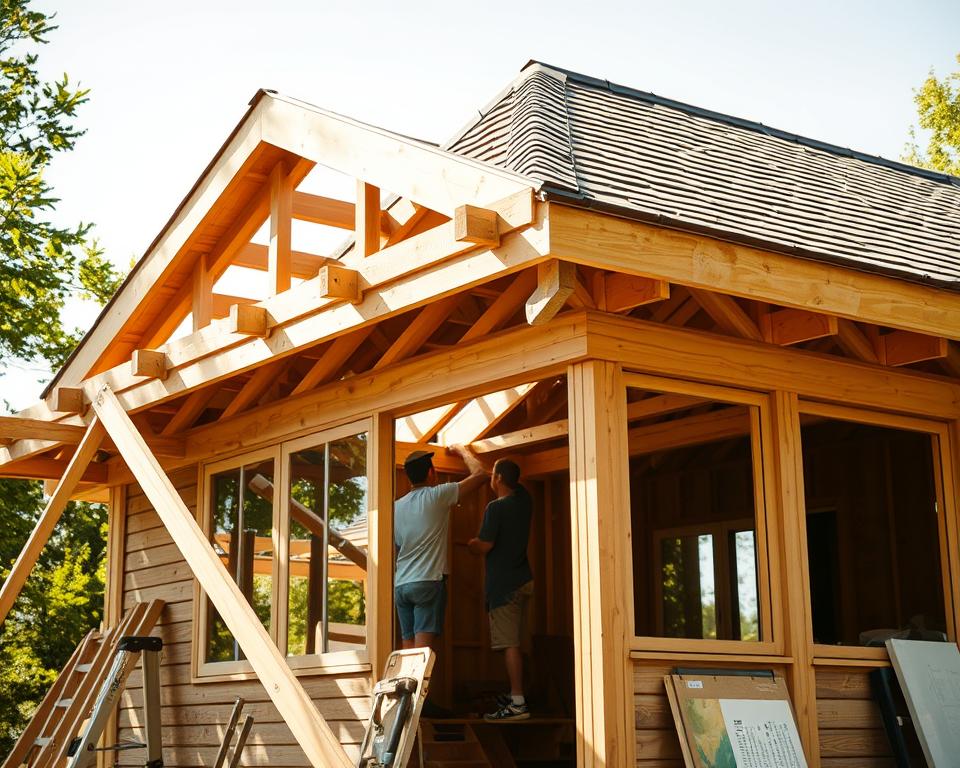
The roof framework protects the interior from weather elements and completes the shell. It requires methodical execution for optimal performance.
Positioning Roof Trusses Correctly
Before laying any boards, check for roof trusses in the kit. These provide essential support and prevent sagging in the middle. Screw them in place before boarding over.
Use clamps to hold trusses steady during drilling. This ensures accurate placement and secure fixing.
For a pitched roof, mark a height of 1900mm from the bottom of each side. This measurement creates the correct angle for water runoff.
Ensuring Even Panel Alignment
Line up roof panels so each sits flush with the next. Avoid gaps and overlaps for proper weatherproofing. Use a spirit level across the top to maintain even alignment.
Leave a small overhang of 4-5cm on all exposed edges. This helps rainwater drip away from walls rather than running down the sides.
If panels don’t align well initially, check the alignment and work back to where it shifted. Never force components into place.
| Roof Component | Key Function | Critical Check |
|---|---|---|
| Trusses | Prevent sagging | Secure fixing |
| Panels | Weather protection | Even alignment |
| Overhang | Water diversion | 4-5cm clearance |
For mitred joins at the ridge, place battens with ends aligned. Cut carefully along marked lines for perfect joints. This technique ensures a weathertight seal.
Roofing Solutions: Felt, Shingle and Insulation Options
Roofing materials play a crucial role in determining the longevity and weather resistance of any outdoor structure. The choice of covering directly affects how well the building withstands seasonal changes over many years.
Most construction kits include standard roofing felt. Application begins at the bottom edge, working upward with each strip overlapping the previous by several centimetres. Galvanised clout nails provide secure fixing that resists corrosion.
Proper installation creates the primary barrier against rain penetration. Felt adhesive applied at corners, edges, and ridge lines enhances weatherproofing where mechanical fixing alone may prove insufficient.
Homeowners can choose from a range of felt qualities. Basic mineral felt suits budget projects, while higher-grade torch-on options offer extended lifespan. Each provides reliable protection when correctly installed.
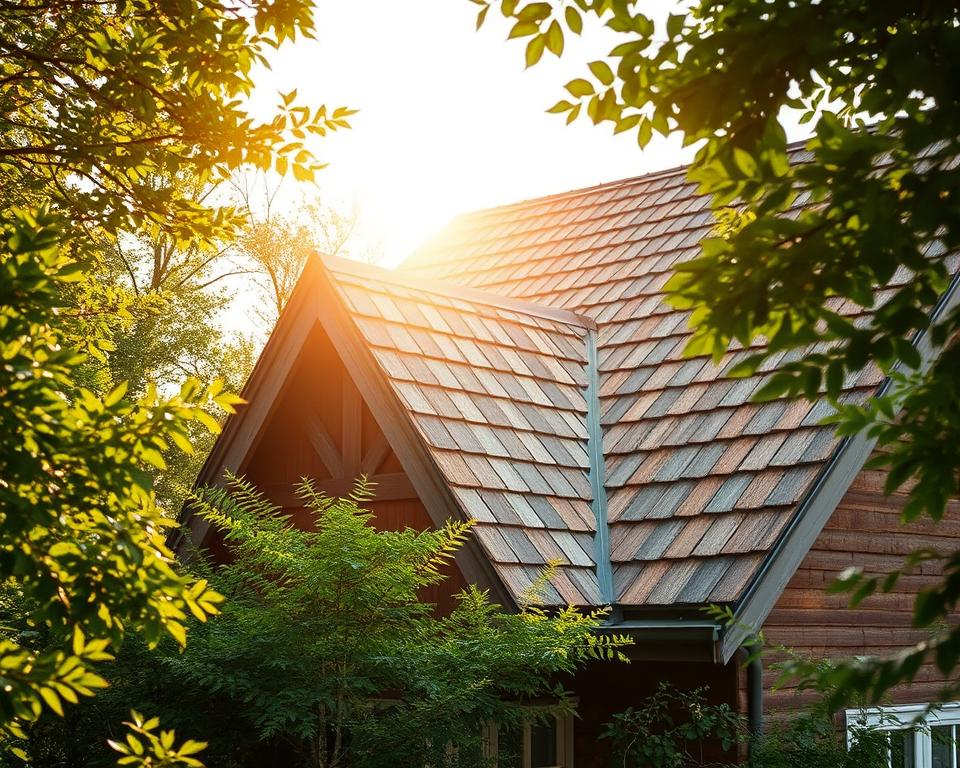
For enhanced durability and appearance, shingles represent an excellent upgrade. Applied over the base felt layer, they add extra weather resistance and aesthetic appeal. This combination significantly extends the roof’s effective lifespan.
Those planning year-round use should consider insulation between roof trusses before boarding. This creates a more comfortable interior temperature in both summer and winter months.
| Roofing Type | Application Method | Expected Lifespan | Best For |
|---|---|---|---|
| Standard Felt | Nailed strips with overlaps | 10-15 years | Seasonal use, budget projects |
| Torch-on Felt | Heat-activated adhesive | 20+ years | Long-term protection |
| Shingle Overlay | Nailed over base felt | 25+ years | Enhanced durability and appearance |
| Insulated System | Boarding over insulation | Matches roof covering | Year-round functionality |
A well-sealed roof prevents moisture damage that causes most garden building deterioration. Investing in quality materials and careful installation ensures lasting protection for the entire structure.
Sealing, Painting and Finishing Touches
The final stage of construction focuses on preserving the structure’s integrity against the elements. Proper finishing work ensures the garden building withstands seasonal changes for many years.
Begin by sealing every corner and joint with silicone sealant or wood filler. Pay special attention to window frames, door edges, and panel joints where moisture accumulates.

Apply wood treatment as soon as possible after construction. Untreated timber absorbs moisture quickly, leading to damage over time. Choose a breathable outdoor preservative for best results.
Products like Ronseal Total Wood Preserver offer genuine protection while available in various colours. Apply at least two coats, allowing adequate drying time between applications.
For pressure-treated timber, wait several months for the wood to cure before painting. Always check that products are labelled as preservatives rather than just decorative finishes.
Treat all sides including the base and back wall for complete protection. Regular inspection every few years maintains the finish and prevents costly repairs.
Customising Your Summer House for Enhanced Functionality
The true potential of a garden building emerges when customisation transforms it from a standard structure into a personalised retreat. Pre-assembled panels provide an excellent foundation while allowing significant creative freedom.

Personalising with Cladding and Decorative Elements
Different cladding styles dramatically alter the building’s appearance. Shiplap creates a rustic charm, while smooth boards offer contemporary appeal. A nail gun ensures efficient installation of these decorative features.
Window choices significantly impact both aesthetics and functionality. Large glass panels flood the interior with natural light. Georgian-style windows suit traditional designs perfectly.
Integrating Extra Features for Modern Use
Practical enhancements extend the structure’s usefulness throughout the year. Insulation creates a comfortable environment in all seasons. Electrical installations provide lighting and power for various activities.
Built-in storage solutions maximise available space efficiently. These features adapt the building for diverse purposes from workspace to entertainment area.
| Customisation Type | Aesthetic Impact | Functional Benefit | Complexity Level |
|---|---|---|---|
| Cladding Style | High – defines appearance | Moderate – weather protection | Low – straightforward installation |
| Window Upgrades | High – light and views | High – insulation and comfort | Medium – requires precise fitting |
| Electrical Features | Low – mostly hidden | High – enables multiple uses | High – professional help recommended |
| Storage Solutions | Medium – interior design | High – space optimisation | Low to Medium – DIY possible |
Conclusion
Constructing a garden retreat in an unused corner space offers a rewarding DIY experience. Modern kits with pre-assembled panels make the process accessible to most enthusiasts. The completed structure provides years of enjoyment while enhancing outdoor living.
Following the systematic approach outlined ensures success from foundation to finishing touches. Proper planning and attention to detail prove more valuable than advanced skills. This methodical way of working prevents common pitfalls.
Regular maintenance preserves the integrity of your garden building over time. The versatile design adapts to changing needs, serving multiple purposes. A well-maintained outdoor shed becomes a cherished feature.
This project delivers substantial rewards for the lot invested. Take pride in creating a personalised space that adds both function and beauty to your property.
FAQ
What is the best timber for a corner summer house?
Pressure-treated timber offers excellent durability against moisture and decay. Many builders select slow-grown Scandinavian redwood or spruce for its strength and natural resistance, ensuring the structure withstands British weather for years.
How do I ensure the base is perfectly level?
Use a long spirit level across the entire foundation area. Adjust the base supports, often concrete paving slabs or a timber frame, until no gaps appear beneath the level. A perfectly level base prevents future structural issues.
Can I install double doors in my corner summer house?
A> Yes, many corner summer house designs accommodate double doors. It is crucial to check the manufacturer’s specifications for the required opening width and ensure the floor and wall panels are assembled squarely to allow for smooth operation.
What roofing material provides the best protection?
Roofing felt is a popular, cost-effective choice offering good waterproofing. For a more durable and aesthetically pleasing finish, asphalt shingles are an excellent alternative, providing superior longevity and weather resistance.
How important is tongue and groove construction?
Tongue and groove joints are vital for creating a strong, interlocking structure with excellent insulation properties. This system minimises drafts and enhances the overall stability of the wall and floor panels.
Should I treat the wood before or after construction?
It is advisable to treat the timber with a protective wood preserver before assembly, ensuring full coverage on all surfaces. A final coat of paint or stain can be applied after construction for a unified finish and added protection.
What features can I add for modern functionality?
For contemporary use, consider integrating electrical points for lighting and devices, installing insulation for year-round comfort, or adding security features like toughened glass windows and sturdy locks.