How to Build Your Own Waterfall Fountain: DIY Guide

Transforming your garden space into a tranquil retreat is easier than you think. A DIY waterfall fountain can be a beautiful addition, creating a soothing atmosphere with the sound of flowing water.
Building your own fountain can be a rewarding weekend project that enhances your outdoor living area. This comprehensive guide will walk you through every step, from planning to maintenance, ensuring a professional-looking result without the hefty price tag.
By following this DIY guide, you can create a stunning water feature that becomes the focal point of your garden. With basic DIY skills and minimal specialised tools, you can achieve a beautiful and tranquil waterfall fountain.
Inhaltsverzeichnis
Key Takeaways
- Create a serene atmosphere in your garden with a DIY waterfall fountain.
- Save money by building your own fountain instead of hiring a professional.
- This comprehensive guide covers planning, construction, and maintenance.
- Achieve professional-looking results with basic DIY skills.
- Enhance your outdoor living area with a beautiful water feature.
The Benefits of Adding a Waterfall Fountain to Your Garden
Creating a waterfall fountain in your garden is an effective way to boost its visual appeal and create a calming atmosphere. With a water feature, you can effortlessly enhance your garden’s ambiance while supporting sustainable energy use.
Creating a Tranquil Outdoor Space
Adding a DIY waterfall fountain to your garden is a fun, cost-effective way to create a tranquil outdoor space. The soothing sound of running water can transform your garden into a peaceful retreat, perfect for relaxation and entertainment.
Environmental and Practical Advantages
Water features are eco-friendly and offer numerous practical benefits. They can increase humidity in dry climates, benefiting surrounding plants and creating microhabitats. Properly designed water features can support local wildlife by providing drinking and bathing opportunities for birds and beneficial insects. Modern pump systems are energy-efficient and can often be solar-powered for sustainability. The circulation of water prevents stagnation and mosquito breeding, making fountains a practical addition to gardens. By recirculating water, waterfall fountains can be environmentally friendly and economical to run.
Furthermore, integrating your fountain with rainwater collection systems can enhance sustainability. This not only reduces your water bill but also supports eco-friendly gardening practices. With these benefits, incorporating a waterfall fountain into your garden is a worthwhile investment for both you and the environment.
Understanding Different Types of Waterfall Fountains

Waterfall fountains come in a variety of designs, each offering a unique aesthetic and functional experience. You can choose from a range of styles to suit your garden’s size and layout.
Cascading Waterfall Designs
Cascading waterfall designs are a popular choice for garden owners. These designs feature multiple levels of water flow, creating a soothing and visually appealing effect. The cascading water flows from one level to the next, producing a calming sound that enhances the overall ambiance of your garden.
When selecting a cascading waterfall design, consider the size of your garden and the space available for the fountain. A larger garden can accommodate a more extensive cascading design, while smaller gardens may require a more compact version.
Container and Pond Fountains
Container and pond fountains offer versatility and can be adapted to various garden settings. You can place a fountain in a pond or use a self-contained pot fountain that incorporates all elements within a decorative container. Submersible fountain pumps work within pond environments to create beautiful water displays.
- Self-contained pot fountains for easy installation
- Submersible fountain pumps for pond environments
- Floating fountain options for existing ponds or large water containers
- Tabletop container fountains perfect for small spaces
- Pond fountains combined with fish and aquatic plants for enhanced visual interest
- Container fountains that can be easily moved or modified
- Different container materials affecting aesthetics and durability
When choosing a container or pond fountain, consider the material and size of the container, as well as the type of pump required. A more powerful pump allows you to adjust the water flow, conserving energy and providing consistent performance.
Planning Your DIY Waterfall Fountain Project
The success of your DIY waterfall fountain project hinges on thorough planning, taking into account several key factors. A well-planned fountain can become a serene focal point in your garden, enhancing its beauty and tranquility.
Choosing the Perfect Location
When selecting a location for your waterfall fountain, consider the visibility and accessibility of the area. You want to be able to enjoy the soothing sounds of the water from a comfortable vantage point, such as a patio or seating area. Additionally, ensure that the location is level and stable to support the weight of the fountain and its components.
Determining the Right Size for Your Space
The size of your waterfall fountain should be proportionate to the available space in your garden. A large, ornate fountain might overwhelm a small patio, while a tiny feature could get lost in a spacious yard. Measure your garden and consider the scale of existing features to determine the ideal size for your fountain.
Selecting a Style That Complements Your Garden
Consider your garden’s theme and choose a modern, rustic, or classical fountain style that complements it. Different aesthetic styles for waterfall fountains include natural, contemporary, formal, and rustic designs. Assess your existing garden style to ensure the fountain will complement rather than clash with it. Material choices such as stone, concrete, metal, and ceramic contribute to different aesthetic effects, allowing you to tailor the look of your fountain to your garden’s unique character.
For instance, a natural style might incorporate rocks and boulders, creating a serene and organic design. On the other hand, a contemporary style might feature sleek lines and modern materials. The table below summarises different styles and their characteristics:
| Style | Characteristics | Materials |
|---|---|---|
| Natural | Organic, serene, blends with surroundings | Stone, rocks, boulders |
| Contemporary | Sleek, modern, minimalist | Metal, glass, concrete |
| Rustic | Earthy, charming, aged look | Wood, terracotta, distressed stone |
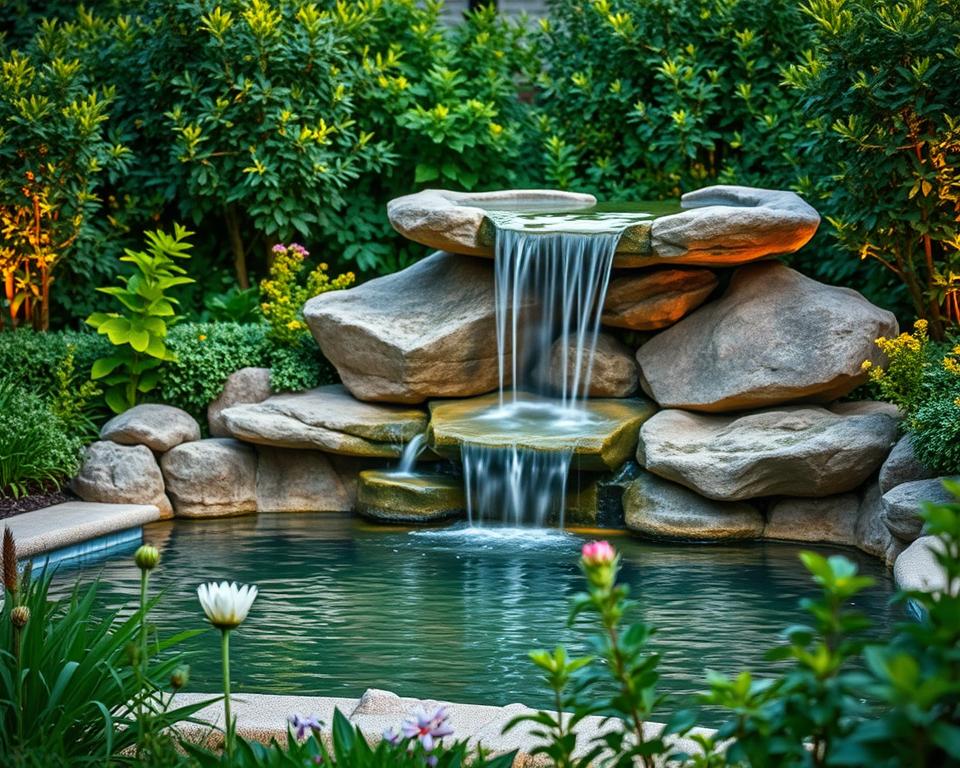
As you plan your DIY waterfall fountain, remember that the style you choose will significantly impact the overall ambiance of your garden. By considering factors such as location, size, and style, you can create a beautiful and functional waterfall fountain that enhances your outdoor space.
Essential Tools and Materials You’ll Need

When embarking on a DIY waterfall fountain project, it’s crucial to have the right tools and materials. A well-planned project ensures a beautiful and functional waterfall fountain that enhances your garden’s ambiance.
Required Tools Checklist
To start your project, you’ll need a variety of tools. These include a shovel for digging, a level to ensure even surfaces, and a drill for making holes for pipes and fittings. You’ll also require a hacksaw or pipe cutter for cutting tubing to the correct length, and a wrench for tightening fittings. Having a rubber mallet on hand can be useful for tapping rocks or other decorative elements into place without causing damage.
Materials Shopping List
The materials needed include a liner to prevent leaks, pump to circulate the water, and rocks or pebbles for decoration. You’ll also need PVC tubing and fittings to connect the pump to the fountain. Other essential materials include a waterproof basin, concrete or mortar for securing rocks, and a UV-resistant liner to protect against sunlight damage. Optional materials include lighting for nighttime effects and plants to enhance the natural look.
Creating the Water Reservoir and Base
Creating a water reservoir is a crucial initial step in building your own waterfall fountain. This reservoir will supply the water needed for your fountain’s operation. If you’re building in your backyard without a natural water source, you’ll need to create this reservoir before proceeding with the rest of the construction.
Digging and Preparing the Foundation
To start, you’ll need to dig a hole for your pond liner. The size of the hole will depend on the size of your pond liner and the design of your fountain. Use a spirit level to ensure the edge of the hole is level. Add a layer of sand or gravel at the bottom to protect the liner from punctures. This underlayment material is crucial for the longevity of your pond.

Installing the Waterproof Basin and Pump
Once the hole is prepared, you can install the waterproof basin or liner. Place the liner in the hole, ensuring it is properly positioned and secured around the edges. Fill any gaps with sand to prevent leaks. Next, install the submersible pump within the reservoir, making sure it is positioned for optimal performance. The pump should be placed in a way that it can effectively circulate the water to the top of the waterfall.
| Component | Purpose | Considerations |
|---|---|---|
| Pond Liner | Prevents leaks | Choose a durable, waterproof material |
| Submersible Pump | Circulates water | Ensure proper positioning for optimal flow |
| Underlayment Material | Protects liner from punctures | Use sand or gravel for effective protection |
After installing the liner and pump, test the basin for leaks by filling it with water. Check for any signs of leakage around the edges and make adjustments as necessary. Properly securing the electrical connections for the pump system is also crucial for safety and efficiency.
How to Build Your Own Waterfall Fountain: Step-by-Step Guide
As you embark on building your waterfall fountain, you’ll need to focus on constructing the fountain structure and setting up the water circulation system. This involves several key steps that will help you achieve a beautiful and functional waterfall feature in your garden.
Constructing the Fountain Structure
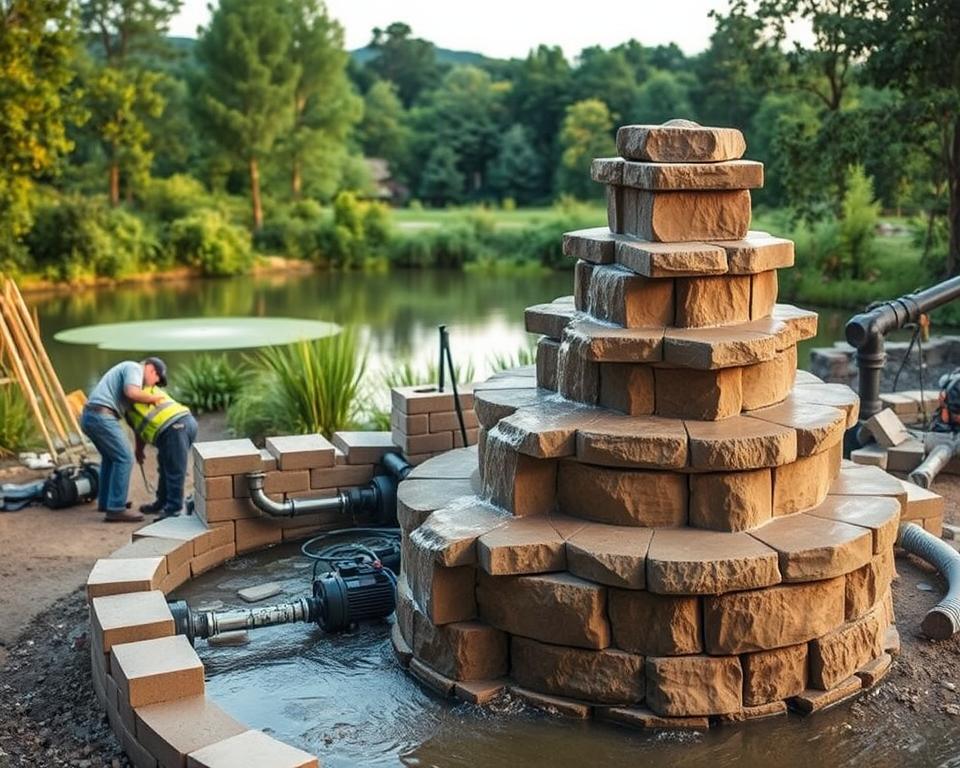
To start, you’ll need to construct the base and structure of your waterfall fountain. This involves digging and preparing the foundation, followed by installing a waterproof basin and pump. Ensure that the basin is properly sealed to prevent leaks and that the pump is correctly sized for your fountain’s needs.
The next step is to create the waterfall effect by arranging rocks or other decorative elements. You can use a combination of large and small rocks to create a natural-looking cascade. Make sure to leave enough space for the water to flow smoothly from one level to the next.
Setting Up the Water Circulation System
Setting up the water circulation system is crucial for creating a smooth and continuous flow of water. You’ll need to install the pump and connect it to the water distribution system using tubing. To achieve the desired visual and auditory effect, you may need to adjust the water pressure by incorporating valves or flow controls.
To make the water flow and “fall” out of the rock instead of shooting out at the top of the waterfall, you can divide the supply line into multiple outlets using T-fittings and elbows. For example, you can divide the supply line four ways and use pre-cut pieces of PVC to connect the fittings. This will help distribute the water evenly and create a gentle flow effect.
Once you’ve set up the water circulation system, test it to ensure that it’s working correctly and that there are no leaks. Adjust the flow controls as needed to achieve the desired flow rate and visual effect.
Working with Rocks and Decorative Elements
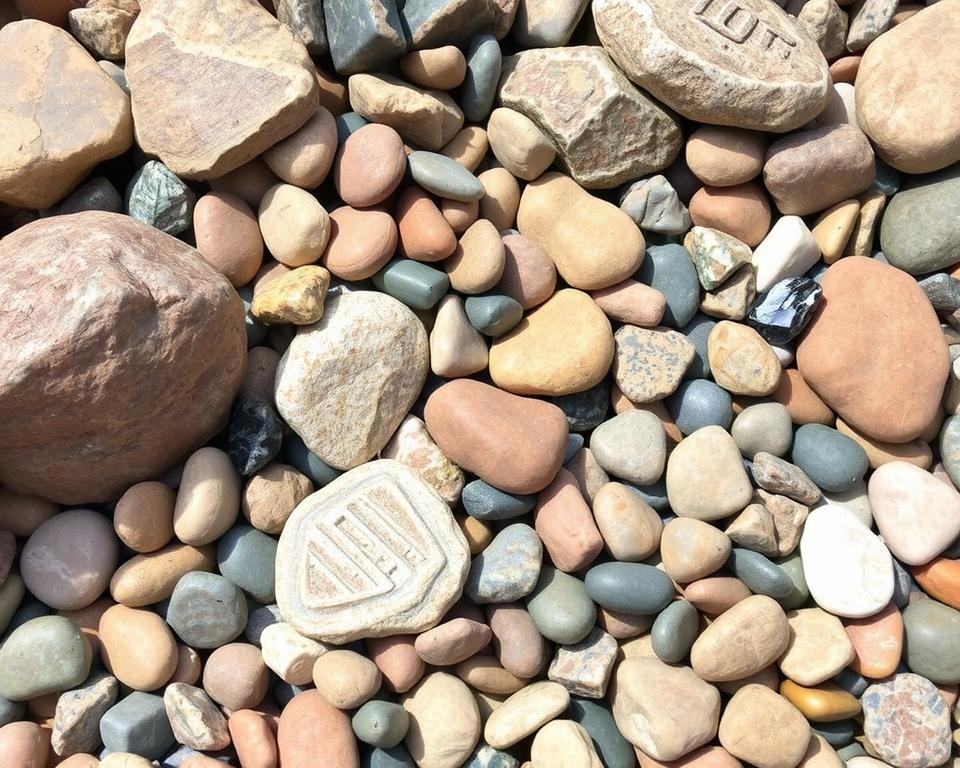
When building a waterfall fountain, the right decorative elements can make all the difference in achieving a natural look. The strategic use of rocks and other decorative elements can enhance the visual appeal of your fountain, creating a tranquil atmosphere in your garden.
Creating Natural-Looking Rock Arrangements
To create a natural-looking rock arrangement, you should consider the size, shape, and colour of the rocks. Larger rocks can serve as anchors, while smaller rocks can be used to fill gaps and create a more natural appearance. You can also experiment with different rock colours to achieve the desired effect. For instance, using rocks with a similar colour palette can create a harmonious look, while contrasting colours can add visual interest.
Making Your Own Concrete Rocks
You can make your own concrete rocks to add a personal touch to your waterfall fountain. Begin by mixing your concrete and adding colour if desired. It’s essential to follow the instructions on the cement colour bottles to achieve the desired shade. Once mixed, place the concrete into a mould, smooth it over, and remove the mould immediately. Using a tarp can prevent the concrete from sticking, making it easier to remove the rocks once they have dried. Be patient, as concrete rocks take a long time to dry thoroughly and are fragile in the first 24 hours.
By incorporating decorative rocks and elements, you can create a unique and visually appealing waterfall fountain that complements your garden’s design. Whether you choose to use natural rocks or make your own concrete rocks, the key is to experiment and have fun with the process.
Installing and Testing Your Pump System
Once the concrete has hardened, you can proceed to install and test the pump system for your waterfall fountain. This step is crucial in achieving the desired visual and auditory effects.
Connecting the Pump and Tubing
Before turning on the water pump for a test drive, ensure that the concrete has indeed hardened. Trim the PVC extensions approximately 1/4″ above the concrete using a reciprocating saw. Then, connect the pump to the tubing, making sure all connections are secure to avoid leaks.

Adjusting Water Flow for Optimal Effect
Test the water pump and adjust the water flow to achieve the desired effect. Use valves or flow controls to fine-tune the water volume and pressure. Different flow rates can create varying water effects, from gentle trickles to more dramatic cascades.
| Flow Rate | Water Effect |
|---|---|
| Low | Gentle trickle |
| Medium | Soft cascade |
| High | Dramatic cascade |
Adjusting the pump position or settings can optimise performance and energy efficiency. Seasonal changes may require flow adjustments to maintain consistent water levels and balance with evaporation rates.
Enhancing Your Waterfall Fountain
To elevate your DIY waterfall fountain, consider adding some finishing touches that enhance its visual appeal. You can achieve this by incorporating various elements that complement your water feature.
Adding Lighting for Night-time Appeal
Adding lighting to your waterfall fountain can create a dramatic effect at night. Solar-powered lights or LED lights can be used to highlight the water feature, creating a beautiful ambiance in your garden.
Incorporating Plants and Landscaping
Incorporating plants around your waterfall fountain can add a natural touch and create a serene atmosphere. Choose water-loving plants like Typha latifolia or Iris pseudacorus to complement your water feature. You can also use plants to disguise mechanical elements like pumps and filters.
To create a layered, natural appearance, incorporate plants at different levels around the fountain. Balance hardscape elements like rocks and gravel with softscape features like plants and moss. Select plants that provide year-round interest, such as evergreen shrubs or flowering perennials, to keep your garden looking its best.
Maintenance and Troubleshooting Tips
Maintaining your DIY waterfall fountain is essential for its longevity and aesthetic appeal. Regular maintenance not only keeps your fountain looking its best but also prevents common issues from arising.
Regular Cleaning and Care Procedures
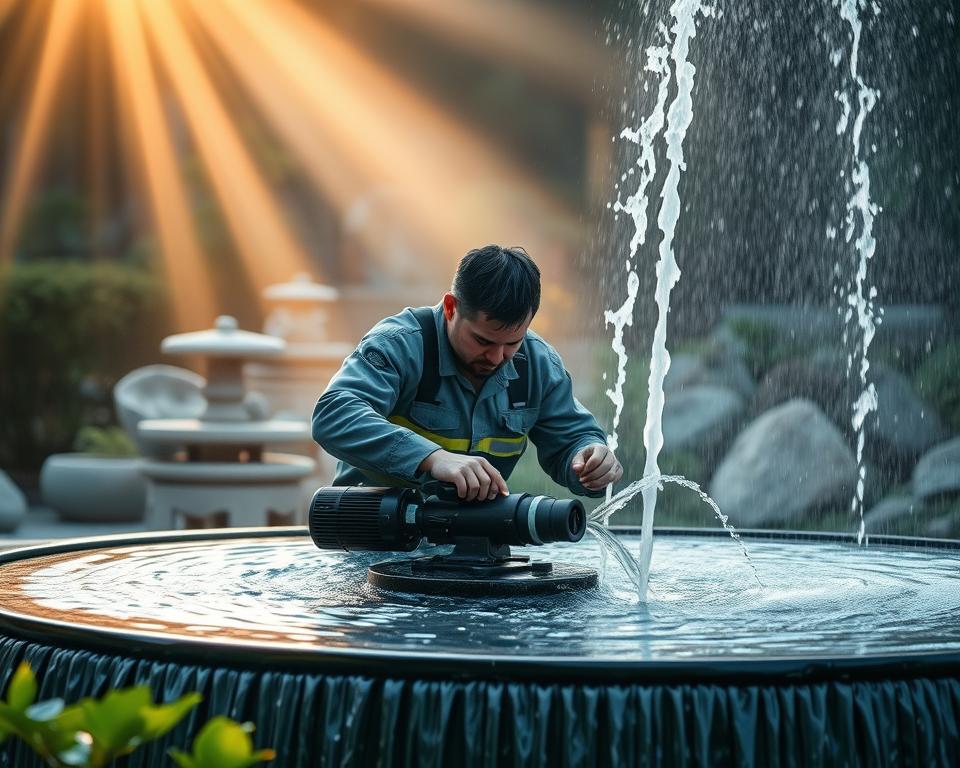
To keep your fountain in top condition, regularly clean the pump and filter to ensure optimal water circulation. Check the fountain for debris and clean the surrounding area to prevent dirt from entering the water. Regularly inspect the pump for signs of wear and tear.
Solving Common Waterfall Fountain Problems
Even well-maintained fountains can experience problems. To address leaks, inspect the basin and fountain structure for cracks and ensure all pipe connections are secure. For pump issues, clean the intake, check for blockages in the tubing, and ensure the pump is fully submerged. If you notice a decrease in flow, check for kinks or blockages. Regular maintenance can help prevent many common problems associated with your waterfall fountain.
Conclusion
As you complete your DIY waterfall fountain project, you’ll appreciate the tranquil ambiance it brings to your garden. By following this guide, you’ve learned the step-by-step process of creating a beautiful water feature.
The key steps involved in building your own waterfall fountain include planning, constructing, and maintaining your fountain. This DIY project not only enhances the aesthetic appeal of your outdoor space but also provides a soothing atmosphere for relaxation.
You can now personalise your fountain design to reflect your style and garden aesthetic. The skills you’ve acquired can be applied to other DIY water features or garden enhancements. Remember to consider safety when working with water and electricity outdoors.
As the seasons change, your waterfall feature will continue to evolve, offering new aspects to enjoy throughout the year. We encourage you to share your project experiences and explore future enhancements to your fountain.
FAQ
What is the ideal location for a waterfall fountain in my garden?
The ideal location for a waterfall fountain is a spot that is level, has a natural slope, or can be easily landscaped to create a slope. It should also be close to a power source to facilitate the operation of the pump.
What size should my pond liner be for a waterfall feature?
The size of your pond liner will depend on the size and design of your waterfall feature. As a general rule, the liner should be at least 1-2 feet larger on all sides than the pond or reservoir to allow for secure anchoring.
What type of pump is best suited for a waterfall fountain?
A submersible pump is often the best choice for a waterfall fountain, as it is designed to operate underwater and can be easily concealed. The pump should be sized according to the flow rate and head pressure required for your waterfall feature.
How do I maintain the water quality in my waterfall fountain?
Regular maintenance, such as cleaning the pump and filter, checking water levels, and monitoring water quality, is essential to maintaining a healthy and clear waterfall fountain. You may also need to add beneficial bacteria or algae-control products to keep the water balanced.
Can I use tap water in my waterfall fountain, or do I need to use a specific type of water?
Tap water can be used in a waterfall fountain, but it’s recommended to use a water conditioner to remove chlorine and other chemicals that can harm aquatic life or affect the fountain’s operation.
How often should I clean my waterfall fountain?
The frequency of cleaning will depend on the size and complexity of your waterfall feature, as well as the surrounding environment. As a general rule, you should clean the fountain at least once a month, or more often if you notice algae growth or debris accumulation.
What are some common problems with waterfall fountains, and how can I troubleshoot them?
Common problems with waterfall fountains include clogged pumps, leaking liners, and uneven water flow. Troubleshooting these issues typically involves inspecting the fountain’s components, checking for blockages or damage, and making adjustments as needed.