How to Build your Perfect Garden Office
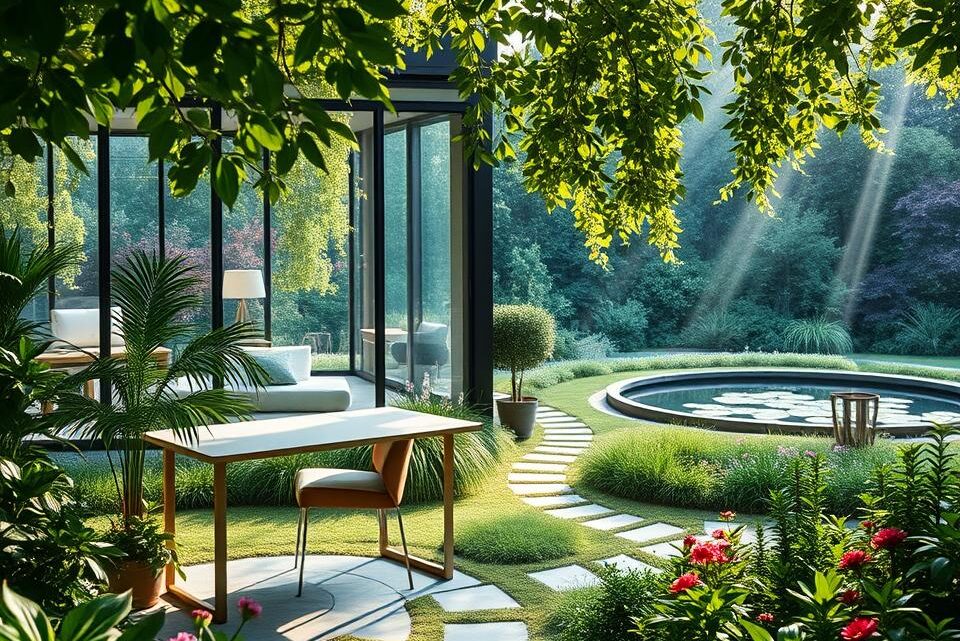
The rise of remote work has transformed how professionals approach their workspace. A garden office offers an exceptional solution for those seeking a dedicated outdoor workspace that combines productivity with tranquillity. Creating a home office in your garden provides a perfect separation between work and personal life while enjoying the benefits of a natural environment.
Modern professionals increasingly recognise the value of a garden office as a versatile and inspiring workspace. By designing a bespoke outdoor workspace, you can craft an environment that enhances creativity, reduces distractions, and improves overall work-life balance.
This comprehensive guide will walk you through every aspect of creating your ideal garden office, from initial planning to final decoration. Whether you’re a freelancer, remote worker, or entrepreneur, transforming your garden into a functional workspace can revolutionise your professional experience.
Inhaltsverzeichnis
Key Takeaways
- Garden offices provide a dedicated workspace separate from home interiors
- Remote work trends are driving increased interest in outdoor workspaces
- Proper planning ensures a functional and comfortable garden office
- Natural environments can boost productivity and mental wellbeing
- Customisation allows for personalised professional settings
Planning Your Garden Office: Essential First Steps
Embarking on a garden office project requires careful planning and strategic preparation. Transforming your outdoor space into a productive workspace demands thoughtful consideration of several critical aspects that will ultimately determine the success of your project.
Before diving into construction, homeowners must navigate three fundamental areas that lay the groundwork for a successful garden office installation.
Obtaining Necessary Planning Permission
Planning permission represents a crucial initial step in your garden office journey. In the United Kingdom, many garden offices fall under permitted development rights, but specific regulations apply:
- Structures must be single-storey with a maximum height of 2.5 metres
- Cannot occupy more than 50% of garden area
- Located at least 2 metres from property boundaries
Choosing the Ideal Garden Office Location
Selecting the right garden office location involves evaluating multiple factors to create an optimal working environment. Consider these key considerations:
- Sunlight exposure throughout the day
- Privacy from neighbouring properties
- Proximity to existing utilities
- Ground stability and drainage
Setting a Realistic Budget
Budget planning is essential for preventing unexpected financial challenges. A comprehensive budget should account for:
- Construction materials
- Professional labour costs
- Electrical and internet connectivity
- Insulation and weatherproofing
- Potential additional landscaping expenses
By meticulously addressing planning permission, garden office location, and budget planning, you’ll establish a solid foundation for creating a functional and inspiring workspace.
Design Considerations for Your Garden Workspace

Creating the perfect garden office requires thoughtful garden office design that balances functionality and comfort. Your workspace layout should prioritise both productivity and personal well-being, transforming a simple garden structure into an inspiring professional environment.
When planning your garden workspace, consider these key ergonomic design principles:
- Maximise natural light placement
- Create flexible working zones
- Select adaptable furniture solutions
- Integrate smart storage options
The ideal workspace layout begins with understanding your specific work requirements. Professional designers recommend mapping out your daily activities to determine the most effective spatial arrangement.
“A well-designed workspace is the foundation of productivity and creativity” – Architectural Design Magazine
Consider these essential workspace features:
- Adjustable desk height for ergonomic comfort
- Strategically positioned electrical outlets
- Sufficient natural ventilation
- Noise reduction strategies
Your garden office design should reflect both your professional needs and personal aesthetic, creating a harmonious environment that inspires peak performance.
Foundation and Ground Preparation Guidelines
Creating a stable foundation is crucial for your garden office. Proper ground preparation ensures the longevity and structural integrity of your workspace. Before breaking ground, understanding the specific requirements of your site will save you time and prevent potential issues down the line.

Successful foundation construction begins with a comprehensive soil assessment. Different soil types require unique approaches to ground levelling and drainage solutions. Here are key considerations for preparing your garden office site:
Soil Assessment and Ground Levelling
- Conduct a detailed soil evaluation to determine ground stability
- Use professional surveying tools to identify potential drainage issues
- Remove topsoil and organic matter that could compromise foundation strength
- Ensure a completely level surface using laser levelling equipment
Drainage Solutions
Effective drainage prevents water accumulation that could damage your garden office foundation. Strategic drainage solutions protect your investment and maintain structural integrity.
- Install French drains around the perimeter
- Create a slight gradient away from the foundation
- Use permeable landscaping materials
- Consider underground drainage pipes
Base Construction Methods
Selecting the right foundation type depends on your specific ground conditions and garden office design. Professional advice can help you choose the most suitable base construction method.
- Concrete slab foundations: Ideal for stable, flat ground
- Piled foundations: Best for uneven or weak soil conditions
- Timber base systems: Suitable for lightweight structures
By carefully implementing these ground preparation techniques, you’ll create a solid foundation that ensures your garden office remains stable, dry, and functional for years to come.
How to Build your Perfect Garden Office

Embarking on a garden office construction project requires careful planning and strategic decision-making. Whether you’re considering a DIY office build or professional installation, understanding the key steps will ensure a successful workspace transformation.
For DIY enthusiasts, garden office construction involves several critical stages. Start by selecting quality materials that can withstand British weather conditions. Your primary focus should be creating a sturdy, weatherproof structure that meets your specific workspace requirements.
- Measure and mark your proposed office location precisely
- Select appropriate building materials
- Prepare foundational groundwork
- Construct robust frame structures
- Install weatherproof cladding
Professional installation offers distinct advantages for those less confident in DIY skills. Experienced contractors bring expertise in garden office construction, ensuring compliance with local building regulations and delivering a high-quality finish.
| DIY Approach | Professional Installation |
|---|---|
| Lower initial costs | Guaranteed workmanship |
| Personal satisfaction | Faster completion time |
| Flexible timeline | Complex technical expertise |
Whichever route you choose, prioritise structural integrity, insulation, and proper electrical infrastructure. Your garden office should be a comfortable, functional workspace that seamlessly integrates with your outdoor environment.
Remember: Careful planning transforms your garden office from a simple project into an exceptional workspace.
Electrical Installation and Connectivity Requirements
Creating a functional garden office requires careful planning of electrical installation, internet connectivity, and office lighting. Your workspace needs a reliable power and communication infrastructure to ensure productivity and comfort.

Transforming your garden office into a professional workspace starts with understanding your electrical needs. Professional electrical installation is crucial for safety and efficiency.
Power Supply Options
When setting up electrical power, you have several approaches:
- Direct connection from main house
- Separate consumer unit installation
- Underground cable routing
Each option requires professional assessment to meet British electrical safety standards. Consider consulting a registered electrician to ensure proper installation.
Internet and Network Setup
Internet connectivity is vital for a modern garden office. Explore these network solutions:
- Wi-Fi extenders
- Dedicated broadband lines
- Mobile network boosters
Select a solution that provides stable and fast internet connectivity for seamless remote working.
Lighting Solutions
Effective office lighting impacts productivity and comfort. Consider these lighting strategies:
- LED task lighting
- Natural light integration
- Adjustable overhead fixtures
Invest in quality office lighting that reduces eye strain and creates an inspiring workspace environment.
Insulation and Weather-Proofing Techniques
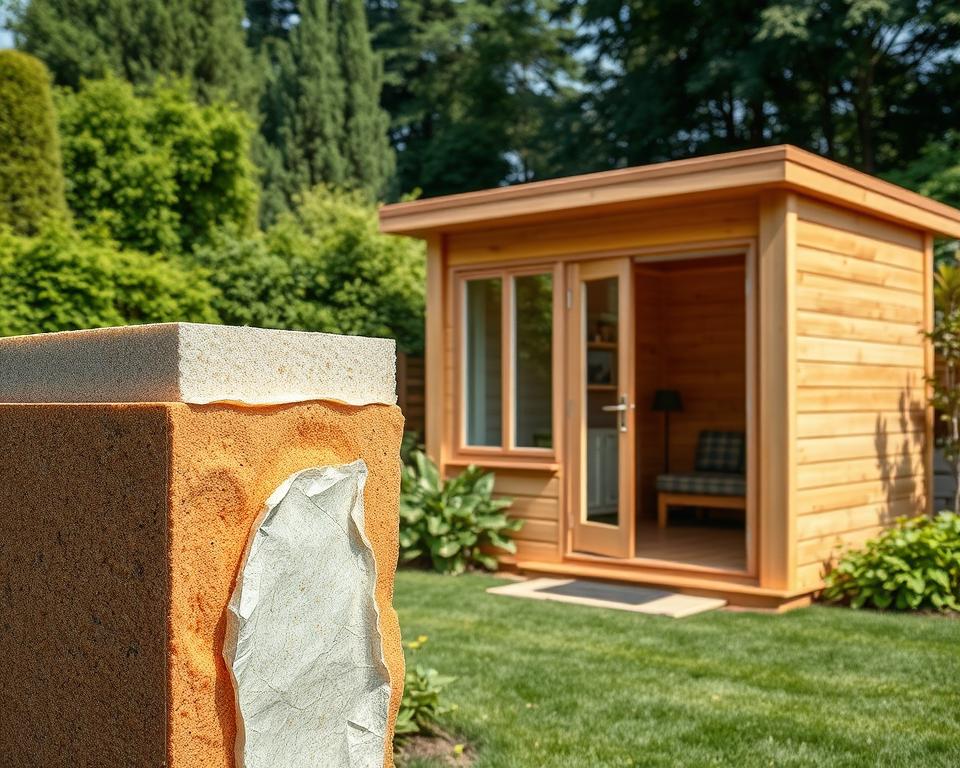
Creating a comfortable garden office requires smart insulation and weatherproofing strategies. Effective garden office insulation is crucial for maintaining a consistent temperature and reducing energy consumption throughout the year.
Key considerations for garden office weatherproofing include selecting high-performance materials that protect against moisture and temperature fluctuations. Premium insulation options can dramatically improve energy efficiency and create a comfortable working environment.
- Mineral wool insulation for superior thermal protection
- Spray foam for comprehensive coverage
- Rigid foam boards for excellent heat resistance
- Reflective barriers to minimise heat transfer
Vapour barriers play a critical role in preventing condensation and protecting your garden office from potential moisture damage. Proper installation ensures long-term durability and maintains optimal indoor conditions.
| Insulation Type | Thermal Performance | Cost Efficiency |
|---|---|---|
| Mineral Wool | Excellent | Moderate |
| Spray Foam | Superior | High |
| Rigid Foam Boards | Very Good | Low to Moderate |
Investing in quality garden office insulation not only enhances comfort but also reduces long-term energy costs. Intelligent weatherproofing techniques can save up to 40% on heating and cooling expenses.
Windows and Doors: Selection and Installation
Designing the perfect garden office requires careful consideration of windows and doors. These elements play a crucial role in creating a functional, secure, and inviting workspace that maximises natural lighting and ensures office security.
Choosing the Right Garden Office Windows
Selecting appropriate garden office windows is essential for creating an inspiring work environment. Consider these key factors:
- Energy efficiency ratings
- Thermal insulation properties
- UV protection
- Noise reduction capabilities
Security Considerations for Your Garden Office
Protecting your workspace is paramount. Modern shed alarm systems offer comprehensive office security solutions. Look for features such as:
- Motion sensor technology
- Wireless connectivity
- Remote monitoring capabilities
- Battery backup systems
Maximising Natural Lighting
Intelligent window placement can transform your garden office. Strategic positioning allows maximum daylight while maintaining privacy.
| Window Type | Natural Light Potential | Privacy Rating |
|---|---|---|
| Skylights | Excellent | High |
| Casement Windows | Good | Medium |
| Sliding Windows | Very Good | Low |
Pro tip: Combine different window styles to create a balanced, light-filled workspace that meets both aesthetic and functional requirements.
Interior Finishing and Decoration
Transforming your garden office into a productive and inspiring workspace requires careful office interior design and thoughtful workspace decoration. The right approach can significantly boost your creativity and efficiency.
When selecting wall finishes, consider neutral colours that promote calm and focus. Soft greys, warm whites, and muted blues work brilliantly for productivity-enhancing decor. Avoid harsh or overly bright colours that might cause visual strain.
- Choose flooring that’s durable and easy to clean
- Opt for moisture-resistant materials suitable for outdoor structures
- Select ergonomic furniture that maximises limited space
Lighting plays a crucial role in workspace decoration. Natural light is ideal, but supplement with adjustable LED desk lamps and overhead lighting to create a balanced environment. Soft, warm lighting can reduce eye fatigue and improve concentration.
Personalise your garden office with meaningful artwork, indoor plants, and decorative elements that inspire you. A small bookshelf, motivational prints, or a compact green wall can transform your workspace into a sanctuary of productivity.
Create a space that reflects your personality while maintaining professional functionality.
Remember, effective office interior design is about balancing aesthetics with practicality. Your garden office should be a space that energises and motivates you to do your best work.
Creating a Comfortable Work Environment
Transforming your garden office into a comfortable and productive workspace requires careful consideration of heating, cooling, ventilation, and ergonomic design. The right approach can turn your garden office into a year-round sanctuary of productivity and comfort.
Garden Office Heating Solutions
Effective garden office heating is crucial for maintaining a comfortable working environment during colder months. Several options can keep your workspace warm and inviting:
- Electric panel heaters with precise temperature control
- Infrared heating panels for energy-efficient warmth
- Underfloor heating systems for consistent temperature distribution
Cooling Systems for Summer Comfort
Staying cool during summer is equally important for an ergonomic workspace. Modern cooling systems offer multiple solutions:
- Portable air conditioning units
- Ceiling fans for natural air circulation
- Reflective window films to reduce heat absorption
Ventilation for Optimal Air Quality
Proper ventilation ensures a fresh and healthy working environment. Smart ventilation strategies include:
- Adjustable window vents for natural airflow
- Mechanical ventilation systems with humidity control
- Air purifiers to remove dust and allergens
Designing an Ergonomic Workspace
An ergonomic workspace prevents physical strain and promotes productivity. Key elements include:
- Adjustable standing desk
- Ergonomic chair with lumbar support
- Proper monitor height and keyboard positioning
By implementing these heating, cooling, ventilation, and ergonomic strategies, you’ll create a garden office that supports your health and enhances your work performance throughout the year.
Landscaping Around Your Garden Office
Creating a harmonious garden office landscaping design transforms your outdoor workspace into a seamless extension of your garden. The key to successful outdoor workspace integration lies in thoughtful garden design that complements both your office structure and existing landscape.
Strategic landscaping can elevate your garden office from a simple structure to a breathtaking workspace. Consider these essential elements:
- Create natural privacy screens using native shrubs
- Design meandering pathways leading to your office
- Implement intelligent drainage solutions
- Select plants that enhance aesthetic appeal
Drainage represents a critical aspect of garden office landscaping. Proper water management prevents structural damage and maintains the integrity of your outdoor workspace.
| Landscaping Element | Purpose | Recommended Approach |
|---|---|---|
| Privacy Planting | Screen workspace | Bamboo, ornamental grasses |
| Pathway Design | Accessibility | Gravel or stone stepping stones |
| Lighting | Evening ambiance | Solar-powered path lights |
For enhanced outdoor workspace integration, consider creating a small decking area adjacent to your garden office. This extends your working environment and provides a delightful space for breaks or informal meetings.
Professional garden design can transform your garden office from a mere structure into an inspiring workspace that harmonises with your natural surroundings.
Legal Requirements and Building Regulations
Navigating garden office regulations can be complex for UK homeowners. Understanding building codes and legal compliance is crucial before starting your garden workspace project. Local authorities have specific guidelines that determine what you can construct without formal planning permission.
Most garden offices fall under permitted development rights, which allow construction without full planning consent. Key considerations include:
- Maximum structure height of 2.5 metres
- Total floor area not exceeding 15 square metres
- Structure positioned at least 2 metres from property boundaries
Building regulations play a significant role in garden office construction. Structural integrity, electrical safety, and energy efficiency are critical aspects that require careful attention. Homeowners must ensure their garden office meets current UK building standards.
Professional certification becomes essential when:
- The structure will be used as a permanent workspace
- Electrical installations are complex
- The building requires substantial foundation work
Insurance considerations are equally important. Your home insurance might need updating to cover the new garden office. Some insurers require proof of compliance with local building codes before providing coverage.
Consulting local planning authorities or a professional architectural consultant can help clarify specific requirements for your garden office project.
Conclusion
Building a garden office represents more than just a physical construction – it’s an investment in your work-life balance and personal productivity. By carefully considering each aspect of design, functionality, and integration with your existing landscape, you can create a remarkable workspace that enhances both your professional performance and home value.
The garden office benefits extend far beyond a simple home improvement project. It offers a dedicated, peaceful environment that separates professional activities from domestic life, reducing distractions and increasing focus. Professionals across various sectors are discovering how these purpose-built spaces can dramatically improve work efficiency and mental well-being.
With strategic planning, thoughtful design, and attention to regulatory requirements, your garden office can become a valuable asset. Not only does it provide an exceptional working environment, but it also potentially increases your property’s market value. The initial investment in creating a high-quality, well-designed garden office can yield significant returns both in terms of personal productivity and future property appreciation.
Your journey to establishing the perfect garden office begins with understanding the comprehensive steps outlined in this guide. By applying the insights and recommendations shared, you’re well-equipped to transform your outdoor space into a professional sanctuary that supports your work goals and personal aspirations.
FAQ
Do I need planning permission to build a garden office?
In many cases, garden offices fall under permitted development rights, but there are specific conditions. You’ll typically need to ensure the structure is less than 2.5 metres in height, covers less than 50% of your garden, and is not located at the front of your property. Always check with your local planning authority, as regulations can vary depending on your specific location and property constraints.
How much does a garden office typically cost?
The cost can vary widely, ranging from £5,000 for a basic DIY kit to £30,000 or more for a fully professionally installed, high-end garden office. Factors affecting the price include size, materials, insulation, electrical work, and additional features like sophisticated glazing or advanced connectivity options.
What’s the best foundation for a garden office?
The ideal foundation depends on your specific ground conditions. Concrete slab foundations are popular for their durability and stability, while ground screw foundations offer an excellent solution for uneven terrain. Timber bases can work well in some situations, providing good drainage and minimal ground disturbance.
How can I secure my garden office?
Consider multiple security measures, including a robust shed alarm system, high-quality locks, security lighting, and reinforced windows. Installing motion sensors, using tamper-proof hinges, and ensuring the structure is well-integrated with your existing garden layout can significantly improve security.
What’s the best way to insulate a garden office?
Multi-layer insulation works best. Consider using high-performance insulation materials like mineral wool or spray foam in the walls, roof, and floor. Double or triple-glazed windows, a well-sealed construction, and a vapour barrier are crucial for maintaining temperature and preventing condensation.
Can I use a garden office all year round?
Yes, with proper insulation and heating solutions. Invest in good quality insulation, install an efficient heating system like underfloor heating or a compact electric radiator, and ensure proper ventilation. Double-glazed windows and draught-proofing will help maintain a comfortable temperature throughout the seasons.
How long does it take to build a garden office?
A typical garden office can take anywhere from 1-4 weeks, depending on complexity. A pre-fabricated kit might be assembled in just a few days, while a custom-built solution could take several weeks. Professional installation tends to be quicker and more efficient than a DIY approach.
Do I need special electrical work for a garden office?
Yes, you’ll need a qualified electrician to install a dedicated electrical supply. This typically involves running an armoured cable from your main house, installing a separate consumer unit, and ensuring all wiring meets current building regulations and safety standards.