How to Choose Between a Summer House and a Gazebo: Tips
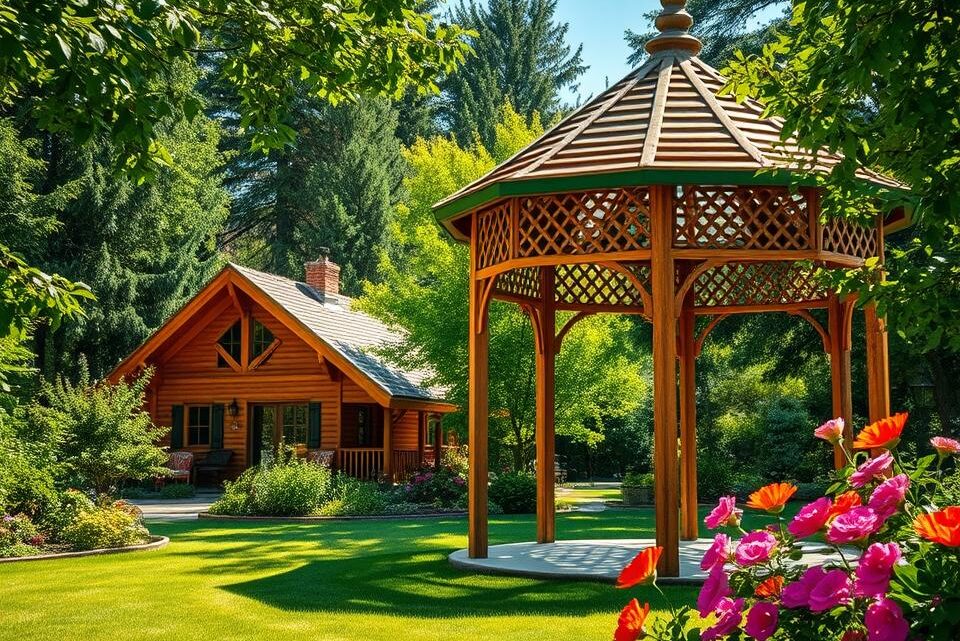
Enhancing an outdoor space is a key goal for many homeowners. The decision to add a significant feature to the garden is an exciting one. Two popular options often come to mind, each offering unique benefits for relaxation and entertainment.
These two garden buildings serve very different purposes. An enclosed structure provides a private retreat, suitable for year-round use. An open-sided design offers a cool, shaded spot for social gatherings during warmer months.
The best choice depends on several factors. Homeowners must consider their available space, intended usage, and desired level of privacy. The decision also involves thinking about weather protection and overall aesthetic preferences.
Making an informed selection is crucial. It ensures the final addition complements the garden’s layout and meets the household’s needs. This guide provides clear, practical advice to help with that important choice.
Inhaltsverzeichnis
Key Takeaways
- Both structures enhance outdoor living but serve distinct purposes.
- The decision hinges on privacy needs and intended use.
- Available garden space is a primary consideration.
- Consider the level of weather protection required.
- Aesthetic appeal and integration with the garden matter.
- Think about year-round versus seasonal usage.
- This choice can significantly increase property value.
Overview of Summer Houses and Gazebos
Understanding the fundamental characteristics of these garden additions helps homeowners make informed decisions. Both options transform outdoor living spaces in distinctive ways.
Definition and Purpose in a Garden Context
Summer houses are fully enclosed garden structures designed for privacy and relaxation. Typically built from timber, they create secluded retreats perfect for various activities. These spaces serve as quiet reading areas, home offices, or hobby rooms.
Gazebos feature open-sided designs with roof coverage. They foster social gatherings and outdoor dining experiences. The lack of walls maintains connection with the surrounding garden environment.
The primary distinction lies in enclosure level. One offers complete protection from weather elements. The other provides overhead shelter while allowing fresh air circulation.
Seasonal Retreats Versus Year-Round Use
Summer houses function effectively throughout the year with proper insulation. They provide comfort during different seasons. Homeowners can enjoy these spaces regardless of external conditions.
Gazebos excel during warmer months when open-air enjoyment is desirable. They offer excellent shade for summer entertainment. Their design prioritises seasonal use when pleasant weather prevails.
Both structures enhance garden aesthetics while serving different functional needs. The choice depends on intended usage patterns and seasonal requirements.
Key Features and Benefits of Each Structure
Exploring the distinct advantages of these garden buildings reveals their true potential. Each offers a unique set of features that cater to different preferences and uses.
Privacy, Insulation and Noise Reduction in Summer Houses
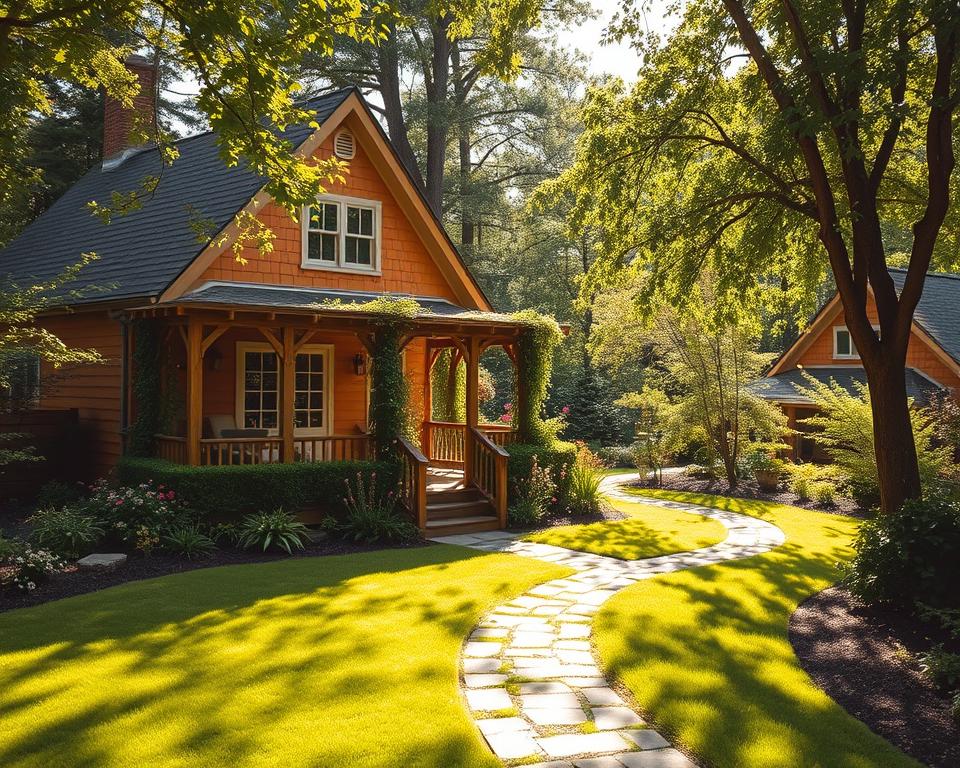
Summer houses provide a private sanctuary. Their solid timber walls create a secluded space, shielding occupants from outside view and disturbances.
The natural density of wood offers excellent insulation. This helps maintain comfortable temperatures and reduces external noise. Construction methods like tongue-and-groove boarding further enhance this by creating a tight seal against the weather.
They offer protection from rain, wind, and harsh sun. This makes them suitable for use throughout the year, especially with added heating or cooling.
Open, Airy Designs and Social Atmosphere of Gazebos
Gazebos excel in creating a welcoming, social atmosphere. Their open design encourages fresh air flow and maintains a connection with the surrounding garden.
They are perfect for family gatherings and entertaining. The structure provides essential shade from the sun while allowing cooling breezes to circulate.
For added privacy, sheer curtains can be draped around the perimeter. This maintains the airy look while offering a sense of seclusion.
Enhancing Garden Aesthetics and Functionality
Both structures significantly improve a garden‘s appeal. A summer house adds substantial architectural presence, while a gazebo offers a lighter, decorative focal point.
Their functionality transforms the outdoor space. One provides a versatile room, the other a dedicated spot for socialising, each complementing the garden in its own way.
How to Choose Between a Summer House and a Gazebo
Selecting the ideal garden structure requires careful evaluation of both the physical landscape and personal lifestyle. This decision hinges on two primary factors: the available space and how one intends to use the new addition.
Assessing Garden Space and Placement Options
Accurate measurement of the garden is the first crucial step. The structure’s size must be proportionate to the overall area to maintain aesthetic harmony.
A summer house often suits a corner or side placement. This positioning creates a private retreat and defines distinct zones within the outdoor space.
In contrast, a gazebo fits more flexibly. Its open design allows it to become a central focal point without disrupting the flow of the garden.
Evaluating Lifestyle Needs and Intended Uses
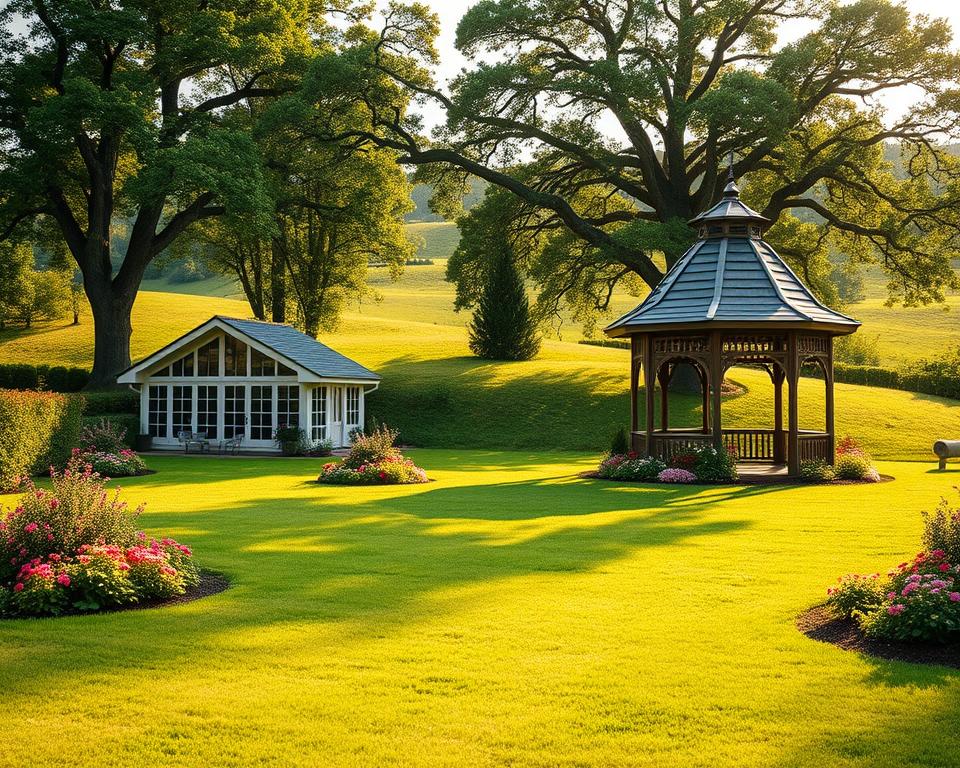
The intended function dictates the best choice. Consider whether the primary use is for solitary activities or social gatherings.
An enclosed summer house is perfect for a quiet home office or a personal hobby room. It offers seclusion for focused work or relaxation.
A gazebo excels as a venue for entertaining. It is ideal for family meals and social events, fostering an open, airy atmosphere.
Thinking about future needs is also wise. A versatile structure that can adapt to changing requirements offers better long-term value for the garden.
Design and Material Considerations
The selection of materials and architectural details significantly influences the functionality and aesthetic appeal of garden structures. These choices determine longevity, maintenance needs, and overall integration with the outdoor space.
Comparing Timber, Metal and Modern Materials
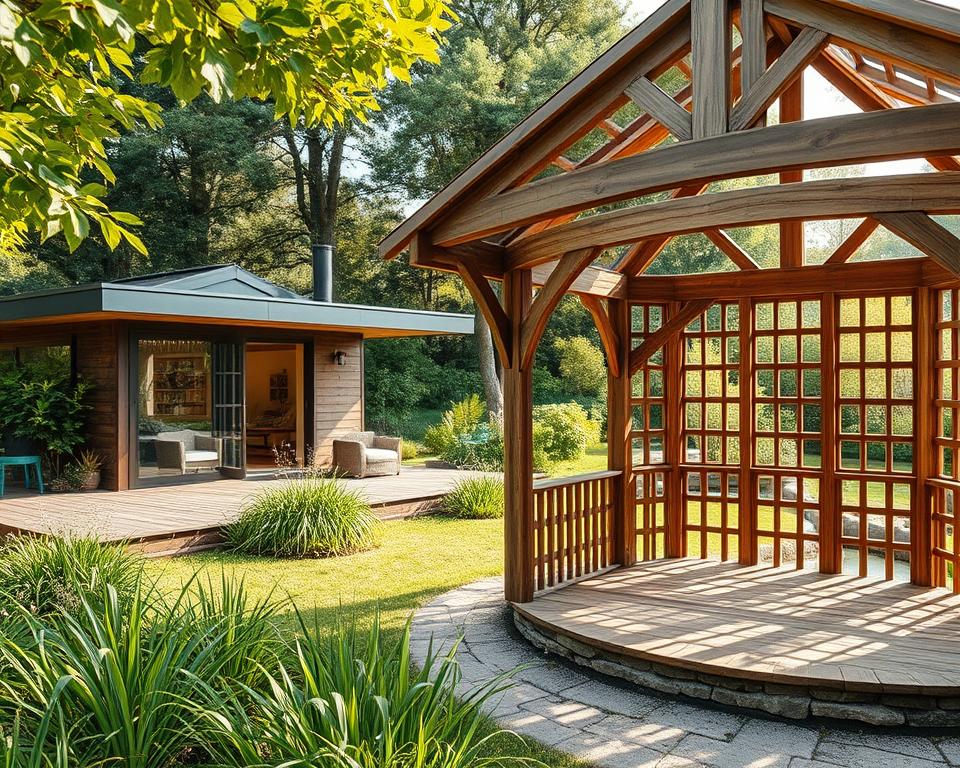
Timber remains a popular choice for its natural insulation and traditional charm. Cedar and softwood offer excellent weather resistance and attractive grain patterns. These wood types provide inherent thermal properties for year-round comfort.
Metal alternatives like aluminium frames and steel roofing deliver exceptional durability. They require minimal maintenance compared to timber options. Modern composite materials combine the best qualities of both categories.
Tongue-and-groove construction creates interlocking panels for superior weatherproofing. This design method enhances structural integrity beyond basic panel systems.
Exploring Roof Designs and Structural Elements
The roof shape dramatically affects both appearance and performance. Flat or mono-pitched designs create contemporary looks, while gabled or hipped roof styles offer traditional charm.
Hexagonal and octagonal structures feature multi-sided pyramid roofs. These elements create striking focal points with romantic aesthetics. The choice of roofing materials ranges from affordable shingles to premium slate tiles.
Windows and doors contribute significantly to thermal efficiency. Double-glazed units enhance insulation for comfortable year-round use. Secure locking mechanisms on doors and windows provide peace of mind for stored belongings.
Practical Tips for Garden Integration
Successful garden integration begins with careful consideration of sight lines and proportions. The placement of any structure should enhance rather than dominate the outdoor environment.

Positioning and Harmonising with Existing Landscape
Thoughtful positioning creates natural focal points while maintaining garden flow. Consider views from the house and various vantage points throughout the space. Structures should complement prized plantings rather than obstruct them.
Proportional relationships between building size and surrounding garden areas matter greatly. A structure should fit comfortably within its allocated space. Adequate clearance for pathways and plant growth ensures long-term usability.
Customisation through ornamental elements adds personal style. Lattice work, balustrades, and decorative trimmings can reflect existing garden design themes. These details help structures blend seamlessly with their environment.
Climbing plants soften structural lines and integrate buildings into the garden ecosystem. Choose species that provide seasonal interest without causing maintenance issues. This natural approach creates organic harmony.
Colour coordination establishes visual continuity. Structure finishes should harmonise with predominant garden colour schemes. This includes flowering plants, foliage, and hardscaping elements throughout the area.
Well-planned pathways enhance usability while contributing to garden discovery experiences. Pergolas with retractable roofs offer weather flexibility for outdoor entertaining. This approach creates unique, personalised garden statements.
Weighing Costs, Maintenance and Versatility
The long-term value of outdoor buildings depends heavily on material choices and maintenance commitments. Financial planning should account for both initial investment and ongoing care requirements.

Budget Considerations and Investment in Materials
Initial costs vary significantly based on size and construction quality. Premium materials like high-grade timber increase upfront investment but offer superior longevity.
Proper insulation and double glazing enable year-round use, justifying higher expenditure. Site preparation and foundation work add to the total budget.
Realistic cost assessment includes planning permissions and installation. Quality construction proves more economical than cheaper alternatives requiring frequent repairs.
Maintenance Requirements and Long-Term Usability
Timber structures demand regular treatments to prevent rot, especially in climates with heavy rain. This hands-on care protects against weather damage and insect infestation.
Metal or composite materials require minimal upkeep beyond occasional cleaning. They suit homeowners preferring low-maintenance options for their garden buildings.
Versatile designs accommodating multiple uses offer better value across different days and seasons. Proper weather sealing ensures comfortable use during rainy days.
Adaptable building designs can serve as both work spaces and entertainment areas. This flexibility maximises the structure’s utility throughout the year.
Conclusion
The final decision on a garden structure is a significant one, reflecting personal lifestyle and garden dynamics. Each option offers a unique set of benefits tailored to different needs.
A summer house provides a private, enclosed sanctuary. It is ideal for year-round use, offering protection from the sun, rain, and wind. This makes it perfect for those seeking a quiet room for work or relaxation.
In contrast, a gazebo excels as an open, social hub for warm weather. Its design is superb for entertaining and enjoying the fresh air. It integrates beautifully into the garden as a focal point.
Garden rooms present a versatile third category. They offer insulated spaces suitable for various uses throughout the year. The choice ultimately depends on individual priorities for privacy, entertainment, and seasonal use.
By considering available space, intended use, and maintenance willingness, homeowners can select the perfect addition. The right structure will enhance both the garden’s beauty and the home’s functionality for years.
FAQ
What is the primary difference between a summer house and a gazebo?
The main difference lies in their structure. A summer house is a fully enclosed garden building with walls, windows, and a solid roof, offering a private, room-like space. A gazebo is an open-sided structure, often with just a roof and supporting pillars, designed for open-air enjoyment.
Can a summer house be used throughout the year?
Yes, many summer houses can be used year-round, especially those built with proper insulation, double-glazed windows, and durable materials like quality timber. This makes them suitable even during colder weather, unlike most gazebos which are best for warmer seasons.
Which structure offers better protection from the rain?
A summer house provides superior protection from rain due to its enclosed design with walls and doors. Gazebos offer shelter from direct sun and light rain but are open to the elements, so they do not provide complete protection during heavy or wind-driven rain.
Are gazebos easier to install than summer houses?
Generally, yes. Gazebos often feature simpler structures and may come in kit forms that are easier to assemble. Summer houses typically require a more substantial foundation and a more complex build due to their enclosed nature, windows, and doors.
How do I decide on the right size for my garden?
Carefully measure your available garden space and consider the structure’s footprint. A gazebo often requires less space and can be a focal point. A summer house needs more room and should be positioned thoughtfully to avoid dominating the garden. Always allow for surrounding access.
What are the typical maintenance requirements for these structures?
Timber summer houses and gazebos require periodic treatment with wood preservative or paint to protect against weathering. Metal options may need rust protection. Modern materials like vinyl or composite often require less maintenance, mainly just cleaning.
Can a summer house be used as a home office or gym?
A> Absolutely. The enclosed, private nature of a summer house makes it ideal for use as a home office, gym, studio, or garden room. Its design allows for insulation and electricity installation, creating a comfortable, dedicated space away from the main house.
Do gazebos offer any privacy?
Gazebos are inherently open structures and do not provide privacy in the same way an enclosed summer house does. However, privacy can be enhanced with strategic planting, screens, or curtains, though they remain more suited to social gatherings than private retreats.