How to choose the best garden shed?
Selecting the perfect garden shed can transform your outdoor space from cluttered to organised. Garden shed selection is more than just picking a storage solution – it’s about finding a functional addition that complements your garden’s design and meets your specific storage needs.
Homeowners across the UK understand that the best garden storage isn’t simply about finding a space to stash tools. It’s about creating a practical, durable structure that withstands British weather while providing secure and efficient storage for your gardening equipment, bikes, and outdoor accessories.
When embarking on your garden shed journey, consider factors like materials, size, location, and budget. Each decision will impact the shed’s longevity, usability, and overall value to your property.
Inhaltsverzeichnis
Key Takeaways
- Evaluate your specific storage requirements
- Consider local building regulations
- Select materials suited to British climate
- Plan for future garden development
- Balance budget with quality
- Prioritise security and durability
Understanding Different Garden Shed Materials
Selecting the right shed materials is crucial for creating a long-lasting and functional garden storage solution. Garden sheds come in various materials, each with unique characteristics that impact their performance, durability, and maintenance requirements.
Comparing Shed Material Options
When exploring shed materials, gardeners have three primary choices: metal sheds, wooden sheds, and plastic sheds. Each material offers distinct advantages and challenges for outdoor storage.
| Material Type | Durability | Weather Resistance | Maintenance Level |
|---|---|---|---|
| Metal Sheds | High | Excellent | Low |
| Wooden Sheds | Medium | Good | High |
| Plastic Sheds | Medium | Good | Low |
Durability and Weather Considerations
Metal sheds excel in durability and weather resistance. They withstand harsh UK weather conditions, protecting garden tools and equipment from rain, wind, and potential rust. Wooden sheds provide a classic aesthetic but require more frequent maintenance to prevent water damage and rot.
Maintenance Requirements
- Metal sheds need minimal upkeep, typically requiring occasional cleaning
- Wooden sheds demand regular treatments like wood staining and sealing
- Plastic sheds offer easy cleaning and resistance to pest infestations
Choosing the right shed materials depends on your specific needs, budget, and local climate conditions. Consider factors like longevity, appearance, and maintenance when making your selection.
Determining the Ideal Size and Location
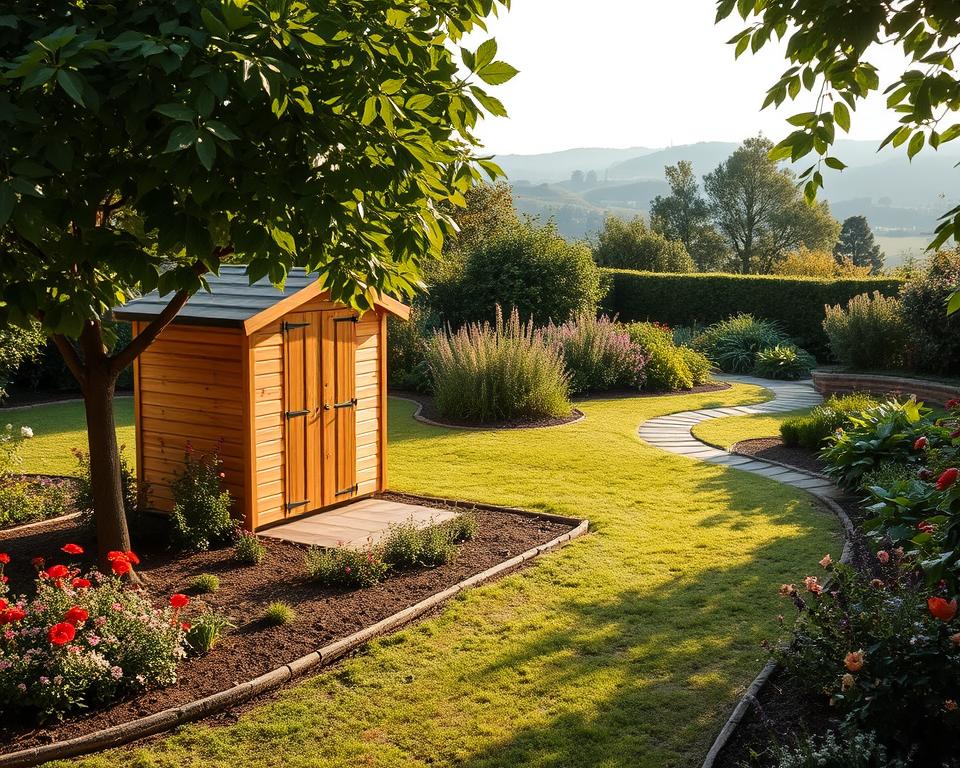
Selecting the right garden shed size and placement requires careful consideration of your outdoor space and specific needs. Your garden shed should harmonise with the existing landscape while providing practical storage solutions.
When determining garden shed size, evaluate your storage requirements carefully. Consider the items you plan to store and future potential uses. A shed that’s too small limits functionality, while an oversized structure can overwhelm your garden’s aesthetic.
- Measure available garden space
- Assess storage volume needed
- Consider future usage potential
- Check local planning regulations
Shed placement plays a crucial role in maximising utility and visual appeal. Key factors include:
- Sunlight exposure
- Proximity to garden access points
- Ground levelness
- Wind protection
| Shed Size | Recommended Usage | Typical Garden Space Required |
|---|---|---|
| Small (6×4 ft) | Basic tool storage | 8×6 ft garden area |
| Medium (8×6 ft) | Gardening equipment | 10×8 ft garden area |
| Large (10×8 ft) | Workshop and storage | 12×10 ft garden area |
Pro tip: Always leave additional space around your shed for maintenance and access.
Essential Features for Your Garden Storage
Selecting the right shed features can transform your garden storage solutions from a simple outdoor space to a highly functional and secure storage area. The key is understanding which elements will enhance both utility and protection for your valuable equipment and tools.
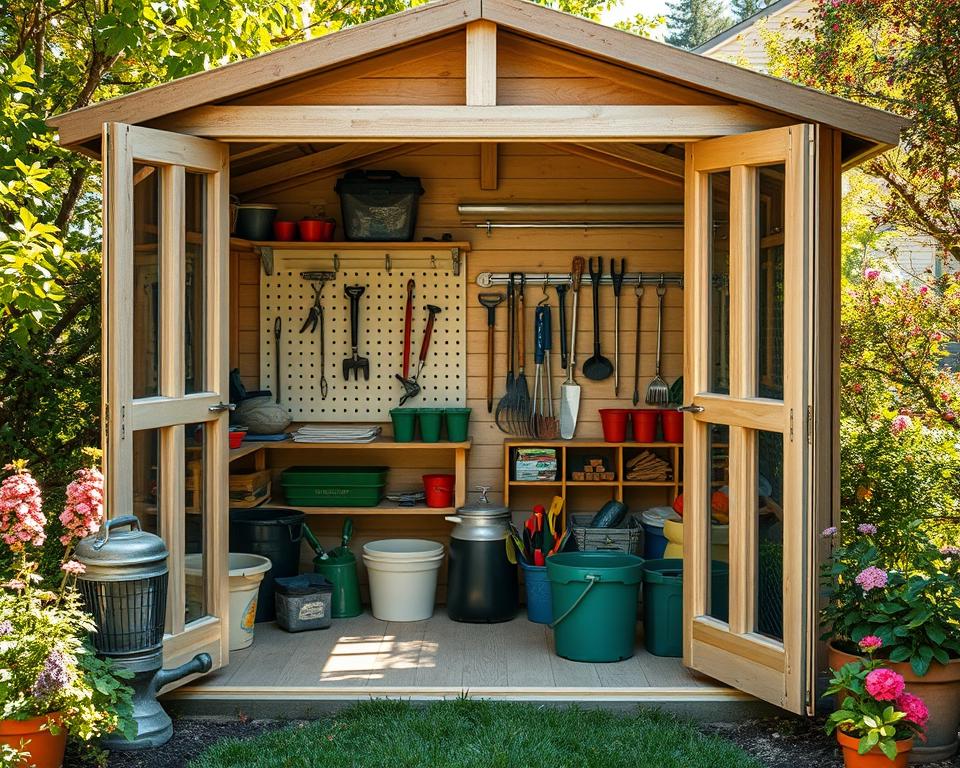
When planning your garden storage, several critical features deserve careful consideration. These elements can significantly impact the shed’s overall performance and longevity.
Ventilation Systems: Protecting Your Stored Items
Proper ventilation prevents moisture buildup, which can damage tools and create mould. Effective garden storage solutions incorporate:
- Adjustable roof vents
- Louvre windows
- Mesh air circulation panels
Security Features: Keeping Your Equipment Safe
Robust security is paramount for protecting your valuable garden tools and equipment. Consider these shed features:
| Security Element | Protection Level |
|---|---|
| Padlock hasp | High |
| Reinforced door hinges | Medium |
| Security windows | Medium |
Door Types and Access Points
Selecting the right door can make accessing your garden storage solutions much easier. Sliding doors offer space-saving benefits, while double doors provide wider access for larger equipment.
- Sliding doors
- Hinged doors
- Double doors
- Ramp-enabled entries
Investing in these essential shed features ensures your garden storage remains functional, secure, and well-maintained for years to come.
How to Choose the Best Garden Shed?
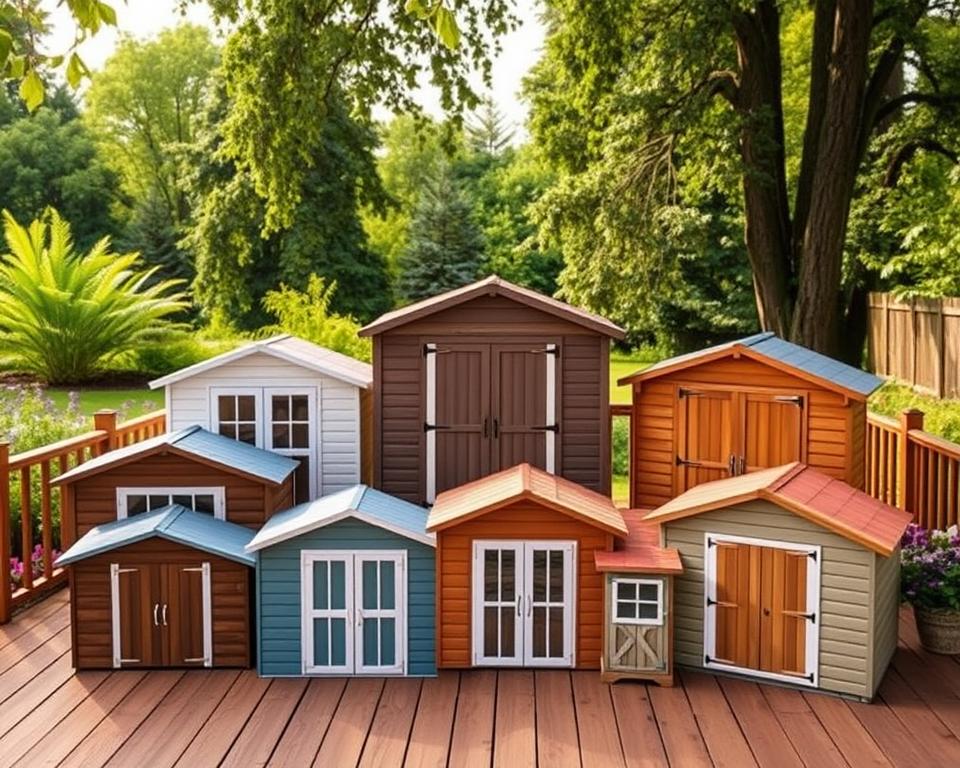
Selecting the perfect garden shed requires careful consideration of multiple factors. The garden shed selection criteria involve assessing your specific needs, available space, and long-term functionality. A comprehensive shed buying guide helps homeowners make informed decisions that maximise their outdoor storage potential.
When evaluating garden sheds, consider these critical selection criteria:
- Purpose and intended use
- Available garden space
- Budget constraints
- Material durability
- Maintenance requirements
Your shed buying guide should prioritise practical aspects that align with your specific requirements. Different households have unique storage needs, so understanding your primary objectives is crucial.
| Selection Criteria | Key Considerations |
|---|---|
| Size | Match shed dimensions to available garden space and storage volume |
| Material | Evaluate weather resistance, longevity, and maintenance demands |
| Security | Assess lock mechanisms and structural integrity |
| Budget | Balance initial cost with long-term value and durability |
Pro tip: Always measure your garden space precisely and consider future storage requirements before making a final purchase decision.
Professional gardeners recommend taking time to research and compare different shed options. Your chosen shed should not only meet current storage needs but also provide flexibility for future requirements.
Planning Permission and Building Regulations
Navigating the legal landscape of garden shed installation can be tricky for homeowners. Understanding shed planning permission and garden building regulations is crucial to ensure your new garden structure meets local requirements and avoids potential legal complications.
Before constructing a garden shed, you’ll need to consider several key legal aspects:
- Check local council regulations carefully
- Understand height and boundary restrictions
- Verify permitted development rights
Local Council Requirements
Most garden sheds fall under permitted development rights, which means you typically won’t need formal planning permission. However, specific conditions must be met. These typically include:
- The shed must be single-storey
- Total floor area cannot exceed 15 square metres
- Maximum height should be less than 4 metres with a pitched roof
Height Restrictions
Garden building regulations are strict about shed dimensions. Structures closer to your house have lower height limits. Typically, a shed near a boundary must not exceed 2.5 metres in height to avoid requiring explicit planning permission.
Boundary Considerations
Placement matters when installing a garden shed. Positioning within 2 metres of a property boundary requires additional scrutiny. Always consult your local planning department to confirm specific guidelines for your area.
Pro tip: When in doubt, contact your local council’s planning department for definitive guidance on shed planning permission.
Budget Considerations and Value for Money
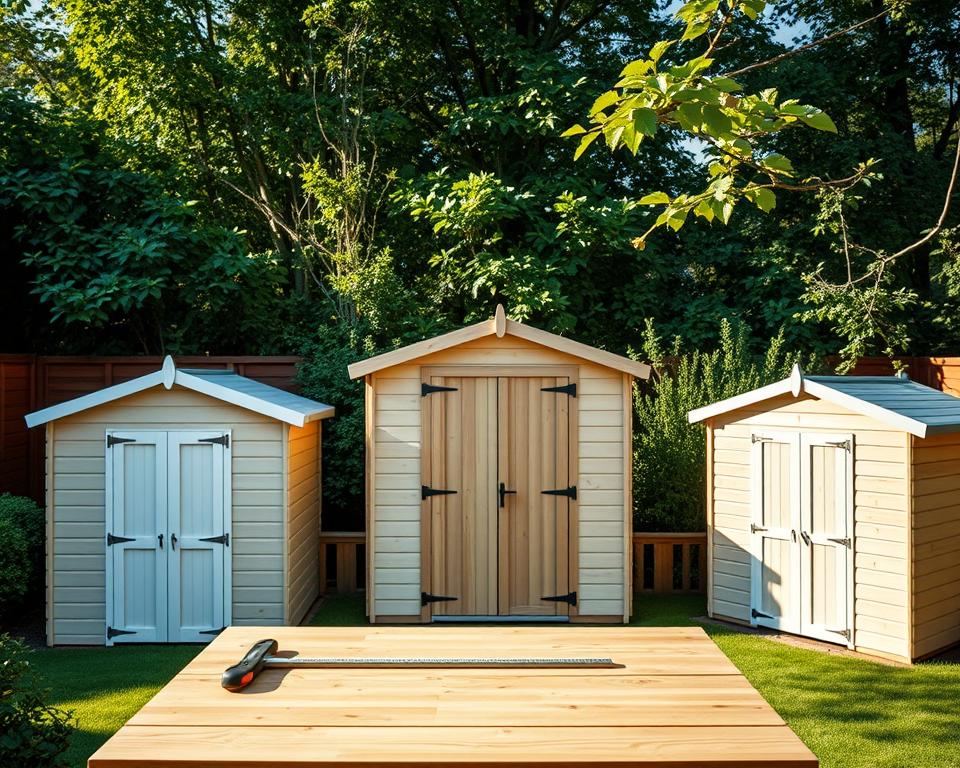
Selecting the right garden shed involves careful financial planning. The garden shed cost can vary dramatically, ranging from budget-friendly options to premium investments. Understanding how to maximise shed value for money requires strategic thinking and thorough research.
When evaluating garden shed cost, consider these critical factors:
- Initial purchase price
- Long-term durability
- Maintenance expenses
- Potential property value enhancement
Budget-conscious gardeners should prioritise quality over pure price point. A slightly more expensive shed with superior materials might offer better shed value for money by reducing replacement and repair costs.
Smart shoppers recommend:
- Compare prices across multiple retailers
- Check warranty offerings
- Evaluate material longevity
- Consider DIY installation to reduce expenses
Investing wisely in your garden shed means balancing upfront costs with long-term benefits.
Materials dramatically impact garden shed cost. Wooden sheds typically range from £500 to £2,500, metal options between £300 and £1,500, while plastic variants cost £200 to £1,000. Each material presents unique value propositions for discerning homeowners.
Foundation Requirements and Ground Preparation
Creating a solid shed foundation is crucial for ensuring the longevity and stability of your garden structure. Proper ground preparation for sheds begins with careful planning and selecting the right base type for your specific garden environment.
Selecting the appropriate shed foundation involves considering several key factors that will impact the overall durability and performance of your garden storage solution.
Base Types for Optimal Support
When preparing a shed foundation, you have multiple options to choose from:
- Concrete slab foundations
- Gravel bases
- Wooden platform foundations
- Paving stone foundations
Effective Drainage Solutions
Implementing proper drainage is essential for preventing moisture-related issues in your shed foundation. Water management can protect your shed from potential structural damage.
- Create slight ground slopes away from the foundation
- Install drainage channels
- Use permeable base materials
- Consider raised foundation options
Precision Levelling Techniques
A level foundation is critical for shed stability. Ground preparation for sheds requires meticulous levelling to prevent future structural problems.
- Use a spirit level for accurate measurements
- Remove existing vegetation
- Compact the ground thoroughly
- Add a layer of hardcore for additional stability
A well-prepared shed foundation is the cornerstone of a long-lasting garden storage solution.
By investing time in proper ground preparation and foundation selection, you’ll ensure your shed remains stable, dry, and functional for years to come.
Design Styles and Aesthetic Integration
Transforming your garden shed from a mere storage space to a stunning design feature requires careful consideration of garden shed designs and shed aesthetics. Your outdoor structure can become a beautiful focal point that complements your garden’s overall landscape.
When exploring garden shed designs, consider these key aesthetic elements:
- Architectural style matching your home’s exterior
- Colour palettes that blend with natural surroundings
- Decorative details like window boxes or climbing plants
Modern garden shed designs often embrace minimalist lines and neutral colours, creating a sleek look that seamlessly integrates with contemporary gardens. Traditional designs might feature rustic wooden finishes or classic paintwork that echoes cottage-style aesthetics.
“A well-designed shed is not just functional, but an extension of your garden’s personality.” – Garden Design Expert
Consider these shed aesthetic strategies to elevate your outdoor space:
- Choose materials that complement existing landscaping
- Select colours that harmonise with surrounding greenery
- Add architectural details like decorative trim or unique rooflines
Remember, your garden shed can be both practical and beautiful – a true reflection of your personal style.
Storage Solutions and Interior Organisation
Transforming your garden shed into an efficient storage space requires strategic planning and smart shed storage solutions. Effective garden tool organisation can maximise your available space while keeping everything accessible and tidy.
Effective storage begins with understanding your specific needs and creating a systematic approach to arranging your garden tools and equipment.
Versatile Shelving Options
Selecting the right shelving can dramatically improve your shed’s functionality. Consider these storage solutions:
- Adjustable wall-mounted shelves
- Robust metal racking systems
- Wooden modular shelving units
- Pegboard wall organisers
Smart Tool Storage Systems
Garden tool organisation requires clever positioning and dedicated storage spaces. Implement these strategies:
- Use vertical hanging systems for long-handled tools
- Install hooks for smaller gardening implements
- Create dedicated zones for different tool categories
Space Maximisation Techniques
| Storage Method | Space Saved | Complexity |
|---|---|---|
| Overhead Storage Racks | 50-70% | Medium |
| Wall-Mounted Organisers | 40-60% | Low |
| Stackable Plastic Containers | 30-50% | Low |
Pro tip: Regularly review and reorganise your shed storage to maintain optimal efficiency and prevent clutter accumulation.
Conclusion
Selecting the best garden shed requires careful thought and strategic planning. Your shed selection summary should encompass multiple critical factors that transform a simple storage space into a valuable garden asset. From materials and durability to legal considerations and design aesthetics, each element plays a crucial role in making the best garden shed choice.
Investing time in understanding your specific requirements will pay dividends in the long run. Consider your budget, space constraints, and intended usage carefully. Whether you need a robust metal structure for heavy tools or a wooden design that complements your garden’s landscape, the right shed can significantly enhance your outdoor storage solutions.
Remember that your garden shed is more than just a storage unit – it’s an extension of your outdoor living space. By weighing factors like weather resistance, security features, and local planning permissions, you’ll create a functional and attractive addition to your property. Take your time, research thoroughly, and make an informed decision that meets both your practical needs and aesthetic preferences.
Your perfect garden shed is waiting to be discovered. With the insights provided in this guide, you’re now equipped to make a confident and intelligent choice that will serve you well for years to come.
FAQ
What’s the best material for a garden shed?
The best material depends on your specific needs. Wooden sheds offer classic aesthetics and good insulation, metal sheds provide excellent durability and low maintenance, while plastic sheds are lightweight and resist rot. Consider your local climate, budget, and intended use when making your choice.
Do I need planning permission for a garden shed?
Planning permission requirements vary depending on your local council regulations. Generally, sheds under 2.5 metres in height and located away from property boundaries may not require permission. However, it’s always best to check with your local planning authority to ensure compliance with specific height restrictions and boundary regulations.
How do I prepare the ground for my garden shed?
Proper ground preparation is crucial. Start by choosing a level area with good drainage. Create a solid foundation using options like concrete slabs, gravel bases, or purpose-built shed bases. Ensure the ground is completely level and well-drained to prevent moisture issues and provide stability for your shed.
What size shed should I choose?
Select a shed size based on your intended use and available garden space. Consider what you’ll store inside and allow extra room for movement. Measure your garden carefully and think about future storage needs. A good rule of thumb is to choose a shed slightly larger than you initially think you’ll need.
How can I maximise storage in my garden shed?
Optimise your shed’s storage by installing adjustable shelving, using vertical space with wall-mounted organisers, and investing in stackable storage containers. Pegboards are excellent for tool storage, and overhead hooks can help utilise ceiling space. Consider modular storage systems that can be reconfigured as your needs change.
What security features should I look for in a garden shed?
Look for sheds with robust locking mechanisms, such as hasp and staple locks or integrated security systems. Consider sheds with reinforced doors, hidden hinges, and windowless designs. Additional security measures like motion-sensor lights or alarm systems can provide extra protection for your valuable garden equipment.
How do I maintain my garden shed?
Maintenance varies by material. For wooden sheds, apply wood preservative annually and check for signs of rot. Metal sheds require occasional rust-proofing, while plastic sheds need regular cleaning. Ensure proper ventilation, check for and repair any damage promptly, and keep the shed clean and dry to extend its lifespan.
What’s the typical budget for a garden shed?
Garden shed prices vary widely, from £200 for a basic small plastic shed to £2,000 or more for large, high-quality wooden or metal structures. Budget £500-£1,000 for a mid-range shed that offers good quality and durability. Remember to factor in additional costs for foundation, delivery, and installation.
Can I customise my garden shed?
Absolutely! Many sheds can be personalised with paint, additional windows, or custom shelving. Some manufacturers offer bespoke options for size, colour, and features. You can also add personal touches like decorative trim, window boxes, or complementary landscaping to integrate the shed into your garden design.
How do I choose a shed that looks good in my garden?
Consider your garden’s existing style and colour scheme. Choose a shed that complements your home’s architecture and landscape. Wooden sheds offer natural aesthetics, while modern metal or coloured plastic sheds can provide a contemporary look. Think about roof style, colour, and potential decorative elements that will enhance your garden’s overall appearance.