How to create and design a garden path
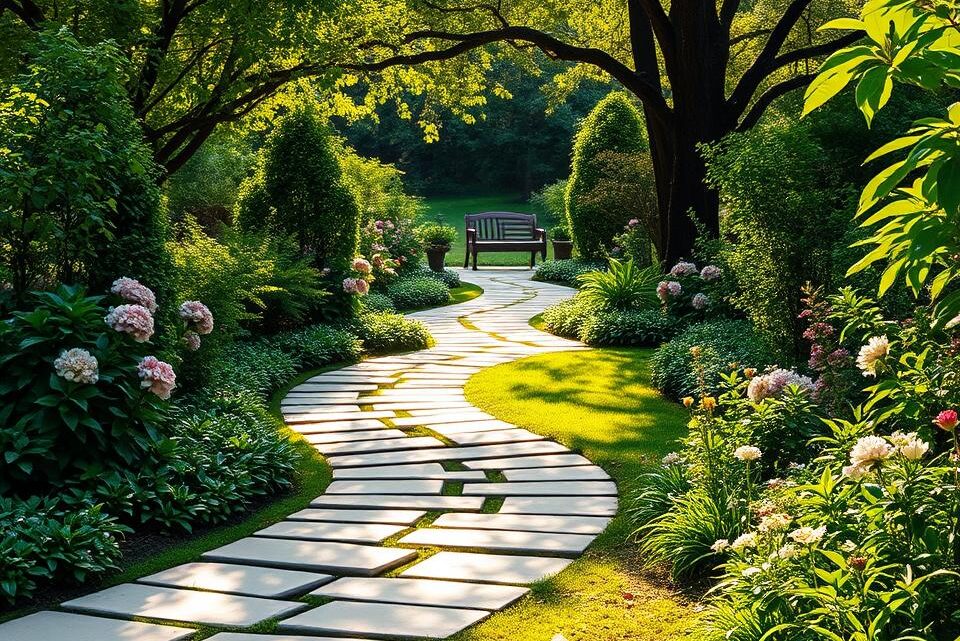
You are about to embark on a journey to enhance your outdoor space by crafting a beautiful garden path. A well-designed garden path not only adds aesthetic appeal but also guides visitors through your garden, highlighting its best features.
Designing a garden path involves choosing the right materials, considering the layout, and ensuring it complements your garden’s overall style. You can use a variety of materials, such as stone, brick, or gravel, to create a unique and inviting pathway.
Inhaltsverzeichnis
Key Takeaways
- Choose materials that complement your garden’s style.
- Consider the layout to ensure a smooth flow.
- Use lighting to enhance the path’s visibility at night.
- Maintain the path regularly to prevent wear and tear.
- Be creative with your design to make it truly unique.
Planning Your Garden Path
Creating a garden path requires careful planning to ensure it complements your garden’s design and serves its intended purpose. A well-planned path can enhance the overall aesthetic of your garden, making it more inviting and functional.
Determining the Purpose and Placement
Before you start designing your garden path, you need to determine its purpose and where it will be placed. Will it be a main route through your garden or a secondary path to a specific feature? Consider the flow of traffic and how you want visitors to experience your garden.
Choosing the Right Width and Shape
The width and shape of your garden path are crucial for both functionality and visual appeal. A path that is too narrow may be difficult to navigate, while one that is too wide may overwhelm the garden. Consider a width between 3 to 5 feet to allow for comfortable passage.
Considering Drainage and Grade
Proper drainage is essential to prevent water from accumulating on your garden path, which can lead to erosion and maintenance issues. Ensure the path is graded to allow water to run off. You can also incorporate materials that facilitate drainage, such as gravel or permeable pavers.
By considering these factors, you can create a garden path that is both beautiful and functional, enhancing your overall garden experience.
Selecting Materials for Your Garden Path
The selection of materials for your garden path is a decision that significantly impacts its durability and visual appeal. With various options available, you can choose materials that not only complement your garden’s aesthetic but also withstand the elements and heavy foot traffic.
Gravel Paths: Natural and Low-Maintenance

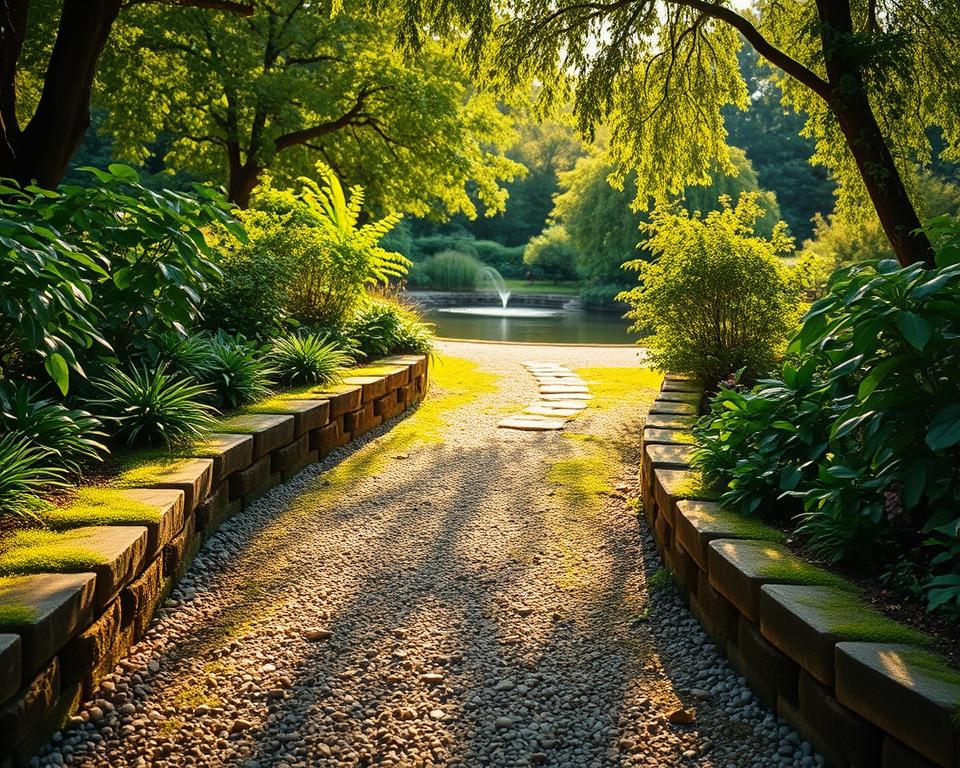
Gravel paths are a popular choice due to their natural appearance and low maintenance requirements. They allow for good drainage and can be easily replenished when needed.
Paving Slabs: Durable and Versatile
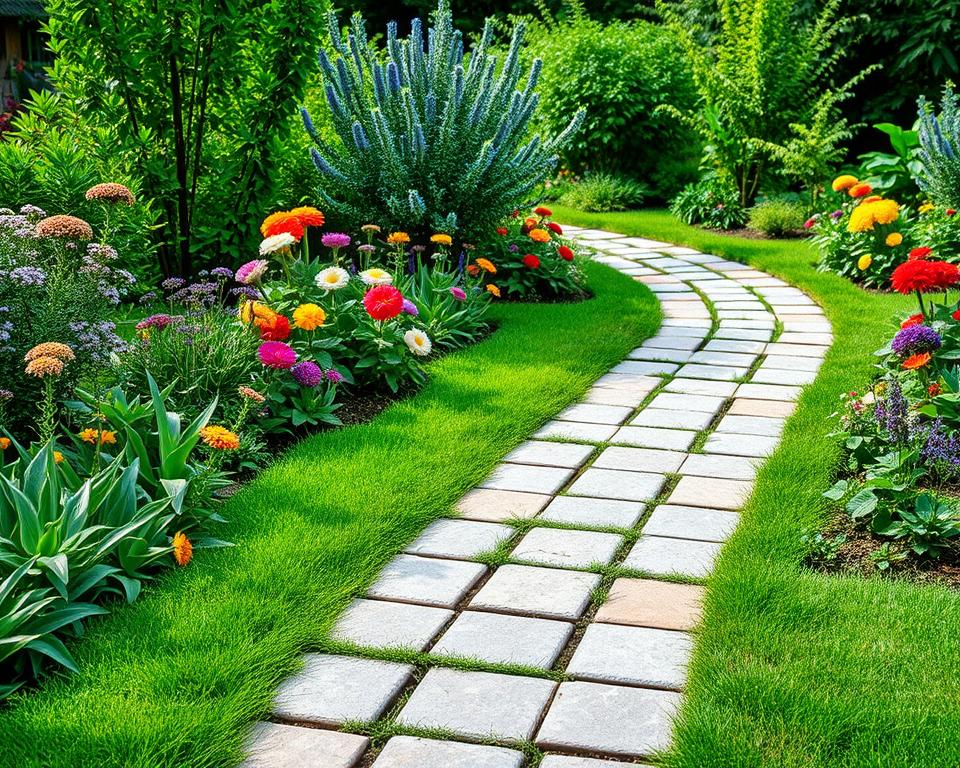
Paving slabs offer durability and versatility, coming in a variety of materials such as concrete, stone, and porcelain. They can be arranged in different patterns to create a unique look.
Brick and Block Paving: Stylish and Structured

Brick and block paving provide a stylish and structured appearance, suitable for creating a formal or traditional garden path. They are available in various colours and can be laid in different patterns.
Essential Tools and Materials for Path Construction
The key to a successful garden path lies in having the essential tools and materials ready before you begin. Constructing a garden path can be a rewarding DIY project, but it requires careful planning and the right equipment.
Basic Tools You’ll Need
To start, you’ll need a few basic tools. These include a shovel for digging, a rake for levelling, and a spirit level to ensure your path is even. You may also need a wheelbarrow to transport materials and a tamping tool to compact the ground.

Materials Checklist
Next, you’ll need to gather the necessary materials. These can include paving slabs, gravel, sand, and edging materials such as brick or stone. Make sure to choose materials that are suitable for your garden’s climate and style.
By having the right tools and materials, you’ll be well on your way to creating a beautiful and durable garden path.
How to Create and Design a Garden Path: Step-by-Step Guide
Designing and building a garden path involves several key stages. You need to carefully plan and execute each step to achieve a beautiful and functional path.
Marking Out Your Path
The first step is to mark out the area where you want your garden path to be. Use a garden hose or rope to define the shape and route of your path. This will give you a clear visual of how the path will look and help you make any necessary adjustments before you start digging.
Tip: Consider the natural flow of traffic through your garden when deciding the path’s route.
Excavating the Area
Once you’re happy with the path’s design, it’s time to excavate the area. Remove the top layer of soil to the required depth, depending on the material you’ve chosen for your path. For example, a gravel path might require less depth than one made with paving slabs.
Preparing the Base
After excavating, prepare the base by laying a layer of compacted hardcore or sand. This provides a stable foundation for your path and helps with drainage. Ensure the base is level and compacted firmly to prevent settling or shifting over time.
Laying Your Chosen Materials
With the base prepared, you can start laying your chosen materials. Whether you’re using gravel, paving slabs, or brick and block paving, follow the manufacturer’s instructions for laying and spacing. For a more polished look, consider adding edging to contain the materials and define the path’s edges.
Remember: The choice of material will significantly affect the path’s appearance and durability, so choose wisely based on your garden’s style and your maintenance preferences.
Design Elements to Enhance Your Garden Path
To elevate your garden path, consider incorporating design elements that enhance its visual appeal. A well-designed path can significantly impact the overall ambiance of your garden.
Adding Edging for Definition
Edging can add a clear definition to your garden path, separating it from the surrounding landscape. You can use materials like brick, stone, or metal to create a visually appealing border. Proper edging not only enhances the path’s appearance but also helps prevent the encroachment of plants onto the path.
Incorporating Plants Along the Path
Incorporating plants along your garden path can add colour, texture, and fragrance. Choose plants that are suitable for your climate and require minimal maintenance. Consider using a mix of groundcovers, shrubs, and flowers to create a dynamic and engaging landscape.

Creating Focal Points and Destinations
Creating focal points or destinations along your garden path can encourage exploration and add visual interest. You can achieve this by placing a statue, bench, or a particularly striking plant along the path. This not only breaks up the path but also gives visitors something to look forward to.
| Design Element | Purpose | Examples |
|---|---|---|
| Edging | Definition and Separation | Brick, Stone, Metal |
| Plants | Aesthetic and Fragrance | Groundcovers, Shrubs, Flowers |
| Focal Points | Visual Interest | Statues, Benches, Striking Plants |
Conclusion
Creating a garden path is a rewarding project that elevates your garden’s aesthetic. By following the steps outlined in this guide, you can design a beautiful and functional path that enhances your outdoor space. Careful planning and attention to detail are key to a successful outcome. With your new garden path, you’ll be able to enjoy a more inviting and structured garden that reflects your personal style.
FAQ
What materials are best suited for a garden path?
The best materials for a garden path depend on your desired aesthetic, budget, and maintenance preferences. Popular options include gravel, paving slabs, brick, and block paving, each offering unique benefits such as durability, versatility, and style.
What is the ideal width for a garden path?
The ideal width for a garden path is typically between 0.9 and 1.2 metres, allowing for comfortable passage and easy navigation, especially if you plan to use the path with a wheelbarrow or other gardening equipment.
Do I need to use landscape fabric under my garden path?
Using landscape fabric under your garden path can help prevent weeds from growing through your chosen materials, reducing maintenance and improving the overall appearance of your path.
What is the purpose of edging around a garden path?
Edging around a garden path serves to define the path’s boundaries, prevent materials from shifting or spreading, and add a decorative touch, enhancing the overall visual appeal of your outdoor space.
Can I use plastic edging for my garden path?
Yes, plastic edging is a viable option for garden paths, offering a durable, low-maintenance, and flexible solution that can be easily installed around curves and bends.
What is the recommended depth for a gravel path?
A gravel path typically requires a depth of around 50-75 mm to ensure stability and prevent excessive wear, with a layer of compacted hardcore or sand beneath to provide a solid base.
Should I use a spirit level when laying paving slabs?
Yes, using a spirit level is essential when laying paving slabs to ensure they are level and evenly spaced, preventing uneven surfaces and potential tripping hazards.
What is the benefit of using a rubber mallet when laying pavers?
Using a rubber mallet when laying pavers helps to tap them gently into place, reducing the risk of damage or cracking, and ensuring a secure, even fit.