How to Start a Business from a Garden Building
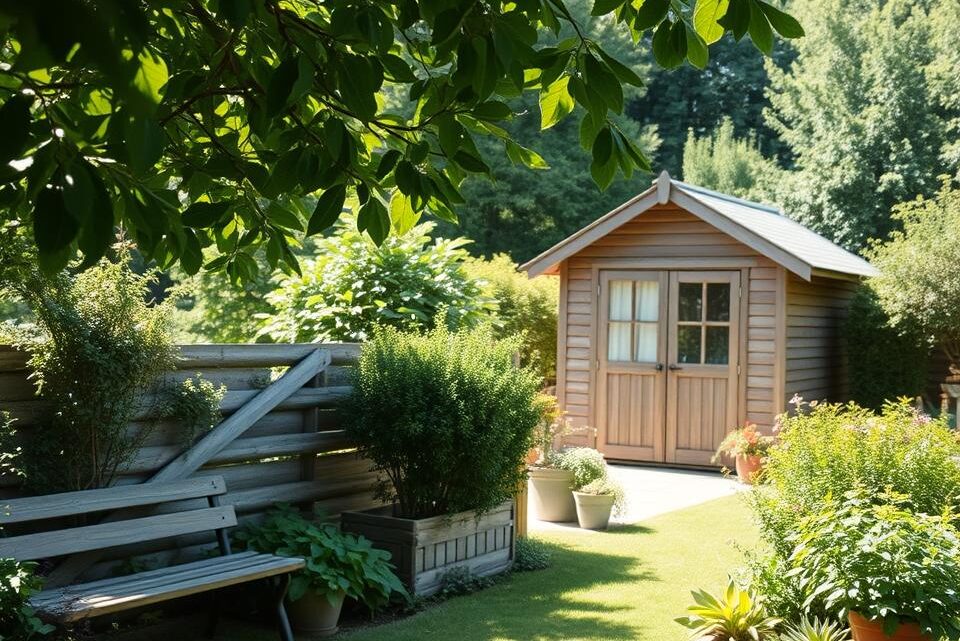
Across the United Kingdom, a quiet revolution is reshaping the landscape of work. More people are choosing self-employment, seeking greater control over their professional lives. Many are turning their attention to an often-underused asset: their own back garden.
Transforming a garden building into a professional workspace offers a compelling alternative to costly commercial leases. This approach eliminates lengthy commutes and provides a dedicated area for enterprise. It is a cost-effective solution for launching a new venture.
The concept has a prestigious history. Global giants like Google and Amazon famously began in modest garden sheds. Their journeys prove that remarkable success can have humble beginnings. This guide outlines the practical steps for creating your own productive home-based operation.
Establishing a successful enterprise requires careful planning. Key considerations include legal permissions, utility setup, and choosing the right business model. This article will explore these areas in detail.
The benefits are significant. Entrepreneurs gain flexibility, reduce overheads, and can achieve a better work-life balance. A customised workspace tailored to specific needs becomes possible.
While the opportunity is tremendous, success demands a strategic approach. Proper research and adherence to regulations are essential. This guide provides a roadmap for turning a garden structure into a thriving commercial space.
Inhaltsverzeichnis
Key Takeaways
- Many UK entrepreneurs are successfully launching ventures from garden buildings.
- This approach offers a cost-effective alternative to traditional commercial premises.
- Renowned global companies like Google and Amazon started in similar settings.
- Careful planning regarding legalities and utilities is crucial for success.
- Significant benefits include reduced overheads and improved work-life balance.
- A bespoke, dedicated workspace can be created to suit specific business needs.
Understanding the Potential of a Garden Building Business
Establishing a professional presence in one’s garden offers distinct advantages for business operations. This approach creates a dedicated workspace separate from domestic life.
Benefits for Work-Life Balance and Property Value
The physical separation between home and work fosters healthier boundaries. This arrangement enhances productivity and mental wellbeing.
Adding a functional garden structure increases property value significantly. Future buyers appreciate flexible, multi-purpose space. This investment improves market appeal.
Purpose-built garden offices project credibility during client consultations. A well-appointed space demonstrates professional competence.
Exploring Versatile Business Opportunities
Numerous enterprises thrive in garden settings. Creative pursuits like floristry and photography benefit from dedicated space.
Service-based operations find ideal conditions too:
- Wellness practices: yoga instruction, therapy sessions
- Professional services: accountancy, consulting work
- Educational activities: tutoring, coaching programmes
Fitness instructors utilise private spaces for personal training. Knowledge-based businesses enjoy quiet, focused environments.
These versatile structures accommodate diverse needs. They support both product storage and client consultations effectively.
Planning and Permissions: Getting Started
Navigating the regulatory landscape is an essential first step for entrepreneurs considering a garden building operation. Proper due diligence prevents costly legal complications and ensures compliance from day one.
Legal, Planning and Mortgage Considerations
Before purchasing a garden structure, verify mortgage or tenancy agreements. Many lenders require permission for commercial use of residential property. Proceeding without authorisation risks serious consequences.
Local planning permission requirements vary significantly by location. Properties in conservation areas or listed buildings face stricter rules. Standard permitted development typically applies to structures under 2.5 metres.
Consider neighbourly relations when positioning the building. Position it away from boundaries to minimise disruption. This maintains positive community relations.
Insurance, VAT, and Financial Set-Up
Choosing the right business structure affects taxation and liability. Options include sole trader, partnership, or limited company formations. Each has different administrative requirements.
VAT registration becomes necessary when turnover exceeds £85,000 annually. This threshold allows reclaiming VAT on garden building purchases and installations.
Appropriate insurance coverage is crucial. Public liability protects client-facing operations. Professional indemnity covers advisory services. Contents insurance safeguards equipment and stock.
Check business rates liability carefully. Many small operations qualify for reliefs that reduce this cost. Proper financial planning from the outset prevents unexpected expenses.
Designing the Ideal Garden Business Space
Creating an optimal workspace begins with selecting the right type of garden building for specific business requirements. The choice between different structures significantly impacts both functionality and professional presentation.
Choosing the Right Structure: Shed, Summerhouse or Studio
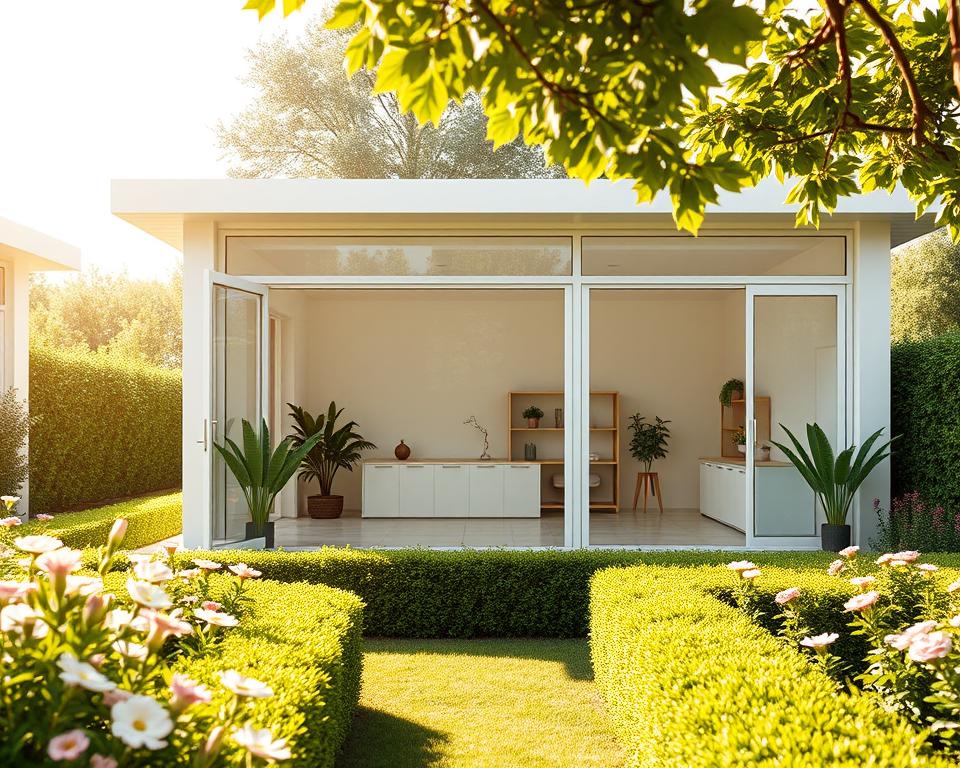
Standard sheds offer cost-effective solutions but often lack proper insulation. They may require additional investment for year-round comfort. Summerhouses provide superior aesthetics with larger windows and better insulation.
Premium garden studios feature fully insulated walls, roofs, and floors. They maintain comfortable temperatures regardless of season. Hardwood buildings from sustainable sources offer greater longevity than softwood alternatives.
The ideal size depends on business needs. Compact 2-metre-wide spaces suit solo consultants. Larger octagonal designs accommodate equipment or client meetings effectively.
Optimising Layout, Lighting and Interior Finishes
Strategic window placement maximises natural light and garden views. This creates a pleasant working environment. Double-glazed windows enhance energy efficiency throughout the year.
Corner configurations make excellent use of limited garden space. Lozenge-shaped garden rooms accommodate specialised equipment comfortably. Ceiling height should accommodate tall items or create spacious atmospheres.
Quality interior finishes contribute to professional appearance. They support productivity during extended working periods. The right design choices ensure the space meets both practical and aesthetic requirements.
How to Start a Business from a Garden Building
Utility connectivity represents a critical phase in developing a productive garden-based enterprise. Proper installation ensures reliable operation throughout the year.
Setting Up Essential Utilities and Equipment
Electrical installation requires qualified professionals to meet UK safety standards. Solar power solutions offer sustainable alternatives for lighting and broadband equipment.
Security features protect valuable assets within the garden building. Quality locks and laminated glass provide essential protection for equipment and confidential information.
| Flooring Type | Best For | Maintenance | Durability |
|---|---|---|---|
| Waterproof Vinyl | Creative studios, therapy spaces | Easy cleaning | High resistance |
| Carpet | Consulting offices, quiet workspaces | Regular vacuuming | Medium longevity |
| Ceramic Tiles | Fitness areas, beauty services | Simple wiping | Excellent durability |
Professional installation by certified electricians ensures compliance with current regulations and long-term safety.
Customising the Space for Professional Use
Lighting design balances functional needs with atmospheric considerations. Natural light enhances the working environment during daylight hours.
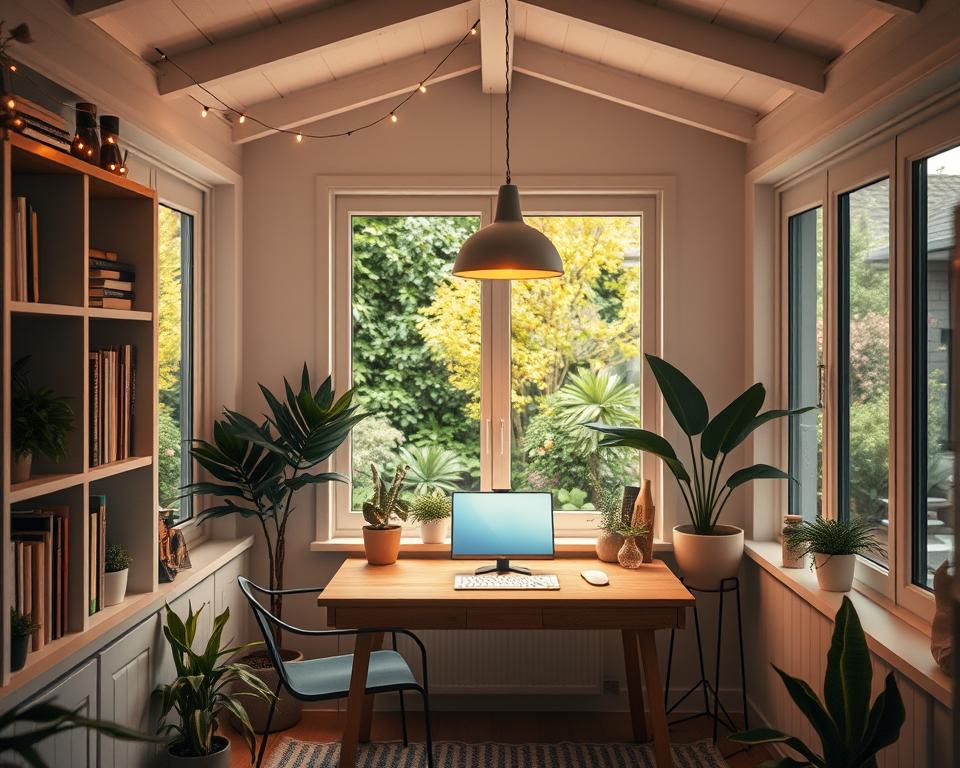
Insulation choices enable comfortable operation throughout changing seasons. Tongue-and-groove lining with proper draught exclusion maintains consistent temperatures.
Furniture selection supports both business activities and client comfort. Modular seating with storage solutions creates organised, professional rooms.
Successful Garden Business Models and Best Practices
Professionals across various industries have demonstrated the viability of garden-based operations through innovative business models. These enterprises benefit from strategic financial planning and effective client management approaches.

Innovative Business Ideas from Garden Offices to Studios
Creative professionals find garden studios ideal for their work. Writers, designers, and architects appreciate the dedicated space. Service providers like accountants and consultants also thrive in these environments.
Legal professionals and IT specialists successfully operate from garden offices. The quiet setting supports focused work. Client meetings can be conducted professionally in well-designed spaces.
Managing Costs, Client Needs and Long-Term Growth
Financial management offers two main approaches. The company-owned asset model allows VAT reclaim on eligible costs. Alternatively, the home-extension approach charges rent at cost.
Client management requires careful scheduling and professional presentation. Maintaining confidentiality is essential. Planning for long-term growth helps businesses scale effectively.
Cost control involves forecasting expenses accurately. Insurance, utilities, and maintenance form ongoing operational costs. Quality construction ensures spaces withstand years of intensive use.
Conclusion
A garden building presents a uniquely efficient platform for launching and running a business. This guide has outlined the essential path, from initial legal requirements to creating a productive office environment.
The combination of affordability, convenience, and professional functionality is compelling. Entrepreneurs gain a dedicated space close to home, saving both time and money.
Success hinges on thorough planning, quality construction, and adherence to regulations. A well-insulated garden room provides a comfortable workspace throughout the year.
This approach offers a sustainable, long-term solution that can adapt as a venture grows. It is a proven model for achieving professional goals with greater balance and control.
FAQ
What are the main benefits of running a business from a garden building?
Operating from a garden building offers excellent work-life separation while keeping the workspace on your property. It can also increase your home’s value and reduce daily commute times.
Do I need planning permission for a garden office or studio?
Many garden buildings fall under permitted development rights, avoiding the need for planning permission. However, specific rules regarding size, height, and location must be followed. Always check with your local planning authority.
What types of business are well-suited to a garden building?
A wide range of businesses thrive in this environment. Examples include creative studios, consultancy services, therapy practices, and professional trades that require workshop space.
How important is insulation and lighting in a garden office?
Proper insulation and lighting are crucial for comfort and productivity. High-quality insulation ensures the space is usable year-round, while good natural and artificial lighting creates a professional working environment.
What insurance considerations are there for a garden-based business?
Standard home insurance may not cover business activities. It is essential to inform your insurer and likely upgrade to business insurance to protect equipment, stock, and accommodate client visits.
Can I claim tax relief on my garden building and equipment?
Potentially, yes. If the garden building is used solely for business, you may be able to claim capital allowances on the structure and equipment. It is advisable to consult an accountant for specific advice.
What are the key features to look for in a garden building?
Prioritise durable construction, adequate size for your needs, excellent insulation, secure doors and windows, and a reliable power supply. The design should support your specific business operations.
How can I ensure my garden office meets building regulations?
If the building is intended to be a permanent workspace, it may need to comply with building regulations. This typically covers structural integrity, electrical safety, and fire safety. Using a reputable supplier can help ensure compliance.