How to Tackle Condensation in Your Metal Garden Shed

Metal garden buildings offer excellent durability and require minimal upkeep compared to traditional wooden structures. Their robust construction makes them a popular choice for homeowners across the United Kingdom. However, these practical storage solutions present a common challenge that many owners encounter.
The primary issue with metal sheds involves moisture accumulation. When warm air inside the structure meets cool metal panels, water droplets form on the interior surfaces. This natural process creates persistent dampness that can damage stored items.
Condensation represents more than just a minor inconvenience. Left unaddressed, it leads to serious problems including rust formation, mould growth, and deterioration of valuable possessions. Understanding this moisture issue is crucial for protecting both the building and its contents.
This comprehensive guide addresses condensation concerns for both new constructions and existing sheds. It provides practical strategies suitable for all skill levels, from DIY beginners to experienced handymen. The advice focuses on long-term solutions that effectively manage moisture control.
Readers will discover actionable methods to prevent and remedy condensation problems. The approach covers everything from understanding root causes to implementing effective protection measures. These solutions help maintain a dry, functional garden storage space throughout the year.
Inhaltsverzeichnis
Key Takeaways
- Metal sheds provide durable storage but face unique condensation challenges
- Moisture forms when warm interior air contacts cool metal surfaces
- Uncontrolled condensation causes rust, mould, and item damage
- Solutions exist for both new constructions and existing structures
- Practical strategies suit all levels of DIY experience
- Effective moisture management protects the shed and its contents
- Long-term prevention requires understanding fundamental causes
Understanding the Causes of Condensation in Metal Sheds
Metal structures possess unique thermal properties that contribute significantly to condensation issues. These buildings respond quickly to temperature changes in their environment. This responsiveness creates ideal conditions for moisture formation under certain circumstances.
Comprehending the underlying mechanisms helps owners address condensation problems effectively. Different factors work together to create challenging moisture conditions.
Temperature and Surface Interactions
Warm air inside the structure holds invisible water vapour. When this moist air contacts cooler metal surfaces, the air temperature drops rapidly. This cooling causes the air to reach its dew point, where vapour transforms into liquid water droplets.
Metal’s high thermal conductivity means panels quickly match external temperatures. During colder weather, interior surfaces become much cooler than the air inside. The shed roof often experiences the most severe condensation because warm air rises.
This temperature differential creates a perfect storm for moisture accumulation. Understanding this process is crucial for implementing effective solutions.
Impact of Damp Foundations and Moisture Sources
Damp foundations introduce additional moisture into the structure. Ground moisture can seep upward through concrete bases or soil contact. This external moisture adds to the overall humidity levels inside.
Common entry points include unsealed wall joints and bases constructed directly on the ground. Vegetation contact with panels also transfers moisture. These sources create a continuous cycle of evaporation and condensation.
Multiple factors typically combine to worsen the condensation problem. Addressing each contributing element is essential for comprehensive moisture control.
Preventive Measures During Construction
The foundation phase represents a critical opportunity to establish long-term protection against dampness. Implementing strategic building measures at this stage prevents future moisture complications.
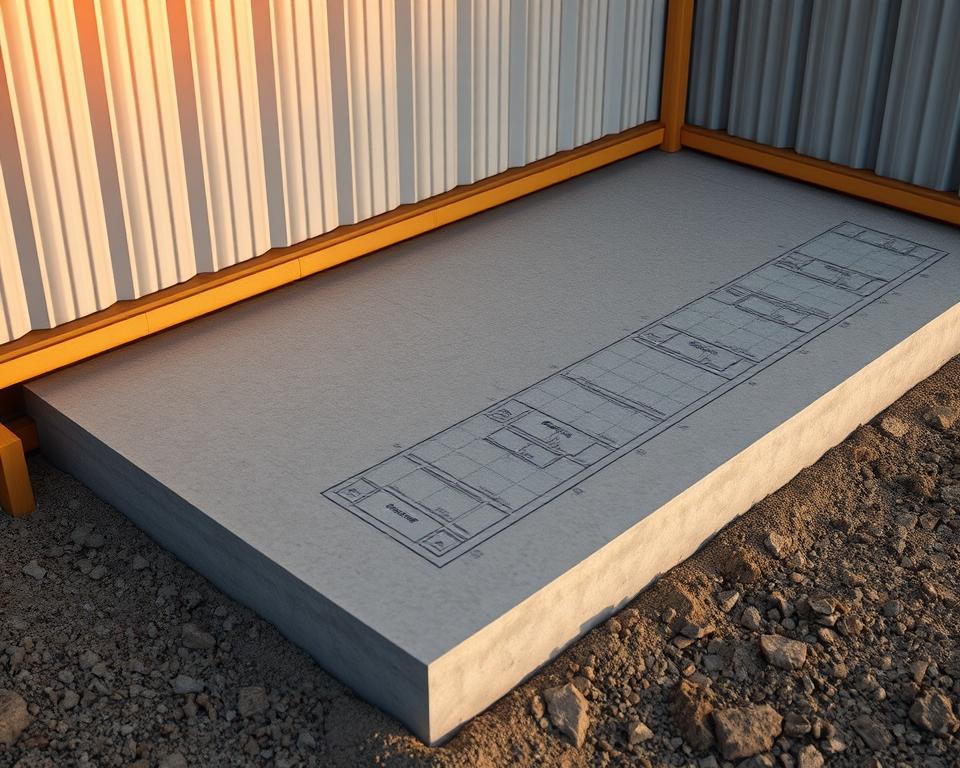
Proper planning during construction ensures the garden structure remains dry throughout its lifespan. These initial steps create a solid defence system against water intrusion.
Optimising the Shed’s Foundation and Base
The concrete base should extend only slightly beyond the building’s footprint. This minimises exposed areas where ground moisture can accumulate.
Excess concrete creates additional surfaces for water evaporation into the structure. Proper sizing is essential for effective moisture control.
Implementing Damp-proof Membranes and Sealants
Damp-proof membranes installed two inches above ground level block rising damp. These materials form a crucial barrier against soil moisture.
After securing the metal shed to its base, apply sealant to the interior rails. This preserves drainage while preventing water seepage underneath.
| Foundation Material | Moisture Resistance | Curing Time | Cost Effectiveness |
|---|---|---|---|
| Concrete Slab | High | 3-7 days | Medium |
| Paving Stones | Medium | Immediate | High |
| Timber Frame | Low | N/A | Low |
| Gravel Base | Poor | N/A | Very High |
Allowing Adequate Curing and Preparation Time
Concrete foundations require 3-7 days to cure under normal conditions. Damp weather extends this period significantly.
Complete curing ensures residual moisture evaporates before building erection. This prevents the base from becoming a condensation source.
How to Tackle Condensation in Your Metal Garden Shed
Addressing moisture concerns requires a dual approach. Two powerful methods work together to create a stable climate within the structure.
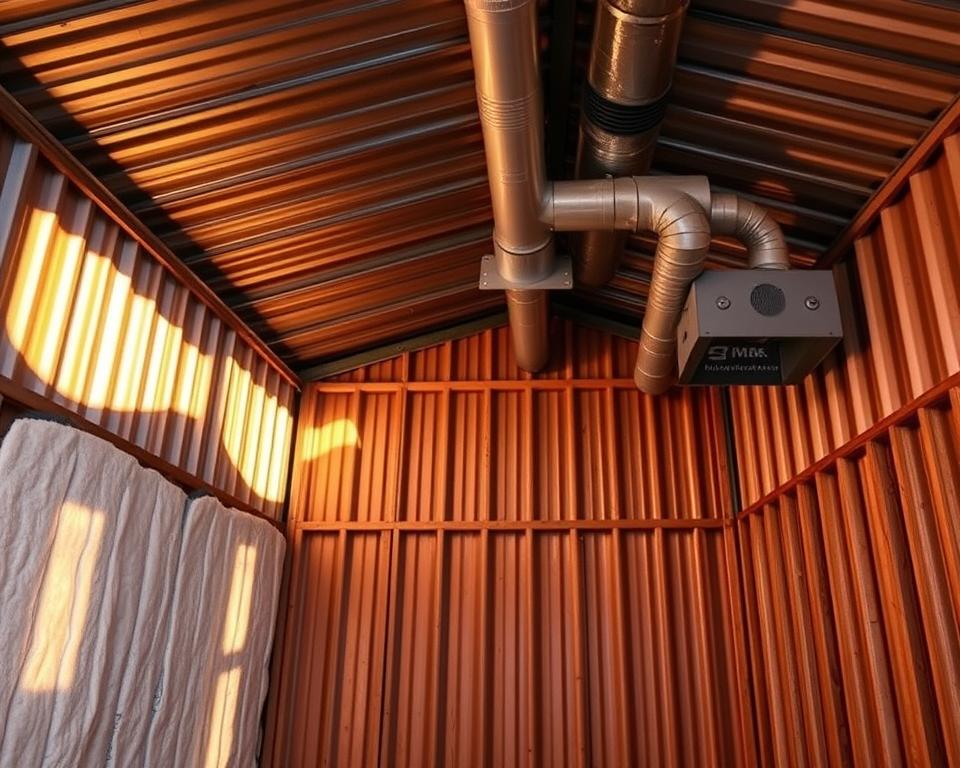
Proper ventilation and effective insulation are the cornerstones of a successful solution.
Enhancing Ventilation and Air Circulation
Good air circulation is essential. It stops stagnant, moist air from settling. Installing vents on opposite walls creates a cross-breeze.
This system allows fresh air to enter while expelling damp air. Gable vents and ridge vents are excellent choices. They let warm air escape without letting in rain.
Simply opening a window regularly can also improve air circulation. This exchange is key to reducing humidity inside the shed.
Using Insulation Techniques to Prevent Moisture Build-up
Insulation tackles the root cause by regulating temperature. It raises the surface temperature of metal panels. This reduces the temperature difference that leads to condensation.
Materials like foam boards or spray foam are ideal for walls and ceilings. A proper insulation layer acts as a barrier. It makes the space more efficient.
Sealing all gaps in the insulation is critical. This step minimises air leakage and maximises effectiveness. Together, these strategies prevent moisture issues effectively.
Solutions for Existing Sheds with Condensation Issues
When dealing with pre-existing metal garden structures, specific remediation techniques can effectively address moisture problems. These retrofitting approaches provide practical solutions without requiring complete reconstruction.
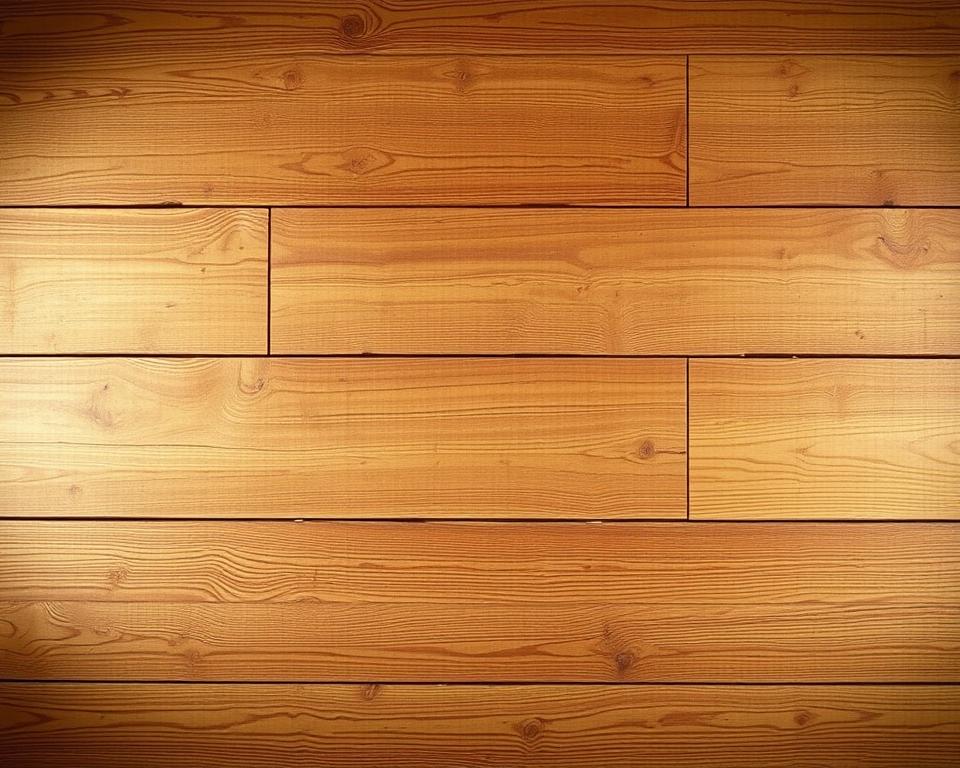
Constructing a Timber Floor for Improved Air Flow
Building a raised timber floor creates essential ventilation beneath the shed. This method involves detaching the structure from its base and constructing a wooden platform on raised bearers.
The timber floor should be slightly larger than the shed’s base. This allows air to circulate freely underneath, preventing ground moisture from rising. Proper sealing with mastic ensures water cannot penetrate the interior space.
This approach effectively breaks the condensation cycle at its source. It creates a dry barrier between the cold ground and the metal building.
Applying Polystyrene Tile Insulation Methods
Insulating the roof addresses another major source of condensation problems. Polystyrene tiles provide an effective thermal barrier for metal surfaces.
Clean the underside of roof panels thoroughly with methylated spirit. Apply specialist adhesive to both the tiles and the clean roof surface. Bond the materials together on a warm day for optimal results.
This insulation method raises the surface temperature above the dew point. It prevents new condensation from forming while improving the space’s thermal efficiency.
“Proper insulation transforms a problematic metal shed into a dry, functional storage area.”
| Solution | Primary Benefit | Difficulty Level | Cost Estimate |
|---|---|---|---|
| Timber Floor | Ground moisture prevention | Intermediate | £100-£300 |
| Roof Insulation | Surface temperature control | Beginner | £50-£150 |
| Combined Approach | Comprehensive protection | Advanced | £150-£450 |
Both methods can be implemented separately or combined for maximum effectiveness. The timber floor tackles ground-based moisture, while the roof insulation addresses airborne condensation issues.
Additional Tips for Long-Term Moisture Control
Achieving lasting dryness in a garden shed requires a commitment to ongoing maintenance and smart environmental controls. These supplementary strategies work alongside core solutions like ventilation and insulation to provide comprehensive protection.
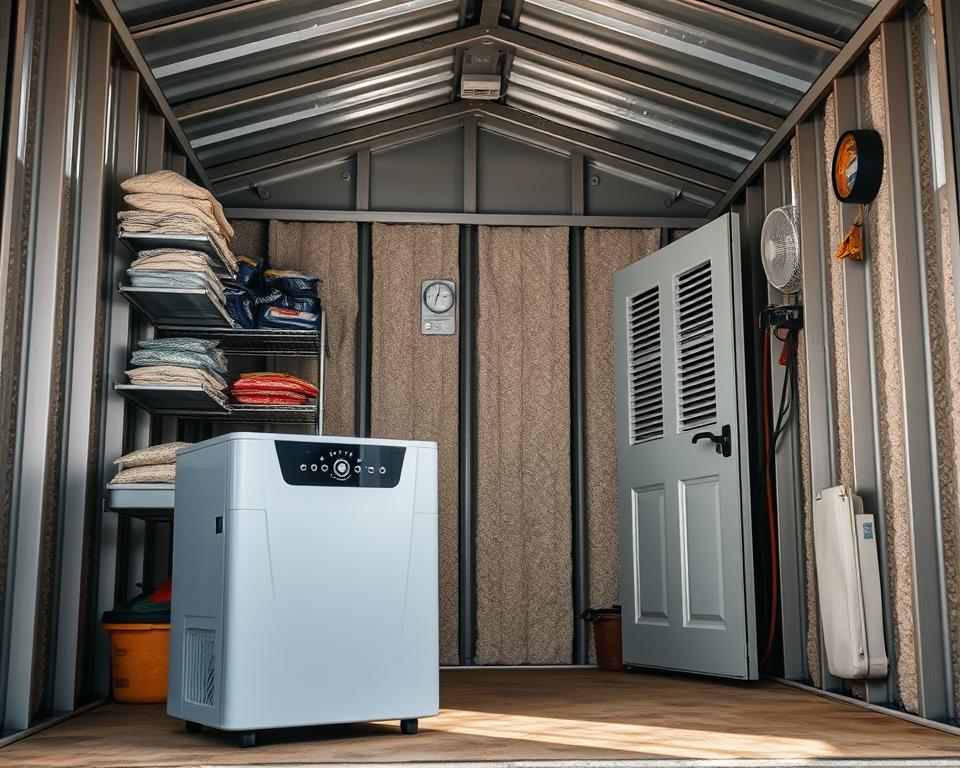
Regular monitoring is essential. Using a hygrometer allows owners to track humidity levels inside the shed. This helps identify potential moisture problems before they lead to condensation or mould growth.
Regular Maintenance and Monitoring Strategies
For particularly damp conditions, a small electric dehumidifier can manage humidity levels effectively. Choose a model suited to the shed’s size. Powerless alternatives like calcium chloride containers or silica gel desiccants also draw moisture from the air.
Proper organisation of stored items improves air circulation. Maintain at least 10cm of space between objects and cool walls. Using quality storage containers protects belongings and reduces clutter.
Key maintenance tips include:
- Sealing gaps around doors, vents, and windows with caulk.
- Clearing vegetation from the shed’s exterior to prevent moisture contact.
- Improving drainage around the foundation to direct water away.
This holistic approach, tailored to specific environmental factors, ensures a dry storage space year-round.
Conclusion
Protecting valuable possessions stored in garden sheds demands proactive moisture control measures. While condensation presents a common challenge for metal structures, it is entirely manageable with the right approach.
The most effective strategy combines preventive construction techniques with ongoing maintenance. Proper foundation preparation, adequate ventilation, and strategic insulation work together to create a stable environment. Regular monitoring helps identify potential issues before they escalate into serious problems.
Implementing these solutions safeguards both the building and its contents from moisture damage. A well-maintained shed provides reliable, dry storage for years to come, transforming a potential problem area into a functional space that protects valuable items effectively.
FAQ
What causes condensation inside a metal garden shed?
Condensation occurs when warm, moist air comes into contact with the cool surfaces of the metal structure. This is a common problem, especially when there is a significant difference between the internal and external temperature.
Why is condensation a serious issue for metal sheds?
Persistent moisture can lead to rust on the metal surfaces and damage to stored items. It also creates an environment conducive to mould growth, which can compromise air quality and the integrity of certain materials.
How can I prevent condensation from forming?
Improving ventilation is key. Installing vents or leaving a window slightly ajar promotes air circulation, helping to equalise temperature and humidity levels. Using a dehumidifier can also effectively remove excess moisture from the air.
Does insulation help with condensation control?
Yes, insulation acts as a barrier between the internal air and the cold metal surfaces. By reducing the temperature difference, it minimises the conditions that cause moist air to turn into water droplets.
What should I do if my shed already has a condensation problem?
For existing sheds, constructing a raised timber floor can improve air flow. Applying polystyrene tiles to the interior walls and roof is another practical method to keep surfaces warmer and reduce moisture build-up.
Are there any simple maintenance tips to manage humidity?
Regularly check the shed for leaks, ensure gutters are clear to prevent rain water from pooling around the base, and avoid placing items directly on the floor. Keeping the space well-organised aids air circulation.