
How to Lay a Pad Foundation for a Garden Shed

A well-built storage structure is a fantastic addition to any outdoor space. Its long-term performance, however, depends entirely on what lies beneath. The base you construct is arguably the most critical part of the entire project.
Even the sturdiest shed will struggle if its support is weak or unstable. Moisture, shifting ground, and seasonal changes can quickly cause problems. A properly installed foundation ensures your investment remains level, secure, and protected for many years.
This comprehensive guide is designed to walk you through the entire process. We will cover everything from initial planning and legal checks to material selection and step-by-step construction. Our focus is on methods suited to typical UK ground conditions and weather patterns.
Whether you are a seasoned DIY enthusiast or planning to hire a professional, this article provides the essential knowledge. You will learn how to choose the right base type for your specific project’s size and budget. By the end, you will be equipped to create a robust platform that guarantees your garden building stands the test of time.
Inhaltsverzeichnis
Key Takeaways
- The base is the most important factor determining your shed’s longevity and stability.
- A weak support system will lead to premature deterioration, even with a high-quality structure.
- This guide covers the complete process, from initial planning to final installation.
- Different base types are available to suit various shed sizes, ground conditions, and budgets.
- Special consideration is given to British weather and building practices.
- Following these instructions helps avoid common mistakes and ensures a successful project.
Introduction to Shed Foundation Basics
The stability of any outdoor building begins with what lies beneath the surface. A properly constructed base serves as the critical interface between your structure and the ground, distributing weight evenly to prevent settling and structural issues.
There are two primary categories of shed foundations, each suited to different requirements. On-grade options sit directly on the ground surface, making them quick to install without excavation. Frost-proof alternatives extend below the frost line for permanent, robust support.
On-grade foundations work well for smaller structures where temporary installation suffices. They require no concrete pouring or deep holes, offering a straightforward DIY solution. These floating bases provide adequate protection against typical ground moisture.
Frost-proof foundations present more construction challenges but deliver superior longevity. They’re essential for larger buildings and regions experiencing significant freeze-thaw cycles. This approach ensures your investment remains secure through seasonal changes.
British gardens demand careful consideration when selecting foundation types. Varied soil conditions, substantial rainfall, and temperature fluctuations all influence your choice. Understanding these basics helps you make an informed decision before committing resources.
A well-chosen foundation system can extend your building’s lifespan by decades. It protects both the structure and its contents from ground moisture and instability. This initial planning phase proves crucial for long-term satisfaction with your outdoor storage solution.
What is a Pad Foundation for a Garden Shed?
Essentially, this type of base creates a stable, level surface that isolates the structure from the ground. It acts as a critical intermediary, bearing the building’s load and preventing direct contact with damp soil.
Benefits and Key Considerations
The primary advantage is superior drainage. A well-built platform allows water to flow away freely, drastically reducing the risk of rot underneath your building. This management of moisture is vital for longevity.
By raising the floor slightly, it creates a protective air gap. This simple elevation helps keep wooden components dry and sound. The entire weight is spread evenly across the prepared ground, preventing uneven settlement.
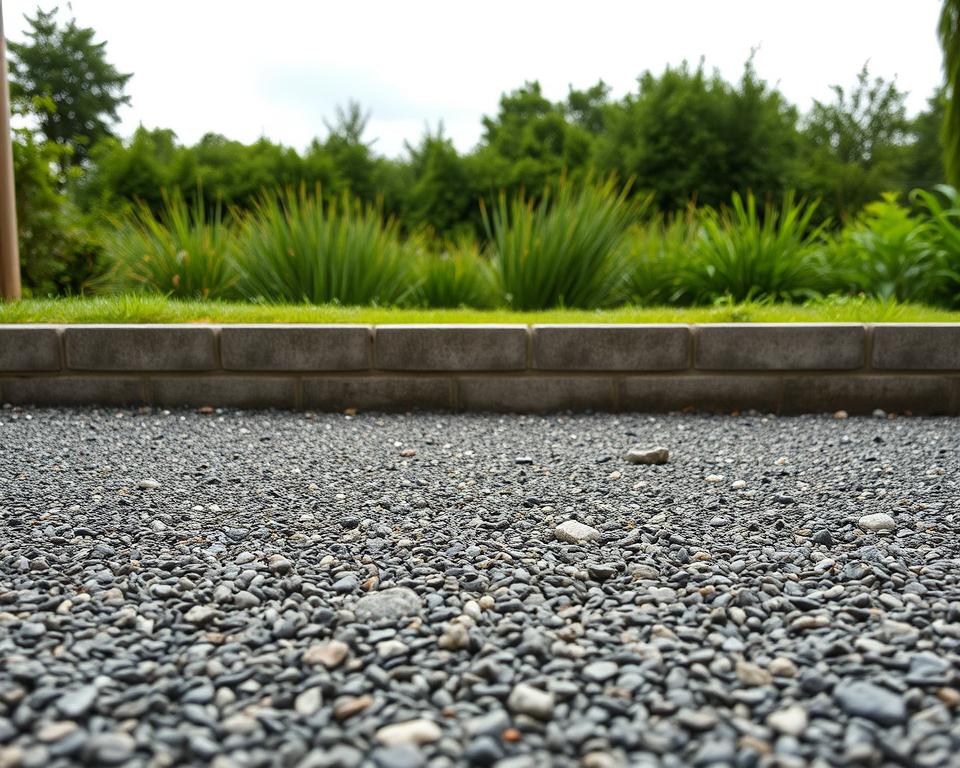
When planning, consider your building’s size and the local soil conditions. Budget and the possibility of future relocation are also important factors. Material choice is central to this decision.
Comparing with Alternative Foundation Types
Gravel is a popular choice in the UK, offering an excellent balance of cost, drainage, and DIY-friendly installation. It provides a firm, long-wearing surface without the complexity of other methods.
In comparison, a solid concrete base delivers maximum durability and strength for heavier structures. However, its installation is more involved. Timber sub-frames offer good elevation but require ongoing maintenance to withstand the elements.
Exploring a Range of Shed Foundation Options
Selecting the right support system for your outdoor structure involves understanding the diverse options available. Modern foundations provide solutions for virtually every garden scenario.
From flat, stable ground to challenging sloped areas, there is a type suited to the task. The main categories of bases include:
- Concrete Blocks & Skids: Simple, effective foundations for smaller sheds on level sites.
- Timber-Frames & Piers: Versatile systems offering good drainage or frost-proof support for larger buildings.
- Solid Slabs & Modern Alternatives: Deliver maximum permanence or quick, adjustable installation.

Concrete block bases use solid blocks laid in rows. They create a straightforward support system. Skid foundations utilise long, pressure-treated timbers to distribute weight widely.
For more demanding projects, concrete pier foundations extend below the frost line. This is essential for larger sheds in colder regions. A poured concrete slab offers the strongest, most permanent solution.
Modern innovations include plastic grid systems and adjustable bases. These allow for quick levelling on uneven ground. They provide excellent drainage for smaller structures.
Each type balances cost, effort, and performance. Your choice will depend on your building’s size, local ground conditions, and budget.
Planning and Site Preparation for Your Garden Shed
Proper site planning forms the bedrock of any durable outdoor structure installation. This crucial phase prevents costly mistakes and ensures your investment stands the test of time. Careful consideration now saves considerable frustration later.
Assessing Legal Requirements and Permits
Before any construction begins, consult your local council about planning regulations. Many UK authorities require permission for structures exceeding specific dimensions. You may need to understand setback distances from boundaries and height restrictions.
Typical questions for your local authority include maximum size allowances and foundation specifications. Make sure you clarify whether anchoring is mandatory in your area. Proper documentation prevents legal complications down the line.
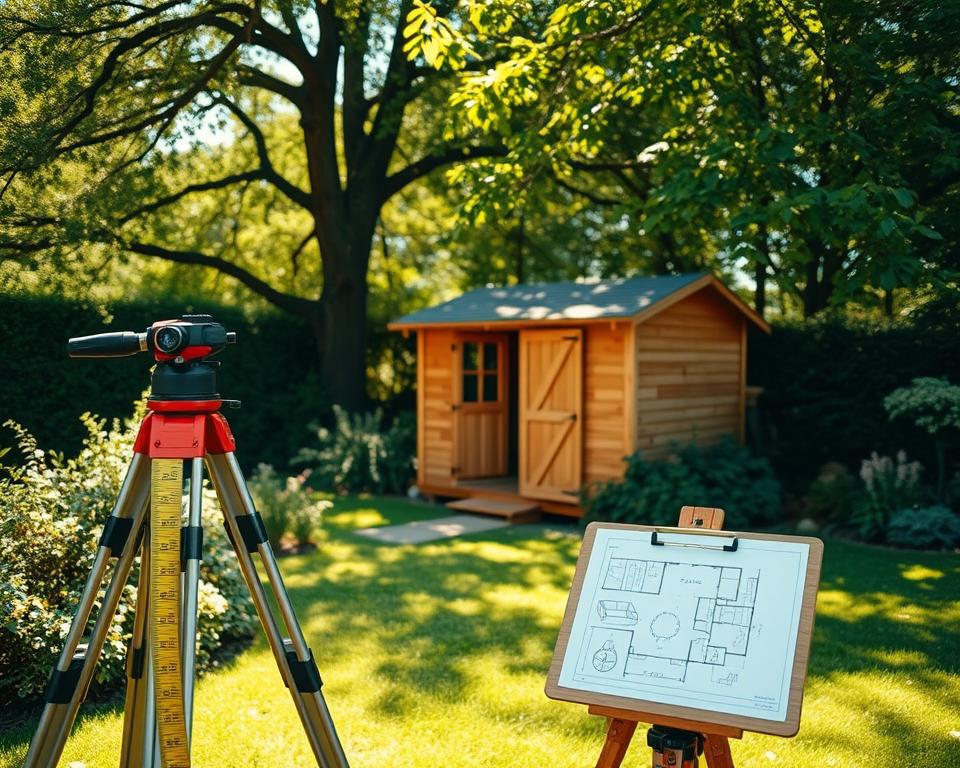
Site Selection and Access Considerations
Choose a naturally well-drained area that slopes away from existing buildings. Avoid locations where water pools after rainfall. Undisturbed, settled soil provides the most stable base for your project.
Access considerations are equally important. Ensure delivery vehicles can reach your chosen space without damaging landscaping. Always contact utility companies to mark underground lines before excavation begins.
The aesthetic integration of your building affects both property value and personal enjoyment. Consider sight lines and proximity to areas where you’ll frequently use the structure. These things contribute to long-term satisfaction with your outdoor space.
Levelling, Drainage and Soil Preparation Techniques
The success of your entire project hinges on meticulous ground preparation. A perfectly flat area is non-negotiable. Even slight irregularities can lead to structural issues and sticking doors over time.
Begin by assessing the natural slope of your chosen site. Use a spirit level or laser level to identify high and low points. This initial survey dictates your approach.

Ensuring Proper Drainage
Your levelling efforts must always prioritise drainage. The finished ground should direct water away from the building. Avoid locations where water naturally pools.
For minor adjustments on relatively flat ground, manual tools like shovels and rakes suffice. You can redistribute soil from high spots to depressions. Steeper slopes, however, often require professional machinery.
After shaping the ground, compaction is essential. This process eliminates air pockets in the soil to prevent future settling. Mechanical compactors achieve a stable level base quickly.
| Scenario | Recommended Tools | Key Consideration |
|---|---|---|
| Minor unevenness | Shovel, Rake, Spirit Level | Redistribute existing soil; maintain drainage gradient. |
| Significant slope | Mini excavator, Plate compactor | Extensive earthmoving; may need retaining walls. |
| Poor natural drainage | Drainage pipe, Permeable gravel | Integrate drainage solutions during levelling. |
Make sure your work does not create new drainage problems for neighbouring structures. A systematic approach ensures a stable, long-lasting result.
Selecting the Right Materials and Tools
Gathering the correct equipment before starting your project is the first step toward a successful build. Having the proper materials and tools on hand prevents frustrating delays and ensures quality results from the beginning.
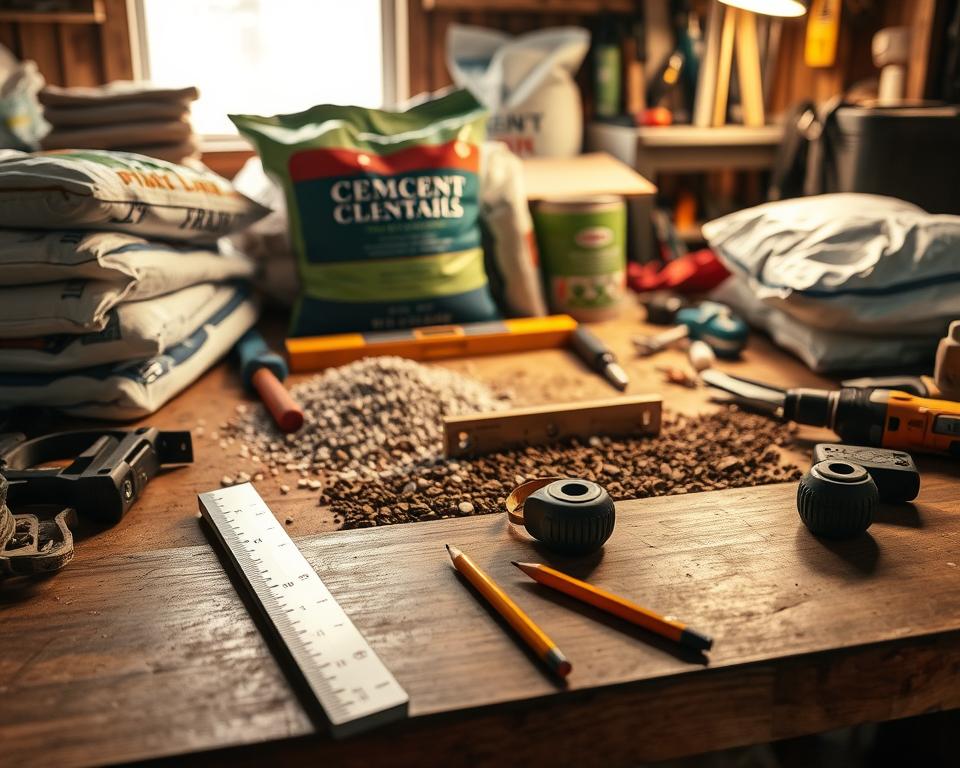
For gravel-based installations, ¾-inch clean crushed stone serves as the cornerstone material. This specific aggregate provides excellent compaction and drainage properties. Avoid smooth river stone or small aggregates that compromise stability.
When working with timber components, always select pressure-treated lumber rated for ground contact. Standard treated wood deteriorates quickly when exposed to soil moisture. This distinction proves crucial for long-term durability.
Concrete block installations require solid blocks measuring 4 inches thick by 8 inches wide by 16 inches long. Never use hollow blocks as they crack under weight over time. The solid construction ensures proper load distribution.
Essential tools include accurate levelling devices like laser levels and excavation equipment. Compaction tools range from plate compactors to hand tampers, with mechanical options providing superior results. Power tools like circular saws and drills complete the toolkit.
Always use heavy-duty weed barrier fabric rather than lightweight garden varieties. This prevents vegetation growth while allowing water drainage. Safety equipment including goggles and gloves should never be overlooked during construction.
Step-by-Step Guide to Laying a Pad Foundation
Executing the physical construction of your shed’s base requires careful attention to a logical sequence of tasks. This guide details the essential steps, from initial ground marking to final preparation for the building’s installation.
Excavation and Formwork Setup
Begin by clearly marking the perimeter. The prepared area should extend 18 inches to two feet beyond the building’s footprint on all sides. This provides crucial support and drainage space.
Excavation depth is a key variable. For a gravel base, dig down 4 to 6 inches. On a sloped site, you may need to dig deeper to create a level surface. For a concrete slab, a depth of around 100mm is typical.
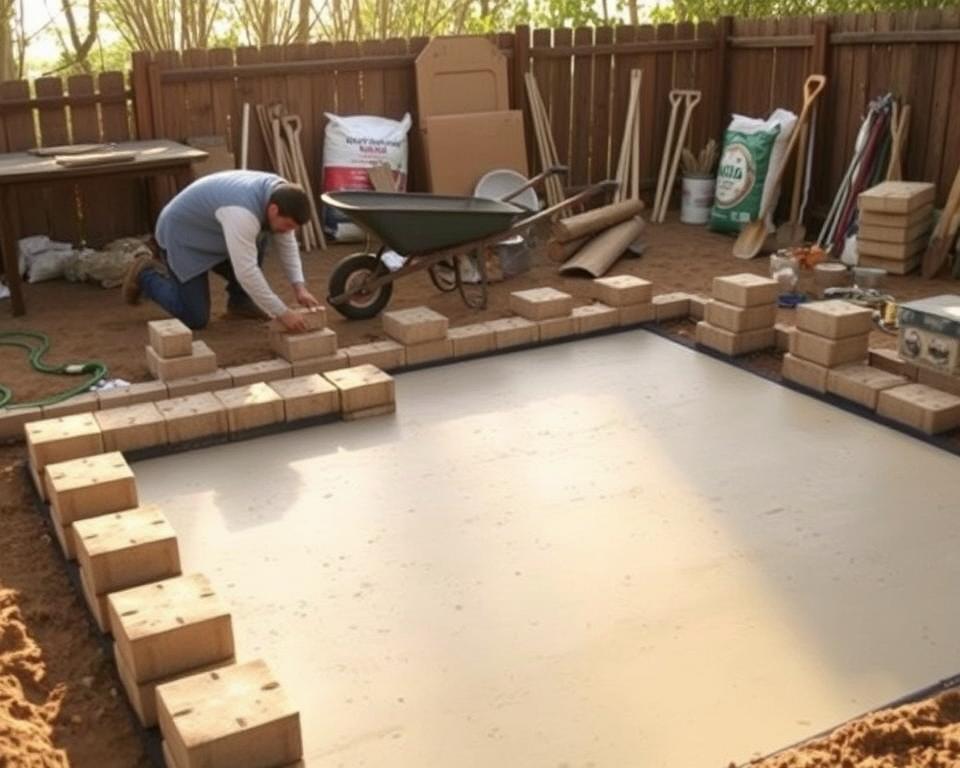
If pouring concrete, you must build formwork. This involves creating a mould from sturdy timber boards. It defines the slab’s edges and contains the wet mix until it sets hard.
Concrete, Gravel or Stone: Choosing Your Method
The choice between materials hinges on your budget, desired permanence, and soil conditions. A concrete slab offers maximum strength but requires more skill to install correctly.
A gravel base presents an excellent DIY-friendly alternative. It provides great drainage and is more forgiving during the installation process. The step-by-step process for a gravel pad involves laying a weed membrane, adding crushed stone, and thorough compaction.
Make sure you constantly check for a true level throughout each step. Correcting errors early is far simpler than fixing a finished, uneven base.
Laying a Gravel Shed Pad as an Alternative Foundation
Many homeowners find crushed stone bases offer the ideal balance between installation simplicity and long-term performance. This approach delivers reliable support while maintaining excellent drainage characteristics.
Installation Tips and Material Choices
Constructing a perimeter frame from pressure-treated timber creates the essential structure for your aggregate base. Overlap joints between timber layers and secure them with exterior-grade screws every two feet for maximum stability.

Rebar stakes measuring 24 inches provide crucial anchoring when driven through pre-drilled holes in the frame. This reinforcement prevents movement and maintains the integrity of your foundation over time.
The material selection proves critical for success. Clean ¾-inch crushed stone achieves optimal compaction and drainage. Spread the aggregate evenly to a depth of 4-6 inches before thorough compaction.
Cost considerations make this method particularly attractive. Total project expenses typically range from £5-10 per square foot. The forgiving nature of gravel allows adjustments during installation if the initial level requires correction.
Building the Perimeter and Retaining Walls for Stability
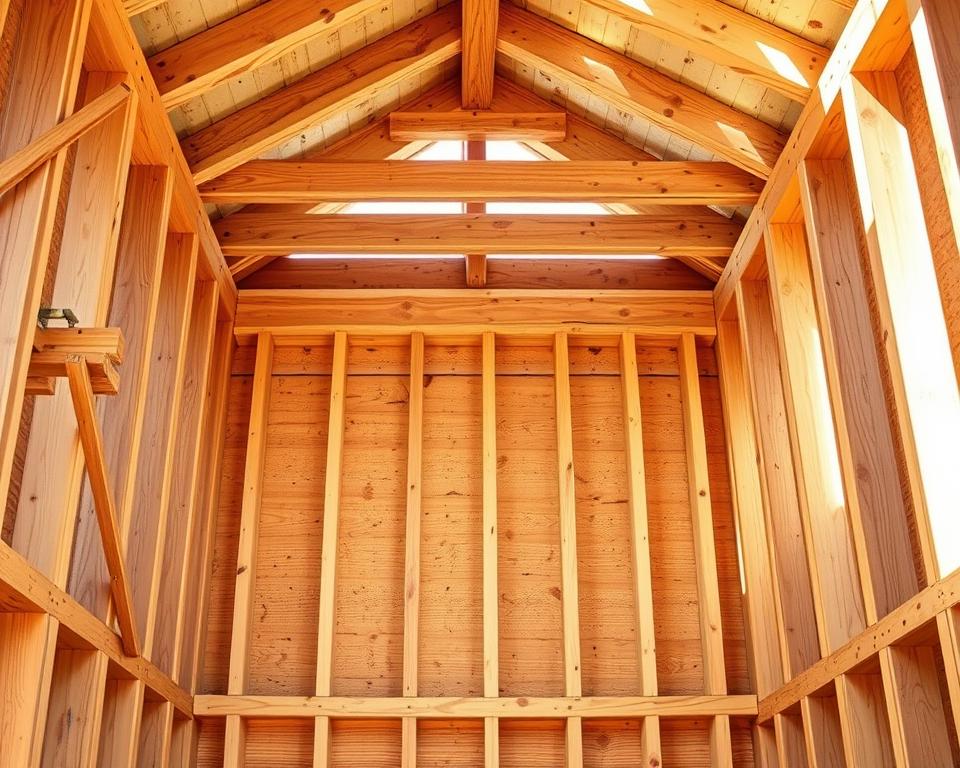
The structural integrity of your outdoor storage solution relies heavily on a robust perimeter framework. This frame acts as the skeleton, defining the building’s footprint and containing the base materials.
It provides essential support, distributing the weight evenly. A well-built perimeter prevents long-term settlement issues.
Constructing a Durable Timber Sub-Frame
Use structurally graded C24 spruce timber, like 100mm x 47mm sections, with enhanced pressure treatment. This ensures longevity against ground moisture.
Internal cross members are crucial. Space them at 35cm to 42cm centres for consistent support. This construction method prevents the base from sagging.
Position support posts carefully. On soil, use recycled plastic posts driven into the ground. For a concrete base, timber feet are sufficient. This is the best way to keep the frame perfectly level.
Each corner joint is a critical stress point. Alternate the overlapping pattern of timber layers. Reinforce these connections with extra long screws for maximum strength.
On a sloped site, the construction requires adaptation. You may need to build a small retaining wall on the lower side. Use ‘deadman’ braces anchored into the slope for stability.
| Scenario | Timber Size | Key Reinforcement |
|---|---|---|
| Standard Building (Flat site) | 100mm x 47mm | Plastic support posts; reinforced corner joints. |
| Heavy-Duty Shed (Problematic soil) | 150mm x 50mm | Concreted posts; diagonal bracing for rigidity. |
| Building on a Slope | 100mm x 47mm (Layered) | Retaining wall with deadman braces; extended underground layers. |
This approach guarantees a stable platform for your shed. Careful construction of the frame is the most reliable way to ensure your building remains secure for years.
Addressing Frost-Proof Requirements for Colder Regions
The challenge of frost heave presents a unique consideration for construction in colder UK areas. This occurs when water in the ground freezes and expands, lifting anything resting on the surface. A standard shed base can crack or become severely uneven as a result.
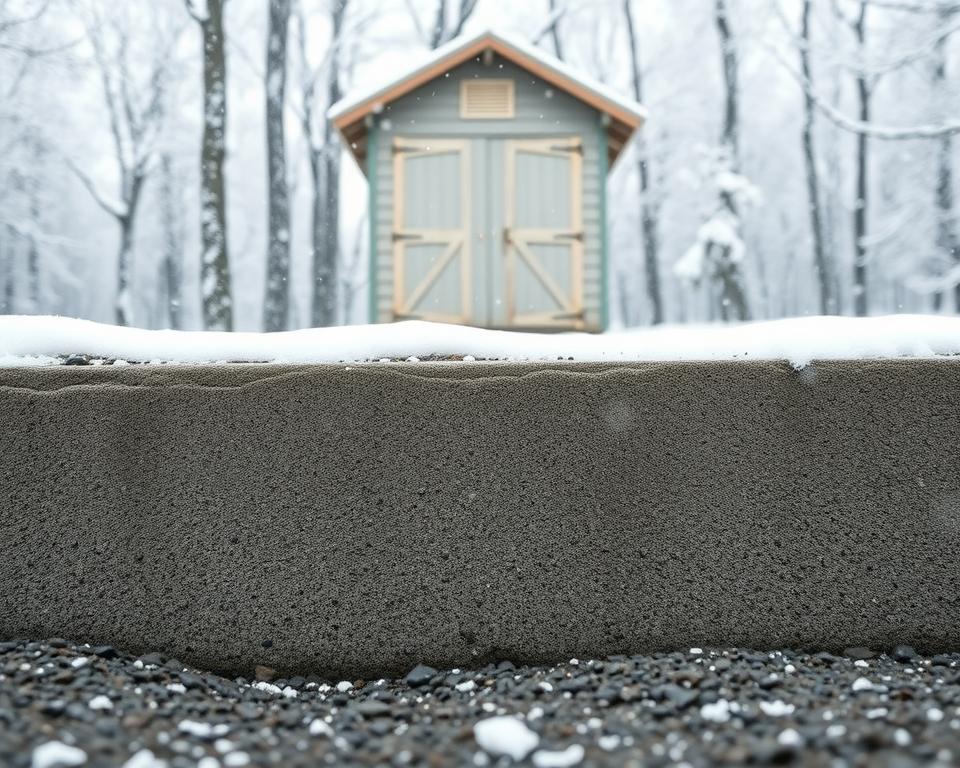
In many parts of Britain, particularly the north, frost can penetrate 450-600mm deep. Foundation elements must extend below this level to remain stable. These specialised foundations are often a legal requirement for larger sheds.
One effective method is the concrete pier foundation. Cylindrical columns of concrete are poured into holes dug below the frost line. The shed‘s frame is then supported on these immovable pillars.
An alternative is a monolithic slab, where the floor and footings are poured as one. The edges are thickened to reach the necessary depth. This creates an incredibly robust platform for your building.
| Type | Best For | Key Feature |
|---|---|---|
| Concrete Piers | Sloped sites, larger sheds | Columns extend below frost line |
| Monolithic Slab | Permanent, heavy structures | Integrated floor and footing |
| Pole-Barn Construction | Traditional, spacious buildings | Posts set deep into ground |
While more complex, these solutions offer superior longevity. They protect your investment from seasonal ground movement, ensuring your structure stays level for decades.
Enhancing Shed Durability with Proper Reinforcement
The integration of steel reinforcement and mechanical anchors ensures your structure withstands environmental stresses. These elements transform a basic installation into a permanent solution that lasts for many years.
Utilising Rebar and Post Anchors Effectively
Rebar stakes provide essential lateral stability for timber perimeter frames. Use stakes measuring at least 24 inches in length, spaced approximately 6 feet apart around the perimeter.
Pre-drill holes through the timber before driving stakes with a sledgehammer. This prevents wood splitting and ensures proper placement. For thicker perimeter constructions, consider 16-inch rebar for additional reinforcement.
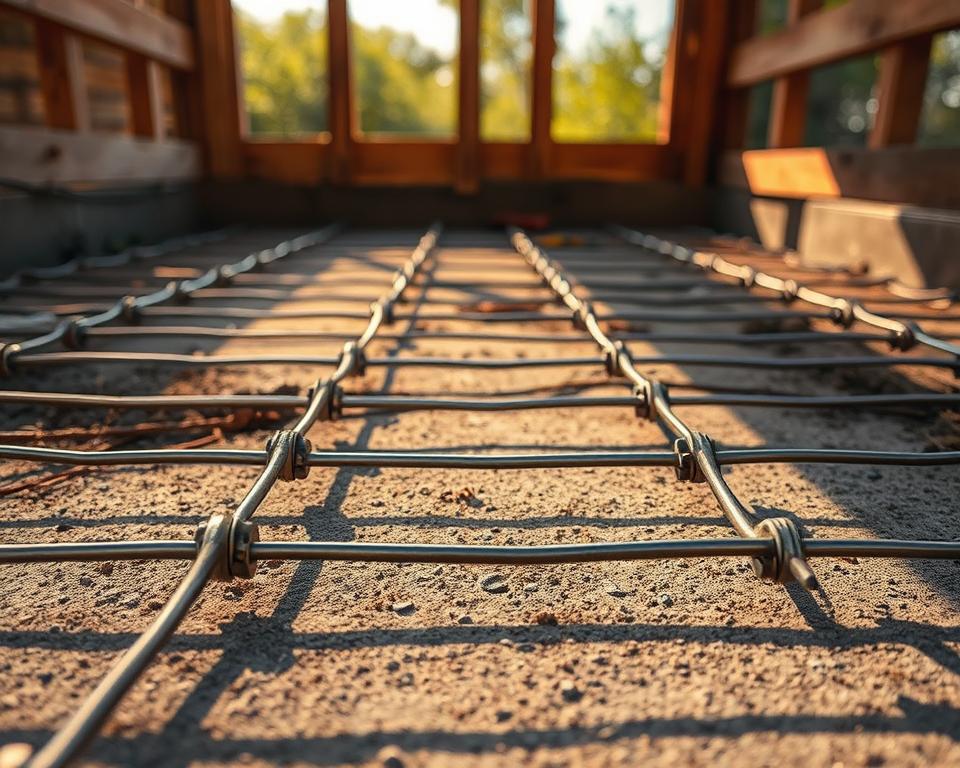
Concrete structures benefit significantly from internal reinforcement. Wire mesh or steel bars distribute tensile stresses throughout the slab. This prevents cracking as the material ages and experiences temperature changes.
Galvanised post anchors create the critical connection between foundation elements and your building’s frame. Position these hardware components before the concrete fully hardens. This ensures proper alignment while the material remains workable.
Some local authorities mandate anchoring requirements for outdoor buildings. The modest investment in proper reinforcement extends your foundation’s service life dramatically. It prevents costly repairs and maintains structural integrity under heavy weight conditions.
Comparing DIY Versus Professional Installation Options
Homeowners face an important crossroads when determining how to approach the creation of their storage structure’s base. This decision significantly influences the entire project timeline, budget, and final quality.
Do-it-yourself installation offers substantial cost savings, potentially reducing expenses by 40-60%. It provides complete control over the construction process. However, this approach demands specific skills and considerable physical effort.
Accurate levelling, proper material selection, and correct compaction techniques are essential. Concrete work represents the most challenging aspect, requiring specialised knowledge about mixing ratios and curing conditions.
Professional services eliminate the stress of sourcing tools and materials. Experienced crews bring proper equipment like mechanical compactors and laser levels. They often complete the work in one or two days, saving valuable time.
Your choice depends on previous experience, available time, and physical capability. Some people opt for a hybrid approach, hiring experts for complex elements while handling simpler tasks themselves. This balanced strategy can deliver excellent results at the end.
The right decision ensures your building receives a solid foundation that will support it for years. Consider all factors carefully before committing to either path for your shed installation.
Avoiding Common Construction Pitfalls
Many structural failures originate from preventable errors made during the initial construction phase. Understanding these typical mistakes helps ensure your investment remains secure for years.
Prevention of Uneven Settlement and Water Accumulation
Poor drainage planning frequently causes water to pool around the structure’s perimeter. This gradually undermines stability and promotes rot. Always ensure the finished ground slopes away from your shed with adequate gradient.
Building on recently disturbed soil guarantees uneven settlement over time. Air pockets collapse and organic matter decomposes, creating an unstable base. Proper compaction eliminates these risks before construction begins.

Mitigating Errors in Material Mixing and Compaction
Incorrect concrete mixing ratios compromise structural integrity. Too much water weakens the cured product, while insufficient hydration prevents proper setting. Consistent batches are essential for reliable results.
Inadequate compaction represents another critical oversight. Loose soil or gravel continues settling long after construction ends. This causes increasing tilt and structural issues. Mechanical compaction ensures a stable foundation.
Using inappropriate materials like hollow blocks or smooth stones affects both drainage and stability. Always verify material specifications match your project requirements. This attention to detail prevents problems down the line.
Tips for Long-Term Maintenance of Your Shed Foundation
A well-maintained foundation ensures your investment remains secure and functional for many years to come. While properly constructed bases require minimal attention, periodic upkeep prevents small issues from becoming major structural problems.
Establish a routine inspection schedule at least twice annually, ideally during spring and autumn. Check for signs of settling, water damage, or material deterioration around your outdoor buildings.
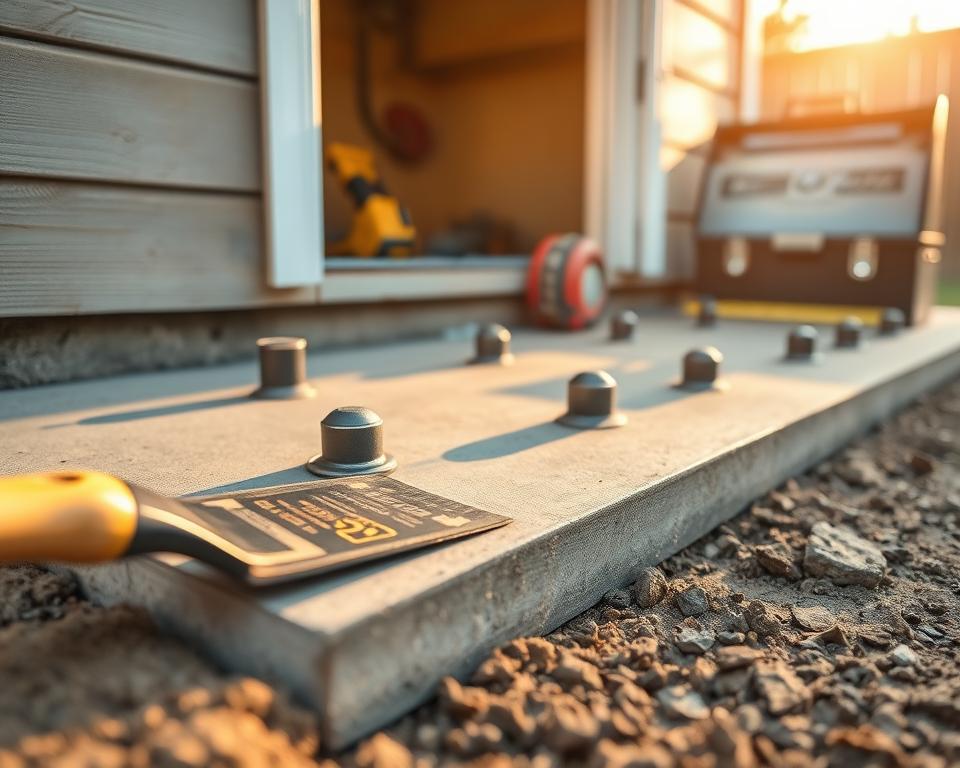
Timber components demand ongoing care with regular preservative treatments. Pay special attention to areas where wood contacts soil or remains persistently damp.
Monitor drainage effectiveness after heavy rainfall to ensure water flows away properly. Vegetation growth and debris accumulation can gradually compromise your system over time.
Different foundation types have specific maintenance needs. Gravel pads may require occasional top-ups as settling occurs, while concrete bases should be inspected for crack development.
Keep detailed records of construction materials and subsequent maintenance activities. This information proves invaluable for diagnosing problems and planning future work on your project.
Conclusion
Your investment in a robust base secures the future of your outdoor building. This comprehensive guide has detailed the essential steps for a successful project, from planning to final installation.
Following correct techniques is vital. Key principles like perfect levelling, effective drainage, and proper material compaction form the bedrock of a durable shed foundation.
The initial planning phase pays long-term dividends. Whether you tackle the work yourself or hire a professional, a well-built foundation guarantees your building shed remains stable for decades.
You can now proceed with confidence. Your structure will stand on a secure, level platform, ready for years of reliable service. This marks a successful end to your preparation.
FAQ
Do I always need a concrete base for my shed?
Not necessarily. While a concrete slab offers excellent stability, a well-constructed gravel base or a treated timber frame can be perfectly suitable for many smaller buildings, depending on the ground conditions and the shed’s intended use.
How deep should I excavate for the foundation?
The required depth depends on your local frost line and soil type. Generally, a depth of at least 100-150mm is recommended for the base materials. In colder regions, you may need to dig deeper to prevent frost heave from disturbing the construction.
What is the best way to ensure proper drainage around the base?
Creating a slight slope away from the building and using a free-draining material like sharp sand or gravel as a sub-base are crucial steps. This helps direct water away, protecting the structure from moisture damage and potential settlement issues over time.
Can I build a foundation on a sloped garden?
Yes, but it requires careful planning. You may need to create a level platform using retaining walls or stepped foundations. This process is more complex and often benefits from professional advice to ensure long-term stability and correct installation.
How long should I let concrete cure before building on it?
It is essential to allow adequate curing time. Typically, you should wait at least 48 to 72 hours before light construction. For full strength, a period of seven days is recommended, especially before placing heavy loads on the slab.
What are the signs of an inadequate shed foundation?
Warning signs include doors and windows that stick, visible gaps between wall panels, a noticeable slope to the floor, or water pooling around the base. These issues often point to uneven settlement or poor initial ground preparation.

