
Bike Stores 6x3 - Best offers in UK
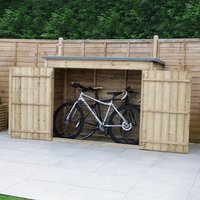
Bike stores 6×3 bring together narrow footprints, tidy wheel spacing and sheltered parking for everyday riders, giving smaller gardens a neat place for cycles, helmets and bits. 6×3 bike storage suits side paths, courtyards and compact plots where every inch counts.
A slim box with a job to do
A 6×3 bike store sits in that in-between space: not a shed with spare room left over, not a rack left out in the weather. It is a small store with a clear purpose, built to hold bikes in a calm, ordered way. The 6ft by 3ft size keeps the structure long and narrow, which makes it easier to place along a fence, beside a garage, or at the end of a path without swallowing the garden.
The shape matters. A long layout works better for bikes than a square one because frames, handlebars and pedals need a bit of line, not a tight corner. In a store of this size, the arrangement is usually front-to-back or side-by-side, depending on how the doors open and how many cycles you want to tuck in. That is where the difference shows between a casual box and a purpose-made cycle store unit.
Why 6×3 feels different from larger sheds
Compared with bigger garden buildings, a 6×3 bike store asks less of the plot. It leaves more open ground, more light, and less of that heavy shed look that can crowd a small yard. It can also feel less obtrusive near a patio or seating spot. Small. But not cramped.
The size brings a practical trade-off. You gain tighter placement and easier visual balance, but you do not get the generous standing room of a larger shed. That means the internal layout needs thought from the start. A 6×3 store is best when the aim is to park bikes, not to stash half the house. For a household with a few bikes, scooters or child carriers, it offers a neat stop-point rather than a catch-all room.
Because the footprint is modest, the store can suit gardens where a wider unit would block a view, interrupt a border, or crowd a narrow run between house and fence. It also works well where access is simple but space is limited. Short path. Straight line. Quick reach.
Shapes that change how the space works
Bike stores in 6×3 sizes come in different forms, and the shape can alter how easy they are to use. A simple rectangular store is the most direct option. It makes the most of the long run and gives a clear internal line for placing bikes end-on or side-on.
A lean-to style, where the roof slopes in one direction, can sit neatly against a wall or boundary. That style often feels visually lighter and can fit into tighter garden edges. It suits spots where the store needs to follow the line of a house, garage or fence rather than stand as a separate block.
There are also low-profile stores that keep the height down. These do not shout for attention, which can help in small gardens or near boundary lines. The lower roofline can make the whole structure feel more tucked in, though it may slightly change what can stand upright inside.
Some 6×3 stores use double doors, while others use a single wider opening. The door style affects loading a bike in and out more than many people expect. A wide opening gives a smoother turn-in for bulky frames and child bikes. A single door may suit a slimmer setup where access is more controlled. Door swing matters too, especially in a narrow garden.
What fits inside without the layout turning messy
This size is often chosen for one to three bikes, depending on frame size and how they are stored. Adult bikes with wide handlebars take more room than slim city bikes, and mountain bikes may need extra turning space because of grippy tyres and broader stances. E-bikes, when stored, can ask for more clearance because of their heavier frames and added components.
There is also room for smaller riding gear if the arrangement is disciplined: helmets, lights, pumps, locks and a child seat can sit on a shelf or in a tidy corner. But once boxes, tools and garden bits start creeping in, the bike space shrinks quickly. That is the key difference between a bike store and an all-purpose shed. One is shaped around cycles first.
Some owners use wall hooks or simple vertical positioning to free up floor area. Others prefer leaving the bikes on the ground in a straight run, which makes day-to-day access more straightforward. If the store is for frequent use, the easiest route is often the best. If it is for seasonal parking, a denser layout can work, though it needs care to avoid handlebar clash.
- Long-wheelbase bikes need extra line space.
- Kids’ bikes can slot into narrower gaps.
- Wide handlebars may set the layout first.
- E-bikes can need a firmer, steadier base.
Different materials, different feel
The material changes both the appearance and the way a bike store sits in the garden. Wooden 6×3 stores tend to look softer and more at home among planting, timber fencing and natural surfaces. They can blend into a garden scene rather than standing apart from it. For many, that quieter look is a major part of the appeal.
Metal versions often feel sharper and more urban in tone. They can suit contemporary spaces, paved yards and low-maintenance areas where clean lines matter. The finish may look more technical, which some people like for a bike-related building, while others prefer the warmer grain of wood.
Plastic or resin stores, where available in this size, can be lighter in appearance and often read as less formal. They can be useful where a garden needs a neat storage point without a heavy visual mass. The difference between materials is not just style; it is also about the mood the store brings to the space. One reads as a garden feature. Another reads as a hard-working box. Both have a place.
How the doors shape daily use
For bike storage, the door is not a small detail. It decides whether the first turn in the morning feels smooth or awkward. Double doors give a wider clear opening and can reduce the need to twist handlebars at an angle. This suits bigger frames, tandem-style arrangements, or families that move several bikes in and out.
Single doors can work well when the store is mainly for one or two cycles and the path leading to it is straight. They often need less front clearance, which helps in narrower gardens. On the other hand, a narrower opening may mean more shuffling around inside when bikes are close together.
Door position also counts. If the opening is on the wider end of the 6×3 footprint, bikes can be parked lengthways and brought out with less fuss. If the doors sit on the long side, the internal arrangement may need a different order. That is why layout should be judged against access, not only against the outside shape.
Ventilation, dry space and the hidden details
A bike store is not only about holding a frame indoors. It is also about keeping the interior usable from one day to the next. Small features such as vents, raised bases and sensible gaps can make a noticeable difference to how the store feels inside. They help the space stay less stuffy and more ready for regular use.
Raised flooring can be useful where the ground is uneven or damp-prone. It gives the store a cleaner sitting point and can make the inside feel more separated from wet paving or soil. In narrow garden layouts, that tidy separation matters. It keeps the edge of the store neat against patios, sleepers or gravel runs.
Locking hardware is another detail that often gets noticed too late. For a bike store, the closure should match the use. If the cycles are valuable or used every day, a more secure fit gives peace of mind. If the store is simply for sheltered parking in a private garden, the emphasis may be on easy opening rather than heavy locking. There is a balance to strike.
Where a 6×3 store settles best in the garden
This size often works best along the border line, where a longer shape can run with the edge instead of against it. It also suits a space beside a driveway or a narrow strip leading to the back garden. In both cases, the footprint feels purposeful rather than accidental.
Placement can change the way the whole garden is read. A 6×3 store tucked under a fence line may recede quietly, while the same store placed as a centre feature will draw the eye immediately. Most people want it to sit in the background, with easy access but little visual noise. That makes orientation important. Face the doors to the route you use most.
If the store is near planting, a timber finish can soften the edge. If it sits near paving and hard landscaping, a cleaner material or sharper roofline may suit better. The trick is not to force the store to disappear, but to let it belong.
- Place it where the cycle route is shortest.
- Leave room for the doors to open fully.
- Check handlebar width before choosing the position.
- Avoid squeezing it into a tight corner with no turning space.
Useful differences to look for before choosing
Not every 6×3 bike store behaves the same once it is in place. Height changes how upright the interior feels. Door style changes how easily a bike rolls in. Material changes the look against the rest of the garden. Fixing points and the way the base sits on the ground can alter stability and the overall feel too.
A taller 6×3 unit may give more head room for storing accessories or for moving around inside, while a lower one can feel less prominent from the outside. A sloped roof may shed rain in one direction, which is useful if the store sits near a path or boundary. A flat-topped style can look more compact, though the inside feel may be different. These are small differences, but they shape everyday use.
There is also the matter of how the bikes are lined up. Some stores suit front wheel-in parking; others work better with rear-wheel-first positioning. That depends on internal width and the path into the building. A good setup avoids clipping pedals and keeps the exit clean. That saves time, and fewer awkward turns.
Small size, clear advantages
One strong point of a 6×3 bike store is how it solves a very specific problem without taking over the garden. It gives bikes a shelter of their own, keeps them together, and helps the rest of the outdoor space stay open. For homes where cycles are used often, that straightforward organisation can make a daily difference.
The footprint also makes planning easier. It is simpler to visualise where a 6×3 unit will go than a larger shed, and that can reduce the risk of awkward overhangs or blocked routes. The narrower shape means it can sit in places other garden buildings would struggle to fit. Side return. Border strip. End of drive. Job done.
For families, the store creates a single parking point rather than bikes being left in different corners. That can cut visual clutter and make the garden feel less scattered. For solo riders, it can serve as a clean, predictable home for a bike that is used several times a week. No more leaning it against the wall and hoping it stays put.
Handy notes for making the most of the space
Think about the largest bike first, not the smallest one. That frame usually decides the whole layout. Leave a bit of breathing room around pedals and bars so the door opening does not become a wrestling match. If a child bike is in the mix, place it where it can slide out without blocking the adults’ machines.
Keep the route to the store simple. A straight approach is easier than a bend, especially when rolling a bike out in a hurry. If the store is used daily, make sure the front area stays clear enough for the doors and the first turn. A tidy approach can matter more than any internal shelf.
And if the garden is particularly narrow, measure twice and think about opening space just as much as storage space. That one detail often decides whether the store feels easy or awkward. A few centimetres can change the whole flow.
Compact. Quiet. Ordered. A 6×3 bike store does not need to be large to be useful. It just needs to fit the bikes, the route, and the way you move through the garden.