
Carports - special offers - Best offers in UK
Showing 1–8 of 10 resultsSorted by price: low to high
-
10% discount: 17×10 Palram Canopia Verona 5000 Metal Carport £1,169.0010%

-
9% discount: 17×12 Palram Canopia Arcadia 5000 Metal Carport £1,999.009%

-
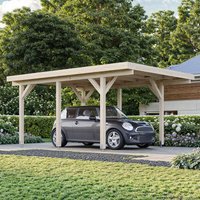
8% discount: 12′ x 17′ Palmako Karl Wooden Carport (3.6m x 5.1m) £2,189.008%
-
9% discount: 16×10 Palram Canopia Arizona Wave 5000 Grey Metal Carport £2,549.009%

-
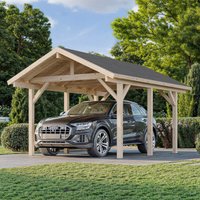
12% discount: 12′ x 17′ Palmako Robert Wooden Carport (3.5m x 5.1m) £2,589.0012%
-
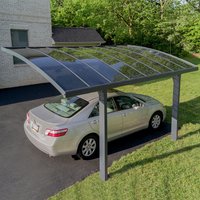
9% discount: 16×10 Palram Canopia Arizona Breeze 5000 Grey Metal Carport £2,719.009%
-
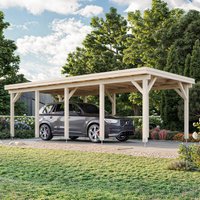
15% discount: 12′ x 25′ Palmako Karl Wooden Carport (3.6m x 7.6m) £2,789.0015%
-
8% discount: 20′ x 17′ Palmako Karl Wooden Carport (6m x 5.1m) £3,489.008%
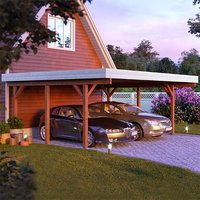
Carports special offers for aluminium, timber and steel structures, with flat, arched and gabled roofs, open bays, side panels and storage add-ons for cars, vans and bikes.

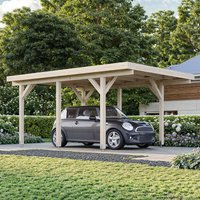
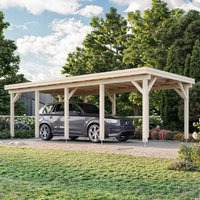
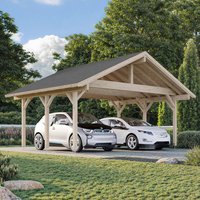
Shape first, price second
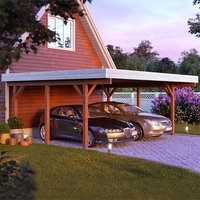
Carports do not all stand in the same way, and that is where the special offers become interessting. A flat roof carport keeps the outline low and modern, while a gabled roof version carries a more traditional line that fits well beside pitched houses and older brickwork. Arched roofs bring a softer silhouette and let rain run off with less fuss, which can matter in exposed plots. Then there are apex and pent roof forms, each changing the look, the headroom, and the way the structure sits against a wall or in an open drive.
In a single carport special offer, the footprint stays compact and the bay suits one vehicle without taking over the whole front garden. A double carport opens the span and gives a wider parking zone, which can work for two cars side by side, or one car plus a trailer. Tandem layouts stretch the bay lengthways instead of widthways, so they suit narrower drives where the entrance is long but the frontage is tight. That difference sounds small, yet it alters the whole feel of the space.
Short and neat. That is one route. Wide and airy. That is another. Low, light, and tidy. That too.
Materials that change the mood
The material decides much more than the colour. Timber carports carry warmth and texture, with visible grain and a softer edge that sits well in gardens where sheds, fencing, and planting already share the view. Steel carports feel firmer and more industrial, with slimmer profiles that can carry a clean line across the drive. Aluminium is lighter in appearance and often chosen where a crisp frame and reduced visual bulk matter. Each one behaves differently in the offer list, because the value is not only in price but in what the frame brings to the site.
Timber carport offers often appeal when the building should echo a wooden gate, pergola, or barn-style frontage. Steel carport deals tend to suit spaces where straight lines, heavy-duty posts, and a stronger visual statement are wanted. Aluminium canopy carports sit somewhere between the two, with a restrained finish that does not shout for attention. The differences are plain once you compare the posts, the beam thickness, and the roof edge.
- Timber: warm look, visible structure, natural texture
- Steel: firmer frame, slim lines, more architectural presence
- Aluminium: lighter look, clean edges, less visual weight
- Powder-coated finishes: colour stability and a neater surface line
Open sides, half sides, full sides
One of the most useful distinctions in a carport category is how much the sides are closed. Fully open carports are quick to read visually and make parking easy from several angles. Half-sided designs add a panel or screen on one or more faces, which can help with wind direction, privacy from the road, or a more settled outline beside the house. Fully clad carport variants sit closer to a garage-like feel, though they still keep the open access that carports are known for.
When special offers include side panels, you are not just buying a roof and four posts. You are choosing how the structure meets the environment. A side panel facing the prevailing weather can make the bay feel less draughty. A closed rear panel can help define the parking line and stop the area looking unfinished from the garden. On narrow plots, one sided closure can guide the eye and keep the space from looking too exposed.
The style changes fast. So does the use.
Roof lines that do more than cover
The roof shape is not only about shelter; it also controls height, runoff, and the way the carport sits beside windows, fences, and eaves. A flat roof makes a low horizontal band that can suit modern extensions and contemporary façades. A pitched roof raises the centre line and gives extra internal volume, which can feel better over taller vehicles or where visual balance matters. A curved roof softens the appearance and can reduce the heavy box effect that some larger structures create.
In flat roof carports, the profile stays measured and tidy, making them useful where planning sensibilities or sightlines are sensitive. In gabled carports, the triangular roof shape brings a familiar house-like form. In arched roof carports, the cover looks lighter from the front and can lend a smoother finish across longer spans. These are not tiny differences; they alter how the whole frontage reads from the street.
- Flat roof: low profile, modern line, restrained height
- Gabled roof: classic silhouette, stronger centre peak, more presence
- Arched roof: softened curve, flowing outline, lighter appearance
- Pent roof: simple slope, neat runoff path, compact form
Where the special offer really matters
Special offers on carports are often most useful when they match a specific site constraint rather than simply cutting the ticket price. A reduced-price bay with the wrong width can still feel awkward every day. By contrast, an offer on a structure that matches your drive entrance, turning circle, and door clearance can save far more frustration later on. That is why size bands, roof shape, and opening direction matter alongside the discount.
If you park a hatchback, the span can stay smaller than for an SUV. If you use a van, the height clearance becomes a real factor, and you may want a higher roof edge or fewer low cross members. If you need a carport for two vehicles, check whether the width allows doors to open comfortably on both sides. A carport that is too tight can make daily use feel clipped and clumsy. One that is too large can dominate the plot and leave odd dead space around the edges.
Small numbers. Big effect.
Useful types for different drives
Carport offers often group by layout, because the shape of the drive changes what can be installed without wasted space. A freestanding carport works where there is enough room on all sides and the unit does not need to attach to a wall. A wall-mounted or lean-to carport uses the house or garage as one side of the structure, trimming the number of posts and creating a tighter line along the frontage. Corner placements, meanwhile, can make use of awkward land that is otherwise hard to use for parking.
There are also differences between single-bay, double-bay, tandem, and extra-wide forms. A single bay suits one car with enough breathing room. A double bay gives shared parking or a combination of car and motorcycle. Tandem forms are longer than they are wide and can suit side paths or long side returns. Extra-wide versions can work if you need room for opening doors, loading boots, or parking with a bit of side clearance for everyday rush.
- Freestanding: flexible positioning, clean access all round
- Lean-to: uses an existing wall, compact appearance, fewer posts
- Single bay: one vehicle, modest footprint, straightforward layout
- Double bay: two vehicles or mixed parking uses
- Tandem: narrow width, longer depth, suited to confined frontage
Why buyers look for offers on carports
People compare carport special offers for different reasons, and those reasons are often tied to the build itself. Some want a shelter that reduces direct rain on doors and windscreens. Others want a covered point between house and car, so loading bags, bikes, or pushchairs feels less exposed. Many are drawn to the fact that a carport can leave the area visually open while still giving useful cover, unlike a fully enclosed garage that may feel heavier on the plot.
A carport can also make sense where access needs to stay quick. There is no full garage door to raise, no deep enclosed space to reverse into, and no large internal volume that goes unused. The open format helps with manoeuvring, especially on shorter drives. For households with more than one driver, that openness can reduce the little daily clashes that happen when space is tight. It also keeps the front of the property from looking shut in.
Less fuss. More room. Clear sightlines. Easier parking.
Details worth checking before you choose
It helps to look closely at the parts that are easy to overlook in a rush. Post spacing affects how wide the access feels and where doors can open. Roof overhang changes how far the shelter extends beyond the vehicle. The style of anchors or base plates affects the visual finish at ground level. And the treatment of gutters or drip lines can change how neat the outer edge appears.
Another useful point is how the carport relates to the garden or driveway materials already in place. Timber frames can sit more naturally beside planting, fence panels, or stone edging. Metallic frames may pair better with gravel, concrete, or paving slabs with straight joints. Colour also shifts the mood: anthracite feels crisp, while natural wood tones soften the frontage. White frames can brighten a shaded drive, though they show contrast more clearly against dark roofs or brick.
That is why a special offer should not be read as a simple markdown. It is a chance to match the frame to the site in a way that feels joined up rather than patched on.
Practical tips for reading the offer list
Do not start with the price line alone. Start with width, then height, then roof form. If a product name says single, double, lean-to, or freestanding, treat that as the first filter. If the offer includes a side wall or rear panel, think about where wind and view lines come from on your plot. If the roof has a taller pitch, check whether nearby windows or boundary lines could make that extra height noticeable.
It can also help to compare similar-looking carports by the number of posts and the span between them. Two units may seem alike at a glance, yet one may have a lighter frame and wider opening, while the other has more robust supports and a tighter entrance bay. That changes how easy it is to drive in, open doors, or use the sheltered area for more than one task. A little comparison goes a long way.
- Measure the drive entrance before comparing widths
- Check clearance for boot lids and side doors
- Look at roof pitch against nearby eaves and windows
- Match frame material to the existing frontage
- Decide whether open sides or partial screening suits the site
What makes one offer stand apart from another
Two offers can sit close together in price yet differ sharply in use. One might be a compact aluminium single bay with a flat roof, while another is a timber double carport with a pitched top and side screen. The first keeps the footprint light and the look restrained. The second gives more substance, more width, and a warmer visual line. Neither is automatically better. They answer different spaces and different habits.
That is the quiet value in a carport category built around special offers: the chance to compare structure, not just sticker price. Look at the shape. Look at the side openness. Look at the frame material. Look at the bay count. Then ask how the shelter will sit against your house, fence, and drive. If the line feels right on paper, it is more likely to feel right every day.
Simple check. Better fit.
For homes, side returns, and wider plots
Some carports are best read as frontage features, while others suit side returns or deeper plots. A frontage carport may need to stay low and neat so it does not overpower the entrance. A side-return installation can afford to run longer and use the available strip beside the house. Wider plots may take a double-bay form without crowding the view, leaving the shelter to work almost like a framed parking zone rather than a bulky add-on.
In all these settings, the special offers become a way to match use and shape. If the site is narrow, a slim steel frame with a pent roof may make better sense than a heavy, deep timber build. If the house already has warm materials and softer lines, a wooden carport with a gabled top may sit more comfortably. If the drive is open and modern, aluminium with a flat roof can keep the visual line clean. The differences are clear once you look at them side by side.
Last glance before the bay fills up
Carports in special offer sections are worth a slower look than the headline price suggests. The best choice is the one that suits the drive’s width, the vehicle’s height, the house’s shape, and the way you want the frontage to read from the road. Some buyers want open sides and a lighter outline. Others want panels, a deeper roof, and a more anchored look. Both routes have their place.
Choose by form. Choose by fit. Choose by frame.
Then the shelter does what it should: it stands there quietly, holding its line, leaving the drive clearer and the property more settled. Not flashy. Not crowded. Just right for the space it has.