
Chairs - special offers - Best offers in UK
Showing all 5 resultsSorted by price: low to high
-
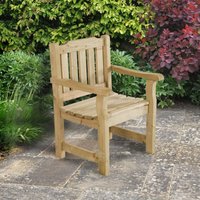
41% discount: Forest Rosedene Wooden Garden Chair 2′ x 2′ (0.64m x 0.6m) £116.9941%
-
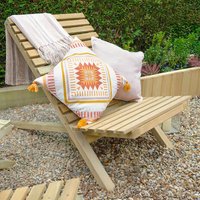
20% discount: Forest Slatted Wooden Garden Chair 2’3 x 3’11 (0.68m x 1.19m) £119.9920%
-
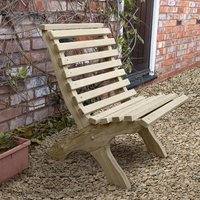
24% discount: Forest Kuba Curved Wooden Garden Chair 2’0 x 2’5 (0.60m x 0.74m) £119.9924%
-
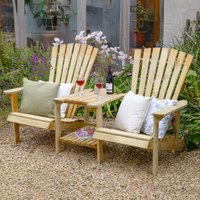
27% discount: Forest Florida Wooden Garden Love Seat 6’2 x 3’1 (1.87m x 0.95m) £199.9927%
-
32% discount: Forest Harvington Wooden Garden Love Seat 6’x2′ (1.71×0.69m) £299.9932%
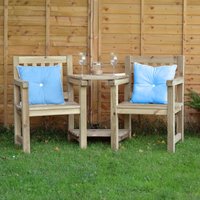
Outdoor chairs on special offer for balconies, patios, terraces and garden corners, with folding, stacking, dining and lounge styles in materials for every set-up.


Seating changes the whole scene. One chair can pull a table into place, calm a busy patio, or turn a quiet corner into somewhere people keep returning to. These garden chairs sale picks cover neat lines, softer loungers, practical folding frames and compact bistro seats, each with a different feel under the same open sky.
Some are built for long meals, some for quick coffee stops, some for smaller spaces where every centimetre counts. The shape matters. So does the sit. And yes, their is a big difference between a chair that leans back a little and one that keeps a crisp, upright posture around a dining table.
Shapes that set the tone
Chair form is the first clue to how it will live outdoors. A slatted dining chair reads light and airy, a tub chair feels more enclosed, and a wide lounge chair slows the mood right down. In outdoor seating offers, the outline often tells you more than the colour. Narrow legs make a chair look sharp and tidy; broader frames carry a more grounded, relaxed look.
The usual garden sub-types each bring a different rhythm:
- Dining chairs with straighter backs for table use
- Lounge chairs with deeper seats and a lower profile
- Folding chairs for easy storage and quick set-outs
- Stacking chairs for shared spaces or frequent rearranging
- Armchairs with side support and a broader sitting area
- Bistro chairs with a lighter footprint and compact shape
That variety is useful when a space has more than one job. A patio used for breakfast, reading and evening drinks does not have to be dressed in one note. Mixing chair forms can create a gentle change in pace without crowding the area.
Materials with different voices
Material changes how a chair looks, feels and sits beside planting, stone or timber. Metal frames often draw a clean line and can suit sharper, modern schemes. Wood usually softens the scene, bringing grain and warmth. Synthetic weave gives a looser, woven look that suits a more relaxed setting. Textilene and similar sling surfaces sit differently again, with a taut, breathable feel.
Within patio chair special buys, the material choice often links to the chair’s shape. A metal stacking chair can feel neat and slim, while a woven lounge chair comes across more generous. Some frames read delicate from a distance but feel sturdy in use. Others look bold and solid, which can balance a table with a stronger outline.
When browsing by material, the details are worth a glance:
- Slats create gaps and visual lightness
- Mesh and sling styles give a more open seat surface
- Weave patterns add texture and a softer edge
- Solid-panel forms feel more enclosed and sculpted
- Mixed-material chairs can add contrast without fuss
For spaces with a lot of planting, a chair with an open back or thinner frame can keep the view breathable. For courtyards with stone, brick or darker fencing, a broader or woven style can bring in a softer note. Small choices like these make a set feel thought through, not just placed.
Folding, stacking and other space-savers
Not every garden has room for permanent seating in large numbers. That is where folding and stacking designs come in. A folding chair can disappear into a shed, boot or slim utility corner. A stacking chair can line up neatly when extras are needed for guests. Both types work well when space shifts from weekday use to weekend company.
These chairs often suit smaller terraces, shared gardens, roof spaces and balconies where storage has to be tidy. Folding mechanisms are about movement and speed. Stacking forms are about order and keeping several seats together without turning the corner into clutter.
Short and clear. That helps.
Some shoppers look for space-saving garden chairs because the shape needs to serve more than one purpose. In that case, check the way the back bends, how the seat edges are finished, and whether the chair sits flat when folded or nested. The difference between a quick fold and a clumsy one becomes obvious after the second use.
Lounge seats that slow the day down
Lounge chairs sit lower, often with a wider seat and a more relaxed angle. They are shaped for longer stretches outdoors, when the aim is not simply to sit but to settle in. Some have arms, some do not. Some look angular and architectural, while others have rounder curves that feel more easy-going.
In special offer ranges, lounge chairs can vary by depth and stance more than by ornament. A deeper seat keeps the body slightly back. A firmer angle keeps the profile neater around a fire pit or side table. This is where shape speaks clearly. One chair invites a meal. Another invites a pause.
If you are comparing lounge forms, think about these differences:
- Low seats create a more relaxed line
- Upright lounge backs keep conversation easier at table height
- Armrests can make the chair feel more anchored
- Wider bases often lend a sturdier visual stance
Outdoor lounge seating works well where there is room to angle the chairs slightly towards each other. That arrangement can make a corner feel less formal and more like a gathered nook.
Bistro styles for small spaces and quick moments
Bistro chairs are all about compact charm. Their proportions are usually lighter, their seats smaller, and their overall feel less demanding on floor space. They are often chosen for narrow balconies, side patios and sun-trap spots where a full dining set would crowd the area.
A bistro chair can look crisp with a round table, or neat beside a wall planter and a small bench. It can be the chair you pull out for morning coffee, then tuck back once the day opens up. In compact outdoor chair deals, this is where shape and scale do the talking.
Small does not mean plain. Curved backs, slatted seats, slim arms and cross-braced frames each bring their own character. Some look continental and light. Others have a more practical, direct feel. The difference is often in the backrest and leg line rather than in the size alone.
Dining chairs that hold the table together
Dining chairs outdoors need a different balance from lounge seating. They should sit comfortably at table height, leave enough room to move in and out, and keep the line around the table clear. A chair that is too deep can pinch leg room. One that is too low can make the table feel awkward. The right dining shape keeps all that in check.
Many dining styles in special offers use slats, fine mesh, or structured frames that look neat around square, round or rectangular tables. An armchair at one end can give the arrangement a more settled look, while armless chairs keep the group tighter. That mix changes the mood without changing the function.
Look at the seat-back relationship closely. A slightly curved back can soften longer meals. A straighter one can support a tidy, upright sitting position. For mixed-use patios, dining chairs with a cleaner silhouette are easier to pair with different tables and parasols.
When form meets comfort
Comfort in a chair is not one thing. It comes from seat width, back angle, arm height and how the chair holds the body. A chair that feels fine for ten minutes may feel very different after an hour. That is why outdoor chair offers often include several profiles under the same category. They suit different ways of sitting, not just different looks.
Here are a few useful ways to compare them:
- Deeper seats suit a more laid-back sit
- Shallower seats keep posture more forward and active
- Curved backs can soften the feel without adding bulk
- Flat backs often support a cleaner dining line
- Arms add ease, but can limit how closely chairs tuck under a table
Comfort also changes with setting. A chair that feels busy in a small courtyard might look just right on a broad deck. Likewise, a slim chair can feel sparse alone but balanced when grouped with a bench or low table. The best choice depends on the space around it, not only the chair itself.
Finishes that shift the mood
Colour and finish are part of the story too. Dark finishes can give a stronger outline against planting and pale paving. Light tones often blend into summer scenes and make a space feel less heavy. Wood-look finishes can warm up modern layouts, while matte metal or woven textures add contrast against glossy tiles or smooth stone.
In special offer outdoor chairs, finish is often what changes a familiar shape into something that feels new. A familiar slatted dining form can look calmer in a muted tone. A woven chair can seem more structured in a darker shade. Small finish changes can affect how the chair reads from both near and far.
It is worth thinking in pairs or groups. Matching chairs can keep the eye moving easily, while a pair of different forms can create a looser, more collected look. That is handy if the garden already has strong visual elements like large pots, trellis panels or patterned paving.
Useful choosing tips without the fluff
Shoppers often look first at price, but the chair’s proportions and shape tell the better story. Before adding a chair to basket, it helps to map out the space and think about where elbows, knees and table edges will meet. A small measurement note can save awkwardness later.
Quick checks to keep in mind:
- Measure the floor area, not just the table size
- Leave room for pulling chairs out comfortably
- Match the chair height to the table edge
- Choose folding or stacking forms if storage is tight
- Use armchairs where there is a bit more space around them
If the setting changes often, lightweight chairs can be easier to move. If the arrangement stays fixed, a stronger visual frame can help anchor the zone. If you are seating a mix of ages or heights, a few different chair types may work better than one identical row.
Small details that make a big difference
It is often the tiny things that change the feel most. A rounded edge can soften a frame. A curved backrest can make a chair look less rigid. A cross brace can add graphic interest. Even the gap between slats can alter how open or dense a chair looks.
These details matter when a chair sits beside textured planting or patterned tiles. A delicate frame can disappear in a busy corner, while a more defined outline can hold its own. That is the quiet advantage of browsing chairs by type and shape rather than by price alone. The chair should fit the scene, not fight it.
Another small note: mix levels if the space allows. A low lounge chair near a higher dining set can create a layered feel. A pair of bistro chairs near a door can act as a quick landing point. A few chairs, chosen with their own jobs in mind, can make one garden work in more than one way.
Special offers with character, not clutter
Special offers do not have to mean leftover or vague. In chair categories, they can simply mean a practical chance to choose from a broader spread of forms, materials and uses. That may be a folding chair for a tight terrace, a woven lounge seat for a reading corner, or a stacked set for guests that turns up more often than expected.
The main differences are clear once you look closely:
- Dining chairs: sharper posture, table-led shape
- Lounge chairs: lower, broader, more laid-back stance
- Bistro chairs: compact size for smaller outdoor spots
- Folding chairs: easy to move and put away
- Stacking chairs: tidy storage and repeat use
- Armchairs: extra width and side support
Outdoor chair bargains can help you choose by use rather than by guesswork. A good chair does not shout. It settles into the space, gives the table a reason to stay, and lets the rest of the garden do its own work. The right shape, the right frame, the right sit — that is what leaves a mark. And then the space feels less like an arrangement and more like a place.