
Cold Frames - special offers - Best offers in UK
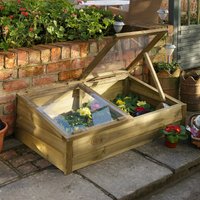
Cold frames special offers for hardening off seedlings, sheltering salads, and stretching the season in a garden shop. Explore timber, aluminium, low and hinged styles, plus space-saving options for small plots.
Glass Under a Low Roof
A cold frame is a modest structure with a clear lid, set close to the ground, catching daylight and holding a little extra heat. In this category, the bargain side matters too: special offers often include reduced lines, end-of-season stock, and simple designs that still do the same quiet job. The appeal sits in the form. Not in fuss. Not in noise.
Unlike a greenhouse, a cold frame works low and close, with a smaller footprint and a more grounded feel. It suits gardeners who need a sheltered pocket for seedlings, young brassicas, early herbs, or late salads. The sloping top helps shed rain, while the transparent cover gives light without the bulk of a full structure.
Shapes That Sit Neatly in the Bed
Cold frames come in several forms, and each one changes how the space works. Some are rectangular and broad, made for rows of trays. Others are slim and long, fitting along a wall or fence line. A few are more squat and compact, useful where paths are tight and the soil space is limited.
- Wooden cold frames for a softer look and easy blending into borders
- Aluminium cold frames for a cleaner outline and lighter handling
- Raised cold frames for use on hard standing or above poor ground
- Lean-to cold frames that sit against a wall and borrow a touch of stored warmth
- Portable cold frames for shifting between beds, patios, and sheltered corners
These forms do not behave the same. A raised frame lifts the growing area up, which can help where the ground is wet or uneven. A lean-to uses the warmth of masonry at its back. A portable version gives more freedom, though it may not feel as settled in strong weather.
Timber Grain, Metal Lines, and the Feel of Each
Material changes the whole character. Timber frames tend to look warmer and more traditional, often chosen where the garden has a softer, older rhythm. They sit comfortably among beds and low fences. Metal frames usually read as sharper and more spare, with slimmer lines and a tidier edge.
There is also a practical difference in weight and handling. A wooden lid and box can feel sturdy and grounded, while lighter metal parts may be easier to move or re-site. Clear lids vary too: some are glass, others are polycarbonate or similar panels, which alters the weight, clarity, and overall finish.
Short sentence. Very short. Another one. Cold.
Why Gardeners Choose a Cold Frame
The benefit of a cold frame is not only shelter. It gives a controlled in-between space: not quite outdoors, not fully enclosed. This suits plants that need a little protection from wind, rain, and sudden temperature shifts, but do not want the heavy warmth of a heated house.
- Season stretching for early sowings and later harvests
- Hardening off young plants before they meet open air
- Lower profile than a greenhouse, so it tucks into small gardens
- Selective shelter for trays, pots, and direct-sown rows
- Simple access through hinged lids for quick checks and airing
These advantages are felt most sharply in spring and autumn, when daytime sun and night chill keep changing places. A cold frame lets that shift be managed in a smaller, calmer pocket.
Hinged Lids, Lift-Off Tops, Sliding Panels
The top is the part that decides much of the day-to-day use. Hinged lids open fast for ventilation and easier access. Lift-off tops are plain and direct, often preferred where the frame is not opened often. Sliding panels are less common, but they can make sense where clearance is tight.
Some lids open in sections, which helps when only one side needs a fresh breath of air. Others have stays or prop arms to hold the cover ajar. That matters because too much trapped warmth can soften growth too quickly, particularly under bright sun. Small openings can change the feel inside without stripping away the shelter.
Where the Offers Matter Most
Special offers often sit on end-of-line shapes, seasonal reductions, or bundle deals with matching covers and frames. For this category, the shape and dimensions deserve more attention than the label. A low model may suit lettuce and cuttings. A deeper one may hold taller seedlings or pots with a bit more headroom.
It helps to check the opening angle, the frame depth, and the footprint on the ground before choosing. A cold frame that is too shallow can feel cramped. One that is too broad may sit awkwardly in a narrow bed or take over a path edge. The right offer is not only the reduced price, but the right proportions for the spot it will sit in.
Low, Medium, Deep: A Small Difference With a Big Effect
Depth changes how air and light move. Low frames keep plants close to the lid and hold warmth in a tighter space. Medium frames give more room for slightly taller trays and a little more air gap. Deeper versions can hold mixed pots, pricked-out seedlings, or plants that need room to rise without touching the cover.
- Low-profile frames for compact sowings and shallow trays
- Medium-depth frames for mixed crops and flexible use
- Deep frames for taller growth and varied container sizes
This is one of the main differences between models, and it changes the whole feel of the space. A shallow frame warms quickly but also shifts faster with the weather. A deeper one buffers the day a little more, though it may need extra attention when the sun is strong.
Useful Tips Without Any Grandstanding
The simplest tip is to match the frame to the crop. Lettuce, spinach, and radish seedlings usually sit well in lower, tighter forms. Brassica seedlings, hardy annuals, and pricked-out plugs may appreciate more height. If the frame is for hardening off, a lid that opens in stages can be useful, since the change to open air can happen by degrees rather than all at once.
Also think about siting. A frame placed where it gets morning light and some protection from biting wind will behave differently from one on an exposed corner. Against a wall, temperatures may rise and hold longer. In open ground, the same lid may need more careful airing. Small differences. They add up.
What Sets a Cold Frame Apart from a Mini Greenhouse
People often place these side by side, yet they are not the same thing. A mini greenhouse tends to stand taller and often uses multiple shelves, while a cold frame sits low and works from the ground up. That low position matters for root-zone warmth and for crops that want shelter without being lifted far from the soil.
A cold frame is usually better suited to trays, direct-sown rows, and young plants that are ready for a quieter stage before open planting. A mini greenhouse can serve more levels, but it may also catch more wind and behave differently in sun. One is more like a low shelter. The other is a small tower.
Choosing by Crop, Not Just by Look
Different crops make different demands on the frame. Salad leaves need frequent access and quick airing. Seedlings of peas or beans may need a bit more height as they lengthen. Alpine plants and hardy herbs may only need cover from rain and sharp cold, not heavy insulation. That is why a category like this benefits from browsing by use, not just by finish.
- Salad crops for low, fast-warming spaces
- Seed trays for hinged lids and easy checks
- Young plugs for frames with extra depth
- Hardy herbs for light shelter rather than deep enclosure
It helps to picture the crop as it grows, not only on the day it is placed in the frame. Leaves widen. Stems rise. Air flow shifts. A good frame accounts for that quiet change.
Little Details That Alter the Feel
Frame edges, lid joints, and glazing finish all change how the item behaves and looks. A wide lip can make lifting easier. A clear panel with neat joins may let in more light without the clutter of thick framing. Some designs have a more old-fashioned profile, with chunky sides and a homely look; others are pared back and spare.
Those details are not trivial. They affect how the frame sits among paving, how much light reaches the plants, and how quickly the inside can be checked. Even the opening weight matters. A lid that feels heavy may be better in a windy spot, while a lighter one may be easier for repeated use.
Buying With the Season in Mind
Cold frame special offers often make most sense when the gardening year is changing pace. Late winter and early spring can bring stock for starting work; autumn may bring reduced lines once the busiest sowing rush has passed. The lower price can be helpful, but the real value sits in getting the right size, form, and opening style for the next round of planting.
Look for the small clues in the category listing: dimensions, material, type of cover, and whether the frame is raised or ground-level. Those details shape how the product will actually behave in use. A modest frame, set in the right place, can change how a corner of the garden is used for months.
Quick Notes for Browsing
- Check the footprint so it fits the bed, path, or patio edge
- Match height to crop if seedlings are likely to rise quickly
- Choose the lid style based on how often you need access
- Compare materials for weight, look, and handling
- Use the offer wisely by picking the shape that suits the season ahead
A Small Shelter With Plenty to Say
Cold frames have a quiet usefulness that shows itself in layers: light, shelter, height, shape, and timing. In a special offers category, that usefulness becomes easier to reach. A simple wooden box with a glazed top. A cleaner metal form with a sharp outline. A shallow frame for salads. A deeper one for mixed trays. Different pieces, each with a different rhythm.
That is why this category rewards a close look. The differences are not loud, but they matter. The right frame sits low, takes the weather on its own terms, and gives young growth a place to steady itself before the wider garden takes over.