
Composters 1x1 - Best offers in UK
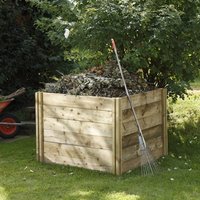
Composters are the secret weapon for any gardener aiming to achieve a sustainable and bountiful garden. Discover the variety and benefits of different composting systems.
The Magic of Composting: Transforming Waste into Black Gold
Composting is an enchanting process where organic waste is magically transformed into nutrient-rich compost, often referred to as “black gold” for its ability to enrich soil. By using a composter, you can reduce household waste while improving your garden’s health.
Types of Composters: From Traditional to Modern Marvels
Composters come in various shapes, sizes, and designs, each suited to different garden sizes and composting needs. Here are some popular types:
- Traditional Compost Bins: These are stationary units, usually made of wood or recycled plastic, ideal for larger gardens. They require manual turning of the compost.
- Compost Tumblers: A modern twist on the traditional bin, these are designed to make turning the compost easier. By rotating the barrel, you aerate the compost, speeding up the decomposition process.
- Worm Composters: Also known as vermicomposters, these utilise worms to break down organic matter. They’re perfect for small spaces and produce highly nutrient-rich compost.
- Electric Composters: These are the high-tech solution for urban gardeners. Using electricity, they speed up the composting process and require minimal effort.
Shapes and Sizes: Finding the Right Fit for Your Garden
The shape and size of your composter can influence its efficiency and suitability for your garden. Traditional bins are often large and rectangular, ideal for spacious gardens with ample organic waste. Tumblers are usually cylindrical, allowing for easy rotation, and are perfect for medium-sized gardens. Worm composters are compact and can fit in smaller spaces, while electric composters are small enough to be kept indoors.
Benefits of Composting: More Than Just Waste Reduction
The benefits of using a composter extend beyond just reducing waste. By producing your own compost, you enrich your soil with essential nutrients, improve soil structure, and reduce the need for chemical fertilisers. Additionally, composting helps retain soil moisture, reducing the need for frequent watering, and supports beneficial microorganisms that help plants thrive.
Key Differences: Choosing the Right Composter for Your Needs
Choosing the right composter depends on several factors, including the amount of waste you produce, the space available, and how much time you can dedicate to composting. Traditional bins are low-maintenance but require manual turning, while tumblers make aeration effortless. Worm composters are excellent for small spaces but need regular feeding and care for the worms. Electric composters offer convenience and speed but come at a higher cost.
Composting Tips: Making the Most of Your Composter
To get the best results from your composter, here are some tips to keep in mind:
- Balance your compost with a mix of “greens” (nitrogen-rich materials like food scraps and grass clippings) and “browns” (carbon-rich materials like leaves and paper).
- Aerate your compost regularly to speed up decomposition and prevent odours.
- Keep your compost moist but not waterlogged; it should feel like a wrung-out sponge.
- Chop larger pieces of waste into smaller chunks to accelerate the composting process.
Sustainability and Environmental Impact: Composting as a Green Practice
Composting is a sustainable practice that reduces the amount of waste sent to landfills, thereby lowering greenhouse gas emissions. By converting organic waste into valuable compost, you contribute to a healthier ecosystem and promote biodiversity. It’s a simple step towards a more sustainable lifestyle, benefitting both your garden and the planet.
Conclusion: The Transformative Power of Composters
Whether you’re a seasoned gardener or a novice, a composter can be a transformative addition to your gardening toolkit. By understanding the different types, benefits, and tips for effective composting, you can choose the best system for your needs and enjoy the rewards of a thriving garden.