
Composters 3x2 - Best offers in UK
Showing the single result
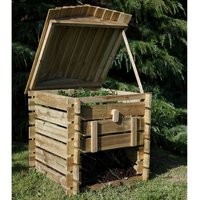
Composters 3×2 bring shape to kitchen and garden waste, turning scraps into darker, crumbly matter for beds, borders and planters. Choose from bins, bays and tumblers in compact 3×2 composters, with styles for tidy corners, steady airflow and easy loading.
Small footprint, strong job
A 3×2 composter suits gardens where every inch counts, yet the volume still matters. The footprint is modest, but the chamber is made to hold a proper mix of greens and browns. That means peelings, cut stems, leaves, grass and shredded cardboard can sit together without the heap spreading out across the plot. It is a neat fit for patios, narrow paths and tucked-away spots beside sheds.
Three by two gives you a clear frame to work with. You get enough depth for layering, but not so much bulk that loading becomes awkward. The format also helps if you want a bin that does not dominate the view. Some designs stand upright in one block, while others split the space into sections so materials can move from fresh to resting stages. The shape is simple, but it changes how the whole composting space feels.
Forms that change the feel
Within the 3×2 category, the main forms each bring their own rhythm:
- Plastic compost bins with a square profile and lid, often light to move and easy to place near the kitchen door.
- Wooden compost bays that use slats or boards, giving a more open look and plenty of room for stacked material.
- Wire mesh composters that keep air moving through the heap and suit leaves, twigs and mixed garden cuttings.
- Tumbling composters in a compact 3×2 layout, raised off the ground for turning the contents without digging.
- Dual-chamber systems that let one side rest while the other side receives fresh waste, reducing the need to shift everything at once.
These forms are not just a matter of looks. A closed bin keeps the pile sheltered from sudden rain and helps contain the mess. A bay leaves the sides more open, which can suit bulkier trimmings and drier material. Wire options sit somewhere between the two, offering structure without sealing the heap in. A tumbler changes the motion completely, because the contents are mixed by spinning rather than by fork or spade.
Different materials, different moods
Material choices make a clear difference in both appearance and use. Recycled plastic is often found in modern composters, with panels that click together and lids that close firmly. It tends to look clean and compact. Timber gives a warmer, more natural feel, and it can settle into planting schemes without drawing much attention. Metal mesh looks lighter and more open, with a practical, no-fuss style.
Each material handles the 3×2 form in a different way. Plastic can keep a tighter shape, which suits small spaces and wetter conditions. Wood feels more breathable and can help a heap stay less boxed in. Mesh brings visibility, so you can see the level building up, though it offers less shelter from wind-blown debris. The right choice often depends on how exposed the spot is, and how tidy you want the corner to look.
Why the 3×2 shape gets chosen
There is a reason this size keeps appearing in garden ranges. It is broad enough for mixed waste, yet still manageable when you need to reach in from the top or side. The proportions can make a heap feel more stable, with less chance of it slumping into a loose mound. That is useful when you are working with hedge clippings, autumn leaves and shredded stems that need a defined home.
Another benefit is how the shape can suit multiple stages. One compartment can hold fresh material, another can rest, and a third can be used for almost-ready compost if the design allows it. In bay systems, this creates a visible progression. In closed bins, the same layout gives a sense of order, so the process does not feel like a jumble. The structure dosen’t ask for fuss, it simply keeps the pile in line.
Air, space and the way material settles
The structure of a 3×2 composter affects how waste settles. A wider base can help with stability, while the height supports layering. If the sides are slatted or perforated, air moves through the mass more freely. That matters because loose twigs, dry leaves and cardboard behave differently from soft kitchen scraps. The more varied the material, the more useful a shape becomes that can hold both light and heavier pieces without compressing too soon.
Some users prefer an open-sided bay because it gives more room for rough garden cuttings. Others go for a closed cube or rectangular bin because it handles mixed household and garden waste with less visual clutter. The differences are practical rather than dramatic, but they shape how the contents sit, how quickly the pile settles, and how much space is left for adding more.
Short notes for quick scanning
- Compact format for smaller gardens and tighter corners.
- Useful for mixed waste, from leaves to kitchen peelings.
- Open designs suit bulkier, drier garden material.
- Closed bins help keep the heap tidy and contained.
- Dual-chamber layouts separate fresh waste from resting material.
- Tumblers reduce the need for manual turning.
- Wood, plastic and mesh each give a different look and feel.
Little differences that matter
Two composters can share the same 3×2 size and still behave very differently. One may have a hinged lid that lifts quickly for adding scraps, while another uses a removable top that gives a wider opening. Some have access doors low down for taking material from the base. Others rely on full removal of panels. These details affect how the space works day by day, especially when the contents are heavy or compacted.
Ventilation is another point of difference. A slatted wooden bay lets more air pass through than a sealed plastic unit. That can help the heap feel less boxed in, though it may also leave more exposure to rain and wind. A wire composter sits in between, giving good movement with less bulk. The choice is not about one being better than another; it is about the balance between shelter, breathability and access.
What fits inside the frame
The 3×2 format is suited to a familiar mix of garden and household organic material. Think autumn leaves, deadheading from borders, chopped stems, shredded paper and vegetable peelings. Some structures are better for soft waste, while others handle rougher, twiggy material with more confidence. The size of the opening matters too. A narrow hatch can be neat, but larger, uneven cuttings are easier to drop into a broad top opening.
Because the format is fairly contained, it can encourage a cleaner boundary between composting and the rest of the garden. Material stays where it should. Paths stay clear. And if the composter sits close to a potting table or shed, the whole setup feels intentional rather than improvised. That sort of order is useful in smaller gardens where a loose heap would quickly look untidy.
Choosing by shape rather than hype
When comparing 3×2 composters, look first at shape and access. Rectangular bins give firm sides and a more deliberate outline. Cube-like designs feel compact and neat. Long, low bays can suit larger volumes of woody waste. Tall, narrow models use height to save floor space. Each profile changes the way the contents are piled and reached, so the shape matters more than fancy wording on the label.
It helps to think about where the composter will sit. A sheltered corner can suit a more open design. A visible area may call for a cleaner, closed form. If the ground is uneven, a unit with a sturdy base will sit more securely. If the spot is tight, a front-access door can be simpler than lifting from above. These choices are not flashy, but they can save frustration later.
Helpful tips for picking the right version
Start with the type of waste you produce most. Lots of leaves and prunings point towards an open bay or mesh-sided form. More kitchen scraps and mixed smaller waste often suit a lidded bin with a tighter finish. If you dislike turning material by hand, a tumbler might suit the way you work. If you want to build in stages, a multi-bay layout gives you that sense of sequence.
Check the access points as well. A top opening should be wide enough for awkward cuttings. A lower hatch should sit at a comfortable height for removing material without stooping too much. For wooden models, look at the spacing between slats. For plastic ones, note whether panels fit snugly or leave small gaps. Those gaps affect both air flow and how contained the heap feels.
How the style changes the garden scene
A composting unit does not have to look like a lump at the edge of the plot. In timber, a 3×2 bay can blend with fences and raised beds. In dark plastic, it can recede into the background. In wire, it almost disappears until the heap builds up. The style changes the impression of the whole area. A good shape can make a working corner feel thoughtful, not messy.
That is especially useful where the composter sits near seating, a greenhouse or a herb patch. The right form can keep the visual line calm while still giving enough space for the pile inside. Even the lid shape matters: flat tops feel ordered, domed lids feel softer, and open-top bays look more workshop-like. None of these is just decoration; each one hints at how the contents will be handled.
What to notice before buying
- Measure the full footprint, not just the stated size.
- Check whether the opening suits bulky trimmings.
- Look at side design for air flow and shelter.
- Think about front access if you plan to remove compost often.
- Choose a material that matches the spot and the look you want.
A tidy frame for turning scraps into soil-like matter
The strength of composters 3×2 lies in their balance. They are compact enough for smaller plots, yet roomy enough to take a real mix of waste. They can be closed and contained, or open and rustic. They can stand as a single unit or split into stages. That variety makes the category useful for different garden habits, from neat and contained to looser and more hands-on.
If you want a structure that fits into a corner without taking over, this size is worth a close look. If you want more room than a tiny bin, but not a huge build, the 3×2 format bridges the gap well. It gives shape to the composting process and keeps the whole thing readable at a glance. Small. Clear. Steady. That’s the charm.