
Composters - special offers - Best offers in UK
Showing all 2 resultsSorted by price: low to high
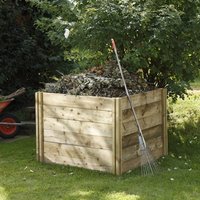
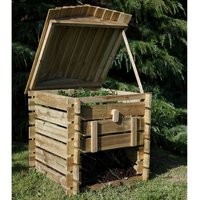
Composters special offers for neat garden waste handling, quick kitchen scraps, and tidy outdoor corners. Compare bins, tumblers, and wormeries with useful notes on size, airflow, and access.
Sale Picks That Shape the Heap
Special offers in composters often sit on the details rather than loud promises. One model may come with a larger lid, another with a deeper chamber, and a third with a shape that fits a narrow yard strip. The differences matter when the goal is less mess, steadier decomposition, and easier loading from a trug or caddy.
Short and sharp.
Not all composters work in the same way. Some hold material in a fixed bin, some rotate, and some use stacked trays for worms. A good offer is the one that matches the space you have, the waste you make, and how often you want to turn or empty the contents. The cheapest price can be a false note if the form does not suit your garden.
Closed Bins, Open Frames, and the Shape of Change
Among the common forms, the closed bin is the quiet workhorse. It keeps the heap more contained, hides kitchen peelings from sight, and often helps keep warmth and moisture together. Many garden shops list plastic compost bins with a lift-up lid and a hatch near the base, which makes it easier to remove finished compost in layers.
Open frames are the opposite in feel. These are more airy, more visual, and often made from timber slats, recycled boards, or simple panels. They suit larger quantities of leaves, hedge cuttings, and rough garden trimmings. They can look rustic, but they also rely more on balance between dry and wet material. In a sale, an open frame may be listed as a quick-build unit or flat pack section, which changes how much effort is needed at the start.
Tumbler styles bring a different rhythm. A barrel mounted on a stand can be turned by hand, which shifts the contents instead of digging through them. This can help with mixing, especially where fork access is awkward. Many shops group these under rotating compost tumbler offers, sometimes with a split chamber or one wide loading door. The form is compact, but the height and turning motion should be checked against the user’s strength and reach.
Wormeries sit in a smaller category, yet they deserve attention when a sale includes stacked trays or collection taps. These units handle vegetable scraps, tea bags, and paper-based bedding. They are not the same as a yard bin and should not be confused with one. Their value lies in the neat, contained structure and the way the trays are separated, not in volume alone.
What the Offer Usually Hides in Plain Sight
Many buyers glance at volume first, but the finer parts tell the truer story. Wall thickness, lid fit, vent placement, and base design all change how the composter behaves. A cheap unit with thin sides may bow in summer sun or feel brittle in frost. A better discounted model might use thicker panels, stronger clips, or a door that sits more firmly against the frame.
ventilated compost bin designs can show slots, holes, or side gaps. These details let air move through the mass and can stop the centre from becoming soggy and slow. Yet too many openings may dry the contents too quickly in exposed gardens. That is why some products use adjustable vents or a more solid shell with just a few opening points.
Base design is another difference worth noting. Some bins have a fully open bottom, letting worms and soil life enter from below. Others stand on feet or include a raised grille. A solid base can suit paved areas or patios where direct contact with soil is not wanted. An open base can suit a mixed garden floor, where the heap can connect with the ground beneath.
Special offers also vary by access style. Top-loading units are common for everyday kitchen waste. Front-flap bins let material be removed lower down. Tumbler doors may open in one section or split across two sides. Each access point changes the feel of the unit, and that small detail often matters more than a long list of claims.
Sizes That Fit the Waste You Actually Make
Composters are often sold by litres, but the number alone does not tell the whole tale. A tall narrow bin and a low wide bin can share the same capacity while behaving very differently in a garden. The shape affects how easy it is to fill, fork, mix, and empty.
- small garden composter units suit light green waste and limited corners
- large capacity compost bin options suit leaves, prunings, and steady household scraps
- compact balcony composters often fit tight patios and sheltered nooks
- multi-tray wormery offers suit smaller organic waste streams with neat stacking
If the garden produces mostly soft kitchen scraps, a modest bin can be enough. If autumn brings a flood of leaves and cuttings, a larger chamber or paired bins may work better than one small unit. A sale on a bigger model can be useful, but only if there is room to place it where loading and emptying still feel manageable. Space around the bin is often forgotten until the first forkful needs to come out.
Materials with Different Temperaments
Material choice gives each composter its own tone. Plastic is common, light, and easy to shift. It often comes as black, green, or dark grey panels with a clipped or slotted structure. In a special offer, plastic models may include added ribs for stiffness or a more secure lid hinge. They can suit back gardens where weather exposure is steady and the aim is simple containment.
Wooden composters have a different feel. They blend with planting beds and fence lines, and some are made from slatted sections or rough-sawn boards. A timber frame can let air move through the heap while still looking orderly. However, the shop listing should be read for joinery style and board thickness, because a light frame and a substantial one are not the same thing at all.
Metal composters appear less often, but they do show up in garden shop offers where stronger sides or a more rigid structure is listed. They may use galvanised panels or a wire-heavy construction. These are not for every site, yet they can suit a layout where shape retention is useful. Their difference lies in firmness, not in novelty.
Why Some Units Move Better Than Others
The best sale price is not always on the most feature-heavy unit. A plain bin with a wide hatch can be more use than a flashy shape that is awkward to load. What matters is how the unit behaves day after day. Does the lid stay closed in wind? Does the base allow removal without half the contents collapsing? Does the chamber feel reachable without stretching too far?
easy access composter listings often point to low doors, broad lids, or removable panels. This is useful where the finished compost must be taken from the lower section. It also helps when the material inside settles unevenly, because the user can shift small amounts at a time. On the other hand, a tall narrow unit may be better where floor space is scarce, though it can be less comfortable to empty if the hatch is too high or too small.
Turner-style composters differ again. Their drum shape means the material is mixed by rotation rather than by hand fork. This suits users who want less lifting, but it also changes the moisture feel. The contents may move quickly inside a sealed barrel, and that can be useful for blending greens with dry browns. It is a different motion from a static bin, and the difference should be noticed before buying.
Wormery trays have their own advantage in separation. One tray can feed the next, allowing the contents to work in layers. This is unlike a single-chamber bin where everything is mixed together. The sale value here lies in the stacked form, not in bulk.
Small Clues That Save a Larger Headache
Read the product details for door size, not just overall volume. A large bin with a narrow hatch can be awkward. Look at how the lid closes too, since a loose cap can let rain water collect in the top or allow litter to blow out. If the unit sits on soil, check whether the base is open, slatted, or fully enclosed.
Another point is the finish of the edges. In many offers, cheaper units reveal more joins, thinner clips, or rougher cuts. Those are minor things until the first windy week or until a flap needs to be lifted with damp gloves. Small flaws matter more in daily use than many people expect.
Also think about shape beside the shed or border. A square bin can tuck neatly into a corner. A round tumbler uses a different footprint and often needs free space around it for turning. A low frame can spread across a wider patch of ground. These are not just design choices; they affect how the whole garden feels when looked at from the path.
Useful Tips for Reading a Composters Special Offer
There is a trick to scanning sale pages without getting lost in the blur of words. Focus on the parts that describe structure, loading, and extraction. A composter is not only a box. It is a working shape with a role in the garden.
- Check the lid style for lift-up, clip-on, or hinged movement
- Compare the base structure for open ground, slatted floor, or solid footing
- Note the access panel if finished material needs to be removed in stages
- Study the air flow design where vents, slots, or gaps are part of the frame
- Look at the shape footprint for corners, tight runs, or narrow plots
Sale wording can be short, so product photos matter. A side view may show whether the bin narrows towards the base. A close view may reveal whether the door is reinforced or just clipped on. If the unit is meant for a patio, the underside and the footprint should be checked with care. A neat offer on paper can be clumsy in real life if the form does not match the spot.
Different Waste, Different Vessel
Kitchen scraps, soft weeds, twigs, and leaves do not all behave alike. That is why one kind of composter may suit one garden better than another. A bin with a more closed shell can hold warmth around moist waste. A timber frame can cope better with bulkier dry material. A tumbler can mix a varied load more evenly, while a wormery prefers a gentler stream of softer scraps.
garden waste composter ranges often show this difference through their shape alone. Large vents and open sides hint at airflow for bulky cuttings. A tight shell and fitted lid suggest a neater setup for mixed household material. In special offers, these design clues matter far more than any decorative colour strip or marketing flourish.
It helps to match the unit to what fills the bucket most often. A garden with lots of fallen leaves may need a broad holding space, while a smaller plot with mainly peelings and spent plants may need a compact enclosed unit. In this way, the offer becomes a practical fit rather than a random bargain.
The Quiet Gains Hidden in the Sale Tag
The value of a special offer can lie in details that do not shout. A thicker panel may last longer in sun. A better latch may hold during wind. A wider opening may make loading less clumsy. A removable front section may turn a hard job into a softer one. These gains are not flashy, but they shape the real experience.
Some discounted units also include practical form changes such as stacking segments, modular sides, or a lower release point for finished compost. These are not gimmicks when they are built well. They simply change how the composter behaves in the garden. The difference between one model and another can be a matter of one panel, one door, or one base shape, yet that is often enough to alter the daily routine.
So the special offer should be read like a sketch, not a slogan. Look at the shell, the access, the size, the shape, and the type of waste it suits. Then the choice becomes clearer, and the bin, tumbler, or wormery earns its place without fuss.
Brief, neat, and steady.
Some units are plain. Some are not. The right shape still matters.
Less fuss. More use.
One lid, one hatch, one place for the scraps.
That is the point of a good composter offer: not noise, but a workable form that sits well in the garden and handles the heap with less kerfuffle.