
Composters under £500 - Best offers in UK
Showing all 2 resultsSorted by price: low to high
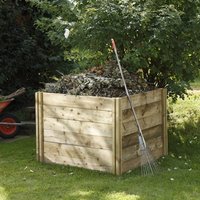
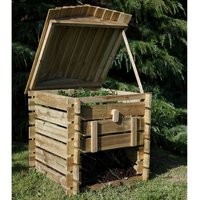
Discover our diverse range of composters under £500, designed to transform your garden waste into nutrient-rich compost. Explore various types, shapes, and benefits to find the perfect match for your garden’s needs.
Unleash the Potential of Rotating Composters
Rotating composters, also known as tumblers, are a fantastic option for those who want a quick and efficient composting process. By turning the drum, you aerate the compost and speed up decomposition. These are ideal for small to medium gardens and can be easily placed on patios or balconies. Their enclosed design helps to keep pests at bay while retaining heat and moisture, essential for rapid composting. Look for models with sturdy handles and dual chambers for continuous composting.
The Elegance of Stationary Compost Bins
Stationary compost bins are the classic choice for larger gardens. Typically made from recycled plastic or wood, they blend seamlessly into any garden setting. These bins are perfect for those with ample garden waste and patience, as they require less frequent turning. They often come with removable lids and bottom doors for easy access to finished compost. Consider bins with ventilation slots to accelerate the composting process.
Exploring the World of Wormeries
Wormeries are a unique and eco-friendly way to compost kitchen scraps. These systems use worms to break down organic material, producing high-quality compost and liquid fertiliser, known as worm tea. Ideal for households with limited garden space, wormeries can be kept indoors or outdoors. Ensure you find a model with good drainage and ventilation to keep your worms happy and productive.
Bag Composters: The Portable Solution
Bag composters offer flexibility and are perfect for those with limited space or who need a portable option. Made from durable, breathable materials, these bags allow for excellent aeration and moisture retention. They are easy to move around the garden, making them ideal for smaller spaces or renters. Look for bags with reinforced handles and zipper openings for convenience.
Innovative Bokashi Bins for Indoor Composting
Bokashi bins are perfect for indoor composting enthusiasts. Using a fermentation process, these bins break down all types of kitchen waste, including meat and dairy, which are typically avoided in traditional composting. The process produces a nutrient-rich liquid that can be used as a fertiliser. Bokashi bins are compact, odourless, and ideal for urban living. Ensure you purchase a bin with a tight-fitting lid and a drainage tap for easy collection of the liquid fertiliser.
Comparing Materials: Plastic vs. Metal vs. Wooden Composters
When selecting a composter, consider the material. Plastic composters are lightweight, weather-resistant, and often made from recycled materials. Metal composters are durable and can withstand harsh weather conditions, but they may rust over time. Wooden composters offer a natural aesthetic and excellent insulation, though they require more maintenance to prevent rot. Each material has its pros and cons, so consider your garden’s needs and climate when making a choice.
Size Matters: Choosing the Right Capacity
The size of your composter should match your household’s waste output and garden size. For small households or gardens, a 100-200 litre composter may suffice. Larger families or those with abundant garden waste may require a 300-600 litre capacity. Always consider the space available in your garden and ensure there’s enough room for turning and accessing the compost.
Maximising Efficiency with Aeration and Moisture Control
Aeration and moisture are crucial for efficient composting. Ensure your composter has adequate ventilation to allow air circulation, which helps to speed up decomposition. Some models come with built-in aeration systems or can be manually turned to improve airflow. Additionally, maintain the right moisture level by adding dry materials like leaves or paper if the compost is too wet, or water if it’s too dry.
Environmental Benefits of Composting
Composting not only reduces household waste but also enriches your garden soil. By recycling organic matter, you can reduce your carbon footprint and contribute to a healthier ecosystem. The compost produced can improve soil structure, retain moisture, and provide essential nutrients for plants, reducing the need for chemical fertilisers.
Cost-Effective Composting: Getting the Best Value
While composters under £500 offer a range of features and benefits, it’s essential to find the best value for your investment. Consider the durability, capacity, and additional features like dual chambers or built-in aeration. Investing in a quality composter can save money in the long run by reducing waste and improving garden productivity.
Tips for Successful Composting
To make the most of your composter, follow these tips: balance green (nitrogen-rich) and brown (carbon-rich) materials, chop large items to speed up decomposition, and avoid adding meat, dairy, or diseased plants to the compost. Regularly check moisture levels and aerate the compost to maintain optimal conditions. With a little care and attention, your composter will turn waste into a valuable resource for your garden.