
Corner Sheds - special offers - Best offers in UK
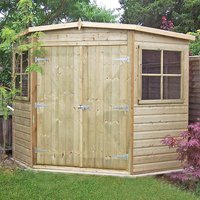
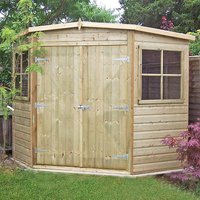
Corner sheds special offers for neat side spaces, angled plots and tucked-away storage. Explore L-shaped, pentagonal and slimline corner shed styles, with compact footprints, natural light options and space-saving layouts. Corner sheds take the awkward bit of a garden and turn it into a working corner with room to spare.
Angles That Work With the Garden, Not Against It
Corner shed special offers are built for plots where a straight run feels clumsy. These structures sit into a boundary, a patio angle, or the end of a lawn without stealing the centre of the garden. Their outline can soften a hard corner, while still giving you a proper store for tools, outdoor cushions, feed, pots or bikes. The shape is the point: instead of forcing a square shed into a narrow edge, the shed follows the line already there.
That makes a big difference in how the space reads. A corner unit can feel tucked in, not shoved on. It leaves the main garden open, and the shed stays close to where the action happens.
Small Footprint, Clever Shape
There are a few corner shed forms worth knowing before choosing from the wooden corner shed sale range or other special offers. Each one handles the angle a little differently:
- Triangular corner sheds sit tight into a 90-degree corner and use the narrowest depth.
- Pentagonal corner sheds push more of the front outward, giving a broader door face and a roomier interior feel.
- L-shaped corner sheds work when the garden edge bends or when you want storage along two sides.
- Lean-to corner stores borrow height from a wall or fence line and keep the structure visually light.
- Low-profile corner cabins suit sites where height rules matter or the view from the house should stay open.
Very small spaces. Very neat lines. Very little wasted ground.
The difference is not just size, but how the shed meets the corner. A triangular model is tighter and more discreet. A pentagonal model usually gives a fuller front, which can make access easier if you carry larger items. An L-shaped layout can be useful where one side of the boundary is deeper than the other, though it needs a bit more planning than the sharper forms.
Doors, Faces and the Way You Walk In
Corner storage sheds are often chosen because the front is arranged to suit a path or patio. Some have a single door placed on the angled face. Some use double doors to help with wider items, which changes the whole feel of the shed from tucked-away store to more open utility space. A wider door opening is handy for lawnmowers, garden furniture, wheelbarrows or awkward-length tools. A narrow door suits simple access and keeps the footprint tighter.
The door position also affects how the shed sits in relation to the rest of the garden. If the opening faces the house, the shed becomes easier to use day to day. If it faces sideways, the structure can be more discreet from the main seating area. These are small choices, but they shape how the garden flows.
Roof Lines with Different Voices
In special offers you will often see a mix of roof types, and each one gives the corner shed a different character. A pent roof slopes away in one direction and suits modern, simple lines. A apex roof gives a more traditional outline and may offer a little more head height in the middle. A hipped roof softens the edges and can sit neatly in visible corners where the shed should look less boxy. Felt roof finishes are common, while shingle or sheeted options may appear on certain listings, depending on the build.
Shape matters here too. A low pent roof keeps the profile subtle. A higher apex can make the inside feel less cramped. In a corner, even a small change in roof pitch alters the appearance from the lawn, the kitchen window, or the neighbour’s fence line.
Light, Lines and the Front Face
Compact garden corner sheds often feature windows or glazed sections on the front and side panels, helping the inside feel less boxed in. It is not about turning the shed into a greenhouse-like room; it is about borrowing enough daylight to make the space easier to use. A plain boarded front gives a more closed, storage-first look. A windowed front makes the shed easier to work in if you are sorting seed trays, labels, hand tools or seasonal items.
Cladding style changes the mood as well. Overlap boards give a softer, traditional finish. Tongue-and-groove panels create a tighter, more structured appearance. Featheredge boards bring a rural edge, especially beside timber fences or older garden walls. These differences are visual as much as practical, and they matter when the shed sits where everyone can see it.
When the Corner Needs More Than a Box
Some corners need a simple store. Others need a shape that helps with awkward items. This is where the pentagon garden shed offer stands apart from a plain square unit. The angled front can make the door area less cramped, and it can create a better line for shelves inside. A triangular shed may be narrower, but it uses the plot with real discipline. A pentagonal shed may take a touch more room, yet the interior can be easier to stand in and reach across.
That difference is worth noting if you store long-handled tools, folding chairs or bulky bags. The shed might only be a little larger on paper, but the usable zone near the entrance can feel much more generous.
Materials Seen in the Special Offers
Timber corner sheds are common because they blend into planting, fences and natural borders. The grain and board layout give them a quieter presence than metal stores, which can feel sharper in a small garden. Metal corner stores do exist, and they may suit a more hard-edged plot where clean lines matter more than a timber finish. Resin options may also appear in special offers, often chosen for their light weight and neat moulded shapes.
The material changes more than the look. Timber reads warmer and more traditional. Metal looks crisp and practical. Resin can feel low-fuss in appearance, with smooth walls and simple corners. None of these changes the basic fact: the corner is the task, and the material is how that task is dressed.
Why Corners Beat Dead Space
A neglected corner can become clutter. A shed turns it into a named place. That alone is useful. But there are more benefits hidden in the geometry:
- It keeps the garden centre open for seating, planting, or play.
- It can follow a boundary line that would otherwise be underused.
- It may reduce the feeling of a shed blocking the view.
- It can shorten the walk from the house to the stored items.
- It helps tidy up visual noise caused by loose tools and outdoor gear.
Corner sheds also suit gardens with split functions. A small patio near the house, a lawn in the middle, and a storage zone at the far edge can all sit together more easily when the shed takes the corner role. The layout begins to make sense without pushing every object into one crowded strip.
Useful Checks Before You Choose
Outdoor corner shed clearance matters more than it first appears. Measure the two wall lines carefully, then check the front projection, not just the width. A shed can fit the corner on paper and still feel awkward if the door opens into a narrow path or if nearby planting crowd the entrance. If you use the area often, leave a little breathing room in front of the door for carrying items in and out.
Also think about what you store most often. Long tools need internal height and a clear back wall. Bulky cushions need wide access. Bikes ask for a broader opening and stable floor space. Plant pots and seed trays are easier to sort if the shed offers shelf-friendly side walls. These choices are small, but they change whether the space feels cramped or useful.
Little Shapes, Big Character
Very short lines. Simple angles. Quiet strength.
Corner tool sheds do not need to shout to earn their place. A good one sits like it has always belonged there. The geometry makes the difference, but the way it sits in the garden makes the story. A pentagonal front can look soft and finished. A triangular shell can look sharp and tidy. An L-shaped build can carry a more custom feel, especially if the garden edge has its own odd turns.
There is also a difference in how each form frames the view. A low corner shed may disappear into planting. A taller one can act as a modest anchor at the boundary. If the corner is visible from several angles, the shed becomes part of the garden picture rather than just a store for stray items.
What the Special Offer Can Change
Corner shed clearance deals often draw attention because they bring together shape, price and timing. The range may shift between compact and roomy forms, boarded and glazed styles, simple and more detailed finishes. One offer might feature a narrow footprint with a single door. Another may focus on a fuller front face and added head room. A third may highlight a low-profile build suited to tighter boundaries or screened corners.
That variety helps when the garden does not follow neat rules. One plot may have a brick wall on one side and a fence on the other. Another may have a narrow paved strip near a hedge. The right corner shed fits the angles already there, and the special offer gives you more choice over which shape speaks to the space.
A Few Straight Answers for Faster Browsing
Small shed. Tight corner. Clear path.
Some sheds store; some settle. The corner kind does both. It hides into the edge, yet still gives proper access. If you compare offers, look at the front width, roof height and the way the side panels meet the corner. Those details decide whether the shed feels compact, roomy, or somewhere in between.
Space-saving garden stores are not all the same, and that is useful. You may want a model that disappears behind planting, or one that makes a neat feature beside a patio. You may want double doors, or you may prefer a narrow single opening and a smaller outline. You may want a traditional timber finish, or a sharper metal look. The corner decides the form, and the form decides the mood.
Final Shapes Worth Noticing
In the end, corner sheds are less about squeezing something in and more about using the shape that is already waiting there. The angles can be plain, awkward, or oddly generous; the right shed gives them purpose. That is why special offer corner sheds attract attention from gardeners who want storage without losing the feel of the plot. The small footprint, the front angle, the choice of roof, the door placement, and the material all work together. A good corner shed does not argue with the garden. It fits its line, keeps its presence modest, and leaves the rest of the space to breathe.