
garden rooms - special offers - Best offers in UK
Showing all 2 resultsSorted by price: low to high
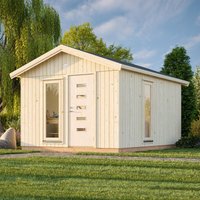
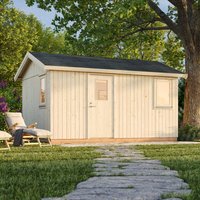
Garden rooms special offers for timber, aluminium and insulated outdoor spaces. Compare compact studios, corner builds and glazed retreats, then spot sale-led details that shape light, layout and price.
Price tags with more than a number
Special offers on garden rooms are rarely only about a reduced sum. They often sit on a mix of factors: ex-display stock, end-of-line cladding, seasonal clearance, or a package that has been pared back to one size, one finish, or one glazing set. That means the real value is in the shape, the shell, and the spec sheet rather than the headline discount alone.
Look closely at what is included. A room on offer may come with a smaller footprint, a simpler roof line, or fewer bespoke choices, but it can still bring the core features that make a garden room feel like an extra place rather than a shed with windows. In other words, the offer is often about the way the build has been pre-set.
Short and sharp. Check the spec. Check the fit. Check the route.
What these rooms are made to do
A garden room is shaped for use beyond simple storage. It creates a separate zone in the garden for working, reading, fitness, hosting, or quiet time. Special offers can make these spaces more reachable when you want a defined room without going into a long custom build process.
The key feature is separation. A room in the garden gives you a boundary between home life and garden life, but without the feel of a detached annex. The structure usually sits as a freestanding building with a finished interior, proper doors, and glazing that brings in light while keeping the room feeling enclosed.
Not all garden rooms are the same. Some are designed as slimline workspaces, others as wider social rooms, and some as low-profile builds that sit neatly against a boundary. The offer may highlight one of these forms, so the shape matters as much as the discount.
Forms that keep the offer interesting
When you are comparing garden rooms on special offer, the form of the building can change how it feels from the inside. A square room gives a balanced layout. A rectangular room can suit a desk line on one side and soft seating on the other. A corner unit can make use of awkward garden space. A wide-fronted model draws in more glazing and gives a stronger sense of openness.
There are also visual differences in roof profile. A flat roof tends to look crisp and modern, with a cleaner silhouette. A mono-pitch roof angles in one direction and can give a taller internal feel at the front or rear. A pitched roof changes the profile again, with a more traditional outline and a different sense of volume. Each of these forms affects how the room sits in the garden and how the light falls through the glass.
For a special offer, one roof style may be linked to a particular stock run or finish. That can make the room feel more fixed in its identity, which is useful if you know what shape suits the plot.
Materials that set the tone
Many offers are built around a specific external finish. Timber cladding gives a softer look and can read as more in tune with planting and fencing. Contemporary composite or board-style finishes create a sharper edge. Aluminium-framed glazing leans into a more modern face, while large timber-framed windows can make the room feel warmer and more grounded.
The internal lining matters too, even on offer. A room with a pre-finished interior may feel more complete at first glance, while a shell with a simpler lining may ask for a more tailored finish later. The difference is not only visual; it changes the sense of how enclosed, polished, or flexible the space feels from day one.
Offers can also vary by external colour. Darker shades often make the room recede into the garden backdrop, while paler finishes can brighten the elevation. If a special offer lists a fixed colour, it is worth thinking about how that tone will sit against paving, fencing, planting, and boundary lines.
Glazing that shapes the mood
Glass is one of the clearest differences between garden room types. Full-height glazing lifts the mood and opens the room to the garden. Corner glazing can pull the eye outward and create a more panoramic feeling. A narrow glazed door set may keep the frontage tidy, while broader sliding or bifold options draw in a more open relationship with the outside.
Special offers often work best when the glazing arrangement matches the intended use. A room for calls and screen work may benefit from a measured opening rather than wall-to-wall glass. A room for social use can lean into wider panes and larger doors. The balance is the thing: too much glass in the wrong place can make furniture layout awkward, but the right proportion makes the room feel composed.
Pay attention to orientation. If the room faces strong sun, the glass pattern will affect glare and the tone of the interior through the day. If it sits in a more shaded part of the garden, the offer may feel stronger when the glazing design helps pull in more light.
Why special offers catch the eye
There is a practical pull to a special offer. The build is already defined, the choices are narrower, and the decision path can feel clearer. For some buyers, that is the appeal: less drift, less waiting, and more certainty over what is being bought.
Offers can also bring useful differences in size. A smaller footprint may suit a modest plot or a tucked-away side garden. A larger room on offer may suit those wanting a separate work zone and a seating area in one shell. If the price has been trimmed on a unit with a strong structure and a clear layout, the offer can be more than just a sticker on a page.
There is another advantage: stock-led garden rooms can sometimes show the finished look more plainly. You can see the cladding, the door arrangement, the roof edge, and the window rhythm without having to imagine every detail from a blank specification.
Where the differences really sit
Two garden rooms may look close in price but still feel very different once you compare the detail. One may include wider glazing, a cleaner roof trim, or a more generous interior span. Another may be more compact but easier to place within a smaller garden, which is a kind of value of its own.
- Footprint: compact, mid-size, or broader layouts
- Roof profile: flat, mono-pitch, or pitched forms
- Glazing layout: front-facing, corner, or side-set openings
- Exterior finish: timber tone, board-style cladding, or darker contemporary shades
- Use case: work zone, hobby room, lounge space, or mixed-use room
The difference is not only in appearance. It is also in how the room sits in the plot. A long narrow build can suit a boundary line. A square room can feel more settled in the centre of a garden. A corner placement can free up lawn and path routes. These distinctions are worth reading before the offer headline takes over.
Types that often appear in the offers section
Special offers may feature several garden room types, each with its own mood and practical shape. Studio-style rooms tend to be straightforward and restrained, often suited to working or quiet use. Lounge-style rooms usually prioritise a more generous glazing feel and a softer internal atmosphere. Corner units are shaped to use less obvious garden space. Pod-like forms can sit as compact retreats with a smaller visual footprint.
Some rooms are framed around a clear front elevation, with the main glass placed across one face. Others use side windows to break up the profile and pull light from more than one angle. The offering may not be about choice in the usual sense, but there is still a range of forms worth comparing.
If you are scanning a special offer page, note how the room is described: “compact”, “wide”, “corner”, “glazed”, “studio”, or “multi-use”. These words point to real structural differences, not just marketing fluff.
Layout choices that show up fast
The internal plan is where a garden room starts to earn its keep. Even on offer, the arrangement of doors, windows, and wall runs sets the tone for what you can place inside. A central glazed frontage may invite a single deep furniture line. A side door can open one wall for shelving or storage units. A corner-glazed room can leave a more flexible central zone.
Think about thresholds too. If the room opens with a wide entrance, movement feels easy and the space may work better for light social use. If it has a more contained door set, it can feel more enclosed and focused, which some uses need. The difference is subtle but important.
A compact room with a balanced opening can feel surprisingly calm. A larger room with an awkward door position can feel less settled. Offers sometimes hide this detail behind the discount, so the plan deserves a proper look.
Useful tips when comparing the offers
Do not compare price alone. Compare what the room gives you in footprint, glazing, roof line, and exterior finish. If two rooms are close in price, the one with the cleaner plan or better-suited shape may be the stronger fit for your garden.
Look at access as well. Some rooms are easier to place where there is a clear run from path to plot. A wider build may need more room for positioning, while a slimmer form can tuck into tighter spaces. A special offer can seem more attractive until the actual garden route makes the size awkward.
Also note whether the offer is tied to a fixed layout. That is not a flaw. It simply means the price has been built around a set configuration, which can keep the decision simpler if the shape already suits your plot.
One small mistake to avoid is treating every discount as if it means less quality. Sometimes it is only a stock decision, a display change, or a tidy-up of the range. The structure and the layout still matter more than the ticket on the front.
Vorteils that matter in day-to-day use
The practical advantage of a garden room on offer is clear space with a defined purpose. It gives your garden a second life without needing a full house extension. It can separate noise, focus, and leisure in a way that feels distinct from the main home.
Another plus is how varied these rooms can be even within a special offer section. You may find one build with large panes and a social feel, another with tighter glazing and a more private mood, and another with a corner form that helps save the central lawn. The variety is in the shape of the space rather than in endless add-ons.
A further benefit is visual order. A well-sized garden room can tidy the garden’s flow by giving a clear destination point. That can make the outdoor layout feel more resolved, especially when paths, planting, and seating areas already have a strong line.
Small details that carry weight
Door position, window height, and roof edge all change the feel of a room much more than many buyers first expect. A narrow entrance can make a room seem more private. A broad front panel can make it seem more open. A roof with a clean overhang may add a sharper outline, while a simpler edge can look quieter against trees and fencing.
Special offers often bundle these details into one fixed package, which is useful if you prefer less back-and-forth. But it also means the tiny elements deserve a close look. A room that is almost right on paper can feel spot on once the glazing line and roof form are matched to the garden.
Reading the deal with a clear eye
When you see garden room special offers, treat the page like a short list of real features rather than a sales drum. Focus on the type, the form, the glazing pattern, the finish, and the footprint. Those parts decide how the room will sit in the garden and how it will feel to use.
Some offers lean towards compact function. Others lean towards light-filled retreat. Some are defined by a low roof and crisp lines. Others by a more grounded shape or a softer timber finish. That spread is useful because it gives you a way to compare rooms without getting lost in broad promises.
And if the room is meant to be used often, the layout should read well at a glance. If it is meant for calm moments, the glazing balance and the enclosure matter more. If it is meant for mixed use, flexibility in the interior span becomes more important than a flashy front.
A final glance at what fits where
There is no single way a garden room on offer should look. A square studio can suit a neat plot. A long glazed room can suit a boundary edge. A corner unit can bring sense to an awkward angle. A darker, low-profile build can sit quietly against planting. A brighter, more open frontage can draw attention to the room as a feature in the garden.
That is why the best comparison is not only about saving money. It is about matching the structure to the space you have and the way you mean to use it. The offer is the starting point. The shape does the rest.
- Compare the room’s footprint with your available plot
- Match roof style to the garden’s overall lines
- Choose glazing that suits light levels and intended use
- Read the fixed finish against fencing, paving, and planting
- Check how the entrance affects furniture placement
Quietly practical. Surprisingly expressive. Sometimes the right room is the one with the clearest shape.