
Garden Storage 4x2 - Best offers in UK
Showing all 7 resultsSorted by price: low to high
-
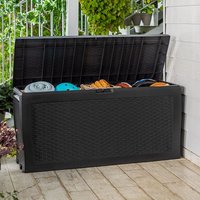
91% discount: 3’10 x 1’6 Keter Samoa Plastic Garden Storage Box – Anthracite (1.17m x 0.45m) £61.9991%
-
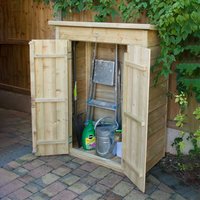
25% discount: 3’6 x 2′ Forest Overlap Pent Midi Wooden Garden Storage – Outdoor Patio Storage (1m x 0.55m) £164.9925%
-
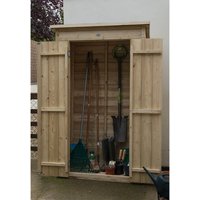
25% discount: 3’6 x 2′ Forest Overlap Tall Pent Wooden Garden Storage Tool Store – Outdoor Patio Storage (1m x 0.55m) £170.9925%
-
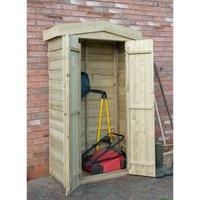
24% discount: 3’7 x 1’8 Forest Overlap Tall Apex Wooden Garden Storage Tool Store – Outdoor Patio Storage (1.1m x 0.5m) £189.9924%
-
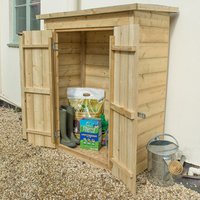
28% discount: 3’6 x 2′ Forest Shiplap Pent Midi Wooden Garden Storage – Outdoor Patio Storage (1m x 0.55m) £194.9928%
-
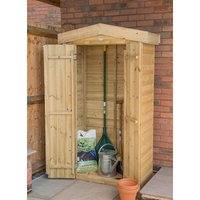
32% discount: 3’7 x 1’8 Forest Shiplap Tall Apex Wooden Garden Storage Tool Store – Outdoor Patio Storage (1.2m x 0.51m) £224.9932%
-
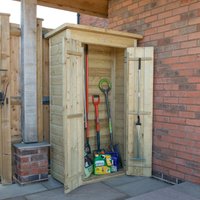
24% discount: 3’6 x 1’10 Forest Shiplap Tall Pent Wooden Garden Storage Tool Store – Outdoor Patio Storage (1m x 0.56m) £249.9924%
Garden Storage 4×2 for compact plots, patio corners and narrow runs. Explore upright sheds, low stores and slatted lockers with space for tools, cushions, pots and everyday kit in a neat footprint.


A small footprint with a clear job
Garden Storage 4×2 means a store with a length of around 4 feet and a depth of 2 feet, a size that sits easily against a fence, beside a wall, or at the end of a terrace. It is a narrow format, so it does not try to dominate the garden. Instead, it gives things a fixed place without eating into the rest of the space. That is the simple appeal: a compact shell for items that usually end up scattered.
This size is often chosen where every metre matters. Terraces, townhouse yards, side return areas and tighter courtyards can all use a storage unit that stays close to the boundary line. A 4×2 form also tends to suit one purpose at a time, or a carefully mixed load of lighter garden items rather than bulky machinery.
Small. Neat. Easy to place.
What fits inside the narrow frame
The exact contents depend on the internal layout, but a 4×2 store is usually used for items that are long, slim or seasonal. It can hold hand tools, hose reels, watering cans, plant trays, small pots, seed boxes, children’s outdoor toys, chair pads, grill bits and folded covers. Some versions also suit bike helmets, wellies and brooms if the internal height is generous enough.
Because the floor area is shallow, storage works best when items are chosen with shape in mind. Stackable crates, wall hooks, shelf ledges and tall compartments make better use of the space than loose piles. In a 4×2 unit, shape matters more than quantity.
- Hand trowels, forks and pruners
- Lightweight watering gear
- Folded seat cushions
- Plant labels and small accessories
- Outdoor cleaning items
- Seasonal décor pieces
Upright, low and side-opening forms
Garden storage in a 4×2 size comes in a few different shapes, and those differences affect how it works in a real garden. An upright style uses more vertical space and less floor reach, so it suits tools that stand tall or hang from fittings. A low chest style sits lower to the ground and can double as a visual break along a fence line. A side-opening unit gives a very different access pattern, because it lets you reach in from the long face rather than from the front only.
There are also slatted or panelled designs. Slatted fronts can feel lighter visually and may suit a sheltered position, while solid panels give a more enclosed look. The difference is not only in appearance; it also shapes how much the contents are hidden from view. Some people want a unit that blends in. Others want something with a bit more presence. Both approaches work in this footprint.
Materials that change the feel
The material has a strong effect on the character of a 4×2 garden store. Timber gives a warmer, more traditional presence and can sit easily among planting, fencing and pergolas. Metal often brings a firmer outline and a more structured look. Resin or plastic-based versions usually create a smoother surface and a lighter visual touch, which can help in very tight settings where heavy shapes feel overpowering.
timber garden store often suits a softer landscape, especially where the unit is meant to sit beside planters, sleepers or a painted fence. metal compact cabinet tends to feel more rigid in form and can suit a modern patio. resin narrow shed usually reads as clean-lined and practical, with less visual grain. slatted outdoor locker gives a lighter, more open profile. Each has a different mood, even before a single item goes inside.
There is also a useful difference in handling. Some materials lend themselves to very crisp corners and firm edges, while others feel more forgiving in a busy garden with awkward levels and narrow access. If the space is already full of texture, a simpler surface can stop the scene from looking crowded.
Door positions and access styles
Access changes everything in a 4×2 store. A front door is the standard choice when the unit stands at the end of a path or against a wall with room to open outward. Double doors can make loading easier where wider items need a more open entry. Side access, where available, can help when the unit is tucked into a longer run and the front is awkward to reach.
Lift-up lids and chest-style openings create a different experience again. They are handy for shallow stacks and quick grabs, though they work best when the contents are not too tall. A hinged lid can also make a narrow box feel more like a bench or terrace edge, depending on the design. In a small garden, the way the door moves matters as much as the way the store looks.
Short reach. Clear access. Less faff.
Why the 4×2 size keeps showing up
There is a reason the 4×2 format turns up so often in compact garden planning. It offers storage without forcing a major layout change. That means it can slot into spaces that would otherwise be too tight for a larger shed. It also works well where a homeowner needs a visible boundary piece rather than a deep building.
space-saving garden storage can be placed in awkward strips beside the house, under a window line, or along a fence where deeper units would block movement. compact outdoor storage is easier to balance with seating, pots and a small barbecue area. narrow patio shed can be used without turning the patio into a warehouse. This is one of the main differences between a 4×2 unit and larger shed formats: it is more about targeted order than broad, multi-purpose volume.
The size also helps with visual proportion. A long, low unit can lengthen a wall visually, while a taller narrow unit can give height without bulk. That makes it useful not just as a box for things, but as part of the garden’s shape.
Fitting the store to the setting
The best placement depends on the type of garden and the flow of movement through it. A 4×2 unit often works well where a path already runs close to a boundary. It can also suit a corner between two walls, though the opening direction needs thinking through carefully. Leave enough room for the doors or lid to move freely, and remember that narrow gardens can feel tighter if access is compromised.
In a courtyard, a smaller footprint with a tidy profile can be more comfortable than a deep box. In a side return, a lean shape can keep the route clear. Against a fence, the colour and finish matter because the unit will sit in full view more often than a hidden shed. Small placement choices can make the difference between tidy and clumsy.
- Measure the full outer size, not just the body
- Check the door swing before fixing a position
- Allow space for hands, handles and hinges
- Think about what you will reach for most often
- Use the wall side for items that rarely move
Internal shape matters more than raw volume
A 4×2 store may look simple from outside, but the internal layout decides whether it feels useful or cramped. One unit may come with a single open chamber, while another includes a shelf, hook points or a more divided arrangement. That difference changes what can be stored and how quickly it can be found. A tall broom may need a clear upright channel. Smaller items may need a shelf or bin system to stop them disappearing into the back.
For this reason, buyers should look past the outer footprint and think about the interior geometry. A short but tall compartment can be better for garden sticks and tools than a wider space with no height. A low, wide chest can be better for cushions and covers than a vertical cupboard. The shape inside should match the shape of the things being stored, not just the amount.
The lid or door opening size also influences how easy it is to use the unit day to day. A small opening can save space outside the box, but it may feel tight when placing larger items. A wider aperture can make loading simpler, though it asks for more clearance in front. It’s a small trade-off, but in a tight garden it really matters.
Practical benefits without the fuss
One clear benefit of a 4×2 storage unit is that it can reduce the drift of loose items across the garden. Tools no longer lean against the wall. Cushions are not left in a damp chair pile. Smaller accessories stop disappearing into random tubs. The garden starts to read as a composed space rather than a storage afterthought.
tidy fence-line storage helps keep the edge of the garden visually calm. weather-shielded garden cabinet offers a more enclosed home for softer items and accessories. fence-side tool store can free up the shed for bulkier gear, while the 4×2 unit handles the things that are used often. The difference is one of rhythm: big shed for large kit, narrow store for the small stuff that needs quick access.
There is also a comfort benefit. When a garden has a set place for pads, watering bits and hand tools, the whole outdoor routine feels smoother. Less searching. Less bending about. Less clutter on the patio.
Details worth checking before you buy
When comparing 4×2 units, the small details are the ones that change how they behave in use. Look at the door hardware, the opening direction, the roof shape if there is one, the base requirements and the internal height. A store with a slightly sloped top may shed water differently from a flat-topped unit. A raised base can help keep the floor away from standing damp. A hinged lid may suit one kind of access, while side doors suit another.
It is also worth checking whether the unit has any internal restraint points for shelves or hooks. These features can make a narrow store much easier to organise. Without them, items may just lean and tumble. With them, the space becomes more deliberate.
Need room for tall handles? Check the full inside height. Want a low visual line? Look for a shorter form. Want to hide bright plastic? A closed front may suit better than slats.
Tips for making the size work harder
A 4×2 format is at its best when the contents are chosen to suit the shape. Long-handled tools should be grouped together. Smaller bits should be kept in lidded boxes or baskets so they do not slide around. If the store includes a shelf, use the upper area for items grabbed less often and the lower part for heavier gear.
Try to keep the heaviest objects nearest the base, especially in a narrow cabinet. That helps the unit feel calmer when opened. If the storage is used for soft items such as cushions or covers, use a container that keeps their form from spreading across the whole interior. In a tight box, loose filling is the enemy.
- Group items by length, not only by use
- Keep grab-and-go tools near the opening
- Use slim containers instead of wide tubs
- Leave one section for seasonal bits
- Do not overpack the front edge
How the look shifts with the finish
Surface finish changes how a 4×2 store sits in the garden. A natural timber tone can soften the edge of the unit, while painted finishes can bring a sharper sense of order. Dark shades tend to recede more against planting or fencing, whereas paler tones can make the unit feel more present. In a small plot, that visual balance matters because the store becomes part of the view from the house and from the seating area.
Some finishes show the form clearly, with straight lines and defined edges. Others break the shape up a little, which can be helpful where the store sits close to mixed planting. This is one reason the same footprint can feel very different from one garden to the next.
Choosing by use, not just by size
The phrase Garden Storage 4×2 covers several small but useful variations, and the right one depends on what is being stored, how often it is used and where it will stand. A tool-focused unit needs clear height and access. A cushion store needs a clean, dry interior and an opening that does not pinch soft items. A more decorative locker may need a finish that fits the rest of the outdoor scheme more closely.
It is easy to focus on the footprint alone, but the real question is how the unit will work on an ordinary day. Can you reach the thing you need without moving three others first? Does the opening suit the shape of the item? Will it sit quietly in the garden rather than shouting for attention? Those are the questions that matter.
Thoughtful choice. Fewer regrets.
Final notes for tight outdoor spaces
A 4×2 garden store is not about bulk. It is about giving a narrow slice of outdoor space a clear, practical role. It can hold the smaller items that crowd patios, paths and corners, while keeping the garden open enough to use. Upright or low, slatted or solid, timber or metal, the form changes the feel even when the size stays the same.
For small gardens, the best result often comes from matching shape to habit. Store what you reach for. Place it where the hand naturally goes. Keep the route clear. In a compact setting, that simple thinking goes a long way, and the garden feels more ordered without looking overfilled.
Compact space. Quiet order. Less clutter.