
Garden Storage 7x3 - Best offers in UK
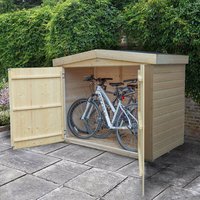
Garden Storage 7×3 keeps tools, cushions and outdoor bits under one neat roof; compact footprint, straight lines and a calm way to sort smaller gardens without eating the whole plot.
A slim footprint with room to work
A 7×3 garden storage shed sits in that useful middle ground where space is tight but the need for shelter is still real. With a narrow width and a longer run, this shape slips along a fence, wall or boundary line and leaves the centre of the garden open. It does not try to dominate the plot; it simply takes its place and gets on with the job.
The 7×3 format is often chosen for gardens where every metre matters. It gives enough length for rakes, brooms, folding chairs and small mowers, while the 3ft depth keeps the structure from jutting too far into paths or planting beds. That means you can still keep a clear route for walking, mowing, or moving pots without the shed getting in the way.
Why the shape matters
This size works because the proportions feel tidy. A shorter, square shed can waste wall space, while a deeper store may block light or break up the garden layout. The 7×3 shape uses linear space well, so it suits long narrow runs beside garages, side returns and back boundaries. It also tends to look more settled in smaller courtyards because it follows the edge rather than fighting it.
There are a few different forms within this category, and the differences matter when space is being measured out with care:
- Single-door 7×3 stores for straightforward access and a cleaner front face.
- Double-door layouts for bringing in longer items such as ladders or timber offcuts.
- Wooden garden stores that blend with planting and timber fencing.
- Metal 7×3 units that bring a sharper profile and a dry interior space.
- Low-roof styles for tight side passages where height is watched closely.
Compact outside, organised inside
The inside of a 7×3 storage shed has its own character. Because the floor plan is narrow, the best layouts use the walls carefully. Long-handled tools can line one side, while smaller items sit on shelving or hooks on the opposite wall. This makes the centre aisle easier to use, and it helps the space feel less cramped when you open the door. It also means you can see what lives where, instead of digging through stacked piles.
For many gardens, the main advantage is not sheer volume but shape control. A long shallow store can hold a surprising number of things if the kit is chosen with the footprint in mind. Folding garden chairs, seat pads, hose reels, seed trays and boxed accessories often fit better in a slim store than in a broader shed where items drift into the corners.
Small. Neat. Straightforward.
Materials that set the tone
In this category, the material changes both the look and the feel of the storage. Timber gives a softer garden-facing finish and often sits well beside beds, decking and fencing. Metal storage units usually have a firmer outline and are often picked for a more pared-back appearance. Resin and plastic styles, where offered, can bring a lighter structure and a smooth surface, though the visual effect is very different from timber grain.
Each material type has its own distinction in a 7×3 format:
- Wooden 7×3 storage often reads as part of the garden rather than an add-on.
- Metal garden storage can suit utility spaces and harder landscaping.
- Resin storage tends to have a cleaner surface and a modern outline.
- Panelled timber stores bring a more traditional shed-like shape.
- Boarded styles can create stronger visual rhythm across the long front face.
The choice is not only about appearance. It changes how the shed sits with the rest of the plot. If nearby features are wooden, a timber store may settle in quietly. If the area already has paving, metal edging or a pergola with straight lines, a sharper storage form may fit the language of the space better. It is about matching the store to the garden’s own shape, not forcing it to stand out.
Doors, access and the daily rhythm
In a 7×3 footprint, the door position matters a great deal. A side door can be useful when the front face sits close to a path, while a front door may be better if the store opens onto a direct access run. Double doors are often preferred where larger items need to be moved in and out without tilting and turning. On a narrow structure, this can make a noticeable difference to how the shed feels on everyday use.
Think about the swing space before choosing a form. If a door opens onto a tight walkway, it can feel awkward, even if the store itself is neatly sized. If the opening faces a broader strip of paving, movement feels easier. This is one of those small details that changes the experience more than the measurements alone.
Short door swing. Easy reach. Less faff.
Roof lines that change the silhouette
Roof style is another part of the story. A pent roof garden store usually runs with a single slope, which can give a slimmer profile and send rain away from the front edge. A gable roof adds a central peak and creates a more familiar shed silhouette, which some gardens use to echo neighbouring buildings or classic outbuildings. A flat roof sits lower and can help in places where height needs to stay subdued, though it gives a very different visual finish.
In a 7×3 design, the roof can make the storage feel taller, lower, wider or more enclosed. This matters in narrow spaces where overhead sightlines are already busy with trees, fencing or hanging planters. A modest roof pitch may help the shed sit back into the garden, while a stronger roof shape gives it more presence. Neither is automatically better; the setting decides.
Under the lid: what fits and what doesn’t
The best items for a 7×3 outdoor storage shed are those that use length more than width. Long tools, lightweight outdoor furniture, children’s garden toys, seed boxes, compost bags and spare pots all make sense here. It can also hold cleaning gear for patios, barbecue accessories, and seasonal items that do not need to live in the house. The narrow floor plan encourages tidier sorting because bulky clutter has less chance to sprawl.
Less suitable items are those that need broad open turning space or very deep shelving. Big ride-on machines, wide furniture sets or oversized equipment can feel awkward in a slim store. In that sense, the 7×3 size does not try to do everything. It has a sharper brief.
Where 7×3 works best in the garden
This category fits a range of layouts, but it especially suits places where one edge is underused. Beside a garage, along a side passage, behind a screening fence or at the rear boundary, the 7×3 shape can turn dead space into working storage. It can also sit in front of a hedge line without swallowing the whole view, which is useful if the garden still needs some softness and open air around it.
On a terrace or compact urban plot, the long narrow shape can feel more natural than a boxy square store. It mirrors the lines of walls and paving, so the eye reads it as part of the boundary rather than a lump in the middle. In a more open garden, it can be used to define a service area, creating a practical zone for tools and supplies without shutting down the rest of the space.
Small features that change the use
Even in a simple 7×3 layout, a few small features can alter the way the store performs. Window positions, vent openings, shelf brackets, padlock hasps and floor height all influence the feel of the interior. A window can bring in light, making it easier to spot smaller items. Vents can help the interior air feel less stuffy. Raised flooring can keep stored items away from damp ground contact. These details are not flashy, but they matter.
When comparing different 7×3 forms, it helps to look beyond the headline measurements and check how the front face and side walls are arranged. A store with a higher side wall may feel more usable inside than one with the same footprint but a lower roof line. A model with wider double doors may be easier to load, though the door clearance needs more room. A plain single-door design may fit better where the garden path is very tight. The trade-offs are practical, not abstract.
Useful tips for choosing the right version
Before settling on a 7×3 garden storage solution, measure the wall length and also the clearance in front of the door area. A neat fit on paper can become awkward if there is no room to stand back, open the panel and move items in. Check whether the path surface is level, because narrow sheds can look slightly off if the base is not set square. Also consider which side of the store will face the garden and which side will sit against the boundary, since one face may be seen more than the others.
If the store is going beside a fence, think about water run-off, gutter direction and nearby planting. A long narrow shed can sit very close to a hedge, but you still need enough gap for cleaning and access. If the ground is sloped, the 7×3 footprint may need a steadier base than a simple square store because the long line makes any lean more visible. These are small choices, yet they change how tidy the whole setup looks.
Different looks, same purpose
One reason the 7×3 category remains useful is that it can wear many faces while doing the same job. Some versions look like a classic mini-shed, with overlapped boards and a pitched roof. Others lean into a utility style, with flatter surfaces and a tighter outline. Some are made to sit discreetly against fencing, while others are intended to be seen as a feature in their own right. The underlying purpose is consistent, but the visual language shifts a lot.
This gives you room to choose according to the garden rather than the other way round. A cottage garden may suit timber with a softer edge. A paved yard may prefer a neater, more angular structure. A narrow side run may need the least obtrusive form available. The 7×3 category covers these different needs without changing its basic footprint, which is where its strength lies.
A tidy line for outdoor life
For small and medium gardens, garden storage 7×3 can solve a very specific problem: how to gain usable space without turning the plot into a row of boxes. It gives you a measured run of shelter, a clear place for tools and accessories, and a shape that respects the edge of the garden. It keeps things in order, but not in a stiff or heavy-handed way. The line stays clean. The space stays usable. And the store itself does its quiet job.
Use it for the bits that are always about the place but never quite have a place. Hose. Pots. Fold-up seats. Garden bags. Spare canes. The 7×3 size handles that everyday clutter with a calm sort of discipline, and it often does so without taking the light or the layout away from the rest of the garden.
Quick notes at a glance
- Garden storage 7×3 suits narrow boundaries and side runs.
- Long narrow shed format gives usable length without a deep footprint.
- Single-door, double-door and side-entry layouts serve different access needs.
- Timber, metal and resin finishes change the look and the feel of the store.
- Pent, flat and gable roofs alter the silhouette and headroom.
- Wall storage and shelving help the shallow depth work harder.
- Boundary-side positioning makes use of space that might otherwise sit empty.
Not all 7×3 stores look the same. Some are brisk and simple, some are more characterful. Some blend in. Some stand out a bit. The right one depends on the line of the garden and the kind of things you need to keep close to hand. Small size, neat shape, clear purpose.
The result is a storage piece that feels like it belongs to the garden rather than sitting on top of it. That is often the difference with this category: it uses a narrow strip well, gives tools a proper home, and leaves the rest of the plot free for planting, seating or open ground. Even with a modest footprint, it can carry a fair amount of everyday outdoor life, and it do so without stealing the stage.