
Glass Greenhouse 10x6 - Best offers in UK
Showing the single result
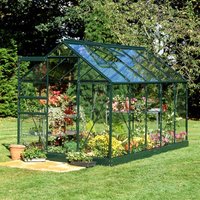
Glass Greenhouse 10×6 for structured growing, bright winter shelter and neat garden lines. Choose glazing style, frame shape and roof form for herbs, tomatoes, tender plants and more.
Light that stays, space that works
A Glass Greenhouse 10×6 brings a clear, defined growing zone into the garden without looking bulky. The 10×6 footprint gives room for long staging, two side benches or a central path with growing space on both sides. That extra width matters. It lets taller crops sit away from the walls, while smaller pots keep close to the bright edges where the light is strongest.
Glass changes the feel of the space straight away. It gives a crisp, open look and allows daylight to move through the structure with less of the hazy cast you may get from other coverings. Inside, the space feels sharp and bright. Plants show their colour well, and the whole frame has a clean outline that suits formal plots as much as relaxed kitchen gardens.
Short note. The light is rich. The space feels calm. The lines are neat.
The 10×6 format in plain view
That 10×6 size is a useful middle ground. It is large enough for serious planting, yet not so wide that the structure swallows the plot. In a narrower greenhouse, movement can feel restricted once trays, pots and tools are in place. In a 10×6, you usually get a clear route through the centre or along one side, and that changes how the room is used day to day.
Because the width is generous, the layout can be split into growing zones. One side may hold propagation trays and early seedlings, while the other side takes climbers, cordon crops or shelving for small pots. A 10×6 glass structure also gives more stable internal conditions than a tiny frame, simply because the air volume is greater and the growing area is less cramped.
- Enough width for benches and a walking lane
- Room for taller crops without crowding the glazing
- Better use of vertical space with staging or shelves
- Clear separation between seed starting and main crops
Glass types, shown side by side
Not all greenhouse glass behaves the same way. The choice of pane can change the feel, look and handling of the structure. In this category, the main differences usually come down to clarity, safety and the way the panes sit in the frame.
Horticultural glass is the traditional option. It is clear and gives a classic greenhouse look, with a bright interior and a very direct line of sight through the panes. It tends to suit gardeners who want that familiar, clean appearance and full light transmission.
Toughened safety glass is stronger and designed to break into smaller fragments if damaged. This makes it a different kind of choice where extra peace of mind is wanted around busy plots, pets or family garden spaces. It still looks crisp, but the key difference is the added safety behaviour.
Overlap glazing and single-pane glazing can also create very different finishes. Single panes often look more traditional and neat, while overlapping methods may change the visual rhythm of the roof and walls. The appearance is not the only difference; the way light and joints sit across the frame also alters the feel inside.
Shapes that change the whole mood
A glass greenhouse 10×6 does not have to look the same from one design to the next. Shape changes the way it meets the garden, the amount of headroom inside and how rain, light and shadow play over the frame.
Lean-to versions sit against a wall and use the building for support. This shape can suit tighter plots where every metre counts. The wall behind may help create a warmer feel and a more sheltered growing line, while the front remains glass-heavy and open.
Victorian-style or traditional ridge-and-furrow lines bring a more decorative feel, often with a balanced roof and straight walls that give good internal order. These shapes tend to suit gardeners who like the greenhouse to stand as a clear feature rather than just a utility space.
Apse-ended or gently curved end forms change the visual flow and can soften the hard lines of the rectangle. Even when the footprint stays 10×6, the end treatment alters how the structure sits in the garden, and how movement through the interior feels.
Different shapes also affect the usable height at the sides. That matters if you want tall tomatoes, climbing cucumbers or hanging baskets near the roof line. A shape with stronger peak height may feel more open overhead, while one with lower sides can be a bit more enclosed, though still full of light.
What the glass gives that other coverings do not
The main advantage of glass is the quality of the light. It is bright, clear and visually clean, which helps the greenhouse feel more like a dedicated room than a covered shelter. The effect is especially noticeable on a 10×6 structure, where the interior space is large enough for the glazing to shape the whole atmosphere.
Glass also gives the greenhouse a composed, permanent look. It suits gardens where the structure is meant to sit in view rather than hide away at the edge. The reflections are sharper. The framing lines stand out more. There is a neatness to it that many plots simply look better with.
Another difference is the way plants are seen. Leaf texture, flower colour and the shape of each tray are easier to read in glass. That sounds small, but for a gardener who likes the space to feel ordered, it makes a real visual difference.
- High clarity for strong daylight
- Clean exterior appearance
- Traditional finish with sharp reflections
- Good visibility for rows, labels and plant spacing
Layout ideas inside the 10×6 frame
A 10×6 greenhouse invites a proper layout, not a rushed one. One common arrangement is a central path with staging on both sides. This keeps movement easy and makes the full length of the house usable. Another approach is a single long bench on one side, leaving the opposite side open for taller crops and free-standing pots.
Tiered staging can work well because it uses the height that glass houses naturally give. Shallow shelving near the walls is useful for trays, young plants and smaller pots. In the centre, deeper benches can carry heavier containers or mixed planting. The difference between these zones is practical, but it also helps the greenhouse feel tidy rather than cluttered.
For gardeners who want a more formal effect, symmetry works well. Matching benches on each side create a balanced visual line. For a looser setup, alternating benches and floor space can make room for taller crops, watering cans and seasonal changes. The 10×6 size is flexible enough for both.
Inside features that alter the use
Small structural details matter in a glass greenhouse because the space is meant to be seen from the inside as much as from the outside. Roof vents, side vents and door placement all change how the air moves and how the interior is arranged. Even without speaking about routine care, these features shape the feel of the room.
A greenhouse with generous headroom lets the upper glass line stay useful rather than wasted. This is useful where hanging space or tall plants are involved. A lower or more compact profile will feel more enclosed, which can suit a sheltered garden corner and give a snug, inward character.
The position of the door also affects flow. A centred door gives a straightforward entry line, while an offset door can free up one side for continuous benching. In a 10×6 frame, that choice is often the difference between a space that feels split and one that feels smooth.
One thing people often notice late is how much the floor line matters. A level base makes rows read clearly, and the glass walls then form a proper frame around the growing area. It sounds tiny. It is not tiny in use.
Good uses for different plant groups
A 10×6 glasshouse suits more than one kind of planting style, because the scale lets different groups sit apart from each other. Tender bedding plants can stay near the brightest spans of glass, while taller cordon crops take the centre line. The result is a clear working order that helps each crop type claim its own space.
Seed trays and early potting-on often work best along the easier-to-reach edges or on shallower staging. Herbs, which are often kept in smaller pots, fit neatly on shelves and side benches. Tomatoes and cucumbers need more height and stronger support, so they belong where roof space is not wasted.
If the structure is being used for display as well as growing, smaller flowering pots can sit in the front sections. The glass makes bloom colour pop sharply, so mixed pots and seasonal colour look very defined. This is one reason many gardeners choose glass over opaque coverings when the greenhouse is visible from the house or patio.
Subtypes that answer different garden needs
Within this category, the most useful differences often come from the subtype rather than from size alone. A free-standing greenhouse gives full access around all sides and tends to feel like a central feature in the garden. A lean-to glass greenhouse uses wall support and may suit narrower plots, courtyards or side returns.
A traditional span roof keeps the classic profile, with even lines and clear pitch. A more compact low-eaves form can sit lower in the garden line, which changes the visual weight of the building. A greenhouse with box gutters or a more formal edge detail may look cleaner in a row of ordered structures, though the overall character remains very different from a simple garden shed with windows.
The choice between these subtypes is less about fashion and more about how the building should sit in the plot. If the greenhouse is meant to lead the eye, a taller, cleaner form often has the stronger presence. If it needs to blend in, a lean-to or lower profile can sit more quietly.
Small choices that change the big feel
Frame colour, glazing pattern and roof line each shift the mood more than people expect. A pale frame can make the glass read lighter and brighter from outside, while a darker frame can sharpen the geometry. Narrow glazing bars create a more intricate rhythm; wider bars make the structure read bolder and more solid.
Door style matters too. A wide opening gives an easy route for trays and pots. A more compact door can look neat and fitted into the frame, though it may change how the front elevation feels. On a 10×6 greenhouse, those front details are seen often, so they become part of the garden view rather than just a practical afterthought.
Then there is the roof pitch. A steeper pitch gives a more pronounced profile and can make the greenhouse look taller and more architectural. A gentler pitch keeps the outline lower and calmer. Neither is a general answer; each creates a different visual language.
- Steeper roof lines give stronger height presence
- Darker frames sharpen the outline against planting
- Wide doors help with trays and larger containers
- Glazing bar spacing changes the exterior rhythm
Choosing with the plot in mind
When selecting a glass greenhouse 10×6, it helps to look at the garden as a whole. A formal garden may suit the straight edges and clean shine of glass more than a cluttered corner. A softer, cottage-style plot may benefit from a traditional shape that sits among borders and paths without feeling harsh.
Light direction matters here as well. A greenhouse that receives a strong run of sun will show the glass at its brightest. A more shaded position can still work, but the visual effect will be different, with reflections and transparency becoming more muted. The structure should sit where it can be read clearly, both from inside and out.
The 10×6 footprint is generous enough to justify planning in zones before planting begins. That planning is not about fussiness. It simply makes the space behave more like a garden room and less like a store of pots. A good layout gives each section a purpose, and that is where the house starts to feel truly usable.
A structure with a clear line and a bright edge
There is something distinct about a glass greenhouse that other coverings struggle to match. It has a crispness. The light lands differently. The frame sits with a kind of drawn precision, especially in a 10×6 size where the proportions are large enough to show off the shape. For many gardens, that is part of the appeal: the structure looks measured, not makeshift.
This category suits gardeners who want clarity in the layout and clarity in the look. It supports rows, zones and careful plant placement. It also brings variation through glass type, roof shape and structural form, so the same footprint can feel quite different from one version to another.
In the end, the difference lies in how the space is read. Bright. Ordered. Distinct. And properly yours.
- Glass greenhouse 10×6 with defined growing zones
- Horticultural glazing for traditional clarity
- Toughened panes for safer handling characteristics
- Lean-to form for wall-backed siting
- Ridge roof profile for classic geometry
A neat glass house changes a border. It changes the view. It changes the way plants line up.