
Glass Greenhouse 14x8 - Best offers in UK
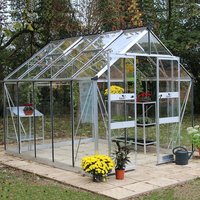
Glass greenhouse 14×8 options bring a bright, framed growing space with clear views, steady light and room for beds, paths, staging and taller crops. This size suits keen growers who want more than a starter structure.
Light, lines and that clear-glass feel
A 14×8 glass greenhouse sits in a useful middle ground: long enough for raised growing runs, yet not so wide that the layout loses shape. The glass gives a crisp, open look and lets daylight travel deep into the house, which matters when you are lining up tomatoes, cucumbers, peppers, cut flowers or propagation trays along the same span. It also gives the interior a more defined sense of space than smaller frames can offer.
The proportions make this category especially interesting because the length creates flow, while the 8ft width keeps the structure practical on a standard plot. You can divide the interior into a working side and a growing side, or keep both edges for crops and use the centre as a clear corridor. That split is simple, but it changes how the house feels day to day.
The shape of the space, not just the size
In this category, the term 14×8 greenhouse dimensions does not describe one single layout only. The footprint can support different roof profiles and side shapes, each bringing a slightly different character and interior use.
- Lean-to style for a tucked-in build against a wall, where the depth works well in narrower gardens.
- Freestanding span for a fully open structure with access on all sides and a more balanced growing plan.
- Victorian ridge look with a classic roof line and a more decorative profile.
- Contemporary straight-sided form for cleaner lines and easier use of the full height along the edges.
- Wide-eaves design for extra shoulder room under the glazing, which helps with staging and taller plants.
Those shapes do not just change appearance. They alter where you can place shelves, how much headroom sits near the sides, and how much light reaches the lower crops. A straight-sided frame feels sharper and more box-like. A roof with more pitch can shed rain differently and give the interior a slightly taller centreline. These are small differences, yet they matter when the greenhouse is used every week.
Frames that set the tone
With a glass house of this size, the frame choice shapes the whole mood. Aluminium gives a lighter visual finish and narrow sightlines, so the glazing takes centre stage. Timber brings a warmer, traditional character and can suit older garden settings with paths, brick borders or orchard planting. Powder-coated finishes add another tone entirely, often blending more quietly with fences and planting backdrops.
There is also a practical difference in how the frame presents the interior. Slim frame sections can make the house feel wider, while chunkier members create a stronger outline around each bay. In a 14×8 footprint, that visual balance is worth noticing because the structure is large enough to become a feature, but still small enough to sit within the garden rather than dominate it.
Glass choices and what they do differently
The phrase horticultural glass panels covers more than one approach, and the type of glass makes a clear difference in look and use. Traditional single glass keeps the classic greenhouse brightness and the sharp reflections people often want from this kind of house. Toughened glass, where available, brings a stronger feel to the panel choice and a different level of impact resistance. Some buyers prefer smaller panes for the familiar pane pattern, while others lean towards larger sheets for a cleaner finish.
Differences also show up in how the glazing reads from outside. Small panes give a finer, more period-style grid, while longer runs of glass look more open and modern. The choice is partly about style, but it also changes the rhythm of the wall and roof. A more detailed pane pattern can give the structure a traditional outline, whereas broad panes make the shape seem lighter from a distance.
What fits inside a 14×8 layout
This footprint gives enough room for several growing modes at once. It can hold long crop runs, a central aisle, and a few dedicated task zones without feeling cramped. That is one reason many gardeners look for a medium-large greenhouse footprint instead of stepping up to a much bigger build.
- Tomato bays along the sunniest side, with cane support and deep root space.
- Propagation runs for trays, modules and early-stage seedlings.
- Bench seating or narrow staging for pots, tools and inspection space.
- Climbing crop zones for cucumbers, melons or other vertical growers.
- Side shelving for herbs, labels, compost bags or watering cans.
The extra length means you do not need to choose between growing and working. You can keep one end more open for potting and the other end fuller with crops. That split is useful when the greenhouse is not just for display but for regular, hands-on growing through the season.
Why this size feels different from smaller houses
A garden glasshouse 14×8 has a more measured presence than a compact 6×8 or 8×6 unit. Smaller houses often force a single purpose: propagation, overwintering or a tight row of tomatoes. The 14×8 size makes room for more than one purpose at once. It can hold spring seedlings, summer fruiting plants and a work surface without making you shuffle everything every week.
The difference is not only in capacity. It is in movement. A longer house gives you a sense of progression as you move through it, which is useful when you want to separate hot spots, shaded corners and working areas. Even the way you open the door, step in, and scan the beds changes the experience. It feels more like a working room than a small box.
Classic, contemporary and framed-in-between
There are several visual directions inside this category. A traditional glass greenhouse with slender bars and a pitched roof gives the familiar line many gardeners expect. A more modern version may use straighter edges and broader glazing, creating a calmer exterior and less ornament. Some builds sit between the two, keeping the glass-house feel but removing extra flourish.
That difference matters if the greenhouse needs to sit beside a cottage border, a brick wall, a formal lawn or a more pared-back garden scheme. The same 14×8 size can read as either a gentle heritage piece or a clean-lined working structure. The footprint stays the same, but the tone alters how the building belongs in the plot.
Use it for more than one season’s work
Because of its length, this category suits a changing flow of plants through the year. Early on, it can hold sowings and tender starts. Later, it becomes a canopy for taller crops and pot-grown plants. The same structure can then shift again for autumn displays, citrus, cuttings or stored plants that need bright cover rather than full exposure.
A useful greenhouse for seedlings and crops needs enough depth to separate stages of growth. In a 14×8 format, you can keep young plants nearer the door side and reserve the warmer rear zone for established growth. That makes the space easier to read at a glance. You can see which trays need moving on and which rows are already settled in place.
Small details that alter the whole layout
In this size range, little decisions carry weight. Door position changes how the interior opens up. A single door gives a neat central entry, while double doors widen the access and suit larger trays or wheelbarrow movement. Vent placement affects the feel of the roof space, and the line of the eaves shapes how much usable height reaches the edges. These are not dramatic features, but they make a real difference to how the greenhouse is used.
The width also affects aisle planning. Eight feet gives enough room for a central path with borders at each side, or a broader work route with shallower growing zones. That choice alters the greenhouse from a dense crop house into a more open growing room. The best layout depends on whether you want more floor space for standing, or more edge space for plants.
What buyers often compare in this category
People looking at this size usually compare the structure on a few clear points. The points are simple, but they shape the final choice more than decorative detail.
- Overall span versus the available garden length.
- Roof pitch and how it affects headroom and character.
- Frame finish for visual tone and garden fit.
- Pane pattern for traditional or cleaner appearance.
- Door style for access, airflow and moving larger items.
- Side height for usable space along the edges.
Comparing these points helps separate a greenhouse that merely fits the plot from one that fits the way you actually garden. The 14×8 category has enough presence to reward those choices, so it is worth looking beyond the first glance.
Useful placement thoughts before you buy
Placement is part of the category too. A free-standing glass greenhouse in 14×8 needs enough clear room around it to feel settled in the plot, especially if you want access for cleaning glass, opening vents or working around the outside. A wall-side position can change the light pattern and give a more sheltered feel, while an open position allows daylight from more angles and a stronger full-structure profile.
It is also worth thinking about what sits beside it. Nearby hedges, sheds, fences and trees alter the visual line and the light that reaches the panels. A greenhouse with clear glazing can look crisp in a tidy run of beds, but it can also become a bright centrepiece against darker boundaries. That contrast often gives the structure more presence than a smaller model would.
Where the category earns its place
A 14×8 glass greenhouse is not a tiny add-on and it is not a vast conservatory-like build either. It sits in a practical band where the space feels grown-up without becoming unwieldy. That is why it suits gardeners who want room for more exact planting plans, longer lines of crops and a structure that reads as part of the garden design.
The clear glass, the measured footprint and the choice of frame style all work together. Some buyers lean towards a heritage greenhouse shape for the look. Others look for straightforward straight walls and a sharper outline. Both can sit within this category, but the effect is different: one carries a softer echo of old glasshouses, while the other feels more restrained and modern.
Quick notes that keep the picture clear
Longer span. More room.
Glass brings sharp light.
Shape changes the feel.
Width affects the layout.
Frame choice shifts the mood.
The category in one glance
If you are browsing glass greenhouse 14×8 options, think in terms of space, outline and flow. This size gives enough reach for mixed planting, enough width for a practical aisle, and enough height variation to make the roof line matter. The differences between traditional, contemporary, freestanding and lean-to versions are not just cosmetic; they decide how the house sits, how the light moves, and how the interior works from spring through to the later months of the year.
For gardeners who want a greenhouse that can handle more than a single crop plan, this footprint has a useful balance. It offers the clear look of glass, the structure of a proper working room, and the flexibility to arrange the interior in a way that matches the garden rather than forcing the garden to adapt. A fine line. A bright frame. Space that feels used, not wasted.