
Glass Greenhouse 6x4 - Best offers in UK
Showing the single result
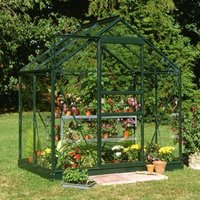
Glass Greenhouse 6×4 for compact growing spaces, narrow plots and bright planting. Compare lean-to, freestanding and Victorian styles, glazing types, frame choices, and practical layout ideas for herbs, seedlings and tender crops.
Small Footprint, Clear Growth
A glass greenhouse 6×4 brings a tidy shape to gardens where every metre counts. The 6×4 size sits neatly between a mini grow house and a larger glazed structure, giving enough room for staging, pots and a central working strip without turning the plot into a glass box. It feels ordered, not crowded.
Because the glazing is transparent, light travels deep into the interior and keeps the space visually open. That matters in smaller gardens, where a solid structure can feel heavy. With glass, the outline stays crisp. The view through it is clean. It sits well beside brick, fencing, gravel and beds.
One of the quiet strengths of this size is proportion. A 6×4 greenhouse can look delicate from a distance, yet still carry a useful growing zone inside. It often suits courtyards, patio edges and side return areas where height and width need to be controlled. Small plot, strong presence.
The Shape Behind the Size
Not every 6×4 greenhouse is arranged in the same way. The most common forms are freestanding, lean-to and compact Victorian-inspired designs. Each one changes how the structure sits in the garden and how the internal space feels.
Freestanding versions stand on all sides and allow access from every angle. They suit open borders and stand-alone pads where the greenhouse can become a focal point. Lean-to versions attach to a wall, which can help the structure feel tucked in and make the most of sheltered positions. Victorian-style forms bring a pitched roof and decorative ridges that create more headroom in the centre, while still keeping the footprint tight.
The roof line also shifts the experience. A sharper pitched roof can move condensation more efficiently across the glazing, while a lower profile creates a more compact look. Some 6×4 structures use a fairly squat frame for a neat silhouette; others stretch slightly taller for more standing room. The difference is felt quickly once shelves and staging are added.
Why Glass Changes the Feel
Horticultural glass glazing gives the greenhouse a clear, bright character. Unlike opaque sheets, glass lets you see plant movement, leaf colour and spacing without stepping inside. It suits gardeners who like the room to feel open, with no dull panels interrupting the view.
There is also a visual contrast that matters. Glass reflects sky, trees and surrounding plants, so the greenhouse can blend into the setting while still holding its own. In a 6×4 format, that balance is useful: the structure can remain noticeable, but it does not overpower the garden.
Different glass options change the feel further. Traditional horticultural glass gives a crisp finish and a classic greenhouse look. Toughened glass offers a different kind of reassurance through its break pattern and robustness. On some structures, both the side panels and roof panels follow the same style; on others, the roof uses a different pane specification from the walls. That is not a trivial detail. It alters both appearance and how the greenhouse is used.
Frames, Lines and Proportions
The frame matters as much as the glazing. In a powder-coated aluminium frame, the lines are slim and modern, with a neat outline that keeps the focus on the plants. Aluminium also helps the greenhouse retain a lighter visual profile, which suits a 6×4 footprint especially well.
Powder-coated steel frame designs can bring a more solid, structured look. They often feel robust in appearance and may suit settings where a stronger architectural line is preferred. The choice between aluminium and steel is not only about style; it changes the visual weight of the greenhouse and how it sits among planting, paving and boundary walls.
Frame colour has a role too. Green blends into borders and lawn edges. Black gives sharper definition. Silver reads cooler and more contemporary. Each one changes whether the greenhouse recedes quietly or becomes a clear statement piece. In a smaller garden, this can shift the whole balance.
Compact Yet Not Cramped
A 6×4 layout can be surprisingly flexible. The narrow width encourages disciplined use of space, but it doesn’t force a rigid arrangement. One side might hold staging, while the other keeps floor space open for taller pots or a potting bench. It is a structure that rewards tidy placement.
Typical internal arrangements include:
- One long shelf line for seed trays and small pots
- Low staging for propagation and early crops
- Floor space for taller containers or a compact rain butt nearby
- Hanging rails for baskets or climbers needing temporary support
- A central aisle if the structure has enough internal width and door opening
The key is balance. If the greenhouse is overloaded with shelving, the glazing loses some of its visual effect and movement becomes awkward. If it is too empty, much of the 6×4 area goes unused. The right arrangement depends on whether the space is for propagation, display, overwintering or a mix of all three.
Styles That Sit in Different Gardens
There are several subtypes within the glass greenhouse 6×4 category, and each carries a different mood. A low, straight-sided greenhouse often suits modern spaces with crisp paving and geometric beds. The result is orderly and restrained. A more ornate version with ridge detailing and curved eaves feels looser, older, and more rooted in traditional kitchen garden thinking.
A lean-to version takes a different route. Because it borrows the wall behind it, the greenhouse can feel partly sheltered and visually anchored. That can suit narrow gardens, brick courtyards and side passages where a free-standing build would dominate. The wall also changes how the structure reads from the outside; instead of sitting in the middle of the plot, it becomes part of a boundary line.
A freestanding greenhouse, by contrast, can become a garden feature. Set against a hedge or framed by beds, it offers access all round and creates a more complete glass volume. In a 6×4 size, that can feel tidy and self-contained. It is a small room made of light.
What Makes the 6×4 Format Distinct
The main difference between a 6×4 greenhouse and larger formats is not simply size. It is how movement, light and layout work together. In a bigger structure, paths can branch, staging can spread, and the interior may need zones. In a 6×4 greenhouse, the space reads as one clear unit.
This makes the structure more immediate. Every tray, shelf and pot is visible at once. The advantage is control. The drawback is that there is less room for excess. That is why the 6×4 format often suits gardeners who want a focused growing area rather than a sprawling one.
Compared with a 4×6 variation used the other way round, the orientation can affect where the door sits, how shelves line up and whether a person can move comfortably with trays in hand. Even when the dimensions are the same, the layout can feel different. It is a subtle thing, but very real once the greenhouse is in use.
Useful Traits People Often Look For
When choosing a glass greenhouse in this size, the finer points matter more than the headline dimensions. Some of the most commonly checked traits are:
- Roof pitch and ridge height for standing room
- Door style, including single, double or sliding access
- Side wall height for shelf clearance
- Panel format and glazing line visibility
- Base compatibility and overall footprint accuracy
- Vent opening positions for flexible airflow control
These details alter the experience inside. A slightly taller side wall can make a noticeable difference when carrying trays. A double door opening helps with wide planters. A clean panel line creates a more elegant exterior. None of these changes the category name, but all of them change how the greenhouse works day to day.
Light, Reflection and Interior Mood
Clear glass panels create a brighter interior and let the greenhouse feel lively even when it is partly empty. The surfaces catch morning light, fade softly in overcast weather and glow more strongly in late afternoon. That shifting appearance is one reason glass structures are often chosen for visible garden positions.
There is a difference between full transparency and more textured finishes. Clear glazing gives sharp lines and strong sightlines. It also shows exactly how the shelves and staging are arranged, which can be useful if the greenhouse has a neat potting layout. Diffused or patterned glass softens the view and can reduce the intensity of direct sun across the interior. In a 6×4 greenhouse, the choice is not just decorative; it affects how the small interior feels when you step in.
The outside appearance changes through the seasons too. Bare branches in winter reflect off the panes. Summer borders blur into the glass. Rain gives the structure a different tone altogether. It can look sharp, then soft, then mirrored. All of that belongs to the material.
Practical Tips That Fit the Category
For a greenhouse of this size, good decisions are often about space discipline rather than adding more features. If the structure is going to host seedlings, keep the lower levels open enough for trays and watering access. If it is intended for taller pots, reduce shelving and let the central area breathe. The space should match the purpose.
Match the frame style to the garden setting. A narrow brick courtyard often suits dark or neutral frames that sit quietly against walls. A lawn edge or mixed border may take a greener finish better, especially if the greenhouse needs to recede into planting. In a small garden, colour is not a minor choice; it shapes the visual size of the structure.
Think about how the door sits in relation to the rest of the plot. A greenhouse placed where movement is awkward can feel smaller than it is. One that opens onto a clear run of paving or path reads more generously. That simple point often gets overlooked.
Different Uses in the Same Footprint
A 6×4 glass greenhouse can serve several roles, depending on the internal layout and glazing choice. For propagation, it offers a bright, contained zone for trays, plugs and early sowings. For display, it becomes a neat house for terracotta pots, labels and plant collections. For overwintering, it gives a sheltered glazed room with enough structure to keep a set of tender plants together.
The same footprint can also suit mixed use. One side can hold propagation trays while the other supports taller containers or ornamental specimens. This works best when the interior has a clear working line and the shelves do not pinch the walkway. A muddled arrangement can make the greenhouse feel smaller than the numbers suggest.
Short sentence. Clean lines. Bright glass. Tight space.
Subtle Differences That Matter
What separates one 6×4 greenhouse from another is often the relationship between pane size, frame depth and roof geometry. Larger panes can reduce the number of visible joints, making the structure feel smoother. Smaller panes give a more segmented, traditional appearance. Deeper framing changes how much structure is visible from outside, which affects the overall character of the build.
Vent placement is another difference. Roof vents feel high and help the greenhouse keep a layered look. Side vents can read as more practical and discreet. Some structures lean toward symmetry, with vents placed evenly; others keep the design simpler and more minimal. These are the sorts of details that help one model fit a particular garden more neatly than another.
It is worth noting that small dimension changes can alter the internal feel a lot. A few extra inches in height may improve standing room. A slight increase in side wall depth can change shelf capacity. So although the category says 6×4, the proportions around that footprint are where the real distinctions often appear.
A Clean Finish with Character
There is something quietly neat about a glass greenhouse in this format. It is not trying to fill the garden. It sets a shape, holds the light and gives plants a clear place. The visual result is tidy, but not cold. There is warmth in the reflections, and structure in the lines.
For gardeners comparing forms, the category offers clear choices: freestanding for openness, lean-to for shelter and wall support, ornate for a more traditional outline, minimalist for a sharper look. Each one keeps the 6×4 footprint, yet each one tells a different story once it is in place.
That is the charm of this size. Small, but not slight. Bright, but not showy. It does its job with a steady presence.
Quick Points to Scan
- 6×4 glass greenhouse suits compact plots and narrow runs
- Freestanding greenhouse gives access all around
- Lean-to greenhouse works well against a wall or fence line
- Victorian greenhouse style adds a taller, more decorative roof profile
- Clear glazing keeps the interior bright and visually open
- Aluminium frame brings a lighter outline
- Steel frame creates a firmer visual presence
- Layout choices change how roomy the 6×4 footprint feels
- Small differences in height and roof pitch can alter the interior use
Little space, lots of light.
Glass does the talking.
Clean lines. Clear view.
A small frame, yet it holds a lot of character.