
Lean To Greenhouses - special offers - Best offers in UK
Showing 25–28 of 28 resultsSorted by price: low to high
-
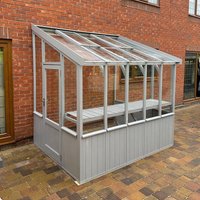
13% discount: 8’1 x 4’9 Coppice Hatfield Lean To Painted Wooden Greenhouse (2.47m x 1.45m) £3,929.0013%
-
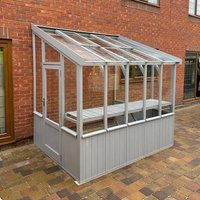
11% discount: 8’1 x 6’4 Coppice Hatfield Lean To Painted Wooden Greenhouse (2.47m x 1.93m) £3,989.0011%
-
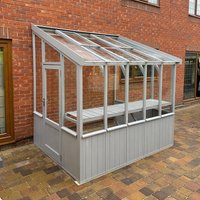
12% discount: 8’1 x 7’10 Coppice Hatfield Lean To Painted Wooden Greenhouse (2.47m x 2.4m) £4,039.0012%
-
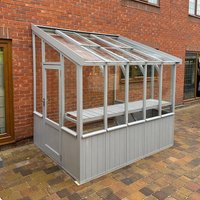
12% discount: 8’1 x 9’4 Coppice Hatfield Lean To Painted Wooden Greenhouse (2.47m x 2.85m) £4,289.0012%
Lean to greenhouses special offers bring wall-fixed growing space, slim profiles, glazed panels and smart price cuts for patios, yards and side passages; compare shapes, glazing, frames and door styles before choosing one.

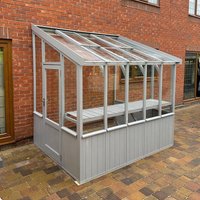
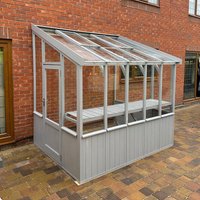


Wall-Hugging Frames with a Useful Job
Lean to greenhouses sit against an existing wall, so they borrow strength from the building and use less ground than a free-standing house. That pared-back footprint makes them a strong fit for narrow runs beside a kitchen wall, a shed, a garage or a boundary fence. The shape is not flashy; it is a practical slope that catches light and keeps the footprint tight. In lean to greenhouse offers, this format often turns up as a quieter line in the range, yet it can be one of the most useful choices when the garden has a slim strip that would otherwise go unused.
Two brief lines here.
Very neat. Very tidy. Very wall-led.
The sloping roof is the most recognisable part, but the real point is how the structure tucks in. Because one side is fixed to masonry or another sound surface, the greenhouse often feels more settled in a confined plot. That gives it a different character from a free-standing model, where access surrounds all sides. You can often use the back wall as a thermal buffer, too, which changes how the space behaves through the day.
Shapes That Change the Feel of the Space
Not all lean-to designs behave the same way. Some are low and narrow with a modest roof pitch, while others stretch taller at the front and feel more open at the working end. This affects where you stand, how much headroom you get, and what can sit inside without crowding the ridge line.
- Low-profile lean to: suited to compact side passages and spaces where height is limited beneath eaves or windows.
- Tall-front lean to: gives more standing room at the outer edge and can feel less cramped for taller growers.
- Single-door layout: keeps the front clean and simple, often used where access comes from one main route.
- Corner-friendly form: works where a wall turns or where the greenhouse needs to sit close to an awkward boundary.
- Extended run design: creates a longer growing strip along a wall, useful when width is tight but length is available.
The differences matter. A taller front may seem minor on paper, but in use it changes where staging can sit and whether larger pots feel boxed in. A lower unit can blend into the side of a house more quietly, yet it may suit herbs and seedlings better than tall canes or hanging baskets. The shape should follow the site, not fight it.
Glazing Choices with a Clear Job to Do
One of the main splits in lean-to greenhouse offers is glazing. Glass gives a crisp, traditional finish and can suit a wall-mounted structure where light travel is important. It has a sharper look and often brings a cleaner view through the panels. Polycarbonate has a softer, more textured finish and is usually chosen when people want a lighter panel set or more impact resistance. Both have their place, and the choice changes the feel of the house quite a lot.
horticultural glass tends to suit buyers who want a classic paneled look and strong daylight transmission. It can give the greenhouse a bright, clear character. toughened glass is chosen where extra resilience is wanted and where the panels need a sturdier feel. polycarbonate panels bring a different surface, often with a more diffused brightness that softens the look from outside. These are not just material labels; they shape how the greenhouse sits against the wall and how the interior reads at a glance.
Small difference, big effect. Light moves differently. Shade does too.
When comparing special offers, look at whether the glazing is standard in the package or whether the sale price applies to a specific panel type. That detail can make two apparently similar lean-tos feel quite different once the specification is checked.
Frames, Finishes and the Lines of the Build
The frame also changes the category feel. Aluminium frames are common in lean-to greenhouse ranges because the material keeps a slim profile and can suit the sharp lines of a wall-mounted build. The result looks neat and purposeful rather than bulky. Timber-framed options have a warmer, more furniture-like appearance and can soften the transition between house and garden wall. Each finish carries a different visual weight.
- Aluminium frame: slim, angular and clean; often chosen where a narrow side return should not feel crowded.
- Timber frame: more traditional in tone; suits gardens where the greenhouse should blend with wood and masonry.
- Powder-coated finish: adds a coloured outer surface and can help the greenhouse match doors, trim or fencing.
- Natural wood finish: gives a softer edge and can sit well against brick or rendered walls.
Different frames also affect the lines of the roof and the sense of depth. A slimmer frame can leave more visible glazing, which may suit buyers who want the wall-mounted unit to read as light and open. A chunkier timber build can bring visual presence, making the greenhouse feel more like part of the garden architecture. There is no single right answer; the site usually decides.
Door Positions and Access Paths That Matter
Lean-to greenhouses are often placed where access is tight, so the door position becomes important. Some have a front-opening arrangement, while others work with side access depending on the wall line and the route through the garden. A door that opens into a narrow passage can be awkward if the surrounding route is already busy. A better-fitting door placement can make the whole structure easier to use without changing the footprint.
Check which side the wall is on, where gutters or downpipes sit, and how far the greenhouse projects. If the door has to open into a path used for bins, tools or daily movement, the special offer may not be as useful as it first looked. A lean-to should suit the route it lives on.
Why the Wall Side Changes the Experience
The wall is not just a place to fix the structure. It changes the interior feel. Brick, stone and rendered walls absorb and release warmth differently, so the background surface behind a lean-to greenhouse can influence how the space behaves over the day. A solid wall can also give the greenhouse a more anchored, integrated look, almost as if it has grown from the house rather than been added later.
attached greenhouse layouts often appeal where a side return, yard or narrow strip needs a defined purpose. They also keep the garden’s open centre less interrupted than a larger free-standing unit might. That difference makes lean-to styles useful where the main lawn or planting area must stay clear. space-saving greenhouse wording often crops up in special offers for this reason, and in this category it is more than a marketing phrase. The footprint really is modest.
Special Offers That Are Worth Reading Properly
Sale pages can hide useful details in the small print, so it pays to compare the structure, not just the headline price. A reduced lean-to may include one panel type, one frame colour or one specific sizing band. Another offer may look dearer at first but come with thicker glazing or a taller side wall. In this category, the real difference often sits in the specification.
- Ex-display units: sometimes listed at lower prices, usually reflecting stock movement rather than a changed shape.
- Seasonal reductions: often linked to stock clearance, colour choice or limited batch availability.
- Bundle pricing: may include a particular glazing or frame option within the offer.
- Size-led discounts: can apply to narrower widths or longer runs, depending on what the shop needs to move.
Read the dimensions carefully. Measure twice. Buy once.
Also look at what sits behind the price: roof pitch, wall height needed, glazing type and door arrangement. These are the details that separate one lean-to from another, especially when the sale label makes everything sound similar.
Understated Strength in Narrow Spaces
A lean-to greenhouse can change a thin, overlooked strip into a working growing zone without asking for a large plot. That makes it useful in terraces, courtyards, side alleys and yards where a full glasshouse would feel too broad. The shape follows the boundary line, which can make the garden feel more ordered. It also keeps one side sheltered by the wall, so the structure often feels less exposed than an open-sided placement.
The compact build is not only about size. It also affects the sense of privacy. Because the greenhouse hugs a wall, it may sit lower in the visual field and draw less attention from neighbouring windows. That is handy when the garden is close-set and the route beside the house is already busy. A lean-to can look calm rather than imposing.
Useful Differences Between Small and Long Runs
Shorter lean-to greenhouses often suit herbs, propagation trays and smaller pots, especially when wall space is limited. They can tuck in beside a back door or along a short yard. Longer models feel different: they create a strip of working length that can separate sowing, potting and display without needing much width. If the wall allows it, a long run can be more flexible than a square unit.
Height also plays a part. A short, squat greenhouse may sit quietly under a roofline, but it can reduce air space for taller crops. A taller front gives more breathing room and changes how shelves, staging and hanging lines can be arranged. Even the angle of the roof can alter the way light falls onto the back wall. These differences are small on a drawing, yet they shape the daily use of the space.
Quiet shape. Sharp angle. Narrow edge.
Buying Tips That Fit This Category
When looking at lean-to greenhouse special offers, start with the wall height and the available run along the side of the property. Then check the depth projection, because a greenhouse that seems modest online may feel more assertive once placed against a narrow passage. The best buy is not the cheapest one; it is the one that fits the wall, the route and the available opening space.
- Match the roof line to windows, gutters and overhangs so the structure sits cleanly beneath existing features.
- Compare glazing thickness and panel type rather than relying on the sale title alone.
- Look at door swing and opening side so access does not clash with walkways.
- Check whether the frame colour is part of the offer or only available on select lines.
- Measure the actual wall length, because a lean-to can feel tighter once fitted than it did on screen.
If you need a greenhouse for a narrow side return, choose the profile that respects the width first. If the garden offers length but not breadth, a longer lean-to may suit better than a deeper design. That simple check often saves a lot of second-guessing later.
A Category with a Clear Purpose
Lean-to greenhouses work because they do not try to do everything. They follow a wall, use space carefully and turn a thin side area into a structured growing place. In special offers, that practicality is joined by a better price point, but the important part remains the same: the shape, the glazing, the frame and the door all need to line up with the site.
For buyers comparing greenhouse sale lines, wall mounted greenhouse formats and garden greenhouse offers, the lean-to category stands apart through its slim profile and its close relationship with the building. It feels more fitted than free-standing options, more directional in its layout and often more suited to awkward garden edges. If the wall is right, the size is right and the finish suits the setting, the whole structure slots in with little fuss.
It fits the wall. It saves width. It earns its space.