
Metal Bike Storage 6x3 - Best offers in UK
Showing all 8 resultsSorted by price: low to high
-
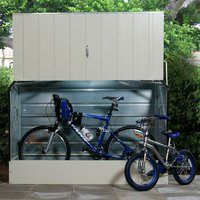
21% discount: 6’4 x 2’9 Trimetals Metal Bike Shed – Cream (1.95m x 0.88m) £629.9921%
-
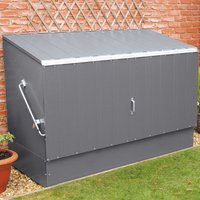
21% discount: 6’4 x 2’9 Trimetals Metal Bike Shed – Anthracite (1.95m x 0.88m) £629.9921%
-
15% discount: 6’4 x 2’9 Trimetals Ramped Metal Bike Shed – Anthracite 1.96m x 0.89m £849.9915%

-
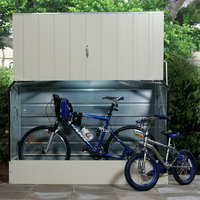
15% discount: 6’4 x 2’9 Trimetals Ramped Metal Bike Shed – Cream (1.95m x 0.88m) £849.9915%
-
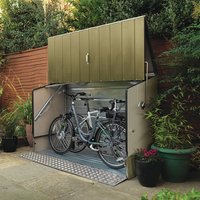
15% discount: 6’4 x 2’9 Trimetals Ramped Metal Bike Shed – Green (1.95m x 0.88m) £849.9915%
-
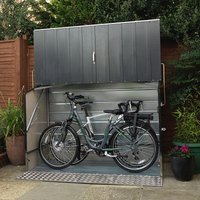
18% discount: 6’4 x 2’9 Trimetals Protect.a.Cycle Metal Bike Shed with Ramp – Anthracite (1.95m x 0.88m) £1,019.0018%
-
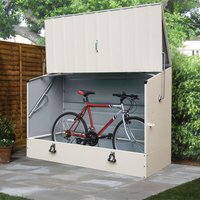
18% discount: 6’4 x 2’9 Trimetals Protect.a.Cycle Metal Bike Shed with Ramp – Cream (1.95m x 0.88m) £1,019.0018%
-
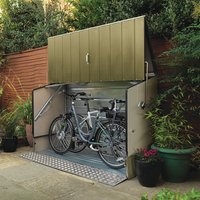
18% discount: 6’4 x 2’9 Trimetals Protect.a.Cycle Metal Bike Shed with Ramp – Green (1.95m x 0.88m) £1,019.0018%
Metal bike storage 6×3 brings a compact, steel-built place for bikes, helmets and everyday ride gear, with a slim 6×3 footprint that suits tighter gardens, side paths and courtyards.


A Narrow Footprint with Room to Work
A 6×3 bike store sits in that useful middle ground: small enough to tuck beside a fence, yet wide enouf for a neat row of bikes without turning the garden into a squeeze. The 6×3 shape gives a clear layout for family cycles, commuter bikes, a childs bike, or a mix of bikes and kit, depending on how the interior is arranged. Because the format is rectangular, it usually feels easier to plan than a square unit; the long side can take the line of handlebars, while the shorter side keeps the depth manageable.
Small footprint. Clear access. Less clutter.
Metal construction also changes how the space feels. Instead of soft walls that can bow or sag, you get firmer edges and a stronger sense of order. That matters when the goal is to keep bikes standing straight, not leaning on each other like a row of skittles.
Why Metal Changes the Whole Setup
In this category, steel bike storage and other metal versions tend to be chosen for their rigid frame, clean lines and practical resistance to knocks. The shell does not flake into the same day-to-day fuss as timber can, and the walls are often formed to create a more enclosed storage pocket. For bike owners, that means less wobble around the entrance, more confidence when lifting a heavier bike inside, and a neater feel when the doors are closed.
Metal units also suit busy households where bikes are used often. A push of the door, a quick lift of the wheel, in and out. No drama.
That is one reason garden bike shed 6×3 searches often bring up metal options: the size is modest, but the material gives the structure more presence than a light-framed store.
Shapes You’ll See in the Range
Within the 6×3 category, there are a few common roof and front styles that change how the store looks and how it fits the space around it:
- Apex roof bike store units create a central peak, which can feel more traditional and gives a stronger shed-like outline.
- Pent roof bike shelter designs slope in one direction, often helping the building sit lower against a wall or fence line.
- Single door bike storage keeps the frontage simple, with one opening that works well where access is tight.
- Double door bike shed layouts give a wider entry, which can help when storing bulkier bikes or moving things in and out.
- Metal cycle store styles may use a more box-like profile for a crisp, practical look that suits modern gardens.
These differences are not just visual. They affect headroom, doorway width, and how smooth the daily routine feels. If you keep a cargo bike, the door width matters more. If you want the store to sit low under a boundary line, pent styles can make more sense.
What Fits Inside a 6×3 Space
The appeal of a 6×3 store is the balance between compact external size and usable internal room. Bike shelter for two bikes is a common starting point, but many households use the space for three bicycles if the frames are arranged with care. Some choose to leave one side for accessories, while others line bikes along the long wall and keep the centre lane clearer for movement.
Useful items often include:
- Children’s bicycles and scooters
- Adult commuter bikes
- Helmets and gloves on hooks or shelves
- Spare inner tubes and small repair kits
- Locks, pumps and lights
Because the category is centred on storage, the real question is not only “how many bikes?” but “how they stand inside”. A tidy arrangement can make a modest 6×3 structure feel less cramped, while a cluttered one can make even a larger store feel awkward.
Doorways, Access and Daily Use
Secure bike enclosure features often start with the door, since that is the part you touch every day. Wide doors are useful if handlebars are broad or if you wheel the bike in rather than lifting it. A lower threshold can also help, especially with heavier e-bikes or bikes with child seats attached. Some designs favour a central front opening, while others place the doors on the long side to better suit a narrow garden run.
There is a clear difference between a store that simply holds bikes and one that makes the process easy. In a 6×3 format, doorway position can decide whether the bike angles in smoothly or needs a bit of shuffling. That small detail often gets overlooked until the first rainy evening with wet tyres and a hurry on.
Latch placement matters too. A well-set catch reduces faffing. A poor one adds it.
Where the 6×3 Format Sits Best
This size usually comes into its own where outdoor space is limited but still needs to work hard. Along a side return, beside a garage, or near a back fence, the proportions of a compact bike storage unit can leave enough room for a path or planting strip without dominating the plot. It also suits places where a full garden shed would feel too chunky.
The shape can also work well for houses with mixed storage needs. One corner might take bikes; another may hold a folded pram, a small sack trolley, or a few gardening bits. The key is that the 6×3 footprint keeps the structure restrained while still giving a practical interior.
Some buyers prefer a store that sits low and unobtrusive. Others want a stronger visual block that gives the garden a more defined edge. Metal can do either, depending on panel finish and roof form.
Different Uses, Different Results
Not every 6×3 metal unit is used in the same way. That is where the small differences matter:
- A cycle shelter style may lean towards open or semi-open access for quicker grab-and-go use.
- A fully enclosed bike storage shed offers a more contained feel, with bikes tucked away from view.
- A metal bike cabin look can bring a more solid, closed-in appearance for those who prefer a stronger boundary.
- A slimmer garden cycle store is often chosen when the side of the house is tight and every inch counts.
These are not just names. They signal how the store behaves in real life: open, closed, low, tall, simple or more enclosed. The same 6×3 size can feel very different depending on those choices.
Why Buyers Keep Coming Back to This Category
Weather-resistant cycle storage sits high on the list for anyone tired of bikes taking over the patio or leaning under a tarpaulin. Metal gives the category a sharper, more controlled feel, and the 6×3 proportions keep it from overpowering the garden. For many homes, that means the bikes are off the path, the space looks calmer, and the side access is easier to use.
Another plus is the tidy visual line. A narrow steel store can look more intentional than a jumble of stands and covers. It says, “this is where the bikes live,” without needing much room to say it.
There is also a practical contrast between open racks and enclosed metal stores. Open racks are quick, but they expose the bikes. Enclosed storage asks for a little more structure, yet gives a stronger boundary around the kit. That difference can matter if bikes are shared, used daily, or left overnight in a busy spot.
Small Planning Tips That Actually Help
Before choosing a 6×3 unit, it helps to think about the movement inside, not just the size on paper. Measure the widest bike, including handlebars and pedals. Leave room for the front wheel to turn if needed. If the store sits against a wall, check door swing and access from the path. A few centimetres now can save a lot of awkward twisting later.
Also consider the order of use. If the most-used bike should be closest to the door, plan the layout around that. If helmets and locks are used every day, place them near the entrance rather than buried at the back. It makes the store work like a proper bike stop, not just a box.
Think about the shape of the bikes too. A mix of mountain bikes, town bikes and childrens bikes will behave differently inside the same shell. A row of straight handlebars is easier than one fat e-bike frame and two touring bikes with racks. That is why the 6×3 metal cycle shed category often suits households that want order without a huge footprint.
A Neat Boundary for Busy Ride Life
The strength of metal bike storage 6×3 is in its balance: slim outside, useful inside, and shaped for the everyday rhythm of family riding. It can read as a garden shed, a cycle store, a bike box, or a tidy steel shelter, depending on the roof, doors and layout. What stays the same is the core purpose: give bikes a fixed place, keep the area clearer, and make the handover between ride and rest feel more straightforward.
For gardens where space is precious, the 6×3 format gives a clear answer without shouting about it. It is compact, but not cramped. Steady, not fussy.
And when the bikes are stored well, the rest of the space seems to breathe a bit easier.