
Metal Shed - special offers - Best offers in UK
Showing all 6 resultsSorted by price: low to high
-
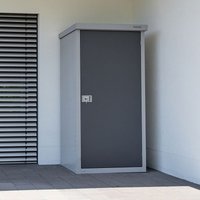
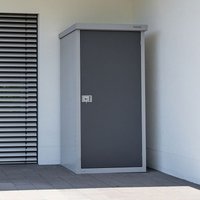
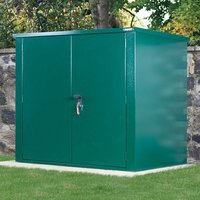
10% discount: 3’1 x 3’2 Trimetals Guardian D33 Metal Storage Shed (0.94m x 0.98m) £589.9910%
-
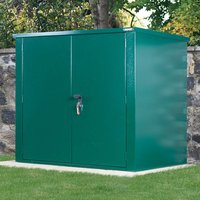
6% discount: 5′ x 3′ Asgard Securestore Metal Shed (1.5m x 0.95m) £620.996%
-
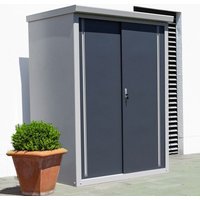
5% discount: 4’5 x 3’2 Trimetals Guardian D43 Metal Storage Shed (1.36m x 0.98m) £699.995%
-
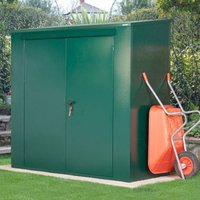
6% discount: 7’2 x 3′ Asgard Trojan Plus Metal Shed & Bike Shed Combo (2.2m x 0.95m) £853.996%
-
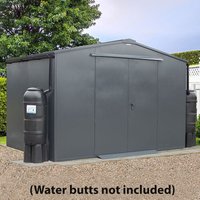
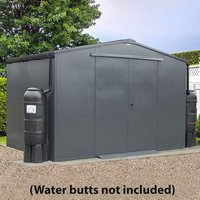
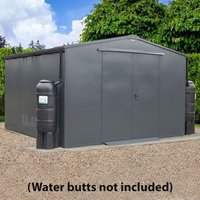
8% discount: 10′ x 7′ Asgard Garrison Police Preferred Metal Garden Workshop Shed – Installation Included (3.11m x 2.39m) £2,449.008%
-
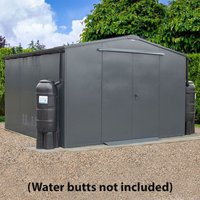
8% discount: 10′ x 11′ Asgard Garrison Plus Police Preferred Metal Garden Workshop Shed – Installation Included (3.11m x 3.48m) £3,269.008%
Metal shed special offers bring together steel storage, tidy layouts and seasonal savings for gardens, yards and allotments; compare galvanised metal sheds, sliding door sheds and compact tool stores in one place.

Steel shapes with a purpose
Metal sheds come in a few clear forms, and each one changes the way the space feels and works. A narrow lean-to sits neatly against a wall, keeping the footprint tight where every metre counts. A taller apex shed adds headroom in the middle, which helps when larger items need to be lifted in and out. The pent roof style runs with a sloped line to the back, so rain runs away quickly and the front stays easy to access. On special offer pages, these differences matter because the same steel shell can suit different corners of the garden.
Short and sharp. Some are boxy. Some are tall. Some are slim.
Metal does not only mean one look. It can mean ribbed panels, flatter sheets, or reinforced frames that give the walls a firmer feel. A shed with embossed panels often shows a more industrial character, while smoother surfaces feel cleaner and less busy. That variety is useful when the garden already has fences, brickwork or planting that set a strong visual line.
Special offers that change the equation
When a category is marked as special offers, the value is not just in a lower figure on the ticket. It can also be about the remaining stock, the size range, or the mix of roof forms available at the moment. A reduced price on a larger shed can make a substantial storage upgrade easier to reach, while a smaller offer may suit a first purchase for bikes, hand tools or bags of compost.
Many offers are tied to the practical shape of the unit rather than to any extra frills. That means the buyer is often choosing between frame depth, door style, panel finish and entrance width. A good offer is not always the one with the fanciest wording; it is the one that matches what the garden actually needs. That sounds plain, but it saves a lot of second-guessing later on.
Useful offer signals to look for:
- clear stated external dimensions
- door opening width, not just shed width
- roof type and where the slope runs
- panel thickness or sheet gauge where shown
- vent positions if listed by the retailer
Door styles that affect daily use
The door is often the bit people notice last, though it changes the whole feel of the shed. Double doors open up a wider loading space, which is handy for wheelbarrows, boxed garden gear or a mower with a broad handle. Single doors save front width and often suit narrow plots or side access routes. Sliding doors reduce the swing area, so they can work where a hinged door would knock into a path, fence or border.
Some metal sheds use a central latch with padlock-ready fittings, while others rely on a simple pull-handle design. That difference may seem small, yet it affects how quick the shed feels when you are carrying something awkward. A door that opens smoothly and clears the floor line gives less faff when the weather is not on your side. The point is not drama; it is clean access.
One detail often missed is threshold height. A lower step-in edge can make the space easier to use for boxes and sacks, while a higher lip may help with the body rigidity of the shed. It is a tiny difference, but it changes how the entrance behaves day to day.
Roof lines and rain paths
Roof shape is one of the clearest differences across metal shed offers. An apex roof creates a central peak, and that gives a classic shed outline with more standing height in the middle. A pent roof leans in one direction, which feels more restrained and can tuck neatly beneath a fence line or the side of a house. A curved roof appears in some steel designs as well, softening the profile and helping the shed sit quietly in the background.
These roof lines do more than alter the silhouette. They also decide how the rain runs, how the top edge meets the walls and how the shed reads in a compact space. A lower roof often makes the shed look less bulky. A higher centre can help the interior feel less cramped. Neither is better in the abstract; each creates a different storage mood.
Consider where the shed will stand:
- under trees, where a slope may shed leaves differently
- beside a fence, where height may need to stay modest
- near a path, where door swing and roof edge should be checked together
- in a side return, where a slimmer roofline can keep the area less crowded
Panel construction and surface character
Metal sheds are often made from steel sheets shaped into wall and roof panels that slot or bolt together. The surface may be plain, ribbed, or lightly profiled. Ribbing tends to add visual depth and helps the panel look more structured. Flatter panels can give a calmer, neater face, which suits modern paving or stricter garden layouts. If the listing mentions galvanised steel, that usually refers to a zinc coating that is part of the material finish rather than a decorative layer.
Some offers highlight stronger framing, corner reinforcements or folded edges. These points matter because they show how the shed holds itself in place. A shed with a firmer frame can feel steadier when assembled and may present a more solid outline overall. This is one reason why shoppers comparing special offers should look beyond the headline size and into the construction notes. It is a small effort, but it pays off in clarity.
Look for wording that separates the shell from the frame. A large-looking shed can still be light in structure if the frame details are modest. Equally, a compact shed can feel well resolved if the steelwork is set out cleanly and the door section is properly braced.
Storage roles: from tools to bicycles
Metal shed special offers often suit very specific storage jobs. A compact unit can hold spades, rakes, fertiliser bags and hand tools without taking over the whole plot. A medium-sized shed may fit a mower, folding chairs and long-handled equipment. Larger steel sheds can take bicycles, bins, children’s outdoor toys or seasonal items that need a dry corner out of the way. The key is not to cram the biggest shell into the space, but to match the shed to the items that actually need housing.
Different forms also change the access rhythm. A tall apex shed gives room for shelving along the sides, while a low pent shed may work better for stacked boxes and flatter items. Double-door versions suit larger objects with awkward widths. Single-door versions often help in tighter runs beside a house or garage. These choices are practical, not decorative, and they are the main reason metal shed offers can look so different from one another.
A few quick examples:
- tool stores for small hand-held items
- bicycle sheds with wider front access
- garden box sheds for cushions and covers
- slim side-store units for narrow gaps
- larger steel storage sheds for mixed gear
Benefits that show up in everyday use
One strong advantage of metal sheds is the tidy outer line. Steel panels can sit close to boundaries and often look less heavy than chunky timber structures of the same volume. They also come in forms that are easy to compare: width, height, roof line and opening style. That makes shopping on special offers less guessy because the main differences are usually obvious in the listing. If a buyer wants a straightforward storage shell, metal gives a very legible choice.
Another benefit is the way a steel shed can divide the inside into clear zones. Even without extra fixtures, the straight walls make the volume easy to read. Long tools can stand in one area. Boxes can sit in another. Bikes can be placed with less wasted edge space if the door opening is wide enough. That clean geometry is part of the appeal.
The material finish can also help the shed look consistent across seasons. Powder-coated or galvanised surfaces often carry a calm, workmanlike look that sits well with gravel, paving slabs and hard landscaping. It does not need to shout. It just holds its line.
Differences worth checking before you choose
Shoppers often compare price first and shape second, but the useful comparison is broader. One shed may be taller but narrower, another wider but lower. One may have a single front door, another twin doors. One may be a lean-to with a rear slope, another an apex form with more centre height. These are not cosmetic changes. They affect how the shed fits the site and how the contents move in and out.
It helps to check whether the stated size is external or internal. That tiny distinction changes the real storage feeling a lot. Also look at whether the roof overhang is included in the footprint, because some models read smaller on paper than they look once placed. If the offer includes a floor base recommendation or a foundation note, take that seriously too. It tells you how the shed is meant to sit.
Common comparison points:
- external width versus usable internal width
- peak height versus side wall height
- single door versus double door access
- apex roof versus pent roof profile
- flat-pack panel count and assembly layout
Fitting the shed into the garden scene
A metal shed can feel crisp and spare, or it can fade neatly into the background depending on the finish and shape. Darker shades often sit quietly beside fencing or stonework. Lighter tones can soften a compact yard and stop the storage area looking too dense. In special offers, colour options may be limited, so it helps to think about what the shed sits next to rather than treating colour as a separate choice.
The form matters as much as the finish. A long, low shed can stretch along a boundary line without dominating the view. A taller model can take advantage of a back corner where vertical room is available. A slim shed can slot into a narrow run between structures. The best-looking result is usually the one that respects the space around it.
Simple placement tips:
- match roof slope to the direction water naturally moves on the site
- leave enough room for the door to move fully
- check nearby branches, walls and posts before ordering
- compare the footprint with the actual patch of ground, not just the photo
Why the offer section is worth a close look
In a metal shed category, special offers can reveal combinations that are easy to miss in a wider browse. A smaller unit may have a better-suited roof form than a more expensive one. A larger model may come with a door arrangement that makes moving items easier. A reduced price may simply reflect stock rotation, which gives the buyer a chance to choose by shape rather than by headline cost.
That is where a quick scan helps. Read the sizes. Check the roof. Check the doors. Check the frame notes. Then compare the offer with the space at home. It only takes a minute or two, and it keeps the choice grounded in what the garden can actually hold.
Metal shed special offers are at their strongest when they give clear, practical variety: compact tool stores, broad double-door units, lean-to profiles, apex styles and slim side stores. Each one brings a different fit, a different opening and a different visual line. That range is what makes the category useful, not just the discount.
Small details that make a bigger difference
Even within the same metal shed family, the small details can separate one option from another. A reinforced door edge may feel more secure when handled often. A higher side wall may make shelving easier to place. A wider gable end can change how the shed stands in a narrow garden. These things do not always get the biggest type on the page, but they shape how the shed works once it is in place.
If the listing shows vent cut-outs, door braces, or an included anchoring note, those details are worth a pause. They are not flashy, but they say something about the shed’s structure. Similarly, if the panels are described as pre-cut or the frame as pre-drilled, the layout may be simpler to understand before assembly begins. There is no need for guesswork when the spec is written clearly.
Lastly, remember that not every offer needs to look the same to be useful. The category is strongest when it gives a spread of forms and sizes, from narrow garden stores to larger steel shelters. That spread helps the buyer choose by space, shape and access rather than by price alone.