
Metal Sheds 6x5 - Best offers in UK
Showing the single result
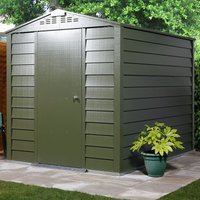
Metal sheds 6×5 bring compact storage to tighter plots, with a neat footprint for tools, bikes and garden gear. This 6×5 metal shed category covers flat roof, apex roof and pent roof shapes in durable steel builds.
A small footprint with proper breathing room
A 6×5 shed sits in that useful middle zone: not too bulky, yet roomy enough to hold more than a few stray hand tools. In real terms, the size suits gardeners who want a home for long-handled tools, stacked pots, foldable furniture, seed trays and the bits that usually end up under a bench. There is space, but it does not take over the garden.
Because the span is modest, these sheds often work well in side runs, narrow lawns, along fences and in courtyards. The proportions leave a tidy outline. That matters if the plot already carries a greenhouse, raised beds or a summer seating corner. A 6×5 unit can fit in without looking like a box dropped from nowhere.
Small. Neat. Handy.
Steel skin, firm lines
Metal sheds in this size are usually made from galvanised steel panels, which gives the structure a crisp, angular look and a strong outer shell. The panels are cut to slot together, forming straight walls and a clear roof line. Compared with timber, the surface looks sharper and more industrial, which some gardens take to well. Compared with plastic, the feel is more rigid and weighty.
The main character of a metal shed is the way it holds shape. The panels stay true to line, the corners read cleanly, and the roof profile gives the whole piece a defined silhouette. That’s part of the appeal for buyers who want storage that looks orderly rather than rustic.
Many 6×5 designs also use reinforced door frames, ridged panels or overlapping seams. These details are not just visual. They help the shed feel more composed when wind presses against it or when the doors are opened often. The result is a sturdy little unit with a plain-speaking look.
Flat roof, apex roof, pent roof: the shape changes the feel
In this category, the roof form makes a clear difference. A flat roof model sits low and tidy, with a modern outline that keeps visual height down. This works well where fences are already high or where a neighbour’s view matters. The shape is compact, and the shed tucks into the space rather than rising above it.
An apex roof adds the familiar pitched profile. It gives the shed more headroom in the centre and a more classic garden-shed look. This style often suits users who store taller items, because the ridge can create a bit more usable internal volume.
A pent roof leans in one direction, so rain runs off with a single slope. It has a simple, low-slung appearance and often sits neatly against a wall or boundary. For plots that are a bit tight on height, the pent form can be the quieter choice.
Each shape alters the shed’s stance. One sits low. One lifts in the middle. One angles away. Same footprint, different mood.
Doors, opening styles and what they change
Door design matters a lot in a 6×5 shed, because access must be practical without eating into the storage space. Double doors are common and useful for wider gear such as a wheelbarrow, mower or stacked crates. They also make the opening feel less cramped when you need to load and unload fast.
Single doors take less wall space and can suit tighter side access. They may be a better fit if the shed is mainly for smaller tools and garden kit. The trade-off is that larger items can be awkward to angle through, so this option suits a more measured sort of storage.
Some sheds use sliding doors, which avoid the swing arc of hinged doors. That can help where a path, bed edge or boundary sits close by. The movement is neat and contained, though the opening width and internal runner design need checking before purchase.
Door placement also alters how the shed works. Centre doors give balanced access. Offset doors can leave more continuous wall space for shelving or hanging items. It is a small detail, yet in a 6×5 footprint, it shapes the whole layout.
Why metal often earns its place
The benefits of metal in this size are practical rather than flashy. First, the panels are rigid, so the shape stays well-defined once assembled. Second, the material can suit a clean, uncluttered look, especially in darker grey, green or brown finishes. Third, it often asks less of the owner in terms of seasonal fuss than other materials might.
There is also a useful difference in how metal sheds handle everyday storage. A strong outer shell can suit items that are awkward, muddy or damp from use, such as spades, forks, hoses and outdoor accessories. The interior is a no-nonsense space: easy to organise, easy to read at a glance.
Another point is fire resistance. Metal does not behave like timber in that regard, which may be part of the reason some buyers choose it for certain settings. It is one more reason the category keeps finding space in small and medium gardens.
- clear internal shape for stacking
- stronger feel than light plastic units
- tidy profile for narrow plots
- varied roof forms for different heights
- straightforward access through broad openings
Subtypes that suit different jobs
Within the 6×5 category, the differences are often about how the shed will be used rather than about dramatic design changes. A tool store version usually favours compact, orderly storage with shelves or hooks. That makes it suitable for hand tools, seed trays, watering cans and smaller hardware.
A garden equipment shed leans towards bulkier contents. Here the internal shape matters more, especially the door opening and wall height. If the aim is to keep a mower, long rake or folding furniture in one place, a model with easier access can save a lot of awkward lifting.
There are also units that lean towards workshop use. In a 6×5 size, this means not a full workroom, but a tougher interior for light potting, fettling tools or keeping parts together. The shed remains compact, yet the layout can feel more purposeful.
Some designs sit closer to a bike store style, with door width and floor space arranged for wheels, helmets and accessories. The category can shift gently between uses, which is why the roof, doors and wall height deserve a close look.
What to compare before choosing
When comparing metal sheds 6×5, the first thing is the roof profile, then the doors, then the wall height. Those three parts change how the unit fits into the garden and how it behaves inside. A low roof may suit tight sightlines, while a taller apex can make storage less awkward for upright items.
Panel thickness and frame design matter too. Thicker steel and more rigid framing can make the shed feel less flimsy in use. That does not mean every lighter unit is poor, but the difference in firmness is often noticeable when the doors are opened or when the weather turns rough.
Check the opening width as well as the overall size. A shed can be 6×5 on paper and still feel tight at the entrance if the doors are narrow. For many buyers, this is the detail that decides whether the shed feels easy to live with.
Ground fit is another useful point. A square, level base helps the panel alignment and door closure. If the base is a little off, metal sheds can show it quickly because the lines are so straight. The fit needs to be right, or it looks a bit wonky.
Colour, finish and the look of the garden
Metal sheds in this size often come in restrained tones that sit quietly in the garden. Anthracite grey gives a contemporary edge. Moss green blends into planting. Brown or darker neutral shades soften the outline against timber fencing or brick. The finish changes how much the shed stands out.
A matt surface can look calmer, while a slight sheen can emphasise the panel lines and roof shape. The right choice depends on the setting: a modern paved yard, a cottage-style border or a family garden with mixed materials. In a 6×5 format, the colour is noticeable because the shed is small enough for the finish to be read clearly.
This is one reason the same shed type can feel different from one garden to the next. The lines stay similar, but the mood changes with colour and placement. A small unit can still carry a fair bit of visual weight.
Useful layout ideas inside the shell
With 6×5 dimensions, the interior rewards a measured setup. A back wall can take longer items upright, while one side may be used for hooks, trays or slim shelving. That leaves a centre run for access. The point is not to cram every inch, but to keep the space legible.
It helps to think in zones. One zone for digging tools. One for pots and feed. One for bulkier gear that goes in and out by season. In a metal shed, the straight walls make that sort of split easier to hold in place.
If the shed will store mixed items, stacking behaviour matters. Lightweight boxes on shelves. Heavier items lower down. Tall items near the door if they need to be reached often. This keeps the limited footprint from feeling crowded.
For some users, a simple hanging rail or wall hook line works better than deep shelves. The narrow width in a 6×5 structure can make wall storage feel more open than floor stacking. That is a small but useful difference.
When a 6×5 metal shed makes sense
This size tends to suit gardens where storage has to earn its keep without dominating the space. If the plot already has hard landscaping, beds or seating, the shed can sit as a compact store rather than a feature building. It is also a sensible scale for one main user who wants to keep tools and outdoor bits together.
The category also fits situations where access is limited. A 6×5 shed is easier to site than a larger building, yet still provides a proper enclosed store. That makes it useful for side returns, back corners and urban gardens where each metre counts.
One more point: metal sheds in this footprint often feel more orderly than many mixed-material options. The plain structure, crisp roof line and compact span can help a garden look less cluttered. Not invisible, just calm.
Calm storage. Clear lines. Less fuss.
Small details that change daily use
Vent positions, door handles, lock points and panel overlap may seem minor, but they shape how the shed is lived with. A better-placed door opening can make a surprising difference when carrying tools in with both hands. Ridge lines and panel folds can also add stiffness without changing the footprint.
For a 6×5 unit, the balance between internal room and external presence is the whole story. Some buyers want the shed to recede; others want a sharper, more defined structure. Metal does both jobs reasonably well, depending on the finish and roof shape chosen.
Even the simplest model has a certain honesty to it. No false beams, no heavy ornament, just a strong shell and a clear use. That is part of why this category keeps its place in practical gardens.
- choose roof shape for height and appearance
- check door width against stored items
- measure the base before ordering
- match finish to fencing, paving or planting
- think about wall space as much as floor space
A compact structure with a clear job
Metal sheds 6×5 answer a simple need in a neat, well-formed way. They store the things that would otherwise drift around the garden, and they do it in a size that feels controlled rather than sprawling. The variations in roof style, door layout and body shape give enough choice for different plots and different habits.
If the aim is to keep the garden sorted without losing room for growing or sitting, this category has a very workable scale. It is small enough to fit, but large enough to matter. That balance is what keeps the 6×5 format in steady demand.
Solid frame. Tidy shape. Useful space.
Different forms, same purpose
The outer form may shift from flat to apex to pent, and the entrance may move from single to double or sliding, yet the purpose stays steady: a dry, enclosed place for garden life to gather. Some sheds lean low and modern, some rise into a more traditional outline, and some sit quietly against a wall like part of the fence line. The differences are not dramatic, but they are important.
That is where the category earns its appeal. It gives enough choice to match a plot, while keeping the footprint contained. For many gardens, that is the line between clutter and order, between a pile of kit and a proper home for it. The shed does its bit, and the rest of the garden can breathe.