
Patio covers - special offers - Best offers in UK
Showing 1–8 of 13 resultsSorted by price: low to high
-
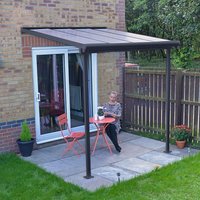
7% discount: 7′ x 7′ Palram Canopia Sierra Grey Clear Patio Cover (2.28m x 2.25m) £639.997%
-
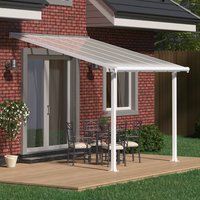
43% discount: 10×10 Palram Canopia Olympia White Patio Cover With Clear Panels £709.9943%
-
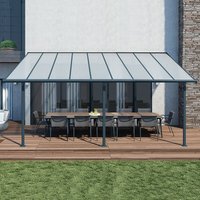
7% discount: 10×18 Palram Canopia Sierra Grey Patio Cover £1,399.007%
-
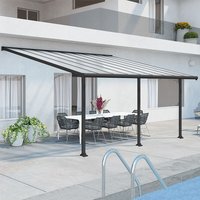
7% discount: 10×18 Palram Canopia Olympia Grey Patio Cover With Clear Panels £1,899.007%
-
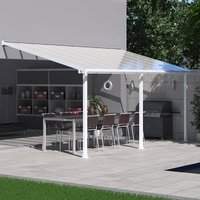
7% discount: 10×18 Palram Canopia Olympia White Patio Cover With Clear Panels £1,899.007%
-
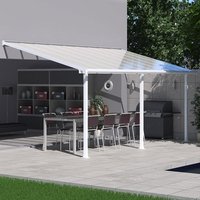
6% discount: 10×20 Palram Canopia Olympia White Patio Cover With Clear Panels £2,549.006%
-
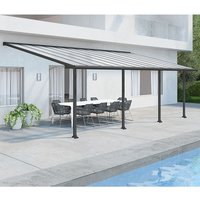
8% discount: 10′ x 24′ Palram Canopia Olympia Grey Patio Cover with Clear Panels (2.95m x 7.39m) £2,999.008%
-
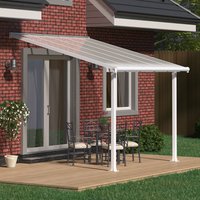
8% discount: 10′ x 24′ Palram Canopia Olympia White Patio Cover with Clear Panels (2.95m x 7.39m) £2,999.008%

Patio Covers special offers for UK gardens and terraces, with aluminium, timber, louvre and fixed-roof options, plus space-saving shapes and shade-led details for neat outdoor sitting.

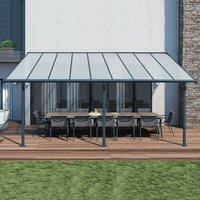
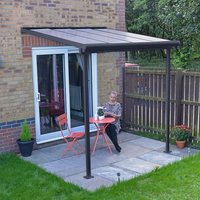
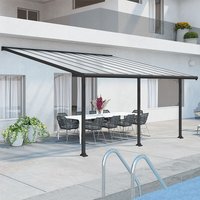
Offers That Speak in Shade, Not Noise
These Patio Covers special offers are built around real outdoor needs rather than loud claims. The range suits small courtyards, long rear patios, corner seating zones and wider entertaining spaces where cover changes the feel of the whole layout. Some covers are made for lean-to fitting against a wall, while others stand as freestanding frames for a more open arrangement. You will also find structures with open beams, solid roof panels, louvre systems and canopy styles that shift how much light gets through. That difference matters when you want shelter without losing the outdoor atmosphere.
Short. Smart. Sheltered. The best fit depends on how you use the space. A cover can soften bright glare, create a dry sitting area during changeable weather and frame furniture so the patio feels less exposed. If your garden gets wind from one side, a side-lashed or wall-fixed form can feel more settled than a wide open frame. If the space is used for dining, a more solid roof line may keep the setting sharper and less interrupted.
Shapes, Lines and the Way They Sit
Patio covers come in several forms, each one changing the look and use of the terrace in a different way. A lean-to cover follows the wall line and keeps things neat, which helps where space is tight. Freestanding covers sit away from the house and can mark out a separate sitting room outdoors. Pergola-style structures feel lighter because the roof is often partly open, while full-roof patio covers give a stronger sense of enclosure.
There are also differences in roof shape. Flat roofs keep the profile low and simple. Gable forms give a peaked line that can feel less heavy over a larger patio. Sloped roofs move rainwater on a steady line, and that tilt can make the structure look cleaner from the side. Some covers use clear or translucent panels so daylight still reaches the floor below, while others use opaque tops for a more shaded, enclosed result.
- Lean-to covers for wall-mounted patios
- Freestanding frames for separated seating areas
- Pergola styles with open or partially open tops
- Solid-roof covers for stronger shelter
- Flat, sloped and gable roof forms
Material Choices with Different Voices
The material changes the whole tone of a patio cover. Aluminium is commonly used for its crisp lines and clean finish, and it suits modern terraces where a neat frame matters more than ornament. Timber brings a softer, warmer feel and can sit well beside planting, brickwork and older property styles. Steel and mixed-metal frames are less common in domestic garden settings but can appear in more robust cover systems where a stronger visual edge is wanted.
Roof panels are just as varied. Polycarbonate panels are light in weight and often used where a bright but sheltered feel is needed. Glass roofs bring a clearer, more open view above, though the visual effect is heavier and more structured. Fabric covers, including retractable canopies, move in a different direction again: they create a softer line and can be drawn back when the sky changes. Each material alters the balance between light, shade and visual weight.
aluminium frame choices tend to suit sharp, contemporary lines. timber structure options bring a textured, garden-led character. glass roof versions shift the space towards a brighter overhead feel. polycarbonate panel systems are lighter and often read as less visually dense. retractable canopy covers add movement and flexibility.
Where the Offer Makes a Real Difference
Special offers are useful because they often bring together cover style, frame finish and roof type in one simpler choice. A lower-priced aluminium cover can open access to a modern structure without pushing the patio into a full rebuild. A timber option in an offer range may let you choose a characterful shape that would otherwise sit outside budget. That matters when you are balancing the cost of the cover against paving, lighting, seating and any side screens you may add later.
Some offers favour compact spans, which suits smaller patios and side return areas. Others are aimed at wider outdoor rooms where a longer run is needed across a dining or lounging zone. If you already have a set of furniture in place, a cover with a deeper projection can make more of the usable area feel tied together. If the patio is narrow, a slimmer roof line and slim posts can keep movement easy rather than boxy.
- Budget-led offers for smaller patio spans
- Wider cover sets for dining and lounging zones
- Frame-and-roof bundles with matching finishes
- Compact structures for side returns and courtyards
- Longer runs for larger terrace layouts
Light, Shade and the Feeling Underneath
The difference between covers is often felt before it is seen. A clear roof keeps the patio bright while taking the edge off rain and debris from above. A tinted or solid roof darkens the space slightly and can make hot afternoons less harsh. Open-beam pergola systems cast stripes of light and shadow, which gives the patio a changing look through the day. Retractable forms offer another rhythm, with coverage that can be drawn across or moved back as the mood shifts.
That change in atmosphere can affect how the patio is used. A brighter roofed area may suit morning coffee and planting displays. A more shaded cover can shape a deeper sitting zone for long lunches or evening conversation. If the garden catches strong sun at one end, a louvre or partly closed top can stop the light from hitting one spot too sharply. The result is less glare, more comfort and a space that feels set apart from the rest of the garden.
Useful Differences Between Fixed and Moving Roofs
Fixed patio covers stay visually steady. They give a constant overhead line and work well where you want the patio to feel like a defined extension of the house. Their straight form can help frame furniture and keep the space tidy from the garden side. Moving roofs, including retractable canopies and louvre systems, bring flexibility into the picture. They let you adjust the amount of open sky above the seating area, which changes the way the patio behaves through the day.
Louvred covers sit somewhere between the two. Their angled slats can be turned to shift shade and air flow, making them feel more active than a closed roof but more structured than a fabric canopy. That difference is useful if the patio faces changing weather or gets strong sun at certain hours. A fabric system reads softer and often feels lighter in the garden, though it gives a different visual character from the solid, architectural lines of aluminium or glass roof covers.
fixed roof lines create a steady, framed outdoor room. louvre system designs add movement through adjustable slats. fabric canopy covers soften the look and feel. wall-fixed patio formats help the structure sit close to the house. free-standing pergola versions give the patio its own spot in the garden.
Small Tips for Choosing the Right Offer
Measure the patio in relation to the furniture, not only the paving. A cover that fits the slab edges but leaves no room for chairs can feel awkward straight away. Think about the direction of the house wall, the path of the sun and the most common sitting position. If the patio is used for meals, check how the cover line sits above a table and whether the posts interrupt seating places. If the area is mainly for resting, wider open sides may feel less boxed in.
Look at the edge detail too. Some patio covers have slim posts and clean gutters, while others show stronger frame lines that suit larger gardens. If you want the cover to sit quietly in the background, a pale frame can blend into light brick or render. If you want it to read as an outdoor feature, darker frames or timber tones can stand out more clearly. The roof pitch, post spacing and side openness all shape the final look, so it helps to compare them together rather than one by one.
- Check furniture clearance before choosing the span
- Match the roof type to the amount of light you want below
- Use slim frames for tighter patio layouts
- Choose a wider projection for dining or lounging use
- Compare wall-fixed and freestanding forms side by side
Why Patio Covers Feel Different from Simple Shade
A patio cover does more than cast shade. It gives the terrace a clearer outline, so the outdoor area reads as a place in its own right. That can change how garden furniture sits, how plants frame the edges and how the eye moves from house to patio to lawn. The right structure can make a narrow patio feel more organised, or a broad one feel less empty. It can also divide open space into distinct zones without building walls or closing off the garden.
Because the category includes so many types, the offers do not all speak the same language. Some lean toward modern straight edges and glass-like finishes. Others lean into softer timber details or roof systems that allow more daylight through. There are models for neat back-door patios, larger dining terraces and covered corners where a little shelter changes the whole use of the space. That range is what makes the special offers worth scanning carefully: the differences are not just visual, they change how the patio behaves.
Details That Help the Browsing Feel Easier
When scanning the category, it helps to separate the covers by form first, then by material and roof style. That way you can quickly see whether you are looking at a lean-to, a freestanding frame or a pergola shape. After that, compare the top section: solid, clear, louvred or retractable. Finish and colour can come later, because the structure type has the biggest impact on how the patio is used day to day.
In special offer ranges, small variations matter. A cover with a deeper roof may suit a long table better than one with a shallow projection. A system with fewer posts can give more open movement beneath, while a heavier frame can feel stronger beside larger paving. If the patio sits beside doors or full-height glazing, a slimmer profile may keep sight lines cleaner. If the patio is set further out in the garden, a more defined roof can help it feel anchored.
These are covers with presence. Quiet, but not plain. Strong lines. Soft shade. Different moods.
Final Glance Across the Range
Patio covers in special offers bring together function, shape and finish in ways that suit a wide spread of garden layouts. Whether the need is for a neat wall-fixed roof, a freestanding outdoor room or a lighter pergola with open top lines, the category gives clear choices. Material, roof form and span all change the result, and those differences are what turn a simple patio into a more usable outdoor setting.
For anyone comparing options, the most useful approach is to start with the space itself: the wall line, the patio width, the light, the furniture and the usual way the area is used. From there, the right cover type becomes easier to spot. The offers then become more than a price point. They become a path to a patio that looks thought through, feels settled and works with the garden rather than against it.