
Patio Covers under £4500 - Best offers in UK
Showing the single result
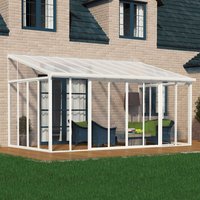
Patio Covers under £4500 for UK gardens: compare lean-to, freestanding, aluminium and timber styles, with practical notes on shade, rain cover, span sizes and lower-cost choices.
Small Spend, Strong Shape
Patio covers under £4500 tend to sit in the space where neat design meets plain sense. The range is broad enough for a clean shelter over a back door, a wider roof for outdoor seating, or a more open frame that softens the edge between house and garden. You will see differences in roof pitch, support posts, glazing, louvre style, and frame material, and those details do the real work. This is not just a roof add-on; it changes how the patio feels, how much light stays in the room behind it, and how much use the space gets on wet or bright days.
Short. Solid. Useful. Calm.
In this budget band, the main choices often come down to how much cover you need, how much headroom you want, and whether the cover should blend into the house or stand as a separate feature. A modest span can still make a patio read as a proper outdoor room, while a bigger projection gives more shelter for dining sets, benches, or a slim run of planting.
Lean-to Lines And Straightforward Fit
Lean-to patio cover designs are common where the cover sits against an existing wall and slopes away from the house. That simple angle helps rain run off, and it often keeps the overall look tidy. The shape can feel quiet and architectural, especially on terraces and narrow plots where a bulky structure would crowd the garden. A lean-to also tends to suit a tighter budget because the form uses the house wall as one side, which can reduce the amount of frame needed.
The main advantage is the clean connection between inside and outside. A lean-to cover can give a sitting area more shelter without stealing much light if the roof is kept slim and the colour is restrained. The difference between a shallow pitch and a steeper one is worth noting too: a low pitch can sit lightly on the eye, while a steeper angle often helps with drainage and can feel more like a garden canopy than a roof extension.
Wall-mounted patio shelter options usually suit people who want the patio to feel tied to the house rather than set apart. They also make good sense where the garden is long and narrow, because the structure does not need a full freestanding footprint.
Freestanding Frames With Room To Breathe
Freestanding garden cover styles stand on their own posts, away from the wall. That opens up more layout choices. You can place one over a central terrace, at the end of a lawn, or beside a seating nook that has no direct wall to build from. A freestanding form often feels more pavilion-like, even when the lines are modest and the budget is kept under control.
The chief difference from a wall-fixed cover is movement around the structure. With posts all around, the covered area can sit as a distinct zone in the garden. That gives more freedom for furniture placement and can work well if the patio is used as a separate gathering point rather than an extension of the kitchen doors. It also lets you set the cover in relation to sun path or views, rather than being limited by the house line.
Freestanding options may cost more to anchor properly, so the budget needs to account for foundations or fixing details. Still, within garden patio cover budget ranges, a compact freestanding frame can deliver a strong sense of place without needing a large span.
Aluminium, Timber, And The Look They Bring
Aluminium patio roof designs are often chosen for a crisp, contemporary feel. The frame lines stay slim, the finish can look sharp beside brick or render, and the structure tends to suit modern patios with glass doors, porcelain paving, or simple planters. Aluminium also supports a range of roof styles, from clear panels to solid tops, depending on the design offered in this price bracket.
Timber patio cover styles bring a warmer tone and softer edges. They can sit well with older houses, cottage gardens, or patios where the goal is a more natural frame around planting and outdoor furniture. Timber also changes the mood of a space quite a lot. It can make a patio feel less mechanical and more sheltered, though the posts and beams usually appear fuller than aluminium equivalents. That visual weight is part of the appeal for some gardens, but it is a notable difference if the aim is a lighter profile.
Powder-coated frame cover options sit between the two, with colour choices that can tie the structure to windows, doors, or guttering. This matters more than people expect. A frame in black, grey, white, or muted brown can shift how wide the cover feels from the house, and can either sharpen or soften the whole patio edge.
Solid Roof, Open Slats, Or Clear Panels
The roof style changes both the feel and the use of the cover. A solid roof patio cover gives the strongest sense of shelter and the most shade. It keeps the sitting area more enclosed from above, which suits outdoor dining, screens, and furniture that is often left in place. It can also make the patio feel calm on bright days, though the space underneath will naturally be darker than under a translucent roof.
Polycarbonate patio cover systems use panels that let light through while still providing a roof over the terrace. They often sit in a middle ground where the patio remains bright but has protection from rain. In budget terms, this can be a useful route for those who want a covered zone without closing off the garden view. A key difference lies in how the light lands: clear or tinted panels keep the area airy, while opaque or more shaded panels create a cooler, muted space.
Louvred patio roof styles bring a moving element into the mix, with angled slats that can be adjusted on some designs. That gives a changing balance of sun and shade, which is especially useful where one side of the patio gets harsher afternoon light. Within the under-£4500 bracket, louvred systems are usually simpler in size or finish than high-end versions, but the form still carries the same basic appeal: control over the overhead feel.
Shapes That Fit Different Gardens
Rectangular patio canopy layouts are the most straightforward and often the easiest to place against a house wall or across a patio slabbed in a regular pattern. They suit furniture sets with clear edges and make good use of square or long rectangular terraces. A rectangle also tends to look calm, because the roof line follows the geometry of the house.
Corner patio cover designs can work well where the patio wraps around a room or sits on two sides of a house. This shape is useful when the aim is to shelter a breakfast corner, a bench seat, or a side patio that would otherwise remain exposed. The footprint is often more awkward to price and plan than a simple rectangle, but it can make use of space that might otherwise be overlooked.
Square patio shelter formats feel more compact and can suit smaller gardens where the cover needs to frame a single table or two chairs without overpowering the plot. The difference between square and rectangular shapes is not just visual; it affects how the furniture can sit under the roof and how open the remaining garden feels when viewed from the house.
What This Budget Usually Buys
In the patio cover under £4500 range, the size and material mix are usually the key drivers. A smaller cover may allow a more refined finish, while a larger cover may mean a simpler specification. That trade-off is worth understanding before choosing a style. This budget can often stretch to a solid frame with a simple roof, or to a lighter canopy where the lines are slimmer and the footprint is more modest.
It is helpful to compare not only the look but also the span, the depth, and the number of posts. Fewer posts can make the space feel open, but they also ask more from the structure. More posts can give a stronger visual rhythm and sometimes suit wider patios, though they may interrupt seating layouts. A well-chosen cover under this budget can still feel thoughtfully built if the proportions are right.
Cost-conscious patio structure choices often come down to keeping the footprint sensible and the roof form uncomplicated. That does not mean plain in a dull way; it means selecting the shape that fits the patio best rather than forcing a grander frame onto a smaller garden.
Useful Differences To Watch Before Choosing
There are a few differences that matter more than finish alone. First, decide whether the cover should soften the transition from the house or become a destination in the garden. That is the split between wall-fixed and freestanding forms. Second, think about the roof feel: solid, clear, or louvred. Each one changes light, shade, and the sense of enclosure in a different way. Third, look at the frame depth and post positions, because those decide how easy it is to place chairs, a dining bench, or a planter without the space feeling cramped.
Light-filtering patio roof designs are useful where the room behind the cover still needs daylight. Shade-giving garden canopy designs work better if the patio faces south or west and gets hard sun. The difference is small on paper but obvious in use. One feels airy and bright; the other feels cooler and more enclosed.
Also watch the edge detail. A slim fascia can make a cover feel neat, while a heavier beam line can add depth and shadow. That matters when the patio already has a strong visual feature, such as patterned brick, chunky paving, or a busy fence line.
Little Choices That Change The Whole Feel
Modern patio awning alternative structures, even when fixed rather than retractable, can give the garden a cleaner outline than loose shade solutions. Their main value is structure. A cover marks out the space in a way that fabric systems often do not, and it tends to stay visually consistent across the seasons.
Back garden cover designs also differ in how they meet the ground. Some sit on small pads or bases, while others call for a firmer footing. That affects both the look and the sense of permanence. A light frame may feel temporary and airy, whereas a more grounded frame has a stronger architectural presence.
One practical tip is to measure the patio not just by width and depth, but by the furniture you actually use. Leave room for chair pull-back and walkway space. Another tip: check how the cover aligns with doors and windows, because a cover that starts too low can feel cramped, while one that sits too high may lose sheltering impact. A small tilt in roof form can also alter how rain runs off, so the pitch deserves attention rather than being treated as a detail to fix later.
When The Garden Needs Shade Without Closing In
Some patios need a cover that keeps the sky in view. For those spaces, a lighter roof or a frame with translucent sections can work well. Partial shade patio cover designs let the area stay bright at the edges while giving shelter where people sit. This is useful for kitchens that open directly onto the patio, because the boundary between indoors and out stays visually open.
Other gardens need a stronger roof line, especially where the patio is used on wetter evenings or where furniture stays out for long periods. In that case, a more solid design may earn its place. The difference is not about better or worse; it is about the sort of outdoor room the garden wants to become.
Outdoor dining cover styles tend to do best when the table sits centrally and the posts do not interfere with chairs. Seating-area shelter styles can be more forgiving, because a sofa corner or bench can work around a post more easily than a full dining set.
Browsing With A Sharp Eye
- Check the roof depth as well as the width; a shallow cover may suit a narrow patio more than a broad one.
- Compare post positions against doors and seat layout, not only against the patio edges.
- Decide early whether the priority is more light, more shade, or a firmer sense of enclosure.
- Look at the frame finish beside existing windows, railings, and fence colours.
- Choose the shape that follows the garden’s line, not just the one that fills the most space.
A Final Read On The Range
Patio covers under £4500 cover a lot of ground, from neat lean-to frames to freestanding garden shelters, from translucent roof systems to heavier solid tops. The useful part of the range is not just the price point, but the way it opens up a choice of form and feel without pushing the project into a full extension. A smaller budget can still give the patio proper shape, a clearer use, and a more settled presence in the garden. The trick is choosing the type that matches the way the space is actually used, not the way it looks in theory.
For some gardens, that means a slim wall-mounted roof with a tidy pitch. For others, it means a freestanding frame with more breathing room. For others again, it means a softly shaded roof that keeps light moving through the house. The right cover makes the patio feel less like an afterthought and more like a part of the plot with its own job to do. And once the frame is right, the whole garden often looks a touch more sorted, with a little less fuss and a bit more purpose.