
Pergolas - special offers - Best offers in UK
Showing 9–10 of 10 resultsSorted by price: low to high
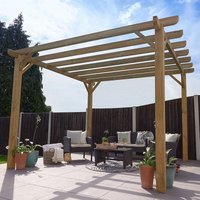
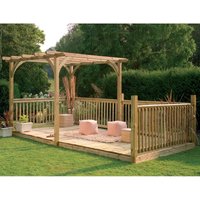
Pergolas special offers for timber, aluminium, wall-fixed and freestanding structures, with shade, open slats and framed outdoor living for gardens, patios and courtyards in many sizes.
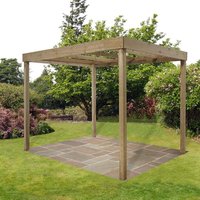
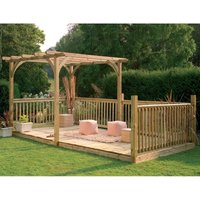
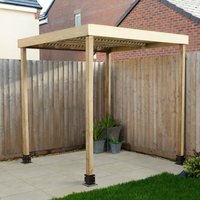
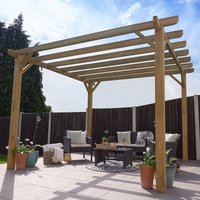
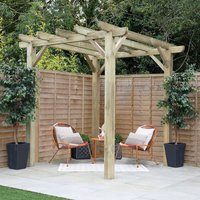
Shapes That Set the Tone
Pergolas are not one single look. They can be square, rectangular, lean-to, arched, or made with a more open, pavilion-style frame. Each shape changes how the structure sits in the garden and how the space beneath it feels. A straight, clean-lined pergola draws the eye along a terrace. A curved or arched version softens the scene and adds a slower, more decorative line. Lean-to designs tuck neatly against a wall, while freestanding forms make a statement in the middle of a patio or lawn.
Shape also affects how the light falls. Open, evenly spaced rafters give a lighter feel, while closer spacing creates stronger shade lines. Some buyers prefer a compact frame for a small court yard. Others want a longer run to define an outdoor dining zone.
Timber, Aluminium, Steel: Three Very Different Characters
Material changes the whole personality of a pergola. Timber carries a warm, natural presence with visible grain and a softer edge. It suits planting, brick, stone, and rustic settings, and its texture often blends well with older garden features. Aluminium has a crisp profile and a neater finish, so it reads as sharp and uncluttered. Steel, where offered, brings a more substantial outline and a firmer visual weight.
These differences are not just about looks. A timber frame often gives a more traditional garden feel, while aluminium suits cleaner architecture and modern paving. Steel can sit well where a strong frame is needed to anchor a larger outdoor layout. The choice is less about fashion and more about how the pergola should sit among fences, walls, decking and planting.
Open Roofs, Slatted Tops and Partial Cover
Special offer pergolas often come in several top styles. An open roof with evenly spaced beams gives a classic pergola silhouette and leaves plenty of sky above. A slatted top adds more shading and can break sunlight into neat bands across the floor. Some structures use tighter slats or a denser overhead pattern for a deeper sense of cover.
There is also a clear difference between a decorative overhead frame and a more enclosed outdoor feature. A pergola is usually about structure and atmosphere rather than full shelter. That is what makes it distinct from a solid roof gazebo or a fully covered canopy. The overhead pattern is part of the appeal, because it frames the sky instead of hiding it.
Light filters through.
Shadow becomes part of the design.
The frame does more than stand there.
Freestanding or Wall-Fixed: The Layout Decision
One of the most practical differences is whether the pergola stands alone or connects to a wall. Freestanding pergolas create a room-like feature in an open area and can mark out a seating spot, a hot tub zone, or a garden walkway crossing. Wall-fixed or lean-to pergolas extend a house façade and help bridge the gap between indoors and outside.
A freestanding frame usually feels more flexible in placement, especially if the garden has a central lawn or split levels. A wall-fixed version often looks more integrated with a patio and can create a strong line from the rear of the property to the garden. The right choice depends on where the outdoor furniture sits and how the garden is used through the day.
Some prefer an anchored feel by the house. Others want the structure to float in the garden.
What a Pergola Adds Without Trying Too Hard
The benefits of a pergola are not loud, but they are noticeable. It introduces definition to a space that may otherwise feel open-ended. It gives climbing plants a framework. It can make a seating area feel more deliberate without enclosing it. The result is a garden zone with shape, height and rhythm.
It also helps with proportion. A long terrace can look more balanced with an overhead structure broken into bays or posts. A plain paved area can gain depth when a pergola frames the edges. Even without fabric sides or solid panels, it lends a sense of enclosure that still leaves air moving through the space.
- Outdoor framing for patios and seating areas
- Garden zoning to mark dining or lounge spaces
- Vertical interest above low planting and paving
- Climbing support for roses, vines and clematis
- Visual balance for wide or plain garden layouts
Special Offers Worth Reading Properly
When pergolas appear in special offers, the small details matter. A reduced price is only useful if the format suits the space. Look at post spacing, footprint, roof pattern and fixing style before choosing. A slim frame may suit a compact courtyard better than a heavier one. A wider span may suit a large terrace where the furniture needs a clear outline.
Compare the difference between decorative and structural features. Some offer pages list a pergola with extra side panels or more substantial posts; others focus on a lighter open frame. This changes both the look and the feel of the product. Also check whether the offer is for a single module or a larger run, because that affects how the pergola sits in the final layout.
Do not judge only by the headline price. Read the dimensions carefully. Then read them agian.
Sizes That Fit Real Gardens
Pergola sizes vary widely, and that variation is one reason special offers can be useful. Small pergolas suit narrow terraces, town gardens and side returns where a full structure would overwhelm the space. Medium sizes work well above dining tables or two-seat lounges. Larger frames can define an outdoor entertaining area or stretch along a long patio edge.
The difference between a compact and a generous footprint is not only about width. Height changes the feeling too. A lower frame can feel more intimate, while a taller one opens the space above and reduces visual heaviness. For gardens with many existing features, such as steps, planters or raised beds, the proportion of the pergola should echo the surrounding lines rather than fight them.
Styles You Can Read at a Glance
Many pergolas have a clear visual language. Rustic timber versions usually show thicker members, visible joints and a more tactile surface. Contemporary aluminium designs often use slimmer posts, straight edges and a cleaner profile. Traditional forms may have more decorative end cuts or stronger beam projections. There are also minimalist frames that lean into restraint, using only the essential structure.
The difference between these styles matters when matching the rest of the garden. A pergola beside weathered brick or terracotta can look at home in timber. A polished porcelain terrace may sit better with a tighter, more architectural line. If the garden already has strong features, such as pergola arches, pergolas should not compete with them. They should carry the same visual rhythm.
- Rustic timber with visible grain and a softer outline
- Contemporary aluminium with slim sections and neat edges
- Traditional frame with more substantial beams
- Minimal layout with stripped-back lines
Climbing Plants and the Framework They Need
A pergola is often chosen because it gives climbers somewhere to go. The structure can guide roses, wisteria, grape vines, jasmine or clematis across the top and along the posts. But different pergola forms support planting in different ways. A broader roof gives more room for a layered plant display. A lighter frame may be better if you want only a few stems to cross the beams.
Post layout matters too. Closer posts can make training easier when the planting is intended to fill a long run. Wider bays create more open movement and leave cleaner sightlines through the garden. This is one of the quieter strengths of a pergola: it can work as both a structural feature and a living trellis without looking busy.
How the Pergola Changes the Feel of Outdoor Furniture
Furniture under a pergola behaves differently than furniture left in the open. A table beneath a frame feels set apart, as though the garden has been divided into rooms. A bench under an overhead grid becomes a destination rather than a spare seat. Softer lounge pieces gain a stronger backdrop, especially if the posts are used to outline the edges.
Even the direction of the slats changes how the space reads. Beams running lengthwise can make a seating zone feel more extended. Cross beams can tighten the frame and give more visual enclosure. This is where special offer pergolas become useful for buyers looking for a certain result without building from scratch. They bring an existing language of posts and overhead lines into the garden with less guesswork.
It looks structured.
It still feels open.
That balance is the point.
Quick Buying Tips Without the Fluff
Before choosing from a special offers range, measure the usable space rather than the whole patio. Leave room for chair pull-back, pathways and access around the posts. Check whether the pergola is freestanding or wall-fixed, because this changes installation layout and the feel of the finished area. Think about how the frame lines up with doors, windows, borders and existing hard landscaping.
Also look at the proportions of the posts and beams. Slim parts suit light, modern schemes. Heavier members feel stronger in larger gardens. If your garden has a narrow run, a lean-to shape may keep the view clearer than a deeper free-standing option. If the space is open and central, a more substantial frame can work as a focal point without needing much else around it.
- Measure clear space, not just surface area
- Match the form to the garden layout
- Check the span against furniture placement
- Compare frame weight with the style of your paving
- Use the offer details to confirm the structure suits the setting
A Frame with More Than One Job
Pergolas sit somewhere between architecture and garden feature. They organise a space, give height to the view, and leave room for planting, furniture and movement beneath. In special offers, that versatility becomes more visible because different forms and materials are easier to compare side by side. A buyer can choose between a soft timber outline, a sharper aluminium shape, a wall-fixed extension or a freestanding centrepiece.
What makes the category interesting is the difference between the parts. Posts define the edge. Beams set the rhythm. Slats decide how much sky remains visible. The full piece is less about ornament and more about the way structure changes the atmosphere of a garden. That is why pergolas continue to appear in so many outdoor schemes: they are simple in concept, but full of variation in use and appearance.
For gardens that need a clearer outline, a pergola can do that. For patios that feel empty, it can add direction. For planting that needs a framework, it gives something to climb. And in a special offers range, those choices become easier to compare without losing the character that makes the category worth browsing.