
plastic garden storage 2x1 - Best offers in UK
Showing all 3 resultsSorted by price: low to high
-
10% discount: 2’2 x 1’2 Shire Mid Plastic Garden Storage Cupboard with Shelves (0.68m x 0.37m) £63.9910%
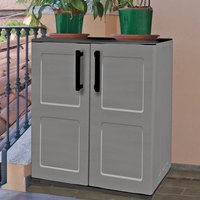
-
9% discount: 2’2 x 1’2 Shire Large Plastic Garden Storage Cupboard with Shelves (0.68m x 0.37m) £89.999%
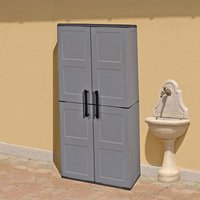
-
15% discount: 2’4 x 1’3 Shire Large Plastic Garden Storage Cupboard (0.73m x 0.39m) £104.9915%
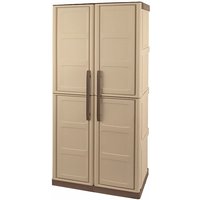
Plastic garden storage 2×1 shapes neat outdoor corners with slim, weather-ready boxes, low-profile sheds and compact deck chests for tools, cushions and small kit in one tidy line.
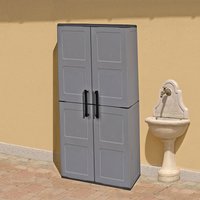
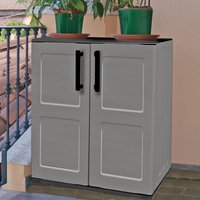
Small footprint, big sorting space
When space is tight, a 2×1 garden storage unit works with the width of a path, patio edge or wall rather than fighting it. The 2×1 form usually means a longer body than depth, so it tucks along fences, beside a greenhouse or under a pergola without taking over the area. That shape makes it handy for narrow gardens, courtyards and terrace corners where every centimetre matters.
Plastic construction brings a different feel from timber or metal. It sits lighter in the garden, yet still gives a closed place for items you do not want left out in the weather. Many buyers choose plastic for the clean look, the simple wipe-down surface and the way it keeps a neat outline even after rain. It dosnt ask for much attention and it keeps its line well.
Short and straight. Easy to place. Easy to use.
Forms that fit the way gardens are laid out
Not all plastic storage in this size behaves the same. The 2×1 category can include several forms, each with a slightly different shape and use.
- Deck chests with a boxy profile for cushions, gloves, hand tools and smaller pots.
- Low horizontal cabinets that sit under windows, along walls or by seating areas.
- Compact mini-sheds with doors at the front for larger tools, hose reels or folding chairs.
- Corner-friendly units designed to sit tight against a fence run or boundary wall.
- Bench-style storage that doubles as a seat while hiding items inside.
The difference between these forms matters more than many people expect. A chest opens from the top, which suits quick access to cushions or lightweight gear. A front-opening cabinet is better for stacking and reaching items without lifting a lid. A bench-style box makes sense where seating and storage need to share the same space, especially on compact patios.
Plastic finishes and what they change
Plastic garden storage comes in a few visual and structural types. Some have a plain smooth shell, others use wood-grain texture, and some lean towards a slatted or panelled look. These details change both the appearance and the feel of the unit in the garden. A smooth finish often looks sharper and more contemporary, while a textured finish can soften the look and help the box sit beside planting, paving or timber features.
Colour also plays a part. Grey, black and muted taupe sit quietly against brick, stone and greenery. Lighter shades can make a narrow area feel less heavy, though they may show marks more quickly. Some buyers go for a darker tone because it blends with fences and screens, while others prefer a softer finish that avoids a bulky impression.
The plastic itself may be solid moulded, resin-based or panelled. Solid moulded styles often feel more self-contained and smooth, while panelled designs can bring structure and a more shed-like character. If the storage needs to sit in a visible place, the outer finish becomes almost as important as the volume inside.
Doors, lids and the small things that change daily use
Access style changes how a storage unit feels in everyday use. A top-lid chest opens wide, so it suits bulky but light items. Front doors make the interior more reachable and can help when shelves or stacked containers are inside. Twin doors often create a broader opening, which is useful for odd-shaped tools or larger pieces that do not slide in neatly.
Some 2×1 plastic garden storage units use a hinged lid with a low front edge, letting cushions be lifted in and out quickly. Others use a front panel and a roofline that stays level, which works better beside a wall or under a cover. Lockable points may also appear, though the actual fitting varies. That detail matters where the contents are more than just spare pots and old coiled hose.
Look at the opening motion as much as the size. A lid that lifts upward needs clear overhead room. A front door needs space in front for the swing. In tight spots, this small difference can decide whether the unit feels easy or awkward.
Why plastic is chosen for this kind of storage
Plastic storage in a 2×1 size is often picked for its balance of weight, structure and visual calm. It can be moved into place without a big installation job, and once set up it stays fairly un-fussy in appearance. For many gardens, that means less visual clutter than a mixed stack of bins or loose covers.
The material also suits a garden that changes through the year. Summer cushions, spring sowing trays, autumn bulbs and winter covers all move in and out without needing separate boxes for every season. Plastic storage keeps those items under one roof, so to speak, and makes the collection look more orderly than an open corner with several loose containers.
Another point is resistance to damp weather. While no outdoor unit should be treated as a guarantee against everything, plastic is often chosen because it does not behave like untreated timber. It gives a clean barrier for items that prefer dry surroundings, such as textiles, folded seat pads, or hand tools that should not sit in rainwater. That said, always check the unit’s fit and closure style if the contents need a tighter seal.
Size differences that matter in a narrow garden
The phrase 2×1 may sound simple, but there are useful differences within that footprint. Some units are deeper than they are tall, so they feel squat and grounded. Others are taller and slimmer, making them better for vertical stacking. A lower box can disappear beside a bench or under a sill, while a taller one gives more standing room for long-handled tools or upright containers.
You may also see the same footprint offered in slightly different internal layouts. One model might have an open chamber with one large cavity. Another might include a divider or shelf. That changes what goes inside and how fast you can find it. A single-compartment unit suits larger mixed items. A divided interior helps if you want to separate seating cushions from garden twine, labels or small hand tools.
Measure the usable space rather than just the garden patch. Fences can lean, slabs may not be perfectly square, and a box that looks small on paper can still feel bulky next to a narrow route. Leave room for the lid, door or handle movement, not only for the unit itself.
Useful features worth noticing before choosing
In a category like this, details decide whether the storage suits the space or just sits in it. Small design features can change how well the unit works day to day.
- Ventilation slats can help reduce the trapped, stuffy feel inside enclosed plastic storage.
- Reinforced panels add structure so the box keeps its shape when loaded.
- Raised feet lift the base slightly from standing water and damp paving.
- Wide opening angles make larger items easier to load and unload.
- Integrated handles keep the front clean and reduce visual bulk.
These features are not all present on every unit, so it helps to match the detail to the job. If the box is for light seating items, the opening and appearance may matter more than heavy reinforcement. If it will hold denser tools, a firmer structure becomes more relevant. The little things do a lot of the work.
Where a 2×1 plastic unit tends to sit best
This storage style often finds its place in spots that already feel half-used. Beside a back door, along a side return, under a kitchen window or at the end of a terrace, the 2×1 shape makes use of leftover edges. It can also sit neatly beside raised beds or a screen fence without breaking the line of the garden. Because it is not overly wide, it can preserve passage space while still holding a fair amount inside.
In smaller courtyards, the unit can work almost like a built-in piece of outdoor furniture. Against a wall, it becomes part of the layout rather than an extra object. Near a seating area, it can store blankets or outdoor accessories close at hand. On a balcony or compact roof terrace, the lower forms may suit better than taller mini-sheds, since they keep the sightline open.
Placement should respect access as well as appearance. A unit that opens into a walkway may be fine when closed, then irritating when in use. Turning it ninety degrees or shifting it along the wall can make the whole setup feel calmer.
Differences between storage for cushions, tools and mixed kit
Plastic garden storage in 2×1 format can lean towards one purpose or another. Cushion storage usually needs a cleaner interior, a wide opening and a shape that avoids awkward corners. Tool storage benefits from a firmer body, maybe with room for longer handles or a taller section. Mixed kit storage sits somewhere between the two, asking for enough flexibility to hold various bits without becoming a rummage box.
If the contents are soft items, think about lid clearance and easy reach. If the contents include sharper tools or heavier bits, look more closely at the thickness of the panels and the style of opening. A box that is handy for seat pads may feel cramped for watering cans or trowels with long grips. Conversely, a tool cabinet might be more upright than you need for garden textiles.
That is why “plastic garden storage 2×1” is not just one thing. It covers a family of shapes with different uses, and the best choice depends on what is going in, how often it is needed, and where the unit will sit.
Practical tips for choosing the right fit
Before choosing, think about three simple points: the item shape, the opening direction and the surrounding space. That trio often tells you more than the headline dimensions alone.
- Match lid-opening units to light, frequent access items.
- Choose front-opening styles when stacking height matters more than wide reach.
- Check whether the back or side will sit against a wall, fence or planter.
- Allow space for handles, hinges and the swing arc of doors.
- Think about whether the unit should look like furniture or like a small shed.
It also helps to picture the flow of your garden. If you use the area often, a unit that opens towards the seating zone may be handy. If you want it to disappear visually, a darker panelled finish might settle better against the boundary. Small decisions like these can make the storage feel woven into the garden rather than placed on top of it.
A compact category with many uses
Plastic garden storage in 2×1 form sits in a useful middle ground. It is larger than a tiny box, yet slimmer than a full shed, so it can serve homes that need order without a major footprint. The category includes chests, cabinets, bench-boxes and low-profile units, each bringing a slightly different way to store the ordinary things that collect outdoors.
For a tidy patio, a narrow side return or a modest terrace, that mix of form and function makes the category easy to work with. The items inside stay together. The garden keeps its shape. And the storage does its job without making a scene. Quite a neat trade.
Clean lines. Narrow space. Quiet storage.